Certainly! Here's a 400-word review of Tippu Sultan's Summer Palace in Mysuru:
Review of Tippu Sultan's Summer Palace, Mysuru
Rating: ★★★★☆
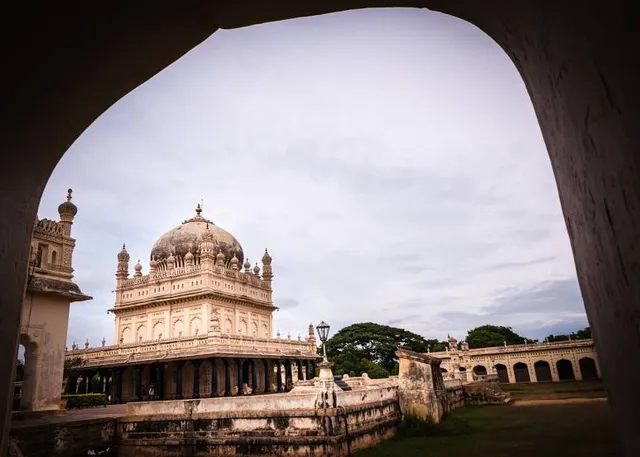
Tippu Sultan's Summer Palace, located in the historic city of Mysuru, stands as a testament to the grandeur of the 18th-century Indian architecture and the legacy of one of the region’s most iconic rulers. Nestled in the heart of the city, this palace is not just a summer retreat but a rich piece of history that draws visitors from all over the world.
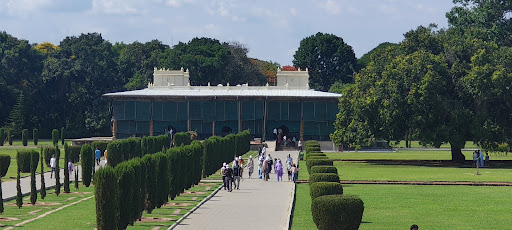
Built in the Indo-Islamic style, the palace is renowned for its distinctive architecture. The structure, predominantly constructed of teak wood, features intricately carved pillars and beautifully ornate arches that reflect the artistic excellence of the era. The open courtyards and high ceilings are designed to provide a cool respite during the sweltering summer months, showcasing Tippu Sultan’s keen understanding of climate and comfort.
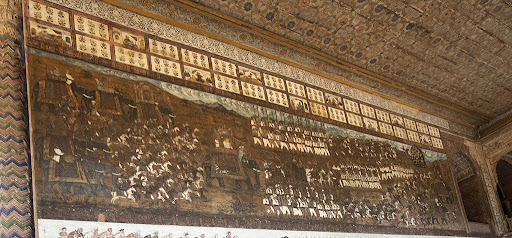
As you step into the palace, the historical ambiance is palpable. The walls are adorned with colorful frescoes that depict various scenes from Tippu Sultan’s reign and his battles against the British. The rich, vibrant hues of these frescoes, combined with the wooden craftsmanship, offer a fascinating glimpse into the opulent lifestyle of the Sultan and his court.
The palace's layout is quite striking, with its spacious halls and serene courtyards. The central hall, with its high ceilings and ornate pillars, once served as the main gathering area and is now a central feature of the palace. Visitors can also explore Tippu Sultan’s private quarters, which include a beautifully decorated bedchamber and a small mosque, reflecting his personal and spiritual life.
One of the highlights of visiting Tippu Sultan's Summer Palace is the museum housed within its walls. The museum showcases a collection of artifacts, including weapons, manuscripts, and personal belongings of Tippu Sultan. These exhibits provide valuable insights into his military strategies, personal life, and the cultural milieu of his time.
The palace is well-maintained and managed by the Archaeological Survey of India, ensuring that its historical integrity is preserved. Guided tours are available and offer detailed explanations of the palace's history and significance, enhancing the overall visitor experience.
While Tippu Sultan’s Summer Palace is relatively compact compared to some other historical structures, its charm and historical value make it a must-visit for history enthusiasts and travelers interested in exploring the rich heritage of Mysuru.
In summary, Tippu Sultan’s Summer Palace is a remarkable historical site that offers an enriching experience for those interested in the legacy of one of India’s most renowned rulers. Its architectural beauty, historical significance, and the insightful museum make it a valuable addition to any travel itinerary...
Read moreDepicting Tippu Sultan’s Warfare and Lifestyle Four of us touring Mysuru visited the summer palace, in the morning on 15th December 2018 along with our guide Joseph. It is also known as “Dariya Daulat” translated as ‘wealth of the sea’. On the way to the palace we stopped at a location marked “Tipu’s Death Place”, marked with a stone, where he died during the war. It is a good place for history lovers to visit. After purchasing our entry tickets (₹ 200 for foreigners & ₹15 for Indians) we walked to the palace along the access road that runs through the large beautifully maintained garden, an oasis when compared to the outer environs. The guide Joseph told us that it was Tipu’s father, Hyder Ali, who commenced the palace construction in 1778, but was completed by him in 1874 after his father’s death. The rectangular palace sits on a raised platform and the intricately carved arches demonstrate the Indo-Islamic architectural style. The front of the palace, at the time of our visit, was covered with heavy dark-green bamboo curtains, presumably to preserve the valuable wall paintings. It is a two-storey building, supported on large pillars and entirely constructed using teak. The upper storey was not open to the public at the time of our visit. The two balconies on the upper floor are prominent and Tippu conducted his affairs of court from these. The outer part of the building has wide corridors allowing visitors to observe and appreciate the various paintings. Not an inch had been left without a painting. The outer walls hold paintings of battles conducted by Tipu and his associates, various events of his period as well as portraits. Although we had no access to the upper storey, we could see the attractive ceiling decorated with floral designs. A portrait of Tipu Sultan adorns one of the rooms in the small museum. His clothes, weapons, pistols, swords and rare paintings are on display in the inner rooms along with lovely and beautiful wall décor. The Palace is open for public viewing from 8.30 am to 5.30 pm every day. Toilet facilities and drinking water is available. We saw some wheelchairs too for differently abled persons. Photos are permitted without flash. There is fee of ₹25 for the use of a video camera. We spent about 90 minutes...
Read moreIf you’re a history enthusiast or someone fascinated by tales of courage, resistance, and royalty, then a visit to Tipu Sultan’s Palace in Bengaluru is an unforgettable experience. This elegant and historic palace is more than just a monument—it’s a tribute to one of India’s most fearless and visionary rulers: Tipu Sultan, famously known as the Tiger of Mysore.
Built in the late 18th century, this beautiful two-storied wooden palace is an exceptional example of Indo-Islamic architecture, with finely carved pillars, grand balconies, and floral motifs that reflect the artistic brilliance of the time. But what truly makes the palace special is the powerful story of the man who once ruled from here.
Tipu Sultan was not only a brave warrior who fiercely resisted British colonization, but also a pioneer in military innovation, economic reforms, and governance. His strategies in warfare, including the use of rockets, were far ahead of his time and have earned him respect across the world. Inside the palace, you’ll find a rich display of artifacts and exhibits that tell the story of his rule, battles, and vision for a sovereign nation.
One of the most admired attractions is the replica of Tipu Sultan’s legendary sword—a symbol of strength, pride, and resistance. The original sword, known for its distinctive shape and powerful history, was taken by the British after his death and is now preserved in foreign museums. Yet, the replicas and other items on display—including paintings, royal costumes, and manuscripts—bring alive the legacy of a ruler who stood strong against colonial powers till his last breath.
As you walk through the palace, you can almost hear the echoes of battle, diplomacy, and royal life from centuries past. The calm courtyards, graceful arches, and historical exhibits together make this a perfect place not just to see, but to feel the history of Karnataka and India.
Visiting Tipu Sultan’s Palace is more than sightseeing—it’s a step into a powerful chapter of India’s freedom struggle and cultural pride. Take your time, explore, reflect, and leave with a deeper appreciation of the man who dared to dream of a free and strong India long...
Read more