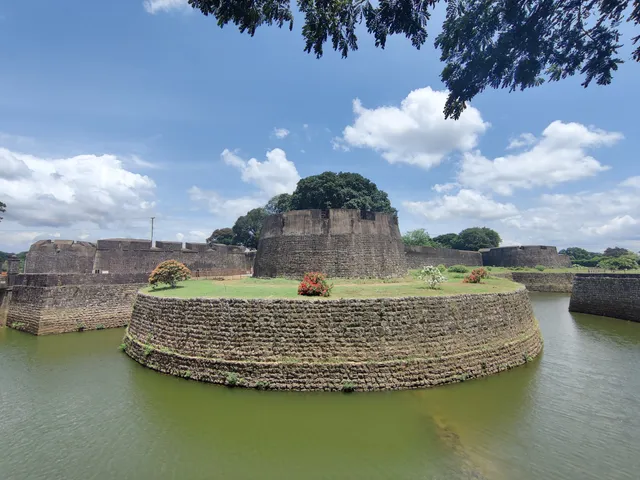
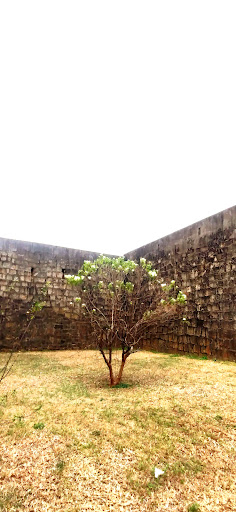
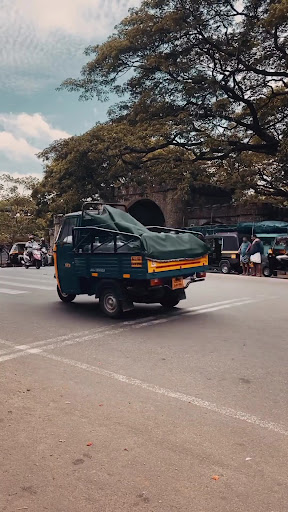
Palakkad Fort, also known as the Palakkad Kota, is a historic fort located in the heart of Palakkad town in Kerala, India. The fort was built by the Mysorean ruler Sultan Haidar Ali in 1766 and later renovated by his son, Tipu Sultan. The fort is a fine example of the military architecture of that era and is well-preserved, making it a prominent landmark in the region.
Highlights of Palakkad Fort:
Historical Significance: The fort played a vital role in the history of the region, especially during the period of Mysorean rule and later during British colonial times. Its strategic location made it an important defensive structure.
Architecture: The fort is built in the traditional Kerala style of architecture, with thick walls made of granite and a large moat around it. The fort is surrounded by lush greenery, enhancing its picturesque setting.
Well-Preserved Structure: The fort is remarkably well-preserved, with many of its original features still intact. Visitors can walk around the fort’s interior and explore the various sections, including the remains of the watchtower and the granary.
Adjacent Attractions: The fort is located near the Palakkad town center, making it easy to access. The nearby Sree Venkateswara temple, the Jain Temple, and the Malampuzha Dam are popular tourist attractions that visitors often explore after visiting the fort.
A peaceful setting: The area around the fort is serene, making it an ideal spot for a quiet stroll or a leisurely visit. The fort is open to the public, and entry is free, which adds to its accessibility for tourists.
Cultural and Educational Value: The fort is also home to a small museum showcasing the local history and cultural heritage of the region, offering visitors an educational experience.
Visitor Experience:
Visiting the Palakkad Fort is a pleasant experience for those interested in history, architecture, or nature. While it may not be as grand as some of the other forts in India, its historical importance and charming atmosphere make it a worthwhile visit. It's an excellent spot for photography, especially during the early morning or late afternoon when the light enhances the fort's beauty.
In summary, Palakkad Fort is a quiet and historically rich destination that offers a glimpse into the past. Its well-preserved condition, accessibility, and serene surroundings make it a great place for history buffs, casual tourists, and...
Read morePalakkad Fort, also known as Tipu’s Fort, is a historic structure located in the town of Palakkad in Kerala, India. Here are 10 major facts and hidden details about the fort:
Built Year: Palakkad Fort was originally built in 1766 by Hyder Ali, the ruler of the Kingdom of Mysore.
Purpose: The fort was constructed by Hyder Ali to establish his stronghold in the Malabar region, as part of his military expansion against the British.
Architectural Style: The fort is built in a square shape with large bastions at the corners. It follows a traditional South Indian fort design, using laterite stones that are native to the region.
Strategic Location: The fort is strategically located at the Palakkad Gap, a natural pass in the Western Ghats, which connects Kerala to Tamil Nadu. This made it a key military asset during Hyder Ali's reign.
Takeover by the British: After the defeat of Tipu Sultan (Hyder Ali’s son), the British East India Company captured the fort in 1790. They later renovated and maintained it as a military base.
Restoration by British: The British extensively renovated the fort, adding new structures and fortifications. The fort's robust construction allowed it to survive through centuries without major deterioration.
Hidden Passageways: There are rumors of underground tunnels and hidden passageways that once connected the fort to other key locations in the area. However, these are yet to be fully explored and verified.
Granary: Inside the fort, there is a large granary, which was used for storing food supplies, indicating the fort’s role in sustaining long sieges during conflicts.
Old Jail: The fort houses a jail that was once used by the British to imprison freedom fighters. It now serves as a tourist attraction and is a reminder of the fort’s colonial past.
UNESCO Heritage Status: Palakkad Fort is one of the best-preserved forts in Kerala and is protected by the Archaeological Survey of India (ASI). It is also on the tentative list for UNESCO World Heritage Sites.
The fort, though simple in appearance, carries a rich history tied to the power struggles of South India during the 18th century, involving Hyder Ali, Tipu Sultan, and...
Read morePalakkad Fort Dates back to 330-380 AD Hyder Ali reinforced it in 1766 British conquered, lost and finally recaptured (1768-1790). Archaeological Survey of India took over in 1921 and maintains it. There is no fee to enter and is open from 8 AM to 6 PM. The children’s park nearby charges entry fee of Rs.20 and for photos (Still camera or Mobiles) a few of another Rs.20. These have nothing to do with the fort. The fort had nothing to do with Tipu Sultan either. Misnomer. The fort holds high walls, grain storage’s and a Ganpat plus Anjaneya Temple inside, with water trenches fortified all around. Good place to visit on a cool day.The construction by Tippu Sultan is on another level I could say. The strength and security we can feel even now also. The watch towers give a 360-degree view of the place. The gardens are amazing. The barrier trench is now a garden river with lots of turtles and fish. Great time I had with my friends over the place.Located in the middle of Palakkad town this fort has gardens and a ram temple. I did not find it very interesting except for gardens and as a getaway to escape from scorching sun of Palakkad. There a huge trees and benches where you can take rest. This is a historic encampment / fortress maintained by Hyder Ali in late 18 century. Has tall walls of enormous thickness with seven bastions (watch tower on the fort) connected together and moat all around. Might have been used to safe guard from heavy artillery bombardment. The lawns and walk away outside of the fort is maintained well by ASI.
There is a small bridge to get into the fort (to cross the moat), there is a massive door which welcomes the visitors. There is a temple which is thronged by the devotees. It doesn't seem to belong there as it is a relatively new structure in the middle of a historic monument. Once inside there is a not-so-maintained ASI symbol and some corners are dumped with waste. The steps to reach the bastion are little steep for the elders. The fort walls are damaged at many places, patriotic people have scribbled and scratched the walls and holes are used as place for...
Read more