"A Place of Spiritual Enlightenment and Historical Significance"
Sivagiri Mutt, located in Varkala, Kerala, is more than just a religious site—it’s a place of deep spiritual and historical importance. As the headquarters of the Sree Narayana Dharma Sangham, the mutt serves as a pilgrimage center for followers of Sree Narayana Guru and anyone seeking inner peace. My visit to Sivagiri Mutt was a profound experience, and I would highly recommend it to anyone interested in Kerala’s spiritual heritage or in need of a peaceful retreat.
Spiritual Significance and History The Mutt holds a special place in the hearts of millions of devotees due to its association with the revered social reformer and spiritual leader Sree Narayana Guru. He was a champion of equality and fought against the caste system, spreading the message of “One Caste, One Religion, One God for Humanity.” Sivagiri Mutt was his headquarters, and it remains a place of pilgrimage, especially for those who follow his teachings.
The Mutt is the final resting place of Sree Narayana Guru, and visiting his samadhi (memorial) is a deeply moving experience. Devotees come from all over India, especially during the Sivagiri Pilgrimage held annually between December 30 and January 1. The pilgrimage is not only a religious event but also a celebration of the Guru’s progressive ideals, promoting education, cleanliness, devotion, agriculture, and unity.
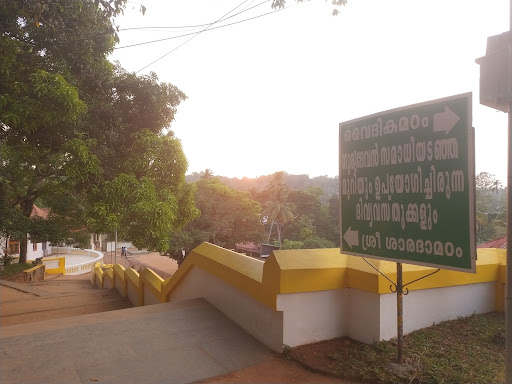
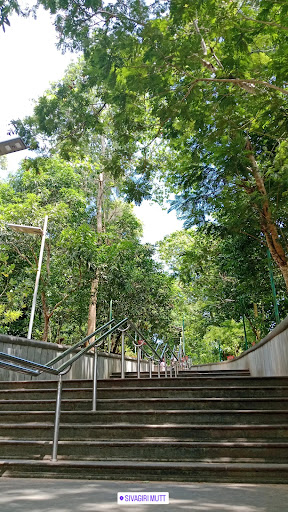
The Atmosphere What struck me the most about Sivagiri Mutt is the serene and peaceful environment. Nestled amidst lush greenery on a hilltop, the Mutt offers a sense of tranquility that’s hard to find in the hustle and bustle of everyday life. As soon as you enter the premises, you’re enveloped in a feeling of calm. Whether you’re here for spiritual reasons or simply to enjoy a quiet retreat, the Mutt’s peaceful surroundings are sure to rejuvenate your mind and soul.
The area is clean and well-maintained, with plenty of space for devotees and visitors to sit, reflect, and meditate. The view from the hilltop is also breathtaking, with a panoramic vista of the surrounding landscape. It’s the perfect setting for spiritual contemplation or simply a break from the stresses of daily life.
Architecture and Facilities The architecture of the Mutt is simple yet beautiful, reflecting the humility and wisdom of Sree Narayana Guru’s teachings. The main temple is a serene structure where devotees offer their prayers. There is also a museum on-site, which houses photographs and artifacts related to the life and work of Sree Narayana Guru, offering visitors a glimpse into his journey and contributions to society.
The Mutt also has facilities for devotees and tourists, including lodging options. If you wish to stay overnight, you can find simple, clean accommodations nearby. There are also eateries that serve traditional vegetarian food, which is wholesome and affordable.
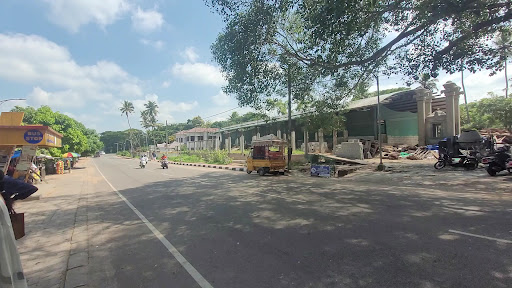
Accessibility Sivagiri Mutt is well-connected and easy to reach. It is located just a few kilometers from Varkala Beach, making it a convenient stop for those exploring the area. The nearest railway station is Varkala Sivagiri, which is about 3 km away, and the mutt can be easily accessed by road.
Areas for Improvement While Sivagiri Mutt is a peaceful and well-maintained site, the facilities for parking could be improved, especially during peak pilgrimage times. It can get quite crowded, and managing the inflow of visitors is sometimes a challenge. However, this does not take away from the overall experience.
Final Thoughts Sivagiri Mutt is not just a religious site; it’s a place where you can immerse yourself in the teachings of a great social reformer and spiritual leader. The tranquil environment, rich history, and spiritual significance make it a must-visit destination for anyone traveling to Kerala. Whether you’re a devotee of Sree Narayana Guru or simply looking for a peaceful place to reflect, Sivagiri Mutt will leave you feeling inspired...
Read moreTravel about 3 km from Varkala town and you will reach one of the most popular pilgrim destinations of Kerala – Sivagiri Mutt. It is also the headquarters of the Sree Narayana Dharma Sangham, an organization of the great reformer Sree Narayana Guru’s disciples and followers.
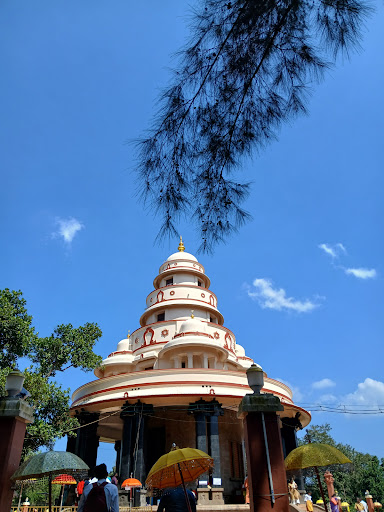
The Mutt campus sprawls over an area of 200 acres and you will surely be attracted by the distinctive multi-tiered white terraces of the mutt, once you enter there. Situated at an elevated plateau, the mutt is considered sacred. It is here that the social reformer and sage Sree Narayana Guru breathed his last in 1928. The Samadhi or the final resting place of the Guru is situated on a hillock here and it attracts thousands of pilgrims. There is also the Guru’s residence and it displays his personal belongings.
You can also see a Sharada temple here. The main idol, Goddess Saraswati, here was consecrated by the Guru himself.
History Sree Narayana Guru was attracted by the nature’s beauty and the calm ambience at Varkala and built a hermitage on top of the Sivagiri hill in 1904, which later turned out to be a major pilgrim centre. Later the Travancore State Government granted Sivagiri Hill to the Guru and some people near the place also offered land to him. Thus Sivagiri turned out to be the nerve centre of all Sree Narayana Movements.
Apart from the Guru, there were many social reformers who helped establish the Mutt at Sivagiri. The socio-political activist of yesteryears Dr. P. Palpu and the renowned Malayalam poet Kumaran Asan were some of them. They were ardent followers of the Guru and had distinct ideas on reformation of the society and Ezhava community.
Sree Narayana Guru understood and always stressed on the importance of education. Hence he set up an elementary school here. A night school was also founded for the illiterate people of an untouchable caste. When his disciples wanted to build a temple here, the Guru dedicated it to the Goddess of Knowledge, and consecrated the idol of Goddess Saraswathi here. Thus the Saradha (Saraswathi) temple here came into being in 1912.
Architecture and distinctive features of the temple The Sivagiri Sarada temple is octagonal in shape and was planned and designed by the Guru himself. The Sarada temple here has windows, which were very uncharacteristic of a temple. The Guru called it Sarada Mutt and he wanted to dedicate it to Saraswathy, the Goddess of knowledge. The goddess is seated on a white lotus, indicating the knowledge blossoming on purity.
The rituals are also is different from that of other temples. While other temples perform nivedyam (offering of food to the deity) or abhishekam (pouring oil, ghee and such on the idol), Sharada temple is devoid of all such rituals, The devotees are free to worship the goddess reciting hymns. Guru, himself a writer and poet, wrote Janani-navaratna Manjari, in praise of the Goddess.
Apart from consecrating a symbolic idol and shunning all tantric rituals, the Guru also insisted on keeping high hygiene standards on the temple premises. His followers adhere to the Guru’s words now too and the temple is thus very different from other temples in the world.
Festivals The Birthday and Samadhi day of the Guru which fall in August/September are observed at Sivagiri Mutt with much relevance. On Gurudeva Jayanthi day, the birthday of the Guru, colourful processions, debates, seminars, public meetings and cultural shows are conducted. Thousands of followers wearing yellow attire take part in the procession.
Another important festival here is Sivagiri pilgrimage which is observed on December 30- January 1. These days thousands of pilgrims in yellow attire from different parts of Kerala gather at the Samadhi of the Guru, who propagated his concept, "One Caste, One Religion...
Read moreTravel about 3 km from Varkala town and you will reach one of the most popular pilgrim destinations of Kerala – Sivagiri Mutt. It is also the headquarters of the Sree Narayana Dharma Sangham, an organization of the great reformer Sree Narayana Guru’s disciples and followers.
The Mutt campus sprawls over an area of 200 acres and you will surely be attracted by the distinctive multi-tiered white terraces of the mutt, once you enter there. Situated at an elevated plateau, the mutt is considered sacred. It is here that the social reformer and sage Sree Narayana Guru breathed his last in 1928. The Samadhi or the final resting place of the Guru is situated on a hillock here and it attracts thousands of pilgrims. There is also the Guru’s residence and it displays his personal belongings.
You can also see a Sharada temple here. The main idol, Goddess Saraswati, here was consecrated by the Guru himself.
History Sree Narayana Guru was attracted by the nature’s beauty and the calm ambience at Varkala and built a hermitage on top of the Sivagiri hill in 1904, which later turned out to be a major pilgrim centre. Later the Travancore State Government granted Sivagiri Hill to the Guru and some people near the place also offered land to him. Thus Sivagiri turned out to be the nerve centre of all Sree Narayana Movements.
Apart from the Guru, there were many social reformers who helped establish the Mutt at Sivagiri. The socio-political activist of yesteryears Dr. P. Palpu and the renowned Malayalam poet Kumaran Asan were some of them. They were ardent followers of the Guru and had distinct ideas on reformation of the society and Ezhava community.
Sree Narayana Guru understood and always stressed on the importance of education. Hence he set up an elementary school here. A night school was also founded for the illiterate people of an untouchable caste. When his disciples wanted to build a temple here, the Guru dedicated it to the Goddess of Knowledge, and consecrated the idol of Goddess Saraswathi here. Thus the Saradha (Saraswathi) temple here came into being in 1912.
Architecture and distinctive features of the temple The Sivagiri Sarada temple is octagonal in shape and was planned and designed by the Guru himself. The Sarada temple here has windows, which were very uncharacteristic of a temple. The Guru called it Sarada Mutt and he wanted to dedicate it to Saraswathy, the Goddess of knowledge. The goddess is seated on a white lotus, indicating the knowledge blossoming on purity.
The rituals are also is different from that of other temples. While other temples perform nivedyam (offering of food to the deity) or abhishekam (pouring oil, ghee and such on the idol), Sharada temple is devoid of all such rituals, The devotees are free to worship the goddess reciting hymns. Guru, himself a writer and poet, wrote Janani-navaratna Manjari, in praise of the Goddess.
Apart from consecrating a symbolic idol and shunning all tantric rituals, the Guru also insisted on keeping high hygiene standards on the temple premises. His followers adhere to the Guru’s words now too and the temple is thus very different from other temples in the world.
Festivals The Birthday and Samadhi day of the Guru which fall in August/September are observed at Sivagiri Mutt with much relevance. On Gurudeva Jayanthi day, the birthday of the Guru, colourful processions, debates, seminars, public meetings and cultural shows are conducted. Thousands of followers wearing yellow attire take part in the procession.
Another important festival here is Sivagiri pilgrimage which is observed on December 30- January 1. These days thousands of pilgrims in yellow attire from different parts of Kerala gather at the Samadhi of the Guru, who propagated his concept, "One Caste, One Religion...
Read more