Chausath Yogini Temple things to do, attractions, restaurants, events info and trip planning
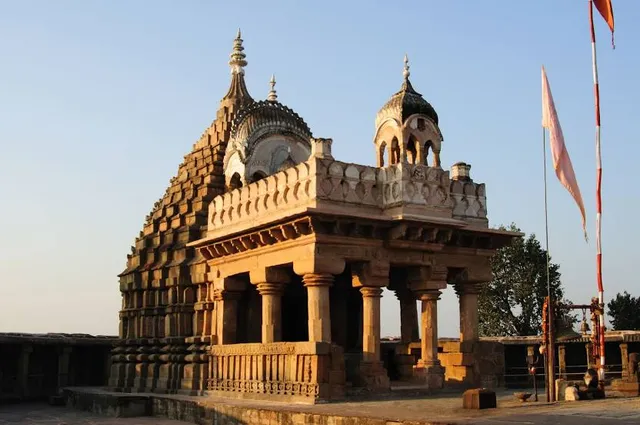
Basic Info
Chausath Yogini Temple
RWX9+V7C, Sevagram, Khajuraho, Madhya Pradesh 471606, India
4.3(139)
Open 24 hours

tickets
Save
spot
spot
Ratings & Description
Info
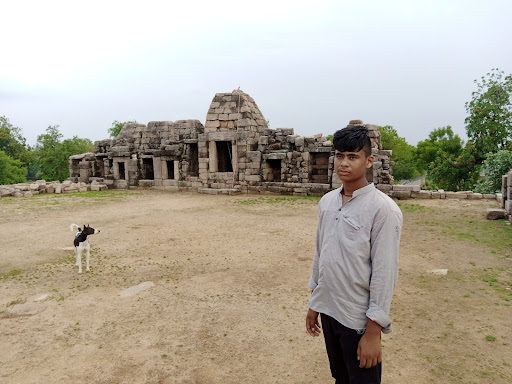
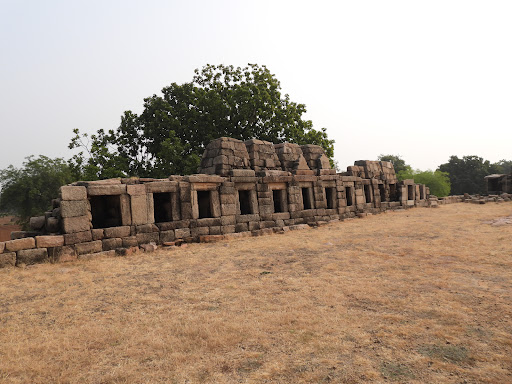
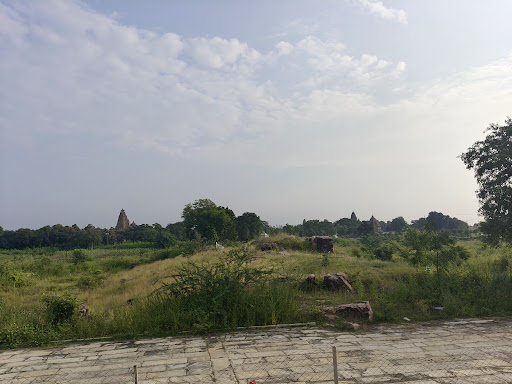
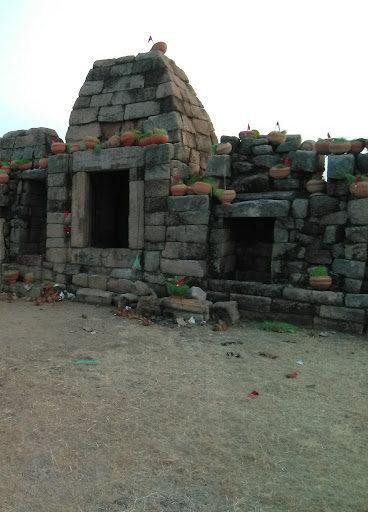
The Chausath Yogini Temple, Mitaoli, also known as Ekattarso Mahadeva Temple, is an 11th-century temple in Morena district in the Indian state of Madhya Pradesh. Build during Kachchhapaghata reign, it is one of the well-preserved Yogini temples in India.
Cultural
Scenic
attractions: Kandariya Mahadeva Temple, Khajuraho Western Group of Temples, Khajuraho Temple, Shree Matangeshwar Temple Khajuraho, Varaha Temple, Devi Jagadambi Temple, Chitragupta Temple, Vishwanath Temple, Parvati Temple, Pratapeshwar Temple, restaurants: Pinch Of Salt, Pandit Ji Restaurant and Parcel Center, Flavours Cafe Multi Cuisine Restaurant, Raja Cafe Restaurant , Khajuraho, Aroma Cafe, Gagan Restaurant & Cake Shop, Western Bakery And Pastry Shop, La Bella Italia Restaurant, Maharaja Cafe & Restaurant, Zaheer Paratha & Lassi Corner, local businesses: Shivsagar Lake
 Learn more insights from Wanderboat AI.
Plan your stay

Pet-friendly Hotels in Khajuraho
Find a cozy hotel nearby and make it a full experience.

Affordable Hotels in Khajuraho
Find a cozy hotel nearby and make it a full experience.

The Coolest Hotels You Haven't Heard Of (Yet)
Find a cozy hotel nearby and make it a full experience.

Trending Stays Worth the Hype in Khajuraho
Find a cozy hotel nearby and make it a full experience.
Reviews
Nearby attractions of Chausath Yogini Temple
Kandariya Mahadeva Temple
Khajuraho Western Group of Temples
Khajuraho Temple
Shree Matangeshwar Temple Khajuraho
Varaha Temple
Devi Jagadambi Temple
Chitragupta Temple
Vishwanath Temple
Parvati Temple
Pratapeshwar Temple
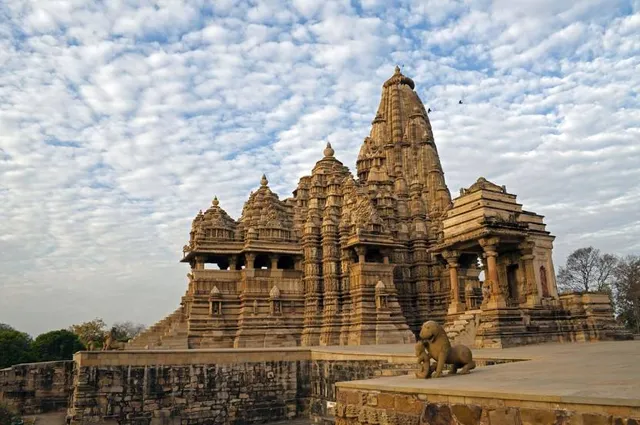
Kandariya Mahadeva Temple
4.6
(633)
Closed
Click for details
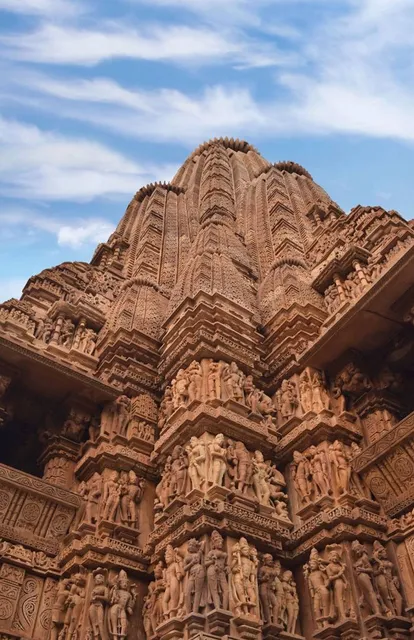
Khajuraho Western Group of Temples
4.7
(3.2K)
Closed
Click for details
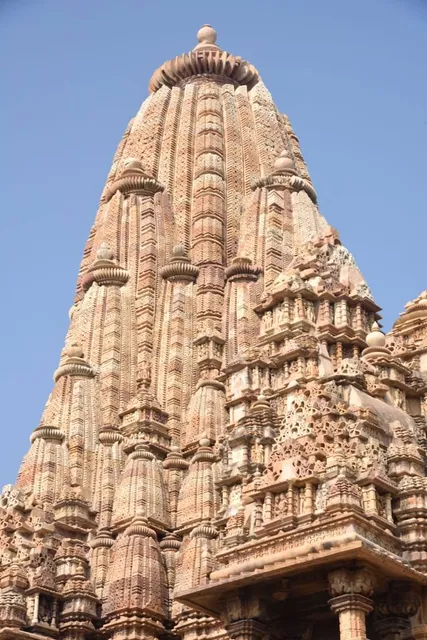
Khajuraho Temple
4.7
(4K)
Closed
Click for details
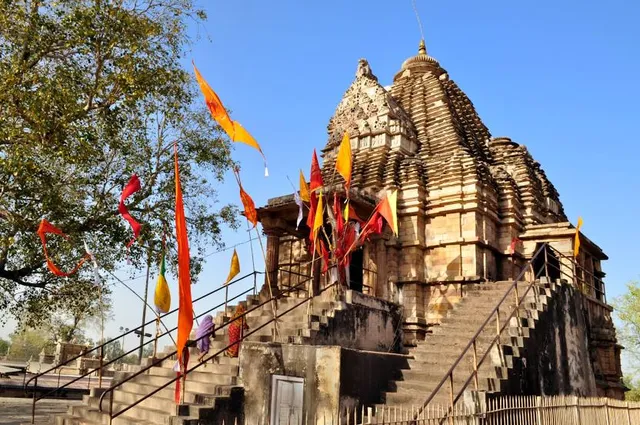
Shree Matangeshwar Temple Khajuraho
4.7
(293)
Open until 9:00 PM
Click for details
Nearby restaurants of Chausath Yogini Temple
Pinch Of Salt
Pandit Ji Restaurant and Parcel Center
Flavours Cafe Multi Cuisine Restaurant
Raja Cafe Restaurant , Khajuraho
Aroma Cafe
Gagan Restaurant & Cake Shop
Western Bakery And Pastry Shop
La Bella Italia Restaurant
Maharaja Cafe & Restaurant
Zaheer Paratha & Lassi Corner
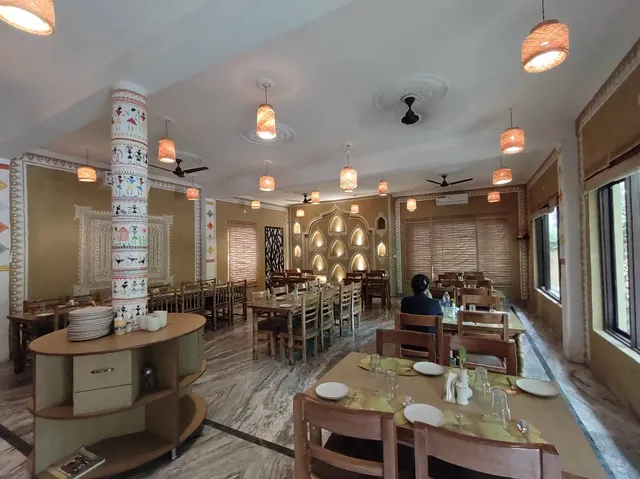
Pinch Of Salt
4.4
(650)
$$
Open until 10:45 PM
Click for details
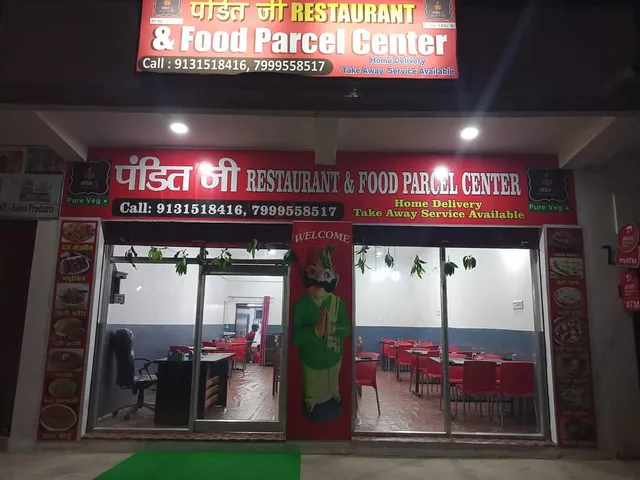
Pandit Ji Restaurant and Parcel Center
4.5
(172)
Open until 11:00 PM
Click for details
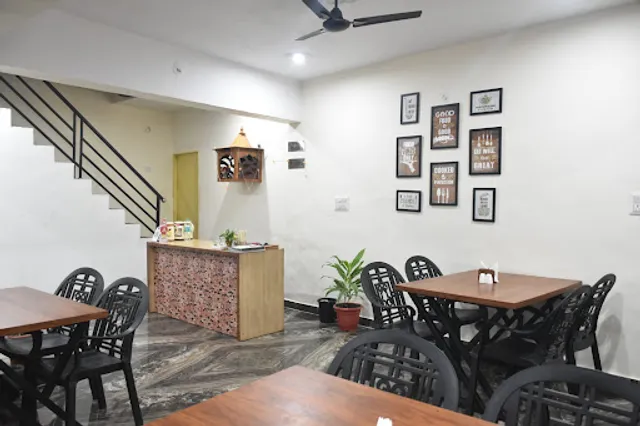
Flavours Cafe Multi Cuisine Restaurant
4.8
(233)
Open until 10:30 PM
Click for details
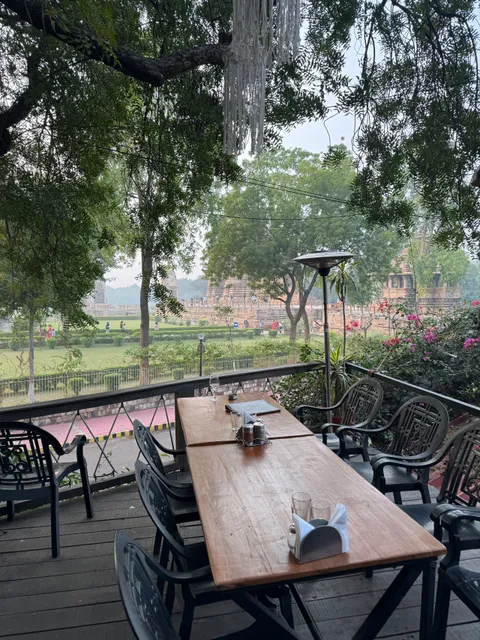
Raja Cafe Restaurant , Khajuraho
4.1
(793)
Open until 10:00 PM
Click for details
Nearby local services of Chausath Yogini Temple
Shivsagar Lake
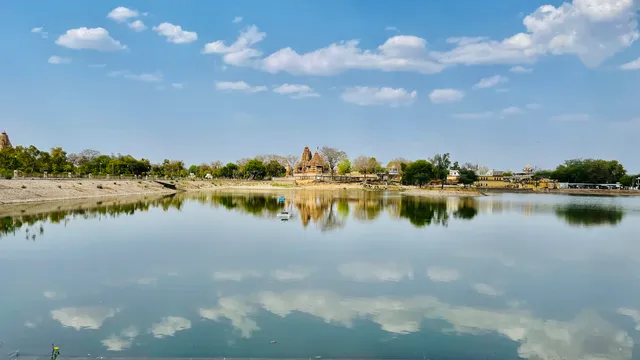
Shivsagar Lake
4.1
(29)
Click for details