Diskit Monastery also known as Deskit Gompa or Diskit Gompa is the oldest and largest Buddhist monastery (gompa) in the Nubra Valley of Ladakh, northern India.The Diskit monastery was founded by Changzem Tserab Zangpo in the 14th century. The history of the Nubra Valley and the monastery could thus be traced from the 14th century onwards. Ladakh was then ruled by King Grags-pa-‘bum-lde (1400–1440) and his brother, who unsuccessfully attempted to usurp Nubra Valley, which was under a local ruler named Nyig-ma-grags-pa. The local ruler assisted a Gelugpa order advocate to build the monastery at Diskit and deify the idol of Tsong Khapa, the founder of the Gelugpa sect, in the monastery. During the rule of King Blogros-chog-idan (1440–1470) who had even controlled western Tibet, Panchen Lha-btsun - a resident of Nubra Valley by birth - studied in Tibet and later became a regent to the founder of Tashilhunpo Monastery and finally during his last stage of life returned to Nubra. His remains have been preserved in Charasa. In 1500, Ladakh was ruled by Bkra-shis-rnam-rgyal, who fought the invader Mirza Haider of Central Asia, in Nubra and close to Leh, finally defeated the latter and thus bringing Nubra under Ladakh King’s rule. Even then, the local chieftains still yielded power in Diskit and Hundar. Shia Muslims started settling in Nubra after this war. Bkra-shis-rnam-rgyal’ son, Tshedbang-rnam-rgyal ruled Ladakh from 1530 and expanded his kingdom. At that time, Nubra people prevailed on him and preventing him from invading Hor in Xinjiang, as trade with Yarkand was considered crucial to Nubra. During the reign of Jams-dbang-rnam-rgyal, historical records indicate that a regular tribute payment was made by the Nubra people to the king. The King Bde-‘Idanrnam-rgyal (1620–45) successfully defeated Baltistan and the Mughals. Rgyal kings were very religious and built mani walls throughout their kingdom. Monks were specially engaged to recite hymns of Mani-tung chur in Nubra Valley and in other surrounding areas. In mid eighteenth century, Tshe-dbang-rnam-rgyal gave away the control of Diskit monastery to the Rinpoche of Thikse Monastery and this arrangement has been perpetuated to this day. Since then, Diskit is considered a...
Read moreThe Diskit monastery was founded by Changzem Tserab Zangpo in the 14th century.[4] The history of the Nubra Valley and the monastery could thus be traced from the 14th century onwards. Ladakh was then ruled by King Grags-pa-‘bum-lde (1400–1440) and his brother, who unsuccessfully attempted to usurp Nubra Valley, which was under a local ruler named Nyig-ma-grags-pa. The local ruler assisted a Gelugpa order advocate to build the monastery at Diskit and deify the idol of Tsong Khapa, the founder of the Gelugpa sect, in the monastery. During the rule of King Blogros-chog-idan (1440–1470) who had even controlled western Tibet, Panchen Lha-btsun - a resident of Nubra Valley by birth - studied in Tibet and later became a regent to the founder of Tashilhunpo Monastery and finally during his last stage of life returned to Nubra. His remains have been preserved in Charasa. In 1500, Ladakh was ruled by Bkra-shis-rnam-rgyal, who fought the invader Mirza Haider of Central Asia, in Nubra and close to Leh, finally defeated the latter and thus bringing Nubra under Ladakh King’s rule. Even then, the local chieftains still yielded power in Diskit and Hundar. Shia Muslims started settling in Nubra after this war. Bkra-shis-rnam-rgyal’ son, Tshedbang-rnam-rgyal ruled Ladakh from 1530 and expanded his kingdom. At that time, Nubra people prevailed on him and preventing him from invading Hor in Xinjiang, as trade with Yarkand was considered crucial to Nubra. During the reign of Jams-dbang-rnam-rgyal, historical records indicate that a regular tribute payment was made by the Nubra people to the king. The King Bde-‘Idanrnam-rgyal (1620–45) successfully defeated Baltistan and the Mughals. Rgyal kings were very religious and built mani walls throughout their kingdom. Monks were specially engaged to recite hymns of Mani-tung chur in Nubra Valley and in other surrounding areas. In mid eighteenth century, Tshe-dbang-rnam-rgyal gave away the control of Diskit monastery to the Rinpoche of Thikse Monastery and this arrangement has been perpetuated to this day. Since then, Diskit is considered a...
Read moreDiskit Gompa, or Diskit Monastery, perched at about 3,140 m (10,310 ft) on a hilltop in Nubra Valley, is a profoundly moving blend of spirituality, culture, and breathtaking Himalayan vistas. Founded in the 14th century by Changzem Tserab Zangpo, a disciple of Tsong Khapa, it stands as the oldest and largest Gelugpa (Yellow Hat) monastery in the region .
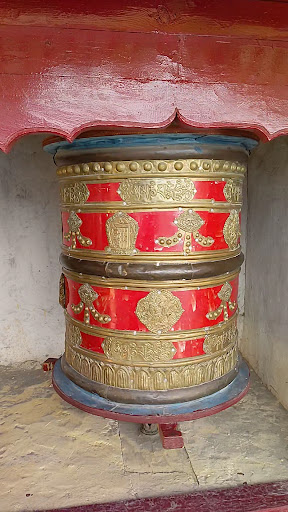
The moment you ascend the rocky path lined with prayer flags and chortens, you’re enveloped by an atmosphere of calm. Inside the prayer hall (dukhang), ornate frescoes, fierce guardian deity statues, a massive drum, and the revered Cho Rinpoche (Crowned Buddha) invite respectful admiration . An elevated cupola showcases a Tashilhunpo Monastery mural—a vivid connection to Tibetan religious art .
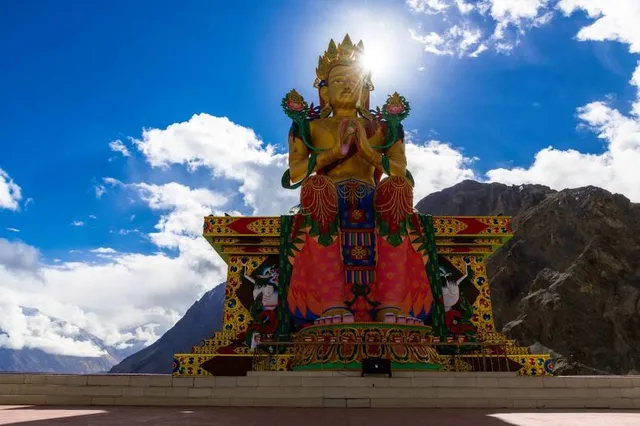
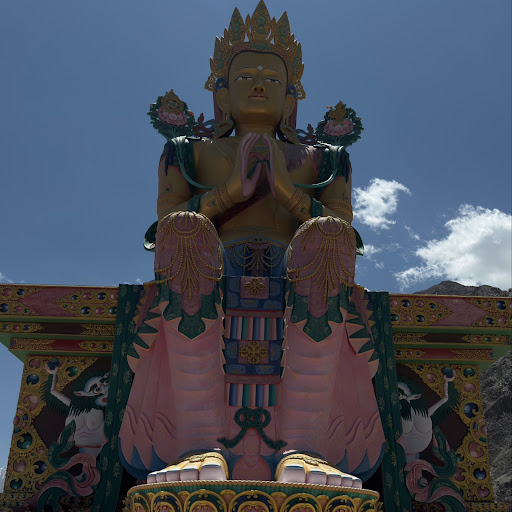
Above the monastery, the gigantic 32 m (106 ft) Maitreya (Jampa) Buddha statue overlooks the Shyok River, consecrated by the Dalai Lama in 2010. This golden-red statue symbolizes protection, peace, and harmony—making for a memorable visual against the stark mountain backdrop .
Diskit is more than a monument; it’s a living community. About 100 resident monks study ancient Tibetan and Mongolian scriptures and practice rituals here . The monastery also runs a school for local children, delivering science and English education with support from the Tibet Support Group NGO .
Every February, Dosmoche (Festival of the Scapegoat) dances ignite the courtyard. The colorful mask dances dramatize the triumph of good over evil, with dough effigies cast off to dispel misfortune .
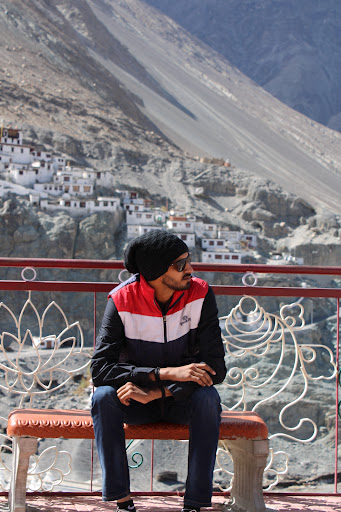
From a traveler’s perspective, Diskit Gompa offers stunning panoramic views of Diskit Village, the Shyok River, and distant sand dunes with Bactrian camels grazing below—a photographer’s delight . Whether you’re drawn to spiritual reflection, cultural resonance, or sheer natural beauty, Diskit leaves an...
Read more