Daitya Sudan Temple: Attempt Of Conversion To Mosque.
Daitya Sudan Temple is a Vishnu temple dated to the Chalukya Dynasty which ruled Central and Southern India between the 6th and 12th centuries. This temple is an example showing how a temple gets converted to mosque. There are clear visible evidences of invading Muslim forces who tried to convert this historic Hindu temple into a mosque. Attempts have been made to layer the main gateway of the temple with red bricks in Islamic style.
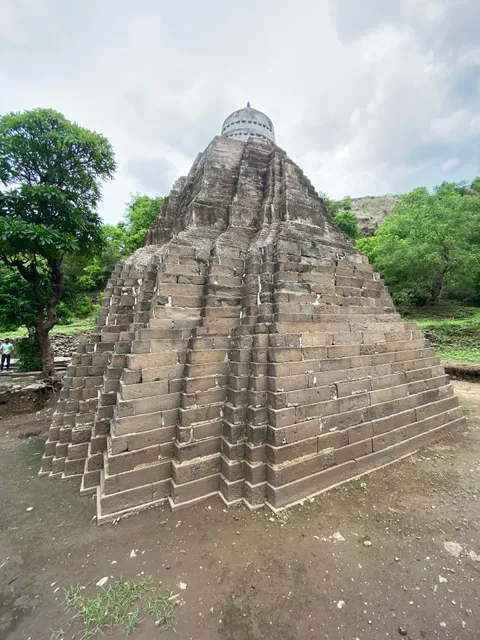
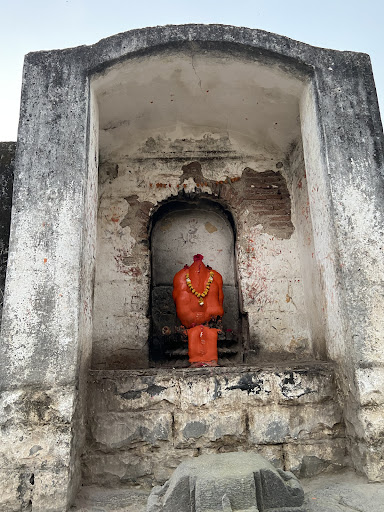
The deity of this temple is made of an ore with high metal content and looks like stone. The present day idol was made by bholse rulers of Nagpur after the original went missing. Area out-side the sanctum is dark and the ceiling reveals beautiful carvings under a torch light. The plinth of the temple is about 1.5 m in height and the unfinished roof suggests an intended pyramidal form for the tower
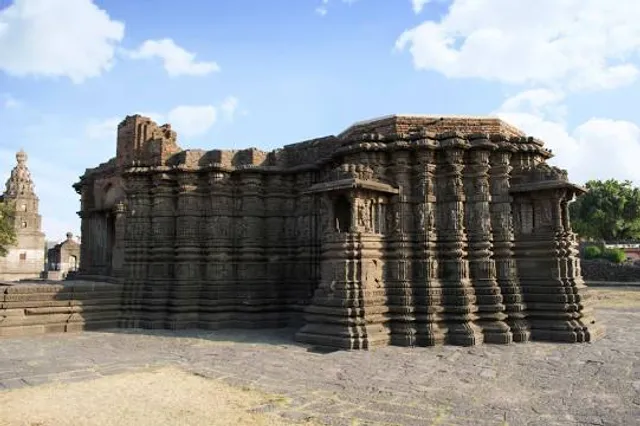
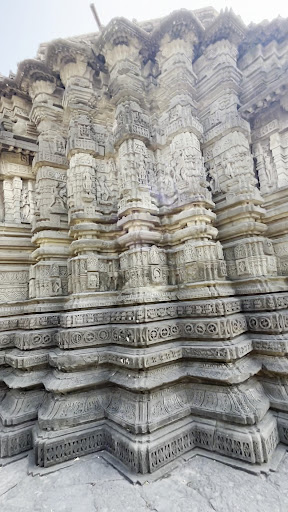
One of the best examples of Hemadpanti style of construction, the temple is built in the form of an asymmetrical star. Wonderful erotic carvings of the temple resembles to the popular Khajuraho temples and definitely reminds you about the exquisitely rich elaborated carvings of Badami or Pattadakkal, built by the mighty Chalukyas only. Detailed carvings which covered the entire surface of the temple, elaborates stories from the Puranas, great epics like Ramayana & Mahabharata, incarnations of various gods & goddesses, Apsaras, Yakshas, Kinnaras and Kamasutras.
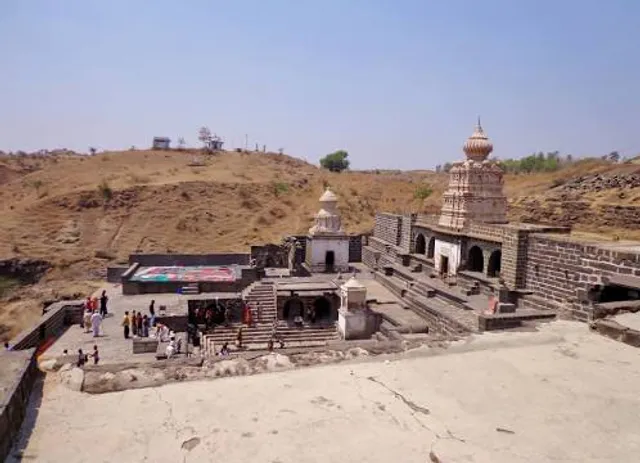
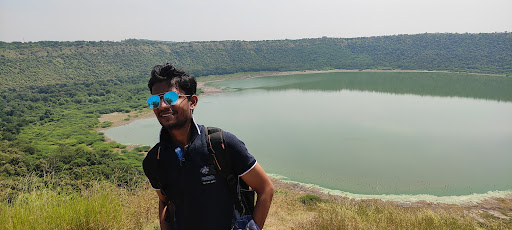
From the standing image of Surya in the principal niche on the back of the temple it is conjectured that the temple was originally dedicated to the Sun god. However, in the present form its Vaishnav Temple of god Vishnu in its Daityasudan Avata. Daitya Sudan Temple is located near the Lonar crater – the world’s only salt water lake in basaltic rock, believed to have been caused by a meteorite hitting Earth around 52, 000 years ago. It is surrounded by forests with a large variety of birds, particularly peacocks, owls, red-wattled Lapwings and ducks. A number of temples surround the lake, most of which stand in ruins today.
According to local belief, Lonar derives its name from the mythical demon Lonasura (also called Lavansura). This demon used to harass and trouble the local people so much that Lord Vishnu descended to earth to vanquish him. The crater, and the lake that now fills it, was formed when Lonasura was pushed back into the netherworld with tremendous...
Read moreDaitya Sudan temple is located near the Lonar crater lake in the Buldhana district of Maharashtra state of India. It is a Vishnu temple dated to the Chalukya Dynasty which ruled Central and Southern India between the 6th and 12th centuries. It belongs to the Hemadpanthi class and is built in the form of an irregular star. The main entrance of the temple is east facing. The exterior walls are covered with carved figures. The detailed carvings that covered the entire surface of the temple depicted everything from deities, stories from the puranas and erotic sculptures. The niche of West has an idol of Sun God, South has an image of Chamunda Devi and north has Narashima. The plinth of the temple is about 1.5 m in height, and the unfinished roof suggests an intended pyramidal form for the tower. Area out-side the sanctum is dark and the ceiling reveals beautiful carvings under a torch light. The deity idol– the Vishnu Avatar (Daitya Sudan) standing atop a demon Lavanasur. The present idol was made by Bholse rulers of Nagpur after the original went missing. “Antaral” ceiling carries beautiful carvings of slaying of Lavanasur by Lord Vishnu, story of Kansa- Krishna, Narasimha killing Hiranyakashyapa along with krishna Rasleela. In the southeast corner of Daitya Sudan Temple courtyard is a Tripurush Math where images of Vishnu, Brahma & Garuda were placed and Swami Chakradhar, the founder of Mahanubhav Sect and creator of Lilacharita is said to have stayed there. Mythology: There’s an interesting story here too. Lord Vishnu is said to have come down to this place in the form Daityasudan to slay demon Lavanasura, who lived under the Earth in this area along with his sisters. Daitya Sudan killed the demon in a battle which ended up in creating the Lonar Lake.
The Lord Vishnu deity in this temple is made of an ore with a high metal content that resembles stone.
The outermost chamber of Daitya Sudan Temple is called Sabhamandap which is meant for group offerings and performance. This portion as well as the entrance gate does not match the style and construction elements of the temple overall. The brickwork might have been added later to the damaged or unfinished temple, which may be attributed to various invasions post the...
Read moreDaityasudan Temple is a popular tourist attraction located in Lonar, a town in the Buldhana district of Maharashtra, India. The temple is dedicated to Lord Vishnu and is known for its beautiful architecture and historical significance.
The temple dates back to the 6th century and is one of the oldest temples in Maharashtra. It was built during the Chalukya dynasty and is believed to have been constructed on the site where Lord Vishnu defeated the demon Lonasur. The temple is also known for its unique Hemadpanthi style of architecture, which is a blend of Hoysala and Chalukya styles.
The temple is well-maintained and is a great example of ancient Indian architecture. The intricate carvings and sculptures on the temple walls are a sight to behold. The temple also has a large courtyard and a beautiful Shiva lingam.
Visitors to the temple can also enjoy the serene atmosphere and the scenic views of the Lonar crater, which is located nearby. The crater is a popular tourist destination and is believed to have been formed around 50,000 years ago due to a meteorite impact.
Overall, Daityasudan Temple is a must-visit destination for history buffs, architecture enthusiasts, and anyone interested in ancient Indian culture. It offers a glimpse into the rich history and cultural heritage of Maharashtra and is a great place to learn...
Read more