HTML SitemapExplore
logo
Find Things to DoFind The Best Restaurants

Harishchandragad — Attraction in Maharashtra

Name
Harishchandragad
Description
Harishchandra Fort is a hill fort in the Ahiyanagar in Nashik district of India. Its history is linked with that of Malshej Ghat, Kothale village and it has played a role in guarding and controlling the surrounding region.
Nearby attractions
Kedareshwar Cave
9QRH+QRF, Paachnaichi Vaat Path, Maharashtra 422610, India
Harishchandreshwar Temple
9QRH+JRH, Maharashtra 422610, India
Nearby restaurants
Nearby hotels
Related posts
Keywords
Harishchandragad tourism.Harishchandragad hotels.Harishchandragad bed and breakfast. flights to Harishchandragad.Harishchandragad attractions.Harishchandragad restaurants.Harishchandragad travel.Harishchandragad travel guide.Harishchandragad travel blog.Harishchandragad pictures.Harishchandragad photos.Harishchandragad travel tips.Harishchandragad maps.Harishchandragad things to do.
Harishchandragad things to do, attractions, restaurants, events info and trip planning
Harishchandragad
IndiaMaharashtraHarishchandragad

Basic Info

Harishchandragad

Maharashtra 422610, India
4.7(2.3K)
Open 24 hours
Save
spot

Ratings & Description

Info

Harishchandra Fort is a hill fort in the Ahiyanagar in Nashik district of India. Its history is linked with that of Malshej Ghat, Kothale village and it has played a role in guarding and controlling the surrounding region.

Outdoor
Adventure
Family friendly
attractions: Kedareshwar Cave, Harishchandreshwar Temple, restaurants:
logoLearn more insights from Wanderboat AI.

Plan your stay

hotel
Pet-friendly Hotels in Maharashtra
Find a cozy hotel nearby and make it a full experience.
hotel
Affordable Hotels in Maharashtra
Find a cozy hotel nearby and make it a full experience.
hotel
The Coolest Hotels You Haven't Heard Of (Yet)
Find a cozy hotel nearby and make it a full experience.
hotel
Trending Stays Worth the Hype in Maharashtra
Find a cozy hotel nearby and make it a full experience.

Reviews

Nearby attractions of Harishchandragad

Kedareshwar Cave

Harishchandreshwar Temple

Kedareshwar Cave

Kedareshwar Cave

4.8

(669)

Open until 12:00 AM
Click for details
Harishchandreshwar Temple

Harishchandreshwar Temple

4.8

(313)

Open 24 hours
Click for details
Get the Appoverlay
Get the AppOne tap to find yournext favorite spots!
Wanderboat LogoWanderboat

Your everyday Al companion for getaway ideas

CompanyAbout Us
InformationAI Trip PlannerSitemap
SocialXInstagramTiktokLinkedin
LegalTerms of ServicePrivacy Policy

Get the app

© 2025 Wanderboat. All rights reserved.
logo

Reviews of Harishchandragad

4.7
(2,287)
avatar
4.0
1y

Harishchandra Fort is situated in the Ahmednagar district of Maharashtra, near the borders of Thane and Pune districts. It’s about 200 kilometers from Mumbai and 170 kilometers from Pune. The base village for the trek is Khireshwar, which can be reached by road. The journey to the base village offers scenic views, but the roads can be a bit challenging, especially during the monsoon season.

Trek Experience The trek to Harishchandra Fort is known for its challenging yet rewarding nature. There are multiple routes to reach the fort, with the Khireshwar route being the most popular:

Difficulty Level: The trek is moderately difficult, making it suitable for experienced trekkers. Beginners should be prepared for a strenuous climb. Trail Condition: The trail is well-marked but includes steep ascents, rocky patches, and narrow paths. The monsoon season adds to the difficulty with slippery trails. Duration: The trek usually takes about 4 to 6 hours to reach the top, depending on the route and your pace. Scenery: The trek offers stunning views of the Western Ghats, dense forests, and beautiful valleys. The experience is especially breathtaking during the monsoon and winter seasons. Fort and Attractions Harishchandra Fort is not just a trekking destination but also a place of historical and natural significance:

Konkan Kada: This is the most famous spot on Harishchandragad. It’s a vertical cliff offering spectacular views of the surrounding landscape and an incredible sunset view. It’s also popular for camping. Caves and Temples: The fort houses ancient caves, including the Kedareshwar Cave, which contains a large Shivalinga surrounded by water. There are also several small temples, the most notable being the Harishchandreshwar Temple, which showcases the architectural prowess of the past. Taramati Peak: This is the highest point on the fort and offers panoramic views. It’s a bit of a climb from the main plateau but worth the effort. Saptatirtha Pushkarni: A series of small water tanks near the temple area, believed to have been used for ritual baths in ancient times. Facilities and Amenities Given its remote location, the facilities at Harishchandra Fort are minimal:

Shelters: There are several caves and makeshift shelters where trekkers can stay overnight. Carrying your own camping gear is advisable if you plan to camp. Water: Natural water sources are available, but it’s recommended to carry your own drinking water, especially during the summer months. Food: There are small stalls in the base village and occasionally along the trail that offer basic food items. It’s best to carry your own snacks and meals. Cleanliness and Maintenance The fort and its surroundings are relatively clean, thanks to efforts by trekking groups and individual trekkers. However, it’s crucial for visitors to follow the “leave no trace” principle and take their trash back with them.

Safety Measures Trekking to Harishchandra Fort requires caution and preparation:

Footwear: Wear sturdy, comfortable trekking shoes with a good grip to navigate the rocky and sometimes slippery terrain. Weather: Check the weather forecast before you go, as the trail can become particularly challenging during heavy rains. Guides: While the trail is generally well-marked, hiring a local guide can be beneficial, especially for first-time trekkers. Areas for Improvement While the overall experience is fantastic, there are a few areas where improvements could enhance the trek:

Signage: More signboards with historical information and directions would be helpful for trekkers. Amenities: Improved restroom facilities and designated camping spots could make the experience more comfortable. Waste Management: Enhanced waste management systems to ensure the pristine condition of the fort and...

   Read more
avatar
5.0
1y

Harishchandragad Fort is a historic hill fort in the Ahilyanagar (Ahmednagar) district of Maharashtra, India. It has a rich history, closely connected with the nearby areas of Malshej Ghat and Kothale village. The fort played an important role in controlling the region.

Historical Significance: Harishchandragad Fort is ancient, with evidence of early human settlements in the area. References to the fort can be found in ancient texts like the Matsyapurana, Agnipurana, and Skandapurana, suggesting it was built around the 6th century during the Kalachuri dynasty. The fort's citadel dates back to this time, while the caves featuring Lord Vishnu's idols were likely carved in the 11th century. Although the cliffs are named Taramati and Rohidas, they have no connection to Ayodhya. In the 14th century, the sage Changdev meditated here, known for his work Tatvasaar. Over the years, the fort was controlled by the Mahadev Koli tribe, taken by the Mughals, and later captured by the Marathas in 1747.

Places of Interest: Saptatirtha Pushkarni: This is a well-built lake near the Harishchandreshwar Temple. The lake has structures housing idols of Lord Vishnu, which have been moved to nearby caves. The area has suffered from littering, and the once-drinkable water is now unsuitable for swimming.

Kedareshwar Cave: Located near the Harishchandreshwar Temple, this large cave has a Shiva Linga surrounded by ice-cold water. The cave is beautifully carved, but accessing the Shiva Linga is difficult due to the cold water. The cave is inaccessible during the monsoon due to flooding.

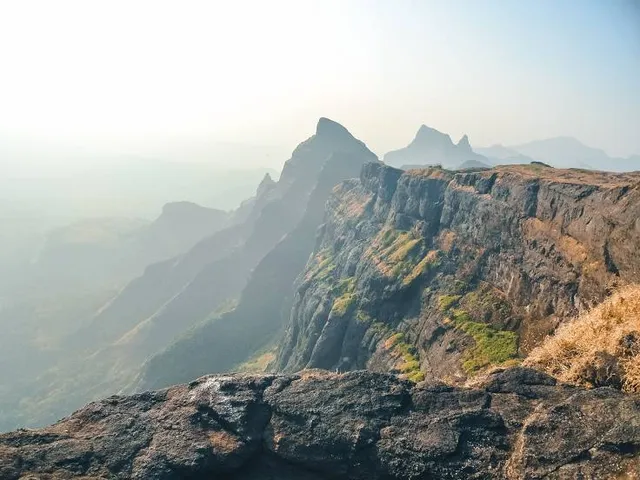
Kokankada: This cliff faces west, offering stunning views of the Konkan region. It's famous for the Brocken spectre phenomenon, where a circular rainbow can be seen. The cliff also experiences a rare vertical cloud burst, creating a wall-like effect.

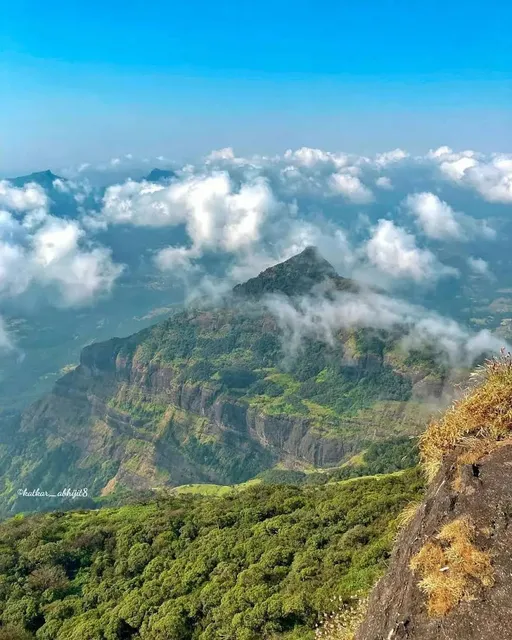
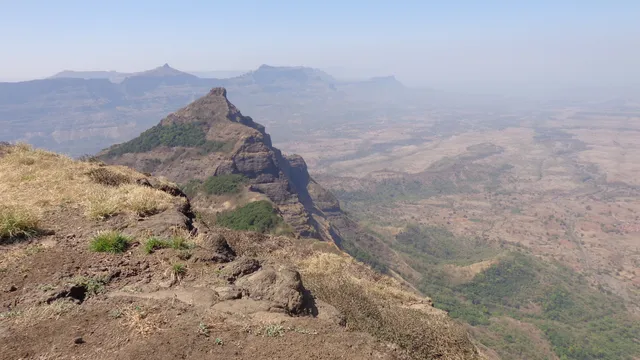
Taramati Peak: The highest point on the fort, standing at 1,429 meters, offers panoramic views of the surrounding regions. The forests around Taramati are home to leopards.

Caves on Harishchandragad: The fort is dotted with caves, some of which are near the base of Taramati Peak, the temple, and the citadel. These caves often serve as shelters for trekkers.

Nageshwar Temple (near Khireshwar): This ancient temple is known for its intricate carvings and a rare sculpture of Lord Vishnu in a sleeping posture.

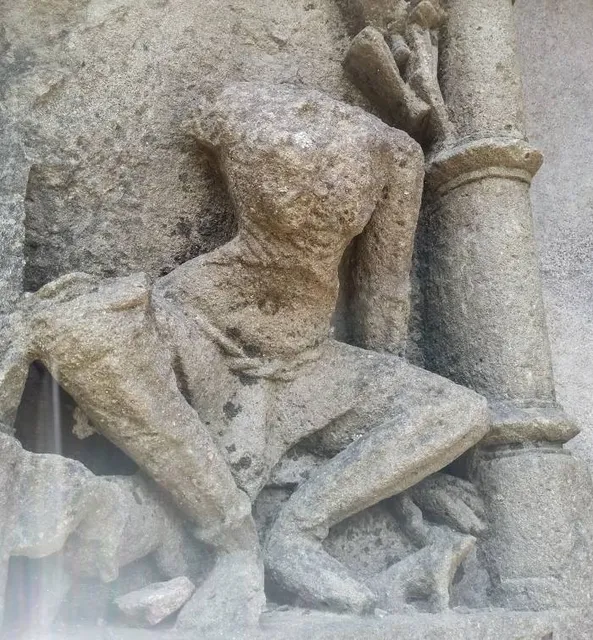
Ganapati and Harishchandreshwar Temples: These temples are fine examples of ancient stone carving. The Harishchandreshwar Temple is about 16 meters high, surrounded by caves and water tanks. The Mangal Ganga River is believed to originate from one of these tanks.

Trekking Tips: During the monsoon, be extra careful when trekking along the rock face after Tolar Khind, especially at night.

How to Get There (for Trekkers): From Pune: Take an early morning bus from Shivajinagar to Kalwan via Nasik, then catch another bus to Kalyan from Ale-Phata, and get off at Khubi-Phata Village. Walk to Khireshwar, the base village, which takes about an hour. Returning to Pune: Buses are available from Khubi Phata village around 5:30 pm.

Trek Information: Type: Hill fort District: Where the boundaries of Thane, Pune, and Ahmednagar districts meet Grade: Medium Time to Reach: From Pachnai: 3 hours From Khireshwar: 5 hours From Belpada: 2 days

This fort offers a mix of history, culture, and adventure, making it a fascinating destination for trekkers and history enthusiasts...

   Read more

avatar
5.0
5y

Harishchandragad – “A trek to remember”

I don’t know how to limit my words and write an experience about this beautiful, legendary and a grand trekking place - Harishchandragad I had been to. After I entered into photography and exploring, I decided to go on an adventure spree on every weekend to live my life as if there’s no tomorrow. After trekking to various places at Maharashtra what came on my to-go list was Harishchandragad, may be due to its elevation and I had heard that it is a dream trek on the itinerary of every avid trekker who loves Sahyadri and likes to explore the beauty of nature around him/her.

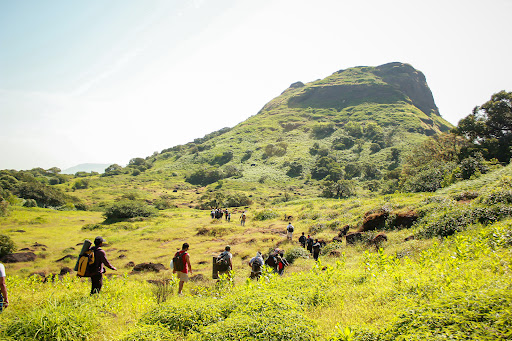
Harishchandragad trek is one of the best trek that can be done in the Sahyadris having 3 different routes all having different levels of difficulty viz. Nalichi vat (very difficult), Khireshwar (moderate) and Paachnai (easy). In spite of it being May and the May heat I decided to trek but from the easy route. The base village was small having not more than 10-12 houses and a school. Here you will find people staring you out of curiosity and after you talk to them or smile at them, a million dollar smile will come up. The people there can speak only in Marathi and broken Hindi and since I can speak in Marathi I connected with them in no time.

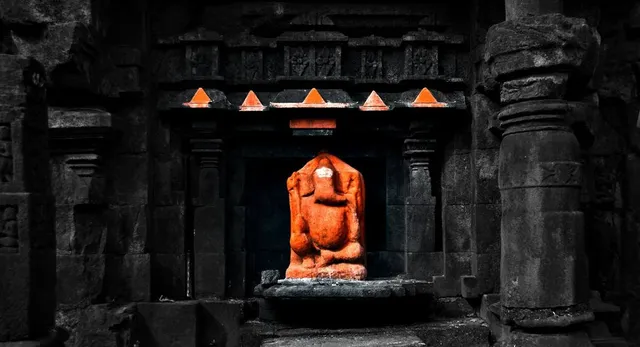
After having sumptuous breakfast of kanda pohe and chai, I started my trek with lots of excitement and expectation from the place. It was an easy 2 hour trek with exotic mountains covering all the sides of the village which immediately reminded me “Wall of the North" from the movie Game of thrones. What caught my eyes after half way was the exotic temple of Harischandreshwar having idol of Lord Ganesha. To the left of the temple is a well-built lake called “Saptatirtha” and near that is a temple-like construction where there were idols of Lord Vishnu. Recently these idols have been shifted in the caves near the temple of Harishchandreshwar.

To the right was Kedareshwar cave having the famed Shiva which is currently supported on one pillar! 3 pillars have broken. It is said and believed that when the 4th one breaks, the Kali Yuga (a period of time in Hindu mythology; the one we are currently living in) will come to an end. Did I wade through and stood beneath those pillar? Positive! :D

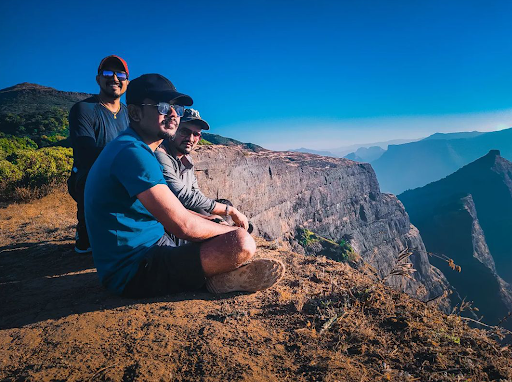
After taking a short break near the temple, I started trekking for the final destination i.e. Konkan Kada. The first sight of this destination unfolding slowly right in front of my eyes didn’t made me believe its existence. It is a semi-circle overhanging cliff offering serous jaw dropping view of vast fields and mountains far away. The sunset to the eastern part was worth watching and the rush of winds made it difficult to even stand. The blue sky got a burst & was set on fire with the riot of yellow & orange color.

I had taken a group so we happened to pitch our tents and have our dinner of bhakari, vaangi bhaji, thecha, pickle & dal rice with campfire besides. Trust me having dinner on the top of 4000 feet height with campfire, moonlit sky and twinkling stars was much better than your rooftop candle light dinner!

The sunrise in the morning was equally beautiful than the sunset and had a similar view like we used to draw the sun rising through two mountains with small huts and lake around in our childhood. After watching the sunrise, I had my breakfast & started descending with a wonderful experience & expectations which...

   Read more
Page 1 of 7
Previous
Next

Posts

Rahul Jadhav RjRahul Jadhav Rj
Harishchandra Fort is situated in the Ahmednagar district of Maharashtra, near the borders of Thane and Pune districts. It’s about 200 kilometers from Mumbai and 170 kilometers from Pune. The base village for the trek is Khireshwar, which can be reached by road. The journey to the base village offers scenic views, but the roads can be a bit challenging, especially during the monsoon season. Trek Experience The trek to Harishchandra Fort is known for its challenging yet rewarding nature. There are multiple routes to reach the fort, with the Khireshwar route being the most popular: Difficulty Level: The trek is moderately difficult, making it suitable for experienced trekkers. Beginners should be prepared for a strenuous climb. Trail Condition: The trail is well-marked but includes steep ascents, rocky patches, and narrow paths. The monsoon season adds to the difficulty with slippery trails. Duration: The trek usually takes about 4 to 6 hours to reach the top, depending on the route and your pace. Scenery: The trek offers stunning views of the Western Ghats, dense forests, and beautiful valleys. The experience is especially breathtaking during the monsoon and winter seasons. Fort and Attractions Harishchandra Fort is not just a trekking destination but also a place of historical and natural significance: Konkan Kada: This is the most famous spot on Harishchandragad. It’s a vertical cliff offering spectacular views of the surrounding landscape and an incredible sunset view. It’s also popular for camping. Caves and Temples: The fort houses ancient caves, including the Kedareshwar Cave, which contains a large Shivalinga surrounded by water. There are also several small temples, the most notable being the Harishchandreshwar Temple, which showcases the architectural prowess of the past. Taramati Peak: This is the highest point on the fort and offers panoramic views. It’s a bit of a climb from the main plateau but worth the effort. Saptatirtha Pushkarni: A series of small water tanks near the temple area, believed to have been used for ritual baths in ancient times. Facilities and Amenities Given its remote location, the facilities at Harishchandra Fort are minimal: Shelters: There are several caves and makeshift shelters where trekkers can stay overnight. Carrying your own camping gear is advisable if you plan to camp. Water: Natural water sources are available, but it’s recommended to carry your own drinking water, especially during the summer months. Food: There are small stalls in the base village and occasionally along the trail that offer basic food items. It’s best to carry your own snacks and meals. Cleanliness and Maintenance The fort and its surroundings are relatively clean, thanks to efforts by trekking groups and individual trekkers. However, it’s crucial for visitors to follow the “leave no trace” principle and take their trash back with them. Safety Measures Trekking to Harishchandra Fort requires caution and preparation: Footwear: Wear sturdy, comfortable trekking shoes with a good grip to navigate the rocky and sometimes slippery terrain. Weather: Check the weather forecast before you go, as the trail can become particularly challenging during heavy rains. Guides: While the trail is generally well-marked, hiring a local guide can be beneficial, especially for first-time trekkers. Areas for Improvement While the overall experience is fantastic, there are a few areas where improvements could enhance the trek: Signage: More signboards with historical information and directions would be helpful for trekkers. Amenities: Improved restroom facilities and designated camping spots could make the experience more comfortable. Waste Management: Enhanced waste management systems to ensure the pristine condition of the fort and surrounding areas.
Vikram PataskarVikram Pataskar
Harishchandragad Fort is a historic hill fort in the Ahilyanagar (Ahmednagar) district of Maharashtra, India. It has a rich history, closely connected with the nearby areas of Malshej Ghat and Kothale village. The fort played an important role in controlling the region. Historical Significance: Harishchandragad Fort is ancient, with evidence of early human settlements in the area. References to the fort can be found in ancient texts like the Matsyapurana, Agnipurana, and Skandapurana, suggesting it was built around the 6th century during the Kalachuri dynasty. The fort's citadel dates back to this time, while the caves featuring Lord Vishnu's idols were likely carved in the 11th century. Although the cliffs are named Taramati and Rohidas, they have no connection to Ayodhya. In the 14th century, the sage Changdev meditated here, known for his work *Tatvasaar*. Over the years, the fort was controlled by the Mahadev Koli tribe, taken by the Mughals, and later captured by the Marathas in 1747. Places of Interest: 1. Saptatirtha Pushkarni: This is a well-built lake near the Harishchandreshwar Temple. The lake has structures housing idols of Lord Vishnu, which have been moved to nearby caves. The area has suffered from littering, and the once-drinkable water is now unsuitable for swimming. 2. Kedareshwar Cave: Located near the Harishchandreshwar Temple, this large cave has a Shiva Linga surrounded by ice-cold water. The cave is beautifully carved, but accessing the Shiva Linga is difficult due to the cold water. The cave is inaccessible during the monsoon due to flooding. 3. Kokankada: This cliff faces west, offering stunning views of the Konkan region. It's famous for the Brocken spectre phenomenon, where a circular rainbow can be seen. The cliff also experiences a rare vertical cloud burst, creating a wall-like effect. 4. Taramati Peak: The highest point on the fort, standing at 1,429 meters, offers panoramic views of the surrounding regions. The forests around Taramati are home to leopards. 5. Caves on Harishchandragad: The fort is dotted with caves, some of which are near the base of Taramati Peak, the temple, and the citadel. These caves often serve as shelters for trekkers. 6. Nageshwar Temple (near Khireshwar): This ancient temple is known for its intricate carvings and a rare sculpture of Lord Vishnu in a sleeping posture. 7. Ganapati and Harishchandreshwar Temples: These temples are fine examples of ancient stone carving. The Harishchandreshwar Temple is about 16 meters high, surrounded by caves and water tanks. The Mangal Ganga River is believed to originate from one of these tanks. Trekking Tips: During the monsoon, be extra careful when trekking along the rock face after Tolar Khind, especially at night. How to Get There (for Trekkers): - From Pune: Take an early morning bus from Shivajinagar to Kalwan via Nasik, then catch another bus to Kalyan from Ale-Phata, and get off at Khubi-Phata Village. Walk to Khireshwar, the base village, which takes about an hour. - Returning to Pune: Buses are available from Khubi Phata village around 5:30 pm. Trek Information: - Type: Hill fort - District: Where the boundaries of Thane, Pune, and Ahmednagar districts meet - Grade: Medium - Time to Reach: - From Pachnai: 3 hours - From Khireshwar: 5 hours - From Belpada: 2 days This fort offers a mix of history, culture, and adventure, making it a fascinating destination for trekkers and history enthusiasts alike. (Vikram Pataskar)
Mayur AgrawalMayur Agrawal
Harishchandragad – “A trek to remember” I don’t know how to limit my words and write an experience about this beautiful, legendary and a grand trekking place - Harishchandragad I had been to. After I entered into photography and exploring, I decided to go on an adventure spree on every weekend to live my life as if there’s no tomorrow. After trekking to various places at Maharashtra what came on my to-go list was Harishchandragad, may be due to its elevation and I had heard that it is a dream trek on the itinerary of every avid trekker who loves Sahyadri and likes to explore the beauty of nature around him/her. Harishchandragad trek is one of the best trek that can be done in the Sahyadris having 3 different routes all having different levels of difficulty viz. Nalichi vat (very difficult), Khireshwar (moderate) and Paachnai (easy). In spite of it being May and the May heat I decided to trek but from the easy route. The base village was small having not more than 10-12 houses and a school. Here you will find people staring you out of curiosity and after you talk to them or smile at them, a million dollar smile will come up. The people there can speak only in Marathi and broken Hindi and since I can speak in Marathi I connected with them in no time. After having sumptuous breakfast of kanda pohe and chai, I started my trek with lots of excitement and expectation from the place. It was an easy 2 hour trek with exotic mountains covering all the sides of the village which immediately reminded me “Wall of the North" from the movie Game of thrones. What caught my eyes after half way was the exotic temple of Harischandreshwar having idol of Lord Ganesha. To the left of the temple is a well-built lake called “Saptatirtha” and near that is a temple-like construction where there were idols of Lord Vishnu. Recently these idols have been shifted in the caves near the temple of Harishchandreshwar. To the right was Kedareshwar cave having the famed Shiva which is currently supported on one pillar! 3 pillars have broken. It is said and believed that when the 4th one breaks, the Kali Yuga (a period of time in Hindu mythology; the one we are currently living in) will come to an end. Did I wade through and stood beneath those pillar? Positive! :D After taking a short break near the temple, I started trekking for the final destination i.e. Konkan Kada. The first sight of this destination unfolding slowly right in front of my eyes didn’t made me believe its existence. It is a semi-circle overhanging cliff offering serous jaw dropping view of vast fields and mountains far away. The sunset to the eastern part was worth watching and the rush of winds made it difficult to even stand. The blue sky got a burst & was set on fire with the riot of yellow & orange color. I had taken a group so we happened to pitch our tents and have our dinner of bhakari, vaangi bhaji, thecha, pickle & dal rice with campfire besides. Trust me having dinner on the top of 4000 feet height with campfire, moonlit sky and twinkling stars was much better than your rooftop candle light dinner! The sunrise in the morning was equally beautiful than the sunset and had a similar view like we used to draw the sun rising through two mountains with small huts and lake around in our childhood. After watching the sunrise, I had my breakfast & started descending with a wonderful experience & expectations which marked reality.
See more posts
See more posts
hotel
Find your stay

Pet-friendly Hotels in Maharashtra

Find a cozy hotel nearby and make it a full experience.

Harishchandra Fort is situated in the Ahmednagar district of Maharashtra, near the borders of Thane and Pune districts. It’s about 200 kilometers from Mumbai and 170 kilometers from Pune. The base village for the trek is Khireshwar, which can be reached by road. The journey to the base village offers scenic views, but the roads can be a bit challenging, especially during the monsoon season. Trek Experience The trek to Harishchandra Fort is known for its challenging yet rewarding nature. There are multiple routes to reach the fort, with the Khireshwar route being the most popular: Difficulty Level: The trek is moderately difficult, making it suitable for experienced trekkers. Beginners should be prepared for a strenuous climb. Trail Condition: The trail is well-marked but includes steep ascents, rocky patches, and narrow paths. The monsoon season adds to the difficulty with slippery trails. Duration: The trek usually takes about 4 to 6 hours to reach the top, depending on the route and your pace. Scenery: The trek offers stunning views of the Western Ghats, dense forests, and beautiful valleys. The experience is especially breathtaking during the monsoon and winter seasons. Fort and Attractions Harishchandra Fort is not just a trekking destination but also a place of historical and natural significance: Konkan Kada: This is the most famous spot on Harishchandragad. It’s a vertical cliff offering spectacular views of the surrounding landscape and an incredible sunset view. It’s also popular for camping. Caves and Temples: The fort houses ancient caves, including the Kedareshwar Cave, which contains a large Shivalinga surrounded by water. There are also several small temples, the most notable being the Harishchandreshwar Temple, which showcases the architectural prowess of the past. Taramati Peak: This is the highest point on the fort and offers panoramic views. It’s a bit of a climb from the main plateau but worth the effort. Saptatirtha Pushkarni: A series of small water tanks near the temple area, believed to have been used for ritual baths in ancient times. Facilities and Amenities Given its remote location, the facilities at Harishchandra Fort are minimal: Shelters: There are several caves and makeshift shelters where trekkers can stay overnight. Carrying your own camping gear is advisable if you plan to camp. Water: Natural water sources are available, but it’s recommended to carry your own drinking water, especially during the summer months. Food: There are small stalls in the base village and occasionally along the trail that offer basic food items. It’s best to carry your own snacks and meals. Cleanliness and Maintenance The fort and its surroundings are relatively clean, thanks to efforts by trekking groups and individual trekkers. However, it’s crucial for visitors to follow the “leave no trace” principle and take their trash back with them. Safety Measures Trekking to Harishchandra Fort requires caution and preparation: Footwear: Wear sturdy, comfortable trekking shoes with a good grip to navigate the rocky and sometimes slippery terrain. Weather: Check the weather forecast before you go, as the trail can become particularly challenging during heavy rains. Guides: While the trail is generally well-marked, hiring a local guide can be beneficial, especially for first-time trekkers. Areas for Improvement While the overall experience is fantastic, there are a few areas where improvements could enhance the trek: Signage: More signboards with historical information and directions would be helpful for trekkers. Amenities: Improved restroom facilities and designated camping spots could make the experience more comfortable. Waste Management: Enhanced waste management systems to ensure the pristine condition of the fort and surrounding areas.
Rahul Jadhav Rj

Rahul Jadhav Rj

hotel
Find your stay

Affordable Hotels in Maharashtra

Find a cozy hotel nearby and make it a full experience.

Get the Appoverlay
Get the AppOne tap to find yournext favorite spots!
Harishchandragad Fort is a historic hill fort in the Ahilyanagar (Ahmednagar) district of Maharashtra, India. It has a rich history, closely connected with the nearby areas of Malshej Ghat and Kothale village. The fort played an important role in controlling the region. Historical Significance: Harishchandragad Fort is ancient, with evidence of early human settlements in the area. References to the fort can be found in ancient texts like the Matsyapurana, Agnipurana, and Skandapurana, suggesting it was built around the 6th century during the Kalachuri dynasty. The fort's citadel dates back to this time, while the caves featuring Lord Vishnu's idols were likely carved in the 11th century. Although the cliffs are named Taramati and Rohidas, they have no connection to Ayodhya. In the 14th century, the sage Changdev meditated here, known for his work *Tatvasaar*. Over the years, the fort was controlled by the Mahadev Koli tribe, taken by the Mughals, and later captured by the Marathas in 1747. Places of Interest: 1. Saptatirtha Pushkarni: This is a well-built lake near the Harishchandreshwar Temple. The lake has structures housing idols of Lord Vishnu, which have been moved to nearby caves. The area has suffered from littering, and the once-drinkable water is now unsuitable for swimming. 2. Kedareshwar Cave: Located near the Harishchandreshwar Temple, this large cave has a Shiva Linga surrounded by ice-cold water. The cave is beautifully carved, but accessing the Shiva Linga is difficult due to the cold water. The cave is inaccessible during the monsoon due to flooding. 3. Kokankada: This cliff faces west, offering stunning views of the Konkan region. It's famous for the Brocken spectre phenomenon, where a circular rainbow can be seen. The cliff also experiences a rare vertical cloud burst, creating a wall-like effect. 4. Taramati Peak: The highest point on the fort, standing at 1,429 meters, offers panoramic views of the surrounding regions. The forests around Taramati are home to leopards. 5. Caves on Harishchandragad: The fort is dotted with caves, some of which are near the base of Taramati Peak, the temple, and the citadel. These caves often serve as shelters for trekkers. 6. Nageshwar Temple (near Khireshwar): This ancient temple is known for its intricate carvings and a rare sculpture of Lord Vishnu in a sleeping posture. 7. Ganapati and Harishchandreshwar Temples: These temples are fine examples of ancient stone carving. The Harishchandreshwar Temple is about 16 meters high, surrounded by caves and water tanks. The Mangal Ganga River is believed to originate from one of these tanks. Trekking Tips: During the monsoon, be extra careful when trekking along the rock face after Tolar Khind, especially at night. How to Get There (for Trekkers): - From Pune: Take an early morning bus from Shivajinagar to Kalwan via Nasik, then catch another bus to Kalyan from Ale-Phata, and get off at Khubi-Phata Village. Walk to Khireshwar, the base village, which takes about an hour. - Returning to Pune: Buses are available from Khubi Phata village around 5:30 pm. Trek Information: - Type: Hill fort - District: Where the boundaries of Thane, Pune, and Ahmednagar districts meet - Grade: Medium - Time to Reach: - From Pachnai: 3 hours - From Khireshwar: 5 hours - From Belpada: 2 days This fort offers a mix of history, culture, and adventure, making it a fascinating destination for trekkers and history enthusiasts alike. (Vikram Pataskar)
Vikram Pataskar

Vikram Pataskar

hotel
Find your stay

The Coolest Hotels You Haven't Heard Of (Yet)

Find a cozy hotel nearby and make it a full experience.

hotel
Find your stay

Trending Stays Worth the Hype in Maharashtra

Find a cozy hotel nearby and make it a full experience.

Harishchandragad – “A trek to remember” I don’t know how to limit my words and write an experience about this beautiful, legendary and a grand trekking place - Harishchandragad I had been to. After I entered into photography and exploring, I decided to go on an adventure spree on every weekend to live my life as if there’s no tomorrow. After trekking to various places at Maharashtra what came on my to-go list was Harishchandragad, may be due to its elevation and I had heard that it is a dream trek on the itinerary of every avid trekker who loves Sahyadri and likes to explore the beauty of nature around him/her. Harishchandragad trek is one of the best trek that can be done in the Sahyadris having 3 different routes all having different levels of difficulty viz. Nalichi vat (very difficult), Khireshwar (moderate) and Paachnai (easy). In spite of it being May and the May heat I decided to trek but from the easy route. The base village was small having not more than 10-12 houses and a school. Here you will find people staring you out of curiosity and after you talk to them or smile at them, a million dollar smile will come up. The people there can speak only in Marathi and broken Hindi and since I can speak in Marathi I connected with them in no time. After having sumptuous breakfast of kanda pohe and chai, I started my trek with lots of excitement and expectation from the place. It was an easy 2 hour trek with exotic mountains covering all the sides of the village which immediately reminded me “Wall of the North" from the movie Game of thrones. What caught my eyes after half way was the exotic temple of Harischandreshwar having idol of Lord Ganesha. To the left of the temple is a well-built lake called “Saptatirtha” and near that is a temple-like construction where there were idols of Lord Vishnu. Recently these idols have been shifted in the caves near the temple of Harishchandreshwar. To the right was Kedareshwar cave having the famed Shiva which is currently supported on one pillar! 3 pillars have broken. It is said and believed that when the 4th one breaks, the Kali Yuga (a period of time in Hindu mythology; the one we are currently living in) will come to an end. Did I wade through and stood beneath those pillar? Positive! :D After taking a short break near the temple, I started trekking for the final destination i.e. Konkan Kada. The first sight of this destination unfolding slowly right in front of my eyes didn’t made me believe its existence. It is a semi-circle overhanging cliff offering serous jaw dropping view of vast fields and mountains far away. The sunset to the eastern part was worth watching and the rush of winds made it difficult to even stand. The blue sky got a burst & was set on fire with the riot of yellow & orange color. I had taken a group so we happened to pitch our tents and have our dinner of bhakari, vaangi bhaji, thecha, pickle & dal rice with campfire besides. Trust me having dinner on the top of 4000 feet height with campfire, moonlit sky and twinkling stars was much better than your rooftop candle light dinner! The sunrise in the morning was equally beautiful than the sunset and had a similar view like we used to draw the sun rising through two mountains with small huts and lake around in our childhood. After watching the sunrise, I had my breakfast & started descending with a wonderful experience & expectations which marked reality.
Mayur Agrawal

Mayur Agrawal

See more posts
See more posts