HTML SitemapExplore
logo
Find Things to DoFind The Best Restaurants

Kadyawaril Shri Ganapati mandir Anjarle — Attraction in Maharashtra

Name
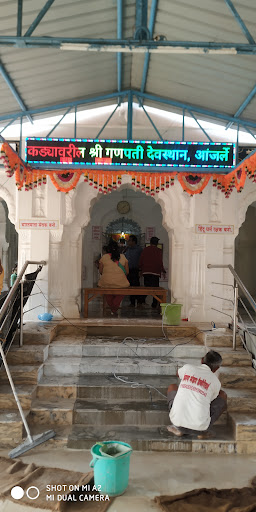
Kadyawaril Shri Ganapati mandir Anjarle
Description
Nearby attractions
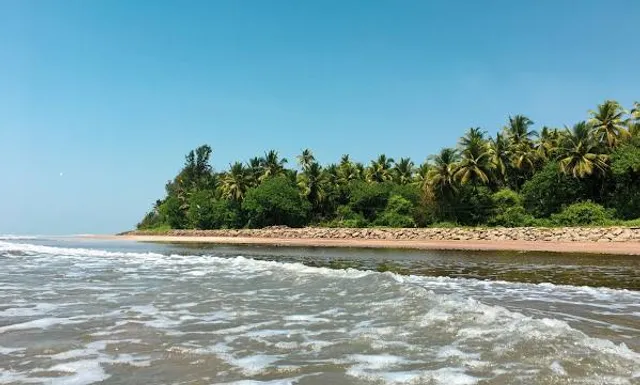
Anjarle Beach
Maharashtra 415714, India
Anjarle Turtle Festival
Anjarle, Maharashtra 415714, India
Nearby restaurants
Nearby hotels
Ketki Wadi Beach Resort
R3XQ+X4J, Anjarle, Dapoli, Maharashtra 415714, India
Hammock Beach Resort Anjarle LLP
Anjarle - Aade Road, Near Durga Devi Temple, Anjarla, Dapoli, Maharashtra 415714, India
Durvankur Homestay
Bhandarwada, near beach, behind Vittal temple, Anjarle, Maharashtra 415714, India
Coconut Homestay Anjarle
near Vittal Mandir, Anjarle, Maharashtra 415714, India
OYO Ketki Wadi
Ketki wadi Anjarle Aade Rd, near ketki beach resort, Anjarle, Dapoli, Maharashtra 415714, India
Todankar's Jai Shree Bhandari
Anjarle - Aade Rd, Anjarle, Maharashtra 415714, India
SHREE SIDDHI VINAYAK HOME STAY
Anjarle, Maharashtra 415714, India
Samudra Gaaj Beach Resort
R3VR+XJ2, Post, near Tari Bandar, Bhandarwada, Anjarle, Dapoli, Maharashtra 415714, India
arihant homestay
Tari bandar, At post Anjarle, Dapoli, Ratnagiri, Maharashtra 415714, India
Related posts
Keywords
Kadyawaril Shri Ganapati mandir Anjarle tourism.Kadyawaril Shri Ganapati mandir Anjarle hotels.Kadyawaril Shri Ganapati mandir Anjarle bed and breakfast. flights to Kadyawaril Shri Ganapati mandir Anjarle.Kadyawaril Shri Ganapati mandir Anjarle attractions.Kadyawaril Shri Ganapati mandir Anjarle restaurants.Kadyawaril Shri Ganapati mandir Anjarle travel.Kadyawaril Shri Ganapati mandir Anjarle travel guide.Kadyawaril Shri Ganapati mandir Anjarle travel blog.Kadyawaril Shri Ganapati mandir Anjarle pictures.Kadyawaril Shri Ganapati mandir Anjarle photos.Kadyawaril Shri Ganapati mandir Anjarle travel tips.Kadyawaril Shri Ganapati mandir Anjarle maps.Kadyawaril Shri Ganapati mandir Anjarle things to do.
Kadyawaril Shri Ganapati mandir Anjarle things to do, attractions, restaurants, events info and trip planning
Kadyawaril Shri Ganapati mandir Anjarle
IndiaMaharashtraKadyawaril Shri Ganapati mandir Anjarle

Basic Info

Kadyawaril Shri Ganapati mandir Anjarle

V32R+JWM, Murdi-Anjarle Khadipulmarge Kadyavaril Ganapati Mandir Marg, Anjarle, Maharashtra 415714, India
4.7(950)
Open 24 hours
Save
spot

Ratings & Description

Info

Cultural
Family friendly
attractions: Anjarle Beach, Anjarle Turtle Festival, restaurants:
logoLearn more insights from Wanderboat AI.

Plan your stay

hotel
Pet-friendly Hotels in Maharashtra
Find a cozy hotel nearby and make it a full experience.
hotel
Affordable Hotels in Maharashtra
Find a cozy hotel nearby and make it a full experience.
hotel
The Coolest Hotels You Haven't Heard Of (Yet)
Find a cozy hotel nearby and make it a full experience.
hotel
Trending Stays Worth the Hype in Maharashtra
Find a cozy hotel nearby and make it a full experience.

Reviews

Nearby attractions of Kadyawaril Shri Ganapati mandir Anjarle

Anjarle Beach

Anjarle Turtle Festival

Anjarle Beach

Anjarle Beach

4.6

(599)

Open 24 hours
Click for details
Anjarle Turtle Festival

Anjarle Turtle Festival

4.5

(81)

Closed
Click for details
Get the Appoverlay
Get the AppOne tap to find yournext favorite spots!
Wanderboat LogoWanderboat

Your everyday Al companion for getaway ideas

CompanyAbout Us
InformationAI Trip PlannerSitemap
SocialXInstagramTiktokLinkedin
LegalTerms of ServicePrivacy Policy

Get the app

© 2025 Wanderboat. All rights reserved.
logo

Reviews of Kadyawaril Shri Ganapati mandir Anjarle

4.7
(950)
avatar
5.0
51w

Dapoli taluka in Ratanagiri district is home to a historical fort named Suvarnadurg which is located at the mouth of the river Jog. Near the fort stands Anjarle seaport which is named after the scenic village it is in, which is 20Kms away from Dapoli. In the same village, stands the famous temple named Kadyavarcha Ganpati. This temple is one of the most famous tourist attractions in Konkan. This place which once was extremely hard to reach is now easily accessible by a road which is adorned with natural diversity.

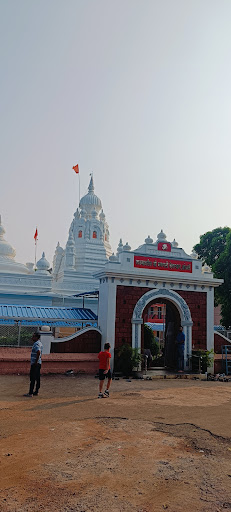
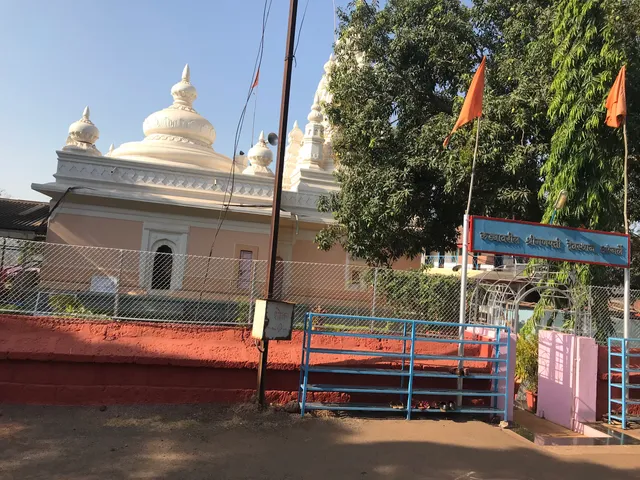
The idol at this temple differs from most other representations of the elephant-headed god, in that its trunk curves right, rather than the usual left. This is known as a Ujwya Sondecha Ganpati (Marathi: right-trunked Ganpati). The idol is also said to be a jagrut daiwat (Marathi: live deity), who responds to the pleas of its supplicants (nawsala pavnara Ganpati). The temple has a stone staircase on the right to reach the top of the temple (the Kalas), which has a commanding view of the surrounding coconut and betel nut trees, the nearby Suvarnadurg Fort, the Arabian Sea and surrounding hills.

There are many rumors about the origins of this temple, but unfortunately there is no evidence to shed a light on it. If we were to consider the information received from many fables, then this temple’s creation traces back to the 12th century, and the old structure of this temple was made completely out of wood. The administration of this temple has been with the ‘Nisture’ family from the year 1630. As per the fables, this temple was at the seashore in the ancient days. The same sea shore was home to two other temples of Ajayrayleshwar & Siddhivinayak.

You can still see the remains of these two temples (Ajayrayleshwar & Siddhivinayak) when there is a low tide and the water level decreases. Considering the damage caused by these natural factors (high/low tide) the Ganpati mandir was repositioned at the nearest hill top; hence the name Kadyavarcha Ganpati. This was probably done between 1768 and 1780. When the temple was repositioned, it was made of laterite stone. The temple has a 3 tier structure and to reach the temple one has to climb a good 200 stairs. To suit the modern needs, a way for four wheelers too has been made.

While reviving the temple, its black stone was plastered which made it appear white. The temple’s yard is extensive with Lord Ganpati’s statue at its center and Lord Shiva’s statue beside it. Adding beauty to the temple is a small but serene pond right opposite the temple, which has an old Bakul tree at its banks. In 1980 the temple celebrated its 200th anniversary. This 65 foot long temple has a surface area of 50×40 foot. Even though the temple’s architecture style is mixed in nature, after careful observation, one would see that it is majorly influenced by medieval and modern architecture styles. The temple has an edge almost as big as a full grown man. The temple has 16 smaller Kalas apart from the main Kalas (top pointed structure) over the main hall. The main Kalas has the Ashtavinayaks(eight holy forms of Ganpati)carved on it. The temple’s complete structure which consists of a main hall, an assembly hall and a yard, has two doors. One door is of 60 foot, while the other is 40 foot large. The assembly hall of the temple has 8 arches and a dome structured roof. The centers of these domes are adorned by a beautiful lotus flower structure. The idol of Lord Ganpati in this temple leaves an impression on anyone who sets eyes on it. It has a trunk folded to the right hand while the lord can be seen sitting on a stone throne of almost 5 feet. This idol being made from black stone is adorned by small idols of his wives Riddhi and Siddhi, on its left and right side. As told by the old people, this idol is made the Pathavats (a local clan of sculptors). Maghi Ganesh Utsav is the most important festivals celebrated at this temple as it marks the birth of Lord Ganpati. This beautiful temple right opposite to the famous Suvarnadurg fort is spot for many beautiful...

   Read more
avatar
5.0
46w

Nestled in the tranquil village of Anjarle, Maharashtra, the Kadyawaril Shri Ganapati Temple stands as an embodiment of spiritual serenity and cultural heritage. This temple, dedicated to Lord Ganesha, is one of the most revered and visited landmarks in the region. Situated amidst lush greenery, the temple offers visitors not only a sacred place of worship but also a scenic retreat away from the bustle of city life.

Location and Accessibility: The Kadyawaril Shri Ganapati Temple is strategically located on a hilltop overlooking the vast Arabian Sea, giving it a striking visual appeal. It is approximately 10 km from Dapoli, a larger town in Ratnagiri district, making it accessible by road from nearby towns. The temple can be reached via a scenic route that winds through lush forests and hilly terrain, with several points offering breathtaking views of the coastline. While the final ascent to the temple involves climbing a set of stairs, it is not overly strenuous, and the peaceful surroundings make it a rewarding experience.

Architectural Beauty: The temple’s architecture follows traditional Konkani styles, featuring intricate woodwork, decorative carvings, and a simplistic yet elegant design. The shrine is relatively small but has a serene ambiance that attracts devotees looking for spiritual solace. The wooden pillars and walls adorned with carvings of Hindu deities and motifs reflect the region’s rich cultural heritage. The temple’s design encourages a sense of tranquility, with ample space for visitors to sit and reflect.

The Idol of Lord Ganesha: The highlight of the Kadyawaril Shri Ganapati Temple is the revered idol of Lord Ganesha, which is said to have been discovered in the area many centuries ago. The idol is unique, with an intricately carved form of the elephant-headed god that is both awe-inspiring and peaceful. Devotees believe that the idol has miraculous powers, and many come to offer prayers, seeking blessings for prosperity, health, and success. The temple has an aura of divine grace, and the idol’s presence invokes a deep sense of devotion and reverence among visitors.

Spiritual Atmosphere: The Kadyawaril Shri Ganapati Temple offers a peaceful spiritual atmosphere that makes it a perfect destination for worshippers, pilgrims, and those seeking quiet contemplation. The natural beauty surrounding the temple enhances the overall experience, creating an ideal environment for meditative practices. Visitors often speak of the calm, almost ethereal vibe that pervades the area, with the sounds of the waves crashing on the shore and the rustling of leaves providing a soothing background.

The temple is open throughout the day, but early morning visits are particularly popular due to the tranquility and the breathtaking views as the sun rises over the horizon. During the Ganesh Chaturthi festival, the temple sees an influx of devotees who come to offer prayers, participate in rituals, and celebrate with great enthusiasm.

Cultural and Religious Significance: The Kadyawaril Shri Ganapati Temple holds immense religious and cultural significance in the region. It is an integral part of the local community’s spiritual life, with devotees flocking here during auspicious occasions and to fulfill vows. The temple also serves as a focal point for regional festivals, particularly Ganesh Chaturthi, when the temple is beautifully decorated, and various religious ceremonies are conducted with grandeur.

In addition to its religious significance, the temple is a symbol of the community’s deep-rooted cultural traditions. Local fairs and religious events take place here regularly, fostering a sense of unity and belonging among the residents of Anjarle and...

   Read more

avatar
5.0
2y

This temple is one of the most famous tourist attractions in Konkan. This place which once was extremely hard to reach is now easily accessible by a road which is adorned with natural diversity.

There are many rumors about the origins of this temple, but unfortunately there is no evidence to shed a light on it. If we were to consider the information received from many fables, then this temple’s creation traces back to the 12th century, and the old structure of this temple was made completely out of wood. The administration of this temple has been with the ‘Nisture’ family from the year 1630. As per the fables, this temple was at the seashore in the ancient days. The same sea shore was home to two other temples of Ajayrayleshwar & Siddhivinayak.

You can still see the remains of these two temples (Ajayrayleshwar & Siddhivinayak) when there is a low tide and the water level decreases. Considering the damage caused by these natural factors (high/low tide) the Ganpati mandir was repositioned at the nearest hill top; hence the name Kadyavarcha Ganpati. This was probably done between 1768 and 1780. When the temple was repositioned, it was made it laterite stone. The temple has a 3 tier structure and to reach to the temple one has to climb a good 200 stairs. To suit the modern needs, a way for four wheelers too has been made.

While reviving the temple, its black stone was plastered which made it appear white. The temple’s yard is extensive with Lord Ganpati’s statue at its center and Lord Shiva’s statue besides it. Adding beauty to the temple is a small but serene pond right opposite to the temple, which has an old Bakul tree at its banks. In 1980 the temple celebrated its 200th anniversary. This 65 foot long temple has a surface area of 50×40 foot. Even though the temple’s architecture style is mixed in nature, after careful observation, one would see that it is majorly influenced by medieval and modern architecture styles. The temple has an edge almost as big as a full grown man. The temple has 16 smaller Kalas apart from the main Kalas (top pointed structure) over the main hall. The main Kalas has the Ashtavinayaks(eight holy forms of Ganpati)carved on it. The temple’s complete structure which consists of a main hall, an assembly hall and a yard, has two doors. One door is of 60 foot, while the other is 40 foot large. The assembly hall of the temple has 8 arches and a dome structured roof. The centers of these domes are adorned by a beautiful lotus flower structure. The idol of Lord Ganpati in this temple leaves an impression on anyone who sets eyes on it. It has a trunk folded to the right hand while the lord can be seen sitting on a stone throne of almost 5 feet. This idol being made from black stone is adorned by small idols of his wives Riddhi and Siddhi, on its left and right side. As told by the old people, this idol is made the Pathavats (a local clan of sculptors). Maghi Ganesh Utsav is the most important festivals celebrated at this temple as it marks the birth of Lord Ganpati. This beautiful temple right opposite to the famous Suvarnadurg fort is spot for many beautiful sunsets, where one can procrastinate and understand the...

   Read more
Page 1 of 7
Previous
Next

Posts

Preity MPreity M
Dapoli taluka in Ratanagiri district is home to a historical fort named Suvarnadurg which is located at the mouth of the river Jog. Near the fort stands Anjarle seaport which is named after the scenic village it is in, which is 20Kms away from Dapoli. In the same village, stands the famous temple named Kadyavarcha Ganpati. This temple is one of the most famous tourist attractions in Konkan. This place which once was extremely hard to reach is now easily accessible by a road which is adorned with natural diversity. The idol at this temple differs from most other representations of the elephant-headed god, in that its trunk curves right, rather than the usual left. This is known as a Ujwya Sondecha Ganpati (Marathi: right-trunked Ganpati). The idol is also said to be a jagrut daiwat (Marathi: live deity), who responds to the pleas of its supplicants (nawsala pavnara Ganpati). The temple has a stone staircase on the right to reach the top of the temple (the Kalas), which has a commanding view of the surrounding coconut and betel nut trees, the nearby Suvarnadurg Fort, the Arabian Sea and surrounding hills. There are many rumors about the origins of this temple, but unfortunately there is no evidence to shed a light on it. If we were to consider the information received from many fables, then this temple’s creation traces back to the 12th century, and the old structure of this temple was made completely out of wood. The administration of this temple has been with the ‘Nisture’ family from the year 1630. As per the fables, this temple was at the seashore in the ancient days. The same sea shore was home to two other temples of Ajayrayleshwar & Siddhivinayak. You can still see the remains of these two temples (Ajayrayleshwar & Siddhivinayak) when there is a low tide and the water level decreases. Considering the damage caused by these natural factors (high/low tide) the Ganpati mandir was repositioned at the nearest hill top; hence the name Kadyavarcha Ganpati. This was probably done between 1768 and 1780. When the temple was repositioned, it was made of laterite stone. The temple has a 3 tier structure and to reach the temple one has to climb a good 200 stairs. To suit the modern needs, a way for four wheelers too has been made. While reviving the temple, its black stone was plastered which made it appear white. The temple’s yard is extensive with Lord Ganpati’s statue at its center and Lord Shiva’s statue beside it. Adding beauty to the temple is a small but serene pond right opposite the temple, which has an old Bakul tree at its banks. In 1980 the temple celebrated its 200th anniversary. This 65 foot long temple has a surface area of 50×40 foot. Even though the temple’s architecture style is mixed in nature, after careful observation, one would see that it is majorly influenced by medieval and modern architecture styles. The temple has an edge almost as big as a full grown man. The temple has 16 smaller Kalas apart from the main Kalas (top pointed structure) over the main hall. The main Kalas has the Ashtavinayaks(eight holy forms of Ganpati)carved on it. The temple’s complete structure which consists of a main hall, an assembly hall and a yard, has two doors. One door is of 60 foot, while the other is 40 foot large. The assembly hall of the temple has 8 arches and a dome structured roof. The centers of these domes are adorned by a beautiful lotus flower structure. The idol of Lord Ganpati in this temple leaves an impression on anyone who sets eyes on it. It has a trunk folded to the right hand while the lord can be seen sitting on a stone throne of almost 5 feet. This idol being made from black stone is adorned by small idols of his wives Riddhi and Siddhi, on its left and right side. As told by the old people, this idol is made the Pathavats (a local clan of sculptors). Maghi Ganesh Utsav is the most important festivals celebrated at this temple as it marks the birth of Lord Ganpati. This beautiful temple right opposite to the famous Suvarnadurg fort is spot for many beautiful sunsets, whe
Akshay WadelkarAkshay Wadelkar
Nestled in the tranquil village of Anjarle, Maharashtra, the Kadyawaril Shri Ganapati Temple stands as an embodiment of spiritual serenity and cultural heritage. This temple, dedicated to Lord Ganesha, is one of the most revered and visited landmarks in the region. Situated amidst lush greenery, the temple offers visitors not only a sacred place of worship but also a scenic retreat away from the bustle of city life. Location and Accessibility: The Kadyawaril Shri Ganapati Temple is strategically located on a hilltop overlooking the vast Arabian Sea, giving it a striking visual appeal. It is approximately 10 km from Dapoli, a larger town in Ratnagiri district, making it accessible by road from nearby towns. The temple can be reached via a scenic route that winds through lush forests and hilly terrain, with several points offering breathtaking views of the coastline. While the final ascent to the temple involves climbing a set of stairs, it is not overly strenuous, and the peaceful surroundings make it a rewarding experience. Architectural Beauty: The temple’s architecture follows traditional Konkani styles, featuring intricate woodwork, decorative carvings, and a simplistic yet elegant design. The shrine is relatively small but has a serene ambiance that attracts devotees looking for spiritual solace. The wooden pillars and walls adorned with carvings of Hindu deities and motifs reflect the region’s rich cultural heritage. The temple’s design encourages a sense of tranquility, with ample space for visitors to sit and reflect. The Idol of Lord Ganesha: The highlight of the Kadyawaril Shri Ganapati Temple is the revered idol of Lord Ganesha, which is said to have been discovered in the area many centuries ago. The idol is unique, with an intricately carved form of the elephant-headed god that is both awe-inspiring and peaceful. Devotees believe that the idol has miraculous powers, and many come to offer prayers, seeking blessings for prosperity, health, and success. The temple has an aura of divine grace, and the idol’s presence invokes a deep sense of devotion and reverence among visitors. Spiritual Atmosphere: The Kadyawaril Shri Ganapati Temple offers a peaceful spiritual atmosphere that makes it a perfect destination for worshippers, pilgrims, and those seeking quiet contemplation. The natural beauty surrounding the temple enhances the overall experience, creating an ideal environment for meditative practices. Visitors often speak of the calm, almost ethereal vibe that pervades the area, with the sounds of the waves crashing on the shore and the rustling of leaves providing a soothing background. The temple is open throughout the day, but early morning visits are particularly popular due to the tranquility and the breathtaking views as the sun rises over the horizon. During the Ganesh Chaturthi festival, the temple sees an influx of devotees who come to offer prayers, participate in rituals, and celebrate with great enthusiasm. Cultural and Religious Significance: The Kadyawaril Shri Ganapati Temple holds immense religious and cultural significance in the region. It is an integral part of the local community’s spiritual life, with devotees flocking here during auspicious occasions and to fulfill vows. The temple also serves as a focal point for regional festivals, particularly Ganesh Chaturthi, when the temple is beautifully decorated, and various religious ceremonies are conducted with grandeur. In addition to its religious significance, the temple is a symbol of the community’s deep-rooted cultural traditions. Local fairs and religious events take place here regularly, fostering a sense of unity and belonging among the residents of Anjarle and nearby villages.
PM VelankarPM Velankar
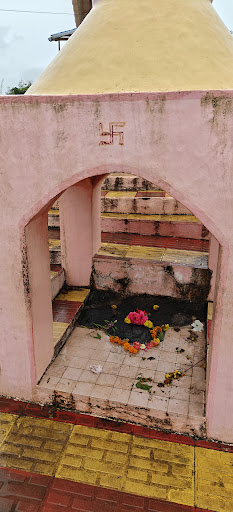
Kadyawaril Ganapati. Also called Kadyawarcha Ganapati. Basically, both mean the same thing: Ganapati on the cliff’s edge. As the name implies the temple is located at a top of a hill at the edge of a cliff. At one time the only way to the temple was by climbing the stairs. A few years back road has been constructed which leads up to the temple. As per the legend the temple in ancient times was located on the seashore. When due to climatic changes sea level started rising there was a possibility of the temple being submerged, Lord Ganesh decided to shift his abode to higher ground. In his second step, he reached the edge of the cliff on the hilltop. The temple was therefore built at the edge of the cliff. Where Lord Ganesh had put the first step, his footprint (paul- पाउल) got imprinted on the rock surface. A small temple has been built to protect the Ganapati footprint (गनपति चे पाउल) from the elements of nature. The drive to the temple passes through thick and dense forest, coconut grooves, and Mango orchards. The scenic beauty is simply amazing. We could not drive right up to the parking near the temple as the road in that portion was under construction. Reached the temple after climbing a few stairs. Some more disappointment was in store for us as the temple was being renovated and the painting work was in full swing. There were barricades all around, even the Gharbh Graha was closed and we could take darshan of Kadyawarcha Ganapati. After looking around for some time we went and saw the small temple built to protect the Ganapati footprint (गनपति चे पाउल) We were sad as we could not take darshan of the deity, however, we were amply rewarded for having enjoyed the natural scenic beauty of the thick and dense forest, coconut grooves, and Mango orchards through which we had driven and the scene which unfolded before our eyes from the commanding height of the temple.
See more posts
See more posts
hotel
Find your stay

Pet-friendly Hotels in Maharashtra

Find a cozy hotel nearby and make it a full experience.

Dapoli taluka in Ratanagiri district is home to a historical fort named Suvarnadurg which is located at the mouth of the river Jog. Near the fort stands Anjarle seaport which is named after the scenic village it is in, which is 20Kms away from Dapoli. In the same village, stands the famous temple named Kadyavarcha Ganpati. This temple is one of the most famous tourist attractions in Konkan. This place which once was extremely hard to reach is now easily accessible by a road which is adorned with natural diversity. The idol at this temple differs from most other representations of the elephant-headed god, in that its trunk curves right, rather than the usual left. This is known as a Ujwya Sondecha Ganpati (Marathi: right-trunked Ganpati). The idol is also said to be a jagrut daiwat (Marathi: live deity), who responds to the pleas of its supplicants (nawsala pavnara Ganpati). The temple has a stone staircase on the right to reach the top of the temple (the Kalas), which has a commanding view of the surrounding coconut and betel nut trees, the nearby Suvarnadurg Fort, the Arabian Sea and surrounding hills. There are many rumors about the origins of this temple, but unfortunately there is no evidence to shed a light on it. If we were to consider the information received from many fables, then this temple’s creation traces back to the 12th century, and the old structure of this temple was made completely out of wood. The administration of this temple has been with the ‘Nisture’ family from the year 1630. As per the fables, this temple was at the seashore in the ancient days. The same sea shore was home to two other temples of Ajayrayleshwar & Siddhivinayak. You can still see the remains of these two temples (Ajayrayleshwar & Siddhivinayak) when there is a low tide and the water level decreases. Considering the damage caused by these natural factors (high/low tide) the Ganpati mandir was repositioned at the nearest hill top; hence the name Kadyavarcha Ganpati. This was probably done between 1768 and 1780. When the temple was repositioned, it was made of laterite stone. The temple has a 3 tier structure and to reach the temple one has to climb a good 200 stairs. To suit the modern needs, a way for four wheelers too has been made. While reviving the temple, its black stone was plastered which made it appear white. The temple’s yard is extensive with Lord Ganpati’s statue at its center and Lord Shiva’s statue beside it. Adding beauty to the temple is a small but serene pond right opposite the temple, which has an old Bakul tree at its banks. In 1980 the temple celebrated its 200th anniversary. This 65 foot long temple has a surface area of 50×40 foot. Even though the temple’s architecture style is mixed in nature, after careful observation, one would see that it is majorly influenced by medieval and modern architecture styles. The temple has an edge almost as big as a full grown man. The temple has 16 smaller Kalas apart from the main Kalas (top pointed structure) over the main hall. The main Kalas has the Ashtavinayaks(eight holy forms of Ganpati)carved on it. The temple’s complete structure which consists of a main hall, an assembly hall and a yard, has two doors. One door is of 60 foot, while the other is 40 foot large. The assembly hall of the temple has 8 arches and a dome structured roof. The centers of these domes are adorned by a beautiful lotus flower structure. The idol of Lord Ganpati in this temple leaves an impression on anyone who sets eyes on it. It has a trunk folded to the right hand while the lord can be seen sitting on a stone throne of almost 5 feet. This idol being made from black stone is adorned by small idols of his wives Riddhi and Siddhi, on its left and right side. As told by the old people, this idol is made the Pathavats (a local clan of sculptors). Maghi Ganesh Utsav is the most important festivals celebrated at this temple as it marks the birth of Lord Ganpati. This beautiful temple right opposite to the famous Suvarnadurg fort is spot for many beautiful sunsets, whe
Preity M

Preity M

hotel
Find your stay

Affordable Hotels in Maharashtra

Find a cozy hotel nearby and make it a full experience.

Get the Appoverlay
Get the AppOne tap to find yournext favorite spots!
Nestled in the tranquil village of Anjarle, Maharashtra, the Kadyawaril Shri Ganapati Temple stands as an embodiment of spiritual serenity and cultural heritage. This temple, dedicated to Lord Ganesha, is one of the most revered and visited landmarks in the region. Situated amidst lush greenery, the temple offers visitors not only a sacred place of worship but also a scenic retreat away from the bustle of city life. Location and Accessibility: The Kadyawaril Shri Ganapati Temple is strategically located on a hilltop overlooking the vast Arabian Sea, giving it a striking visual appeal. It is approximately 10 km from Dapoli, a larger town in Ratnagiri district, making it accessible by road from nearby towns. The temple can be reached via a scenic route that winds through lush forests and hilly terrain, with several points offering breathtaking views of the coastline. While the final ascent to the temple involves climbing a set of stairs, it is not overly strenuous, and the peaceful surroundings make it a rewarding experience. Architectural Beauty: The temple’s architecture follows traditional Konkani styles, featuring intricate woodwork, decorative carvings, and a simplistic yet elegant design. The shrine is relatively small but has a serene ambiance that attracts devotees looking for spiritual solace. The wooden pillars and walls adorned with carvings of Hindu deities and motifs reflect the region’s rich cultural heritage. The temple’s design encourages a sense of tranquility, with ample space for visitors to sit and reflect. The Idol of Lord Ganesha: The highlight of the Kadyawaril Shri Ganapati Temple is the revered idol of Lord Ganesha, which is said to have been discovered in the area many centuries ago. The idol is unique, with an intricately carved form of the elephant-headed god that is both awe-inspiring and peaceful. Devotees believe that the idol has miraculous powers, and many come to offer prayers, seeking blessings for prosperity, health, and success. The temple has an aura of divine grace, and the idol’s presence invokes a deep sense of devotion and reverence among visitors. Spiritual Atmosphere: The Kadyawaril Shri Ganapati Temple offers a peaceful spiritual atmosphere that makes it a perfect destination for worshippers, pilgrims, and those seeking quiet contemplation. The natural beauty surrounding the temple enhances the overall experience, creating an ideal environment for meditative practices. Visitors often speak of the calm, almost ethereal vibe that pervades the area, with the sounds of the waves crashing on the shore and the rustling of leaves providing a soothing background. The temple is open throughout the day, but early morning visits are particularly popular due to the tranquility and the breathtaking views as the sun rises over the horizon. During the Ganesh Chaturthi festival, the temple sees an influx of devotees who come to offer prayers, participate in rituals, and celebrate with great enthusiasm. Cultural and Religious Significance: The Kadyawaril Shri Ganapati Temple holds immense religious and cultural significance in the region. It is an integral part of the local community’s spiritual life, with devotees flocking here during auspicious occasions and to fulfill vows. The temple also serves as a focal point for regional festivals, particularly Ganesh Chaturthi, when the temple is beautifully decorated, and various religious ceremonies are conducted with grandeur. In addition to its religious significance, the temple is a symbol of the community’s deep-rooted cultural traditions. Local fairs and religious events take place here regularly, fostering a sense of unity and belonging among the residents of Anjarle and nearby villages.
Akshay Wadelkar

Akshay Wadelkar

hotel
Find your stay

The Coolest Hotels You Haven't Heard Of (Yet)

Find a cozy hotel nearby and make it a full experience.

hotel
Find your stay

Trending Stays Worth the Hype in Maharashtra

Find a cozy hotel nearby and make it a full experience.

Kadyawaril Ganapati. Also called Kadyawarcha Ganapati. Basically, both mean the same thing: Ganapati on the cliff’s edge. As the name implies the temple is located at a top of a hill at the edge of a cliff. At one time the only way to the temple was by climbing the stairs. A few years back road has been constructed which leads up to the temple. As per the legend the temple in ancient times was located on the seashore. When due to climatic changes sea level started rising there was a possibility of the temple being submerged, Lord Ganesh decided to shift his abode to higher ground. In his second step, he reached the edge of the cliff on the hilltop. The temple was therefore built at the edge of the cliff. Where Lord Ganesh had put the first step, his footprint (paul- पाउल) got imprinted on the rock surface. A small temple has been built to protect the Ganapati footprint (गनपति चे पाउल) from the elements of nature. The drive to the temple passes through thick and dense forest, coconut grooves, and Mango orchards. The scenic beauty is simply amazing. We could not drive right up to the parking near the temple as the road in that portion was under construction. Reached the temple after climbing a few stairs. Some more disappointment was in store for us as the temple was being renovated and the painting work was in full swing. There were barricades all around, even the Gharbh Graha was closed and we could take darshan of Kadyawarcha Ganapati. After looking around for some time we went and saw the small temple built to protect the Ganapati footprint (गनपति चे पाउल) We were sad as we could not take darshan of the deity, however, we were amply rewarded for having enjoyed the natural scenic beauty of the thick and dense forest, coconut grooves, and Mango orchards through which we had driven and the scene which unfolded before our eyes from the commanding height of the temple.
PM Velankar

PM Velankar

See more posts
See more posts