It's important to distinguish between "Dhareshwar Temple" and the revered lord Shiva Dhareshwar." They are related to Hindu traditions, but represent different aspects: Dhaneshwar Temple: There are Dhaneshwar temples in various locations. One notable one is in Banepa, Nepal. This temple is dedicated to Lord Shiva. Key features of the Dhareshwar temple in dhayri pune It holds religious significance, particularly for devotees of Lord Shiva. It features a multi-roofed structure. It houses the Panchamukhi Shivalinga, a significant Shiva Linga. The temple also contains idols of other deities, such as Bhairav, Narayan, and Hanuman. Festivals like Shivaratri, Teej, and Dhanya Purnima draw large crowds of devotees. According to Hindu puranic stories, the temple was created as a symbol of gratitude, by a man who was granted prosperity through the grace of Dhaneshwor. It is also believed to be a place where a part of Sati Devi fell. Sant Dnyaneshwar: Sant Dnyaneshwar was a 13th-century Marathi saint, poet, and philosopher. He is highly revered in Maharashtra, India, and is a central figure in the Varkari tradition. His most famous works include the "Dnyaneshwari," a commentary on the Bhagavad Gita, and the "Amrutanubhav." He played a crucial role in popularizing Bhakti (devotion) through his writings and teachings. His teachings are based on Advaita Vedanta philosophy. He took samadhi at Alandi, near Pune, Maharashtra. He is considered to be a very important figure in Marathi literature, and the Hindu religious tradition. Here's a breakdown to help clarify: Dhaneshwar Temple (Physical Place): A place of worship dedicated to Lord Shiva. Located in various locations, including Nepal. Focuses on ritual and worship. Sant Dnyaneshwar (Spiritual Figure): A saint and philosopher. Known for his teachings and writings. Focuses on spiritual enlightenment and devotion. When searching for "Dhaneshwar temple" online, you may also find results related to real estate listings, where "Shree Dhaneshwar Mahadev Mandir" is used as a local landmark. This is common in India, where temples often serve as reference points. I hope this information is helpful. It's important to distinguish between "Dhaneshwar Temple" and the revered saint "Sant Dnyaneshwar." They are related to Hindu traditions, but represent different aspects: Dhaneshwar Temple: There are Dhaneshwar temples in various locations. One notable one is in Banepa, Nepal. This temple is dedicated to Lord Shiva. Key features of the Dhaneshwar temple in Banepa, Nepal include: It holds religious significance, particularly for devotees of Lord Shiva. It features a multi-roofed structure. It houses the Panchamukhi Shivalinga, a significant Shiva Linga. The temple also contains idols of other deities, such as Bhairav, Narayan, and Hanuman. Festivals like Shivaratri, Teej, and Dhanya Purnima draw large crowds of devotees. According to Hindu puranic stories, the temple was created as a symbol of gratitude, by a man who was granted prosperity through the grace of Dhaneshwor. It is also believed to be a place where a part of Sati Devi fell. Sant Dnyaneshwar: Sant Dnyaneshwar was a 13th-century Marathi saint, poet, and philosopher. He is highly revered in Maharashtra, India, and is a central figure in the Varkari tradition. His most famous works include the "Dnyaneshwari," a commentary on the Bhagavad Gita, and the "Amrutanubhav." He played a crucial role in popularizing Bhakti (devotion) through his writings and teachings. His teachings are based on Advaita Vedanta philosophy. He took samadhi at Alandi, near Pune, Maharashtra. He is considered to be a very important figure in Marathi literature, and the Hindu religious tradition. Here's a breakdown to help clarify: Dhaneshwar Temple (Physical Place): A place of worship dedicated to...
Read moreDhareshwar Mandir is a serene and spiritually enriching destination nestled in the heart of [Location]. This ancient Hindu temple holds a special place in the hearts of devotees, offering a tranquil sanctuary for prayer, reflection, and devotion.
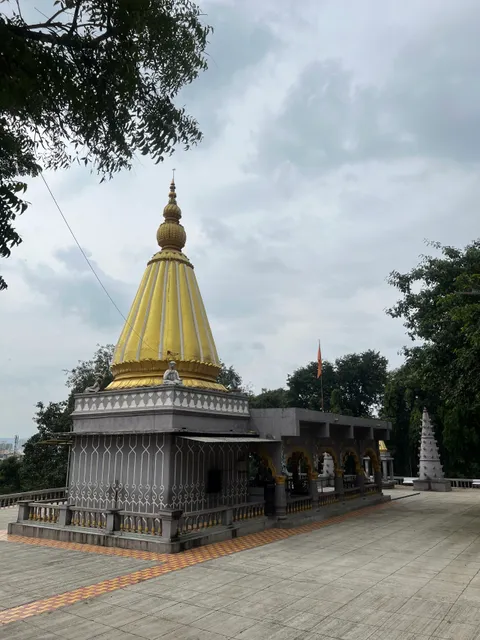
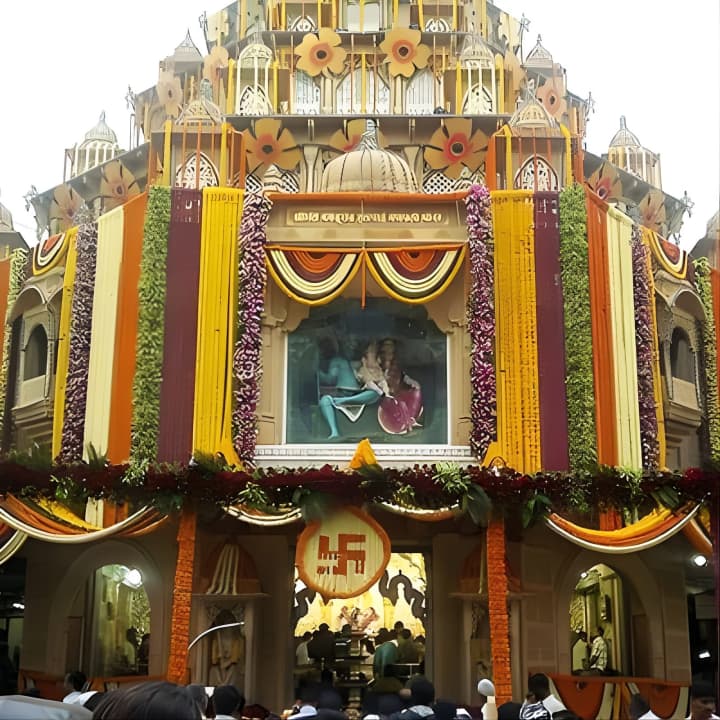
The temple's architecture is a testament to India's rich cultural heritage, with intricate carvings, vibrant colors, and ornate designs that captivate visitors from the moment they step inside. Dedicated to Lord Shiva, the temple exudes an aura of peace and tranquility, making it a popular pilgrimage site for devotees seeking blessings and solace.
One of the most striking features of Dhareshwar Mandir is its serene ambiance. Surrounded by lush greenery and set against the backdrop of majestic hills, the temple provides a picturesque setting for spiritual contemplation. Whether you're sitting quietly in the temple courtyard or participating in the daily rituals and prayers, there's a palpable sense of serenity that permeates the air.
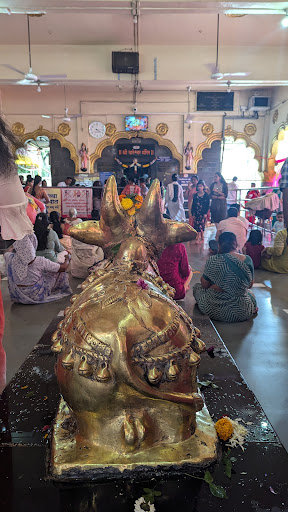
The temple's main sanctum is adorned with exquisite sculptures and sacred symbols, creating a sacred space where devotees can connect with the divine. The idol of Lord Shiva, bathed in soft light and adorned with fresh flowers, radiates a sense of divine presence that fills the hearts of worshippers with reverence and devotion.
In addition to its spiritual significance, Dhareshwar Mandir also plays an important role in preserving and promoting India's cultural heritage. The temple hosts various festivals and cultural events throughout the year, providing a platform for artists, musicians, and performers to showcase their talents. From vibrant dance performances to melodious bhajans, these events bring the community together in celebration and unity.
Moreover, Dhareshwar Mandir offers various services and amenities to cater to the needs of devotees. From clean and well-maintained facilities to ample parking and accommodation options for out-of-town visitors, the temple ensures that worshippers have a comfortable and fulfilling experience during their visit.
Overall, Dhareshwar Mandir is more than just a place of worship; it's a spiritual oasis where devotees can seek solace, find inspiration, and deepen their connection with the divine. With its awe-inspiring architecture, serene ambiance, and vibrant cultural atmosphere, the temple holds a special place in the hearts of all who visit, leaving them with a sense of peace and renewal that lingers long after they've left its...
Read moreSacred Serenity: A Review of the Shiva Temple
Nestled amidst the verdant hills, ensconced in an aura of timeless spirituality, lies the Shiva Temple, a beacon of divinity and tranquility. As one traverses the winding path leading to its entrance, a sense of reverence descends, permeating the very air with an ineffable sanctity.
The architecture, an epitome of ancient grandeur, stands as a testament to the craftsmanship of bygone eras. The intricate carvings adorning the temple walls narrate tales of devotion and myth, inviting visitors to delve into the rich tapestry of Hindu mythology.
Within the temple precincts, the ambiance resonates with the mellifluous chants of devotees, mingling with the gentle hum of prayers. The sanctum sanctorum, adorned with fragrant flowers and flickering oil lamps, exudes a palpable aura of sacredness, inviting worshippers to offer their reverence to the divine deity, Lord Shiva.
As sunlight filters through the intricately carved windows, casting ethereal patterns on the temple floor, a sense of timeless transcendence pervades the space, transporting visitors to a realm where earthly worries dissipate, and the soul finds solace in communion with the divine.
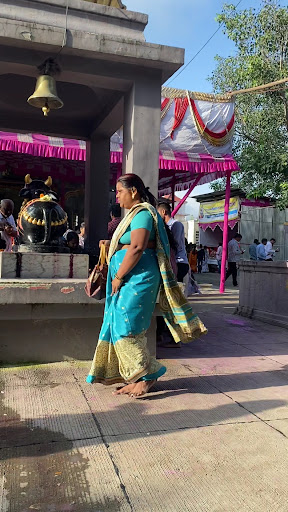
Outside, the temple courtyard offers a sanctuary for contemplation and reflection, with verdant gardens providing a serene backdrop for spiritual introspection. Pilgrims, both young and old, find respite in the tranquil surroundings, seeking solace and spiritual rejuvenation amidst the tumult of modern life.
In conclusion, the Shiva Temple transcends its physical boundaries to become a haven for the soul, a timeless sanctuary where devotees find solace, serenity, and a profound connection to the divine. Whether seeking spiritual enlightenment or simply basking in the tranquility of sacred spaces, a visit to this revered temple is an experience not...
Read more