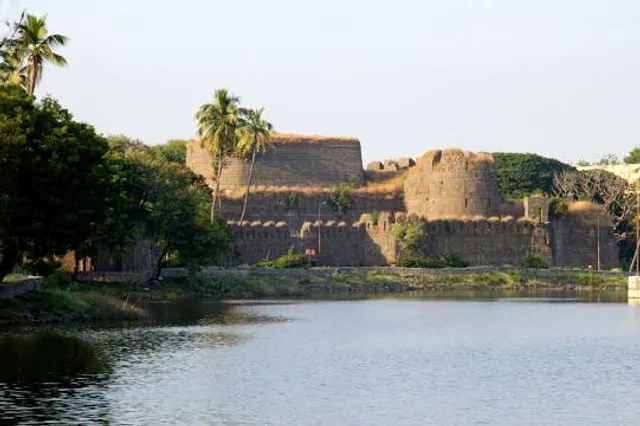
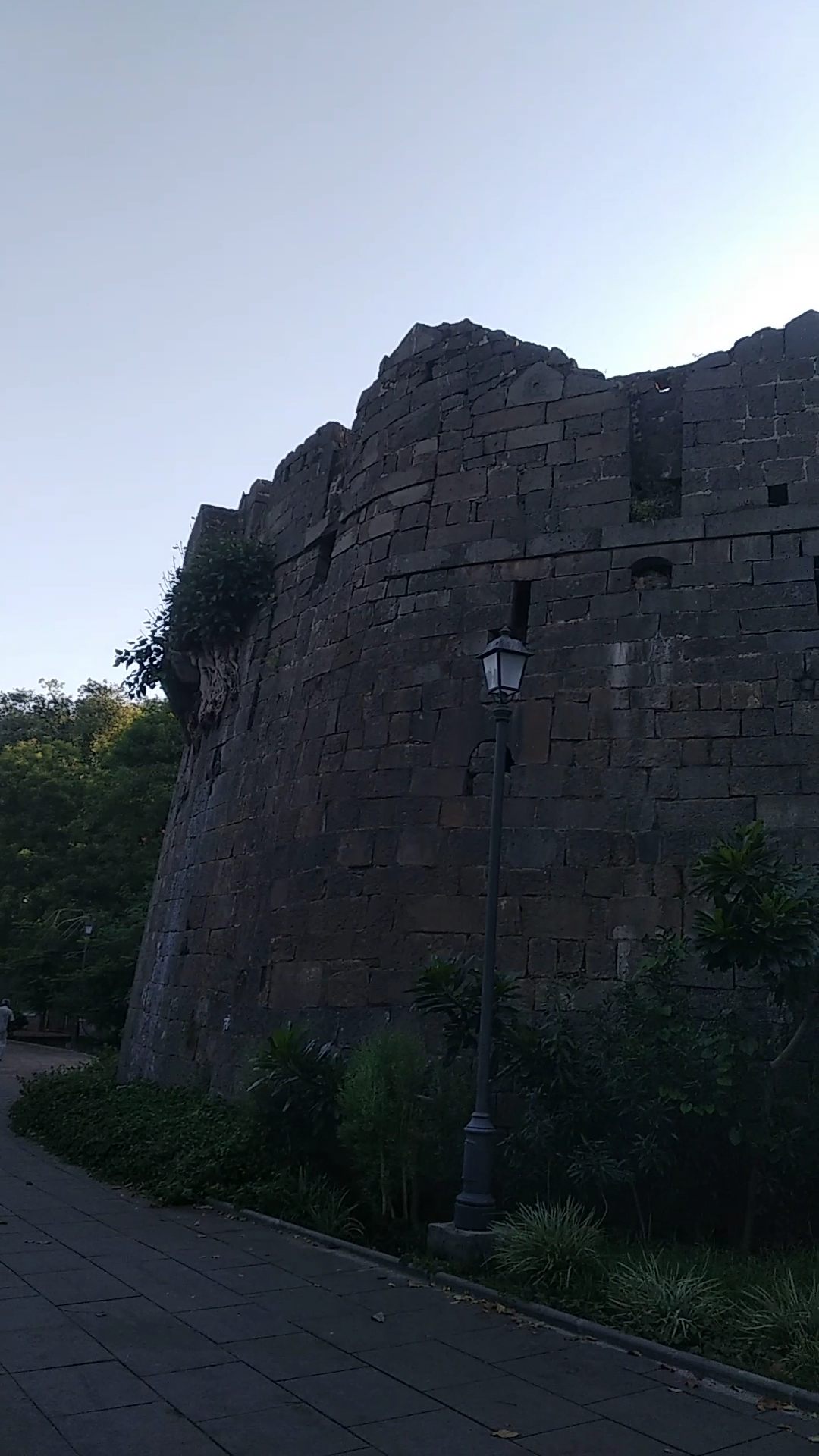
The Solapur Bhuikot Killa (Fort) is one of the major tourist locations in Solapur, Maharashtra. The fort is an ancient Hindu fort located in Solapur and one of the ancient historical and religious places in Maharashtra. Bhuikot fort is situated on the banks of Siddheshwar lake in the 12th century. The Bajirao Peshwa, Chhatrapati Pratap Singh Bhosale of Satara, stayed here for a month in 1818. According to the information received, Srikanth had built the fort of Solapur in 1719 for his wisdom. According to some, Mahmud Gawan built another fort around the fort built during the reign of Hindu kings and made the fort impregnable. Muhammad Gawan Bahmani was the Diwan of Sultan Mahmud Shah. The fort of Solapur, which witnessed many historical events, was the refuge of many dynasties. This is the record of 'Fort of Solapur' given as dowry in marriage. This record happened twice. Burhan Nizam Shah ascended the throne of Ahmednagar. (Bhuikot fort information in Marathi) while Bijapur was ruled by Ismail Adilshah. A cordial relationship was established between them. The marital relationship was created to strengthen this relationship. Adilshah's daughter Burhan was given to Nizamshah and the marriage ceremony was celebrated with great pomp. The marriage took place at Solapur fort. At that time, that is. In 1523, the fort was in the possession of Bijapur. Adilshah had announced to give the fort as dowry to Javaya but after marriage Adilshah refused to give the fort. This was followed by a war between Nizamshah and Adilshah. In this battle Jawai Nizam Shah was defeated.In 1552, it was given to Chandbibi Ali Adilshah, the second princess of Ahmednagar. Ali Adilshah's sister Hadiya Sultan was married to Mutarza Nizamshah. However, as accepted, Nizam Shah gave the fort to the Sultan of Bijapur as a dowry.After Bahmani, Adilshahi and Nizamshahi, Solapur fort came under Mughal rule. During Aurangzeb's reign most of his time was spent around the fort. Later this fort came under the control of Nizam of Hyderabad and later...
Read more🏰 Origins & Builders
Constructed in the 14th century by the Bahmani Sultanate, likely in memory of the nearby Hutatma Bagh .
Some historians credit Mahmud Gawan, prime minister to Sultan Mahmud Shah, for adding robust fortifications around an earlier Hindu stronghold .
Rulers & Key Events
Fell under Bijapur’s Adil Shahi dynasty, then Ahmednagar’s Nizam Shahs.
In 1523, the fort was controversially offered as dowry in a political marriage, then fatefully revoked—sparking war between the states .
Conquered by the Mughals, with Aurangzeb reputedly staying here from 1685–86 .
Later passed to the Nizam of Hyderabad, and eventually came under Maratha control.
Bajirao II, the Peshwa, stayed here in 1818 .
Architectural Features
Unique double fortification design with a moat, built entirely on flat ground .
Two main entrances: the North Gate and the Mahakali Gate.
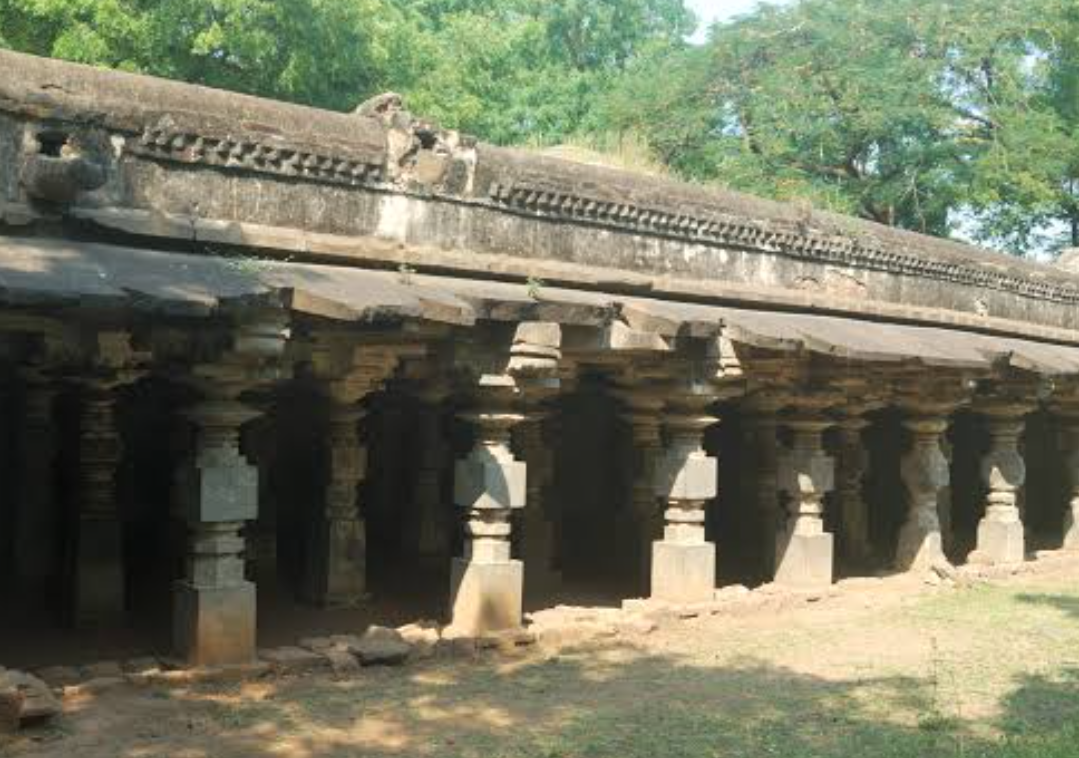
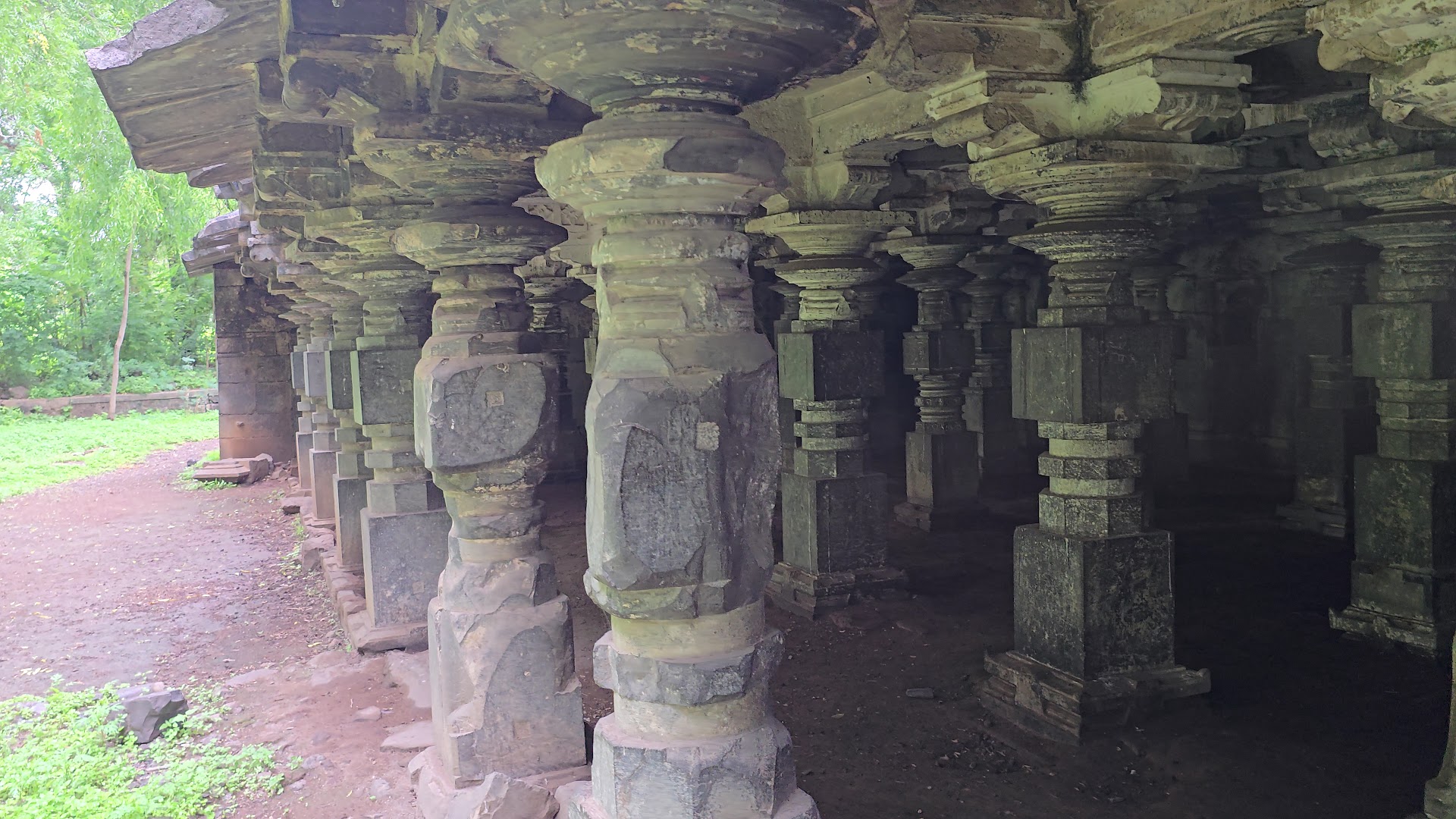
Inside you'll find a mix of religious structures: a ruined Shiva temple, an octagonal pond/well, a Mahakaleshwar shrine, a Shani temple, and a 32‑pillar mosque with beautifully carved ceilings .
Iconic cannons from the British era still adorn the ramparts .
Today’s Heritage & Attractions
Now maintained by the Archaeological Survey of India, the site is partially restored and open to the public .
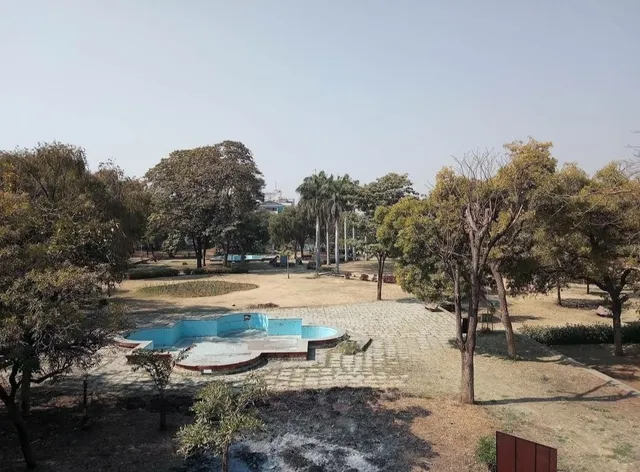
Visitor amenities include a small animal park/zoo, children’s amusement area, manicured lawns, and serene views of Siddheshwar Temple and lake .
Entry is about ₹25, open from ~8 AM to 6 PM .
Historical Anecdotes
The “dowry-and-war” incident of 1523 shows the fort’s strategic and political importance .
Presence of Hindu motifs in ruins suggests the reuse of temple stones, pointing to layers of cultural adaptation .
✨ Why It’s Special
A rare land fort amid predominantly hilltop strongholds in Maharashtra.
A captivating blend of Hindu, Islamic, and Maratha history and architecture.
Offers a relaxed leisure experience with gardens, animals, and...
Read moreThe lack of proper maintenance, basic facilities, and cleanliness inside Solapur Bhuikot Killa could negatively impact the visitor experience and detract from the historical significance and cultural value of the site. However, the responsibility of maintaining historical sites is not solely on the authorities, but also on visitors and tourists.
Visitors must take responsibility for maintaining the cleanliness of the site by disposing of waste appropriately and being respectful of the historical significance of the site. visitors should check the availability of basic facilities like drinking water before planning a visit to the bhuikot killa.
It is also important for the authorities responsible for maintaining Solapur Bhuikot Killa to take necessary steps to ensure that basic facilities like drinking water and cleaning are provided for visitors. This would improve the overall experience for visitors and ensure that the site is preserved for future generations.
The cooperation of all visitors, tourists, and authorities is crucial for maintaining historical sites like Solapur Bhuikot Killa. It is essential to preserve the cultural heritage of the region by taking necessary steps to maintain and improve the site for future visitors. Reporting any issues with the condition of the fort to the relevant authorities and cooperating to preserve the site would help to ensure that Solapur Bhuikot Killa remains a valuable part of the region's...
Read more