The Afghan Church, officially known as the Church of St. John the Evangelist, is a historic Anglican church located in Mumbai, India. It holds significance as a place of worship and a symbol of historical and architectural value. Here is a review of the Afghan Church based on its history, architecture, and overall experience.
The Afghan Church has a rich history dating back to the mid-19th century. It was built as a memorial to the soldiers who lost their lives during the First Afghan War (1838-1842). The church was consecrated in 1858 and has since stood as a testament to the sacrifices made by the British soldiers during that period. It serves as a reminder of the shared history between India and Afghanistan.
The architecture of the Afghan Church is striking and unique. It follows the Neo-Gothic style, characterized by pointed arches, ribbed vaults, and intricate detailing. The exterior of the church features a beautiful blend of red brickwork and white plaster, creating an aesthetically pleasing contrast. The tower of the church rises elegantly and is adorned with intricate stone carvings.
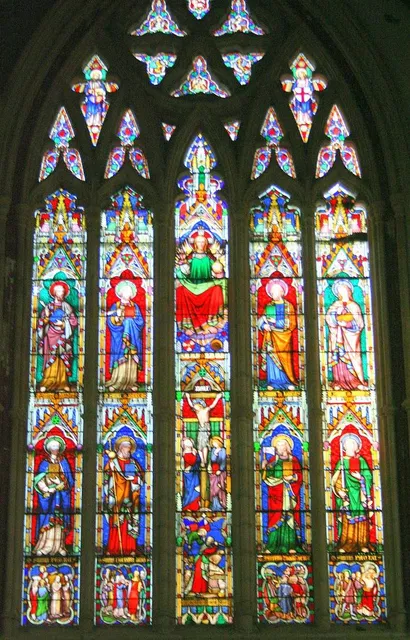
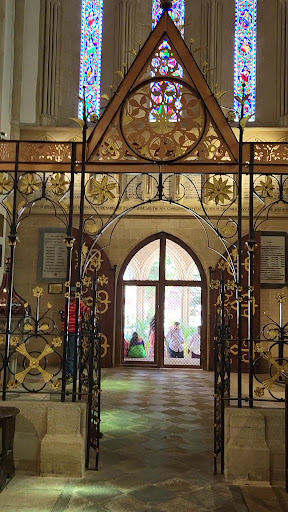
Inside the church, visitors are greeted by a serene and peaceful atmosphere. The high ceilings, stained glass windows, and wooden pews create a sense of grandeur and tranquility. The stained glass windows depict biblical scenes and add a colorful touch to the interior. The church's altar and chancel are beautifully crafted and serve as the focal point of worship.
One cannot help but appreciate the meticulous preservation of the Afghan Church. Despite being more than a century old, the church has been well-maintained and retains its original charm. The architectural details, including the intricate carvings and delicate stained glass, are testament to the craftsmanship of the time.
Visiting the Afghan Church offers not only a glimpse into the historical and architectural aspects but also an opportunity for spiritual reflection. The church conducts regular worship services, and attending a service can be a meaningful experience for both locals and tourists. The serene ambiance and the hymns sung during the service create a sense of reverence and devotion.
The Afghan Church is also known for its serene surroundings. It is situated in a peaceful neighborhood, offering a respite from the hustle and bustle of the city. The well-maintained gardens surrounding the church provide a tranquil space for visitors to relax and reflect.
One aspect that could be improved is the availability of information and guided tours for visitors. While the church is open to the public, there is limited information available on its history and significance. Enhancing the visitor experience by providing informative displays or guided tours would further enhance the appreciation of the Afghan Church's historical and cultural importance.
In conclusion, the Afghan Church is a noteworthy landmark in Mumbai, India. Its historical significance, stunning architecture, and peaceful ambiance make it a worthwhile visit for those interested in history, architecture, or seeking a moment of solace. With its well-preserved structure and serene surroundings, the Afghan Church stands as a testament to the past and continues to be a place of worship and reflection for...
Read moreColaba has always had an appreciable military presence dating back to almost 250 years: it was here that the British first set up cantonments, erecting officers' quarters and soldiers' barracks in the 1770s. This served a dual purpose, ensuring that the soldiers were at an acceptable distance from town (defined more or less by Bombay Fort and its surroundings) and at the same time, were still ready at hand, in case of any emergencies.
The St. John's Church was in all probability, the first proper Church of the Colaba Parish, offering prayer services for military personnel, in particular. It was erected in the memory of the thousands of officers and men of the British Army who fell in Sind & Afghanistan during the Afghan War of 1838-1843.
Also popularly known as the Afghan Memorial Church, its annals reveal many legendary anecdotes that make for a riveting read!! All this and much more waits to be unfolded, provided one is willing to undertake a physical sojourn to the Church. Once there, each step taken within the premises is a great enriching experience; the walls, aisles, spire, and almost every other part of the Church, even its exteriors, unravel facts scarcely known otherwise. An exhaustive tour of the Church can keep one engrossed for well over an hour. It is best to go on a Sunday morning, as Holy Communion Service is held on all Sundays at 8:30 A.M., and the Church would be open for viewing.
Located at the junction of Duxbury Lane (part of Shahid Bhagat Singh Road) & Nanabhoy Moos Marg, St. John's Church was the most prominent landmark in Colaba in days bygone, being easily identifiable from afar, thanks to its unique and very conspicuous spire, and evidently was a landmark for ships entering the nearby Bombay Harbour. It was reputed to be "The Best Church in India!!" by 19th century parishioners, a statement which holds good even today!!
William Bryson, an assistant surgeon in the army, and amongst the very few survivors of the Afghan War, suggested that a war memorial in the form of a church would be the best tribute for all those who attained martyrdom during the war. It was Rev. G. Pigott who helped immensely in its implementation. The plan was prepared by Mr. H. Conybeare, C.E., and the foundation stone laid by Sir George Clerk, Governor of Bombay, on the 4th of December 1847. William Butterfield, renowned architect of those times, designed its altarpiece and the Afghan War Memorial mosaics; the east and west windows being designed by stained glass expert, William Wailes.
The consecration was performed on 7th January 1858, by Bishop Harding. Both the church spire (steeple) added later, and the entrance porch were completed in 1865. The Church was belatedly declared to be a heritage building in 1995, an honour long overdue.
Built in the resplendent Gothic and Victorian styles of the 18th and 19th centuries, the Church is distinctly Anglican. The building consists of a nave and aisles, with a fairly long chancel. The tower and spire together result in the church being spotted from afar, being...
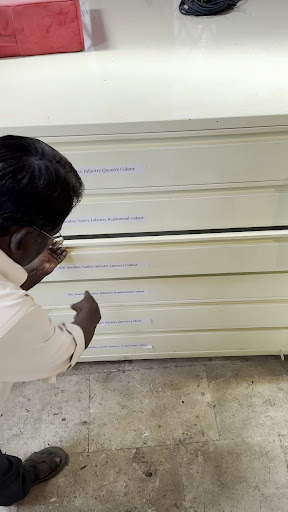
Read moreThe Church of St. John the Evangelist, better known as the Afghan Church is an Anglican Church in Mumbai, India, built by the British to commemorate the dead of the First Afghan War and the disastrous 1842 retreat from Kabul. Memorials and laid up regimental colours displayed at the rear of the nave also record casualties from the Second Anglo-Afghan War. The church is located in Navy Nagar in the Colabaarea of South Mumbai. The first Anglican church in the Navy Nagar district began as a small thatched chapel a kilometre south in what was then known as the "Sick Bungalows" (now the INHS Asvini, the Indian naval hospital). There were no chairs, and patrons had to bring their own. Later, the government released a new patch of land for the setting up the church with the hope that the church's spire would serve as a useful landmark for ships in the harbour. The construction of a new more permanent church in the 1840s was led by the Rev. George Piggot, Chaplain to the East India Company in Bombay. The immediate impetus for fundraising and construction was for the church to serve as the principal memorial to the casualties of the First Anglo-Afghan War. The retreat of the British forces from Kabul in 1842 was described at the time as the worst disaster suffered by the British in India.[1] Many of the casualties of the conflict came from the East India Company's Bombay Army and military establishments located in proximity to the present church site. In March 1843, the Oxford Society for Promoting the Study of Gothic Architecture (later the Oxford Architectural and Historical Society) received a request from the Rev. Piggot asking for a design for the new church. The English architect John Macduff Derick presented his designs to the Society in November of the same year, and they met with the Society's approval. However, in June 1845 word came from India that the designs were unfit for the purpose and the building would cost too much.[2] Eventually, plans for the quintessentially English Gothic Revival architecture of the church were submitted in 1847 by city engineer Henry Conybeare and approved. The foundation stone of the church was laid on 4 December 1847 by Sir George Russell Clerk, Governor. When Conybeare stood down as town engineer in 1850, Captain C.W. Tremenheere of the Royal Engineers took on the role of superintending architect modifying certain aspects of the approved design such as reducing the pitch of the roof and height of the tower. Architect William Butterfield in conjunction with students from the Sir Jamsetjee Jeejeebhoy School of Art designed the decorative tile reredos. The Afghan War Memorial mosaics, the polychrome floor tiles, choir stalls, screen and pews were also produced to Butterfield's designs.[3] The church was consecrated on 7 January 1858, by Bishop of Bombay, John Harding. The spire cost a sum of Rs 5,65,000 and was finished on 10 June 1865. Sir Cowasji Jehangir contributed a sum of Rs 7,500 to help complete...
Read more