They are one of the original tribes, who migrated to Bombay in 13th century AD with Yaduvanshi king, Raja Bhimdev. Somvanshi Kshatriya Pathare (SKP) (belonging to the lunar race) are known to be related to Prithviraj Chauhan of Delhi and Bhoj Raja of Madhya Pradesh. According to tradition, the Panchkalshis derive their name from the fact that their former headman used to sit on a canopied throne surmounted by five kalashas. The primary language spoken by these people is Marathi mixed with Vadval. They are mainly involved in agriculture and carpentry but engineers and doctors and other service professions are also more common these days. SKPs are a prosperous community now and have migrated all over the world.
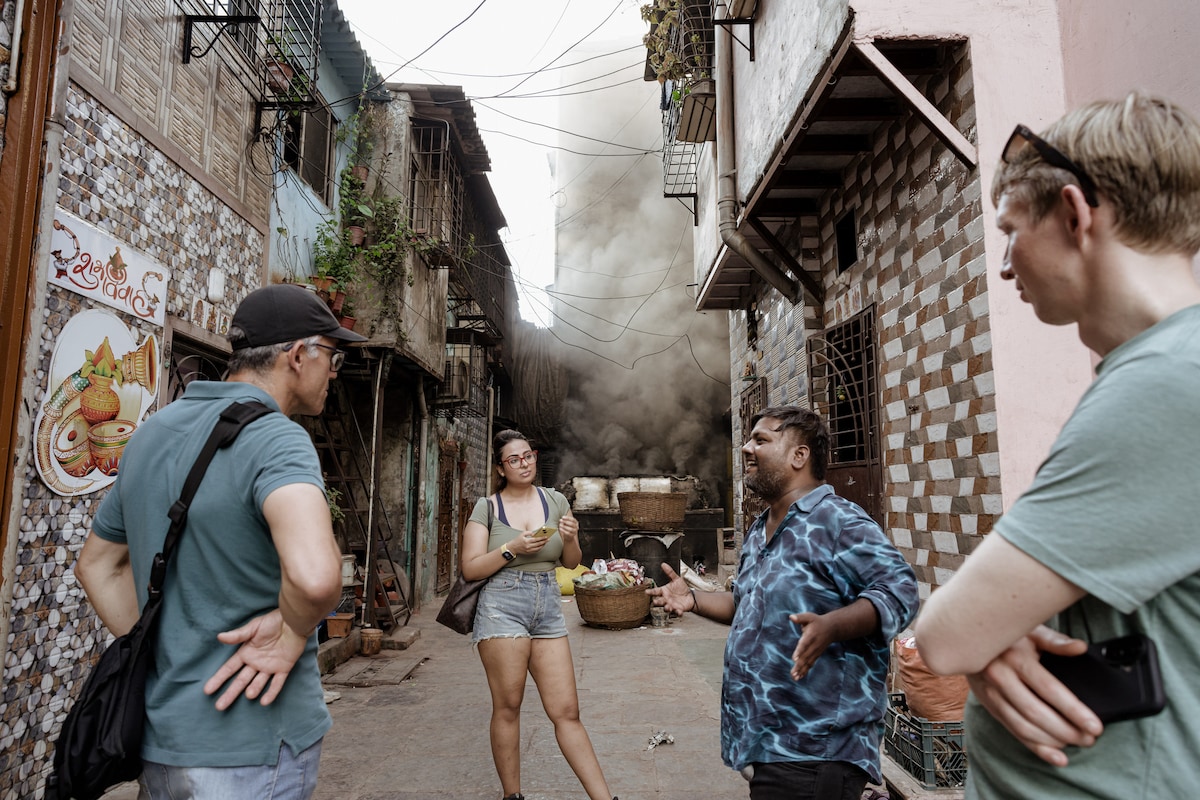
These people are mainly based in Mumbai and nearby places like Alibag,Nagaon, Uran, Cheul, Revdanda, Murud, Maap gaon, Kihim and others. Common surnames in this community are Goregaonkar, Chogle, Bhatte, Navalkar, Patkeshwar, Cheulkar, Mhatre, Bhagat,Paralkar, Worlikar,Dadarkar,Dandekar,Date, Raote, Chemburkar, Ovalekar,Mahimkar, Pathare, Raut,Pradhan,Vaidya, Naik, Surnaik, Tekalkar, Thakur, Patil, Rath, Gharat, Mantri, Ule, Pansare, Devare, Rane and others. It may be noted that several of these names derive from actual places in Mumbai, e.g. Goregaonkar from Goregaon, Dadarkar from Dadar, Chemburkar from Chembur and so forth.Pachkalshi as well Chaukalshi tribe are found living along the coastal belt of Mumbai & Goa.
They mostly worship Tuljapur's Bhavani mata, Kolhapur's Ambabai, Karla's Ekviraa aai, and Jejuri's Khandoba. They also worship several goddesses (unique to each clan) who have ancient temples around Mumbai like the Hardai and Harbai at Malad, and Jogeshwari Devi (from where Jogeshwari suburb takes it name), Shilai Devi (Beje Nasik), Satmadevi (Mulgaon, Vasai) and Mahalaxmi near Peddar Road (Mumbai)
It has been noted in the history of the Marathas in relation to the annexation of the Vasai Fort that the Naiks were a prominent key to get this coveted fort. The Naiks who posed as petty workers or carpenters entered the Fort and mapped it. This crucial information was used by the Marathas to create a base in the important Vasai and Sopara area, which was a major trading port in the times.The Chogles were credited to be the navy builders of the Maratha Navy. They were rewarded by the ruling Marathas with land near Mumbai, which now constitutes Borivali (Dattapada & Babhai) and the surrounding suburbs. Chintaman Chogle was involved in the building of Gateway of India under the supervision of architect George Wittet. He supplied the wooden industrial patterns (molds) to the British which formed the framework for the...
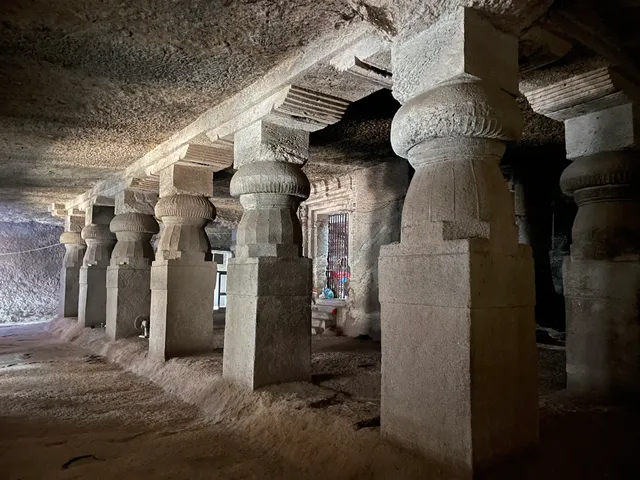
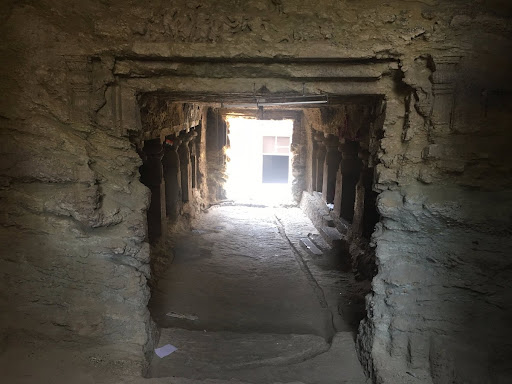
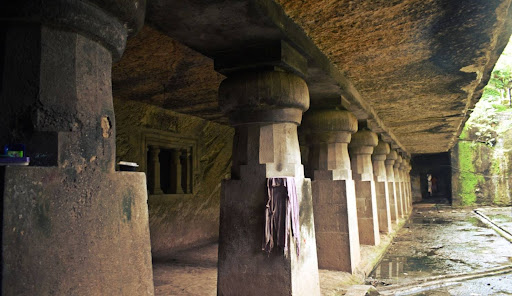
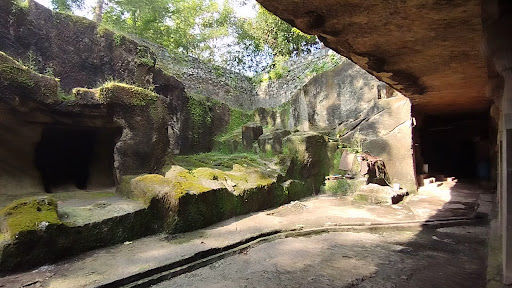
Read moreThe Jogeshwari Caves, located in the Mumbai suburb of Jogeshwari, are an ancient rock-cut complex and one of India’s oldest cave temples. Estimated to have been created around 520–550 AD, these caves are believed to be one of the earliest and largest in Maharashtra, showcasing a remarkable blend of history, spirituality, and architectural skill. Upon entering, you’re struck by the grand scale of the caves. A long corridor lined with impressive columns and ancient carvings leads to the main sanctum, where a massive idol of the Hindu goddess Jogeshwari (also known as Yogeshwari or Ambika) is enshrined. The presence of Lord Shiva and other Hindu deities also points to the site's roots in the Hindu faith, likely associated with early Shaivism. The structures here show evidence of skilled craftsmanship, with finely detailed carvings depicting mythological scenes, deities, and various symbols associated with Hindu iconography. However, the caves’ current state is somewhat disappointing. Over the years, urbanization and neglect have taken their toll. Parts of the caves are damaged, with cracks in pillars and eroded carvings. Encroachment and pollution have also affected the atmosphere, diminishing the serene environment one might expect at such a historical site. Additionally, insufficient lighting and lack of maintenance make parts of the cave difficult to explore. Despite these issues, the Jogeshwari Caves offer a fascinating glimpse into ancient India’s religious and architectural past, reminding visitors of Mumbai’s deep historical roots. For history and art lovers, the caves are an essential visit, though improvements in preservation and visitor facilities could greatly enhance...
Read moreHistorical Period: Believed to date back to the 6th century, these caves are remnants of ancient Indian rock-cut architecture.
Location: Situated in the Jogeshwari suburb of Mumbai, the caves are easily accessible by road.
Architectural Style: Reflecting Buddhist influence, the caves exhibit intricate carvings and sculptures showcasing a blend of Indian and Western Indian styles.
Cave Structures: The caves are divided into three main sections: the larger cave (Cave 1) dedicated to Lord Shiva, a smaller cave (Cave 2), and a water tank.
Lord Shiva Temple: Cave 1 serves as a Hindu temple dedicated to Lord Shiva, featuring a linga and carvings depicting various mythological scenes.
Buddhist Caves: While Cave 1 is primarily Hindu, the overall complex shows evidence of Buddhist influence, suggesting multiple phases of construction and religious use.
Sculptures and Carvings: The caves are adorned with intricate carvings, including figures of animals, humans, and mythological deities, showcasing the artistic and religious nuances of the time.
Historical Significance: These caves provide insights into the historical and cultural evolution of the region, representing the coexistence of multiple religions in ancient India.
Accessibility: Being in close proximity to Mumbai, the Jogeshwari Caves are easily accessible for both locals and tourists interested in exploring historical and archaeological sites.
Preservation Efforts: Over the years, efforts have been made to preserve and maintain these ancient caves, ensuring their cultural and historical...
Read more