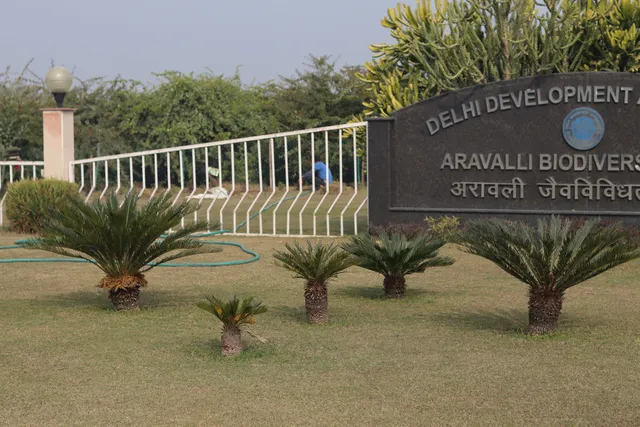
The Aravalli Biodiversity Park is a remarkable natural reserve located in the heart of Delhi, India. Established with the aim of conserving and reviving the fragile Aravalli ecosystem, this park is a haven for nature enthusiasts and those seeking a peaceful retreat from the city's hustle and bustle.
Key features and attractions of the Aravalli Biodiversity Park include:
Biodiversity: The park is home to a diverse range of flora and fauna, including native plants, trees, birds, butterflies, and small mammals. It plays a crucial role in preserving the natural biodiversity of the region.
Hiking and Walking Trails: Visitors can explore the park through well-marked hiking and walking trails that wind through the lush greenery, providing opportunities for exercise and nature appreciation.
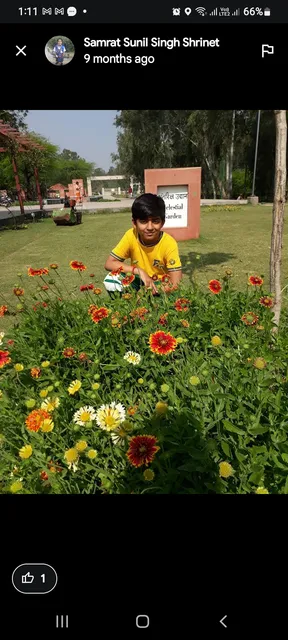
Butterfly Garden: There's a dedicated butterfly garden within the park where you can observe various species of butterflies in their natural habitat.
Bird Watching: The park is a paradise for birdwatchers, with numerous bird species, including both resident and migratory birds, making it their home. It's a great spot for bird photography.
Herbal Garden: The park features a herbal garden where you can learn about and see various medicinal plants and herbs.
Education and Research: The Aravalli Biodiversity Park serves as an educational hub for environmental awareness and conservation. It often conducts workshops, nature camps, and research programs.
Photography: The scenic beauty of the park, with its diverse landscapes and wildlife, makes it an excellent location for photography enthusiasts.
Conservation Efforts: The park's primary goal is to conserve the native flora and fauna of the Aravalli region and promote sustainable practices.
Visiting the Aravalli Biodiversity Park offers a unique opportunity to connect with nature and learn about the importance of preserving fragile ecosystems. It's an ideal destination for nature lovers, school groups, and anyone interested in environmental...
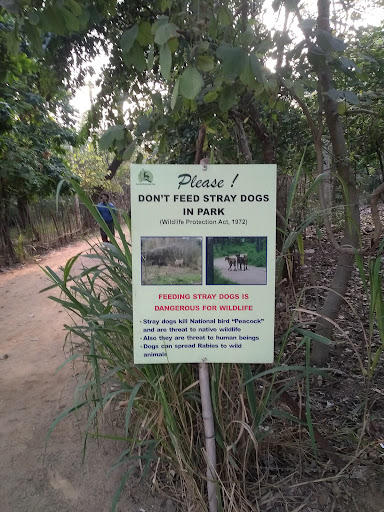
Read moreSome women called Aisha Siddiqui is spreading wrong information and harassing dog owners who walk their dogs here. She's put up a board staring wildlife protection laws, obviously she knows nothing about the wildlife protection act 1972 which has nothing to do do with stray or pet dogs, it is for the protection of wildlife from humans, it states laws against hunting, ivory hunting, protection of endangered species like tigers, sambhars etc. Rhino protection and certain other endangered animals which are protected in reserves and national wildlife parks. Definitely not a bio diversity Park in बसंत कुंज which has zero WILDLIFE. Thar needs protection from dogs. Aisha Siddiqui is spreading hatred, Mis formation and polluting the mind of the next generation as well which might read the rubbish written and be influenced, dogs wild and domestic that so exist amongst humans whether in parks, residential areas as well as pets, have laws that protect their rights of life and domicile, a stray dog cannot be removed, maimed, injured, harrased or stopped from living or finding shelter in any place be it a, park or road. Animal welfare board of India reserves the rights of all feeders to feed stray dogs in designated areas and clean up after them. This women who thinks she's an authority on what WILDLIFE PROTECTION LAWS are needs to be removed and that board needs removing as well. The bio diversity Park IS NOT PRIVATE PROPERTY AND NO INDIVIDUAL CAN FIRM PRIVATE OPINIONS OR MAKE THEM INTO LAWS AS OER THEIR...
Read moreNestled in the South Central Ridge of Delhi, the Aravali Biodiversity Park is a sprawling oasis of greenery that spans nearly 700 acres. It is located near the posh neighborhoods of Vasant Kunj and Vasant Vihar, but reaching it can be tricky. Google Maps may direct you to take a narrow and congested route from Basant Lok, which can be quite frustrating. A better option is to drive from Vasant Kunj Pocket C, past the prestigious Delhi Public School and the Teri Institute, and then follow the signs to the park entrance.
The best part is that you don’t have to pay anything to enter this natural paradise. The park is open for a few hours in the morning and then again in the afternoon, depending on the season. This is the same for all the biodiversity parks in Delhi, which aim to conserve and restore the native flora and fauna of the region.
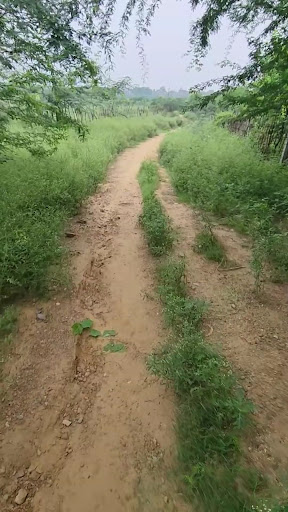
Once you are inside, you can choose any of the winding trails that crisscross the park and explore its diverse habitats. You will find grasslands, woodlands, wetlands, and even a butterfly conservatory. However, there are no facilities like benches, water fountains, or shops inside the park. So make sure you carry your own water bottle, wear comfortable shoes, and be prepared to enjoy the sights and sounds of nature. You will be rewarded with glimpses of colorful birds, butterflies, flowers, and trees that will make you forget you are in a...
Read more