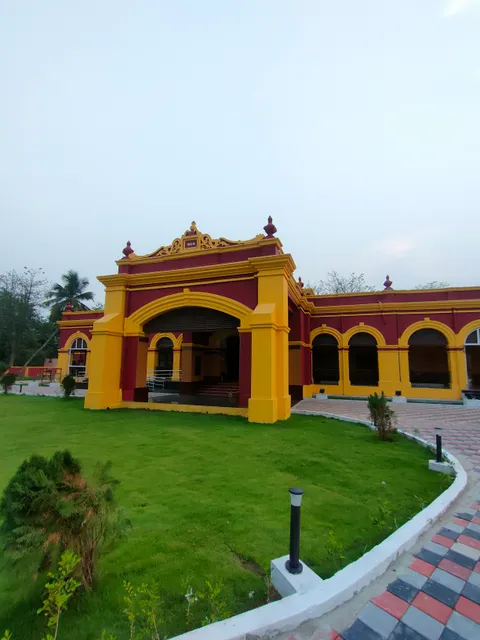
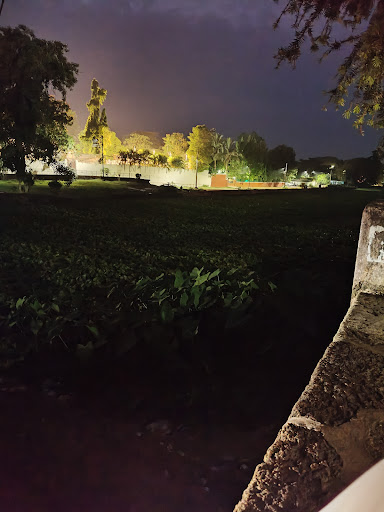
Barabati Fort, built by the Ganga dynasty on the banks of River Mahanadi, is one of the most sought-after tourist attractions of Cuttack. Located near the Baliyatra Ground, this ruined fort stands on the west side of the Millennium City. According to historians, Barabati Fort once housed a nine-storey palace. While the fort is spread over an area of 102 acres, it has a 20-yard wide moat to protect the structure. What stands at the site today are the ruins of the palace on an earthen mound, the hyacinth-filled moat and the fort. The area is protected by the Archaeological Survey of India.
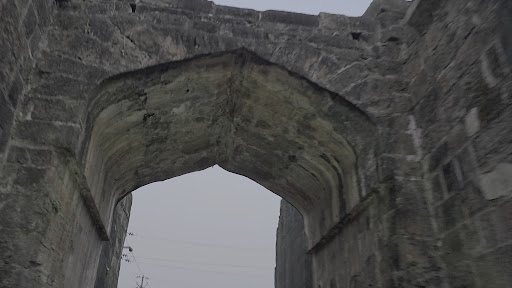
Historians say the entire site came up over a period of years and construction of the fort was started in 989 AD by King Marakata Keshari while he was building embankments on the shore of river Mahanadi to protect the city from floods. Later in the 14th century, Mukundadev Harichandan, a Chalukyan King, built the nine-storey palace. Excavations carried out by archaeologists have revealed that the fort was rectangular in structure and it was surrounded on all sides by a wall of laterite and sandstone. In the recent years, stone images of deities and dancing women have been found from spots around the moat. The gateway of the fort is minimally designed with large laterite stones. The best season to visit the spot is winter.
The Barbati Fort in Cuttack in Oddisa is a well known fort with carved gateway. It is about 8km away from the city. It is a 14th century fort build during the Ganga dynasty. The fort is situated on the river Mahanadi. The fort is situated at such a calculated place that it provides a beautiful and spectacular view of the modern Cuttack city. It is the earthen mound of the 9 storeyed palace. The monument was built with fortification to protect from enemy attacks. In present days a nearby Barbati stadium is build for cultural and various sports events. There is also a temple dedicated to Katak Chandi. The fort brings charm to the city and depicts its glorious history.
The Barbati Fort in Cuttack in Odisha is well known fort with carved gateway. It is about 8km away from the city. It is a 14th century fort build during the Ganga dynasty. The fort is situated on the river Mahanadi. The fort is situated at such a calculated place that it provides a beautiful and spectacular view of the modern Cuttak city. It is the earthen mound of the 9 storeyed palace. the monument was build wih such a design that it protects from enemy attacks. In present days a nearby Barbati stadium is build for cultural and various sports events. There is also a temple dedicated to katak chandi. The fort points charm to the city and depicts the glory of history. The fort covers an area of about 102 acres. The fort was re-established in 14th century and walls of the fort are built with sandstone and laterite.
History of the Barabati Fort
History reveals that the Cuttack was built by the king, Nrupa Keshari in 989 AD. The king made a stone like structure around the river so as to protect from flood. After looking at the wonderful and strategic architecture King Anangabhima Dev III shifted from his oldest region to the Cuttack and built the fort Barbati fort. Later on the Chalukya Kings, built the nine storey building in the fort. In 1568 AD the two rings were made around the banks of the rivers. After that many rulers came and rebuilt the fort. Now, only the remains of the fort can be found, and even crambled temple...
Read moreBarabati Fort is a historical fort located in Cuttack, a city in the state of Odisha, India. It is situated on the banks of the Mahanadi River and holds significant historical and architectural importance in the region.
The origins of Barabati Fort can be traced back to the 14th century, during the Ganga dynasty rule in Odisha. The fort was initially built as a military establishment and served as a strategic defense fortification against invasions. Its location near the river allowed it to control the river trade routes and protect the kingdom from external threats.
The fort has witnessed various rulers and dynasties over the centuries. It was later under the control of the Mughals and then the Marathas, who used it as a military base. The fort underwent several renovations and expansions under different rulers, resulting in a blend of architectural styles.
The name "Barabati" translates to "Bara" (big) and "Bati" (courtyard), referring to the large open space within the fort complex. The fort covers a vast area and comprises several structures, including the main gate, ramparts, bastions, and a few temples.
The main entrance of Barabati Fort features an arched gateway known as the "Singhadwara" or "Lion's Gate." It is an imposing structure adorned with intricate carvings and sculptures. The ramparts and bastions of the fort offer panoramic views of the surrounding areas, including the Mahanadi River and the cityscape of Cuttack.
Inside the fort complex, there are remnants of various temples, including the Gada Chandi Temple and the Katak Chandi Temple. These temples are dedicated to different deities and are visited by devotees during religious festivals.
Barabati Fort is not only a historical site but also a popular venue for cultural and sporting events. The fort's spacious ground, known as the "Barabati Stadium," has hosted numerous cricket matches, including international matches, and cultural festivals. The stadium has a seating capacity of thousands of spectators.
Visiting Barabati Fort provides an opportunity to delve into the rich history of Odisha and admire its architectural heritage. The fort stands as a symbol of the region's military prowess and cultural significance. With its picturesque location and historical significance, Barabati Fort attracts tourists, history enthusiasts, and sports fans who come to explore its grandeur and experience its...
Read moreBarabati Fort, located in Cuttack, Odisha, stands as a testament to the region's rich historical tapestry and architectural prowess. Strategically positioned near the confluence of the Mahanadi and Kathajodi rivers, the fort offers a glimpse into the grandeur of Odisha's past.
Constructed in the 14th century by the Ganga dynasty, Barabati Fort was once a formidable nine-story edifice, symbolizing the might and architectural sophistication of its era. Today, visitors can explore the remnants of this majestic structure, including its intricately carved gateway and the expansive moat that once served as a defensive barrier. The fort's design not only underscores its military significance but also provides panoramic views of modern-day Cuttack, juxtaposing the ancient with the contemporary.
The fort's historical significance is further accentuated by its proximity to notable landmarks such as the Barabati Stadium, a hub for sports and cultural events, and the revered temple of Goddess Katak Chandi. These sites collectively enrich the cultural landscape of Cuttack, making the area around Barabati Fort a focal point for both locals and tourists.
Over the years, archaeological excavations have unearthed a plethora of artifacts within the fort's precincts. Findings such as stone images of deities, terracotta figurines, and remnants of ancient pottery offer invaluable insights into the region's historical and cultural evolution. These discoveries not only shed light on the fort's past grandeur but also underscore its role as a cultural and administrative center during its zenith.
A visit to Barabati Fort is akin to stepping back in time. As one traverses the ancient pathways and gazes upon the enduring structures, the stories of bygone eras come alive, offering a profound appreciation for Odisha's rich heritage. The fort's enduring presence amidst the evolving cityscape of Cuttack serves as a poignant reminder of the region's historical depth and the enduring legacy of its past rulers.
In conclusion, Barabati Fort is not merely a historical monument but a symbol of Odisha's enduring legacy. Its architectural brilliance, coupled with its storied past, makes it an essential destination for history enthusiasts, scholars, and casual visitors alike. The fort stands as a bridge between the past and the present, inviting all to explore and appreciate the rich tapestry of...
Read more