Sri Nandeeswarar Temple, Nandivaram / Guduvancheri, Tamil Nadu
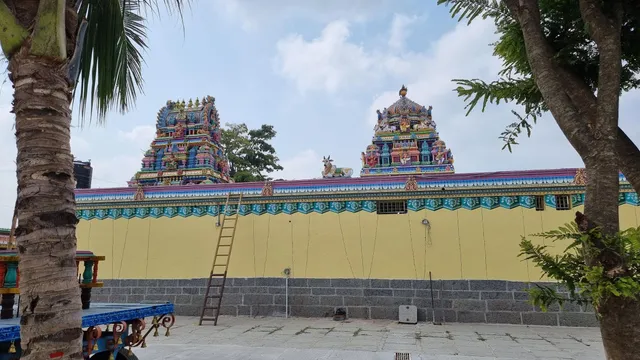
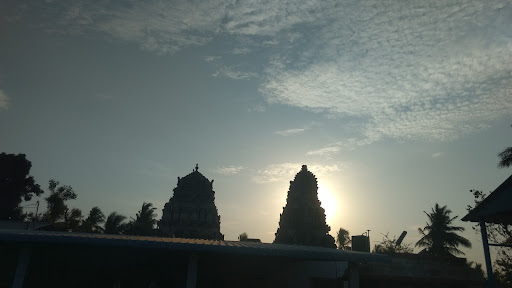
Temple Overview: Sri Nandeeswarar Temple, located in Nandivaram near Guduvancheri in Chengalpattu District, Tamil Nadu, is a historically significant Shiva temple. Dedicated to Lord Shiva as Sri Nandeeswarar, it holds a special place in Tamil Saivite tradition. Conveniently located near the Guduvancheri Bus Terminus, the temple is both spiritually enriching and architecturally impressive.
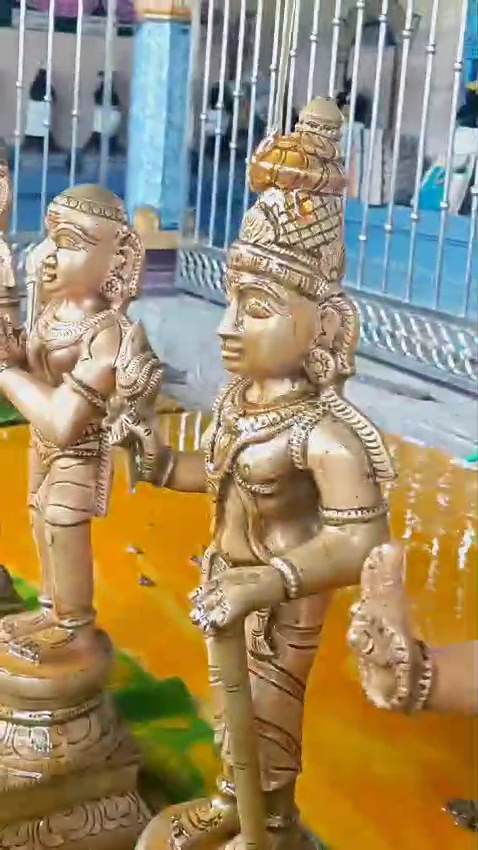
On Sunday, 26th January 2025, I visited the temple at 8:30 a.m. to participate in the 63 Nayanmargal Abishegam (ceremonial bathing of idols of 63 Saivite saints). Alongside my team from Then Kailaya Bathi Peravai, we offered a play featuring the Kailaya Vathiyam (traditional temple instruments), an experience filled with vibrant positivity and immense joy.
Deities Worshipped:
Moolavar (Main Deity): Sri Nandeeswarar
Consort: Sri Soundaranayaki
Architectural Features and Layout:
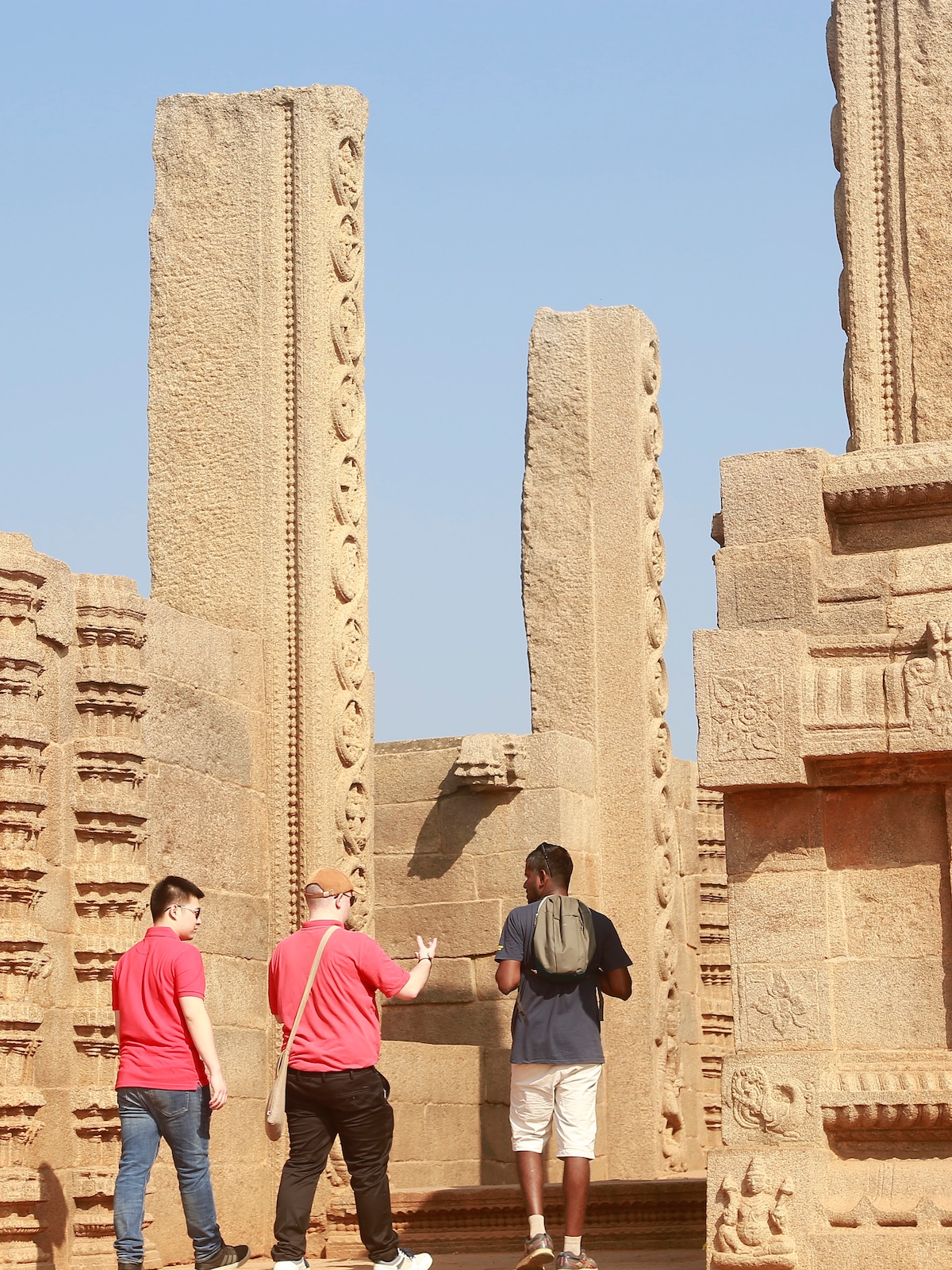
The temple, constructed during Nandivarman Pallava’s reign in 715 CE, showcases the grandeur of Pallava architecture.
Temple Orientation:
Faces east, symbolizing divine energy.
The entrance arch is on the southern side.
Outer Prakaram (Outer Courtyard):
Houses the Balipeedam (sacrificial altar) and Nandi on the eastern side.
Features a 9th-10th century Rishabam under a Canon Ball Tree (Nagalinga Flower Tree), enhancing its spiritual charm.
Koshtam (Wall Niches):
The sanctum walls feature beautifully carved deities, including:
Narthana Vinayagar (Dancing Ganesha)
Dakshinamurthy (Shiva as the teacher)
Vishnu, Brahma, and Durgai (Goddess Durga)
Inner Prakaram (Inner Courtyard):
Shrines for:
Valampuri Vinayagar (Ganesha with a right-curving trunk)
Arumugam (Muruga) with consorts Valli and Devasena
Gajalakshmi, Chandikeswarar, Bhairavar, Veerabhadra, and Suryan
Outer Prakaram Sannidhis:
Dedicated to:
Navagrahas (Nine celestial planets)
Perumal (Lord Vishnu)
Historical Significance:
Attributed to Nandivarman Pallava, the temple’s name, Nandeeswaram, likely derives from the king.
It is one of the Vaippu Sthalams (sacred places mentioned in Tamil Saivite hymns) sung by the saint Appar, referred to as Nandikecchuram or Nandivanam.
Although an inscription tablet once existed, it is now missing, limiting detailed historical records.
Cultural Connections:
The temple shares a historical link with the Shiva temple on Nandi Hills in Mysore, also called Nandikecchuram.
Etymology and References:
Kumarakubaran Journal (April 1972):
Nandivanam is referenced as a Vaippu Sthalam.
Historian V.T. Sengalvarayapillai suggests Nandikecchuram evolved into Nandivanam.
R.P. Sethu Pillai:
Identifies the Nandi Hills Shiva temple as Nandikecchuram.
Unique Aspects and Aesthetic Appeal:
The ancient Rishabam under the Nagalinga Tree is a rare and beautiful feature.
The serene natural surroundings, combined with Pallava-era sculptures, create a tranquil and divine ambiance.
Spiritual Events and Personal Experience:
The 63 Nayanmargal Abishegam and Kailaya Vathiyam performance during my visit created a vibrant and deeply spiritual atmosphere. Being part of this event with my team was an honor, leaving a lasting impression of peace and positivity.
Conclusion:
Sri Nandeeswarar Temple is a treasure of Tamil Saivite tradition, Pallava architecture, and spiritual heritage. Its serene environment and cultural significance make it a must-visit for devotees and history...
Read moreNamed after Lord Shiva's mount Nandi, the moolavar (main deity) of this temple, Lord Nandeeswarar is said to be a Swayambu Lingam (self origin). The legend says that a cow belonging to a rich man, used to separate itself from its herd, goes to a lonely place, and pours milk from its udders into an anthill on its own. This happened for a longer period, the milk production by that particular cow was significantly less, which alarmed the milkman and the rich man. When these 2 followed the cow, they were surprised to see the cow pouring milk on its own into the anthill. Then came a divine voice, saying that a Lingam is inside the anthill and that a temple should be built for him.
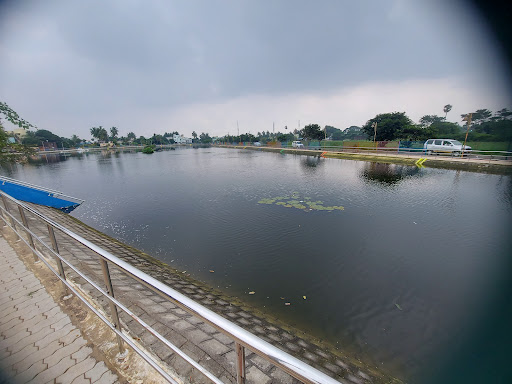
The rich man took the news to the ears of the Pallava King Nandivarman, who built this temple in 715 CE. Hence, this temple is called Nandeeswarar Temple. The village was also named as 'Nandivaram'. The temple has a beautiful and large pond, which is situated just in front of the temple.
One of the Vaipu Sthalams of Appar, this temple is a must visit. Fullmoon days (Pournami) used to attract large numbers, due to special pujas to Swarnaakarsha Bhairavar, who has a separate shrine in this temple.
Sthala Viruksham - Cannon Ball Tree (Nagalinga Tree), below which there's a Pallava period Nandi mural
Opening Time : 6.30 AM to 12 PM and then 4.30 PM to 8 PM (Times may vary during festivals and...
Read moreNamed after Lord Shiva's mount Nandi, the moolavar (main deity) of this temple, Lord Nandeeswarar is said to be a Swayambu Lingam (self origin). The legend says that a cow belonging to a rich man, used to separate itself from its herd, goes to a lonely place, and pours milk from its udders into an anthill on its own. This happened for a longer period, the milk production by that particular cow was significantly less, which alarmed the milkman and the rich man. When these 2 followed the cow, they were surprised to see the cow pouring milk on its own into the anthill. Then came a divine voice, saying that a Lingam is inside the anthill and that a temple should be built for him.
The rich man took the news to the ears of the Pallava King Nandivarman, who built this temple in 715 CE. Hence, this temple is called Nandeeswarar Temple. The village was also named as 'Nandivaram'. The temple has a beautiful and large pond, which is situated just in front of the temple.
One of the Vaipu Sthalams of Appar, this temple is a must visit. Fullmoon days (Pournami) used to attract large numbers, due to special pujas to Swarnaakarsha Bhairavar, who has a separate shrine in this temple.
Sthala Viruksham - Cannon Ball Tree (Nagalinga Tree), below which there's a Pallava period Nandi mural
Opening Time : 6.30 AM to 12 PM and then 4.30 PM to 8 PM (Times may vary during festivals and...
Read more