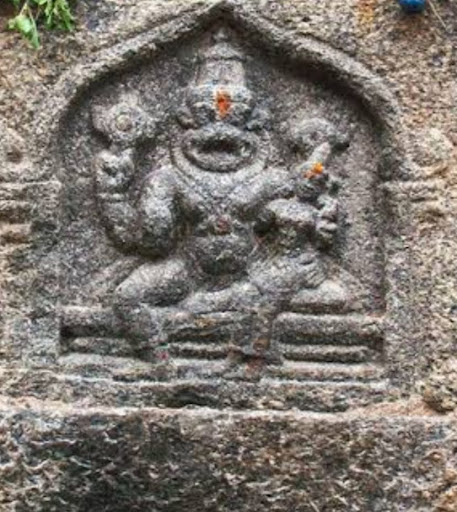
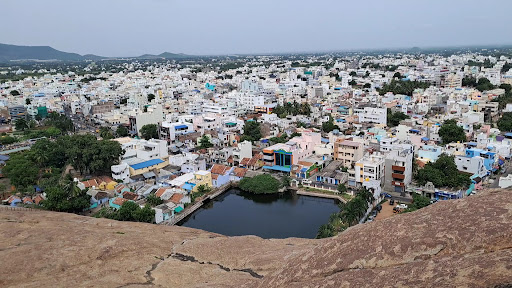
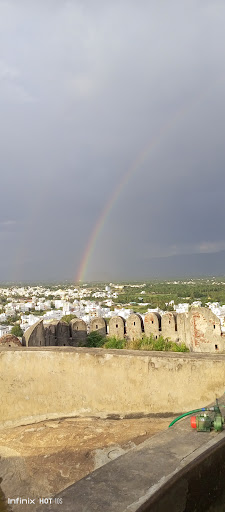
Namakkal Fort things to do, attractions, restaurants, events info and trip planning
Basic Info
Namakkal Fort
Salem, Trichy - Namakkal Rd, Thillaipuram, Namakkal, Tamil Nadu 637001, India
4.4(1.3K)
Closed
Save
spot
spot
Ratings & Description
Info
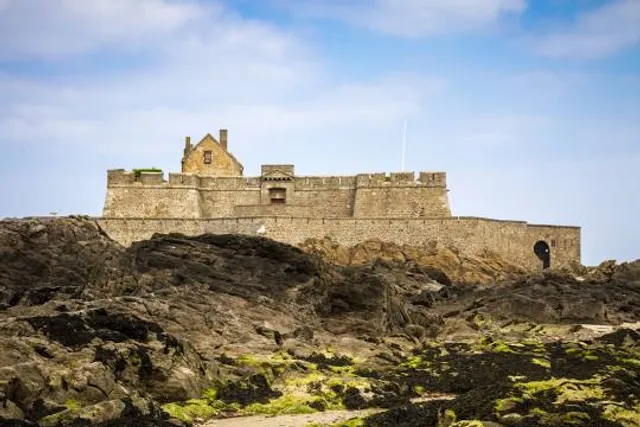
Namakkal Fort is a historic fort present in Namakkal in Namakkal district in the South Indian state of Tamil Nadu. The fort was built during the reign of Thirumalai Nayak of Madurai in 17th century.
Cultural
Outdoor
Family friendly
attractions: Namagiri Thayaar Temple, Nehru Park, Selamba Gounder Childrens' Park, Namakkal Sree Anjaneyar Temple, Thottana Clock Tower, restaurants: Nala Restaurant, ARYABHAVAN HIGH CLASS VEGETARIAN, Rukhmani Ammal Vegetarian Restaurant, PEPPERS FAMILY RESTAURANT, Hotel Gowtham, Muthu Vel Mess Home Food And (All Homemade Spice Powder is Available for Order Now) Healthy Nuts Ball & Sweets & Spicy Snacks, Adyar Ananda Bhavan - A2B, One Dine Namakkal, The Falooda Shop Namakkal, Big Chicken family restaurant, local businesses:
 Learn more insights from Wanderboat AI.
Phone
+91 1800 4253 1111
Open hoursSee all hours
Sun9:30 AM - 5:45 PMClosed
Plan your stay

Pet-friendly Hotels in Tamil Nadu
Find a cozy hotel nearby and make it a full experience.

Affordable Hotels in Tamil Nadu
Find a cozy hotel nearby and make it a full experience.

The Coolest Hotels You Haven't Heard Of (Yet)
Find a cozy hotel nearby and make it a full experience.

Trending Stays Worth the Hype in Tamil Nadu
Find a cozy hotel nearby and make it a full experience.
Reviews
Nearby attractions of Namakkal Fort
Namagiri Thayaar Temple
Nehru Park
Selamba Gounder Childrens' Park
Namakkal Sree Anjaneyar Temple
Thottana Clock Tower
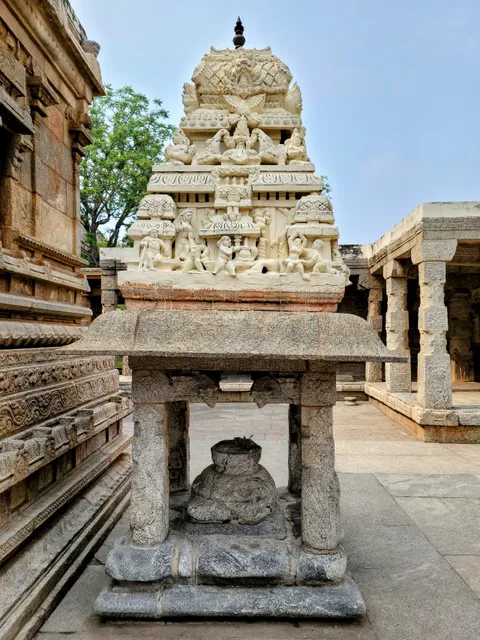
Namagiri Thayaar Temple
4.8
(67)
Open until 7:00 PM
Click for details

Nehru Park
3.8
(153)
Closed
Click for details

Selamba Gounder Childrens' Park
4.1
(253)
Open until 9:00 PM
Click for details
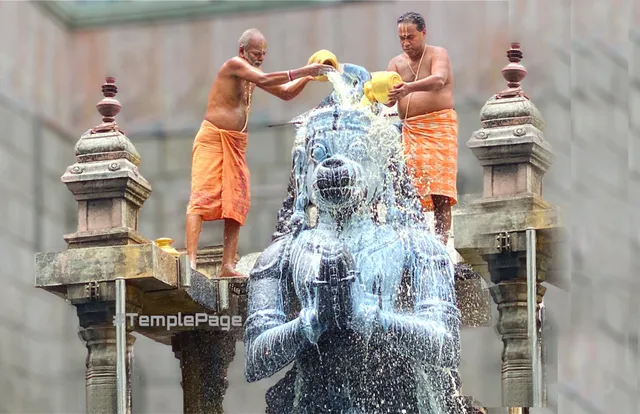
Namakkal Sree Anjaneyar Temple
4.7
(14)
Closed
Click for details
Nearby restaurants of Namakkal Fort
Nala Restaurant
ARYABHAVAN HIGH CLASS VEGETARIAN
Rukhmani Ammal Vegetarian Restaurant
PEPPERS FAMILY RESTAURANT
Hotel Gowtham
Muthu Vel Mess Home Food And (All Homemade Spice Powder is Available for Order Now) Healthy Nuts Ball & Sweets & Spicy Snacks
Adyar Ananda Bhavan - A2B
One Dine Namakkal
The Falooda Shop Namakkal
Big Chicken family restaurant
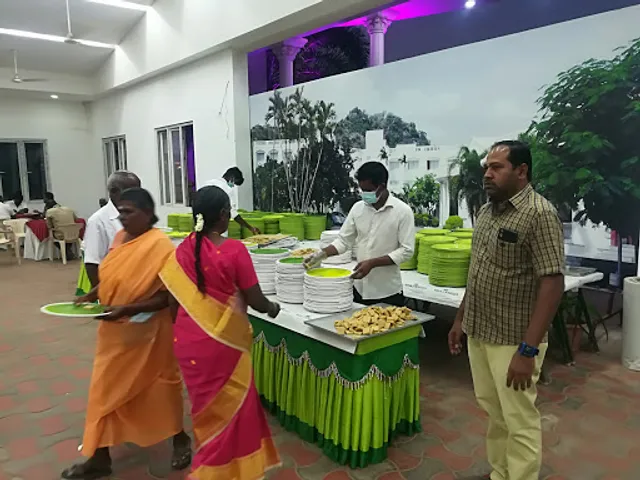
Nala Restaurant
4.0
(513)
Open until 10:30 PM
Click for details
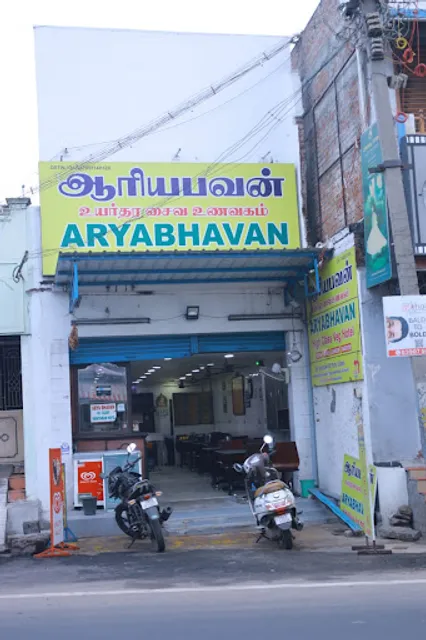
ARYABHAVAN HIGH CLASS VEGETARIAN
3.7
(591)
Open until 10:30 PM
Click for details
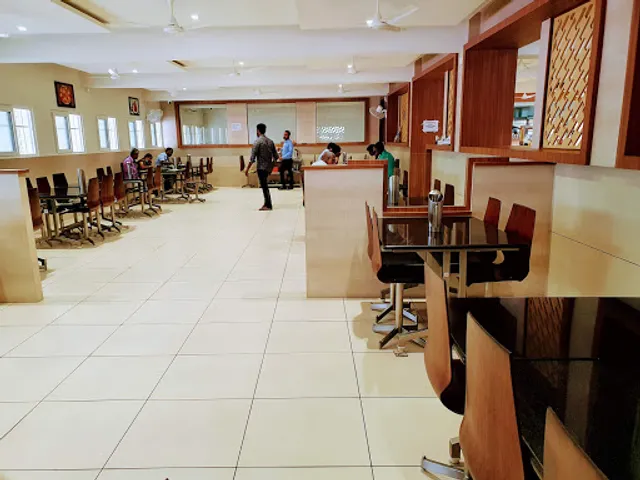
Rukhmani Ammal Vegetarian Restaurant
4.2
(626)
Open until 10:15 PM
Click for details
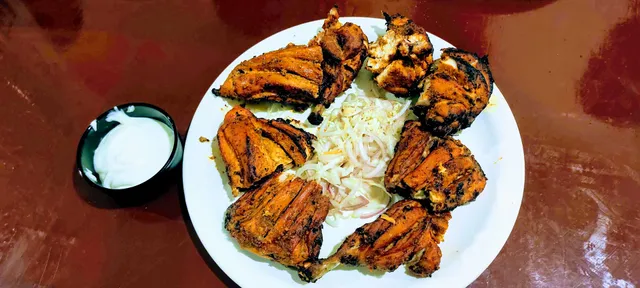
PEPPERS FAMILY RESTAURANT
3.9
(563)
Open until 11:00 PM
Click for details