The Sri Rajagopalaswamy Temple in Mannargudi, Tamil Nadu, is one of the most famous and significant temples dedicated to Lord Vishnu, particularly in the form of Rajagopalaswamy. This temple is not only a religious center but also an important cultural and architectural heritage site in Tamil Nadu.
Significance:
Lord Rajagopalaswamy is a revered form of Lord Vishnu, worshipped here as the divine protector who bestows blessings of prosperity, health, and spiritual well-being upon his devotees. The name "Rajagopalaswamy" reflects the Lord as the king of the world, who rules over the universe and protects it.
The temple holds special significance for the local community, who believe that by worshipping Lord Rajagopalaswamy, they can attain peace, harmony, and spiritual upliftment.
Location and Architecture:
The temple is located in the heart of Mannargudi, a town in Tamil Nadu famous for its religious and cultural significance.
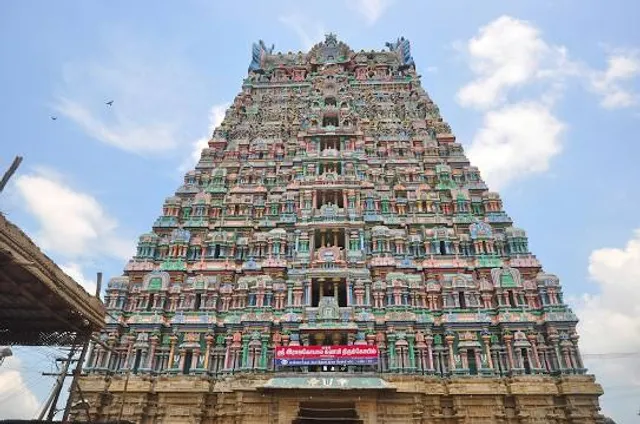
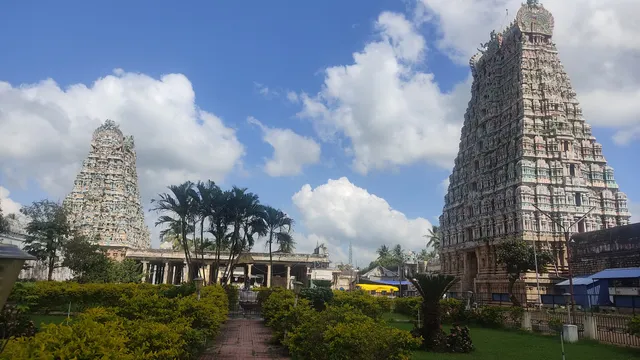
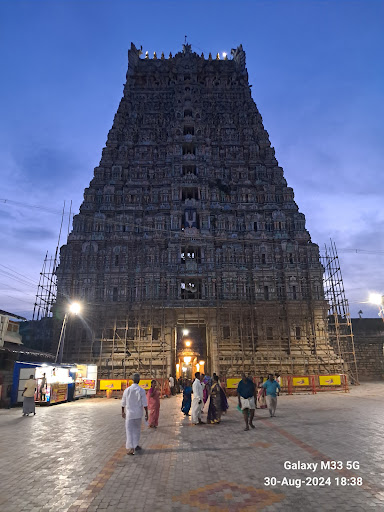
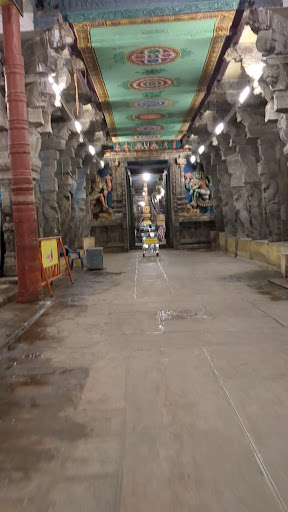
The Sri Rajagopalaswamy Temple is known for its stunning Dravidian-style architecture. The temple features grand gopurams (gateway towers), intricate carvings, and detailed sculptures depicting various aspects of Hindu mythology and the divine presence of Lord Vishnu. The main sanctum houses the idol of Rajagopalaswamy, which is richly adorned and beautifully sculpted.
The temple also has multiple shrines for other deities, including Goddess Lakshmi, who is Lord Vishnu's consort, and other divine figures from Hindu lore.
Worship and Festivals:
The temple follows a Vaishnavite tradition, and regular rituals are performed in praise of Lord Vishnu. Devotees visit the temple to offer prayers, seek blessings for family well-being, prosperity, and spiritual growth.
Vaikunta Ekadashi, Rama Navami, and Panguni Uthiram are some of the major festivals celebrated at the temple, with elaborate prayers, processions, and community celebrations.
Special Tirumanjanam (ritual bathing of the deity) and Abhishekam (rituals with holy water and offerings) are conducted on auspicious days to honor Lord Rajagopalaswamy.
Cultural Importance:
The Sri Rajagopalaswamy Temple is not only a place of worship but also a symbol of the rich cultural heritage of Mannargudi. The temple has inspired generations of devotees and is an integral part of Tamil religious and cultural traditions.
The temple town of Mannargudi is also known for its traditional music and dance performances, especially during festivals, and the temple plays a central role in fostering these cultural expressions.
Overall, the Sri Rajagopalaswamy Temple in Mannargudi is a spiritual landmark, drawing devotees from all over, who come seeking the blessings of Lord Vishnu for peace, prosperity, and...
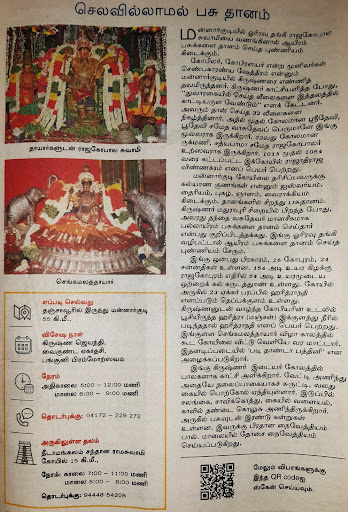
Read moreIf you stay overnight at Mannargudi and worship Rajagopal swami, it is said that you would attain punyam for donating 1000 cows.
Sages named Gopilar and Gopralayar were in penance in Senpakaranya Shetram , which is known as Mannargudi.
When Krishna appeared, they asked him to perform the leelas done at Dwarka in this temple. He also performed the 32 leelas he had done. The first kolam, Sridevi, Budevi Sametha Vasudeva Perumal is the moolavar here. The 32nd kolam, Rukmani, Satyabama Sametha Rajagopal is the Utsava. This temple was built between 1018 and 1054. known as, Rajadhi raja vinnagaram.
A person who worships Mannargudi temple gets marriage qualities like wealth, courage, fame, wisdom and zeal. The best of gifts is Pasudhana. It is noteworthy that when Krishna was born in Madurapuri Jail, his father Vasudeva mentally donated thousands of cows. If you stay here for one night and worship, you will get the merit of donating a thousand cows.
There are nine prakaras, 16 towers and 24 shrines. Opposite the 154 feet high East Rajagopuram is a 54 feet high single stone garuda pillar. Near the temple there is a 23 acre pond called Haridranathi. Haritra (yellow) which was smeared on the body of Gopigas who lived with Krishna got washed in the water of this lake, hence the name Haritranadi. Sengamalathayar here does not come out of the temple even during the festival. Based on this she is called 'Badi Thanda Pathini'.
Here Krishna is shown as a boy in cow shepherd. He wears a dhoti and rolls it up as a turban and carries a golden staff in his right hand. He wears a chain around his waist, a chain of keys, a bangle on his hand, and a stem lock on his foot. Near him is a cow with two calves. For him the main naivediyam is milk, and in the evening dosa naivediyam...
Read moreI went to this temple with my family on 30.8.24. We had an excellent dharshan. When we crossed the EO's office, we were told that there was not much crowd and that we could get a peaceful dharshan. ( We later knew that the advice came from the EO himself). After completing our peaceful dharshan, we were preparing to leave the temple when the EO came announcing that Thayar Praharam purappadu would be conducted in a short while and we could as well get her dharshan. For the first time we witnessed the event with great interest. The ghaja sevai to Thayar was unforgettable. After this event, we once again prepared to leave the temple. At this time, there was another announcement from a donor to await distribution of thirukkannamudhu. So we waited for its distribution. We were offered two tumblers of Thirukkannamudhu. It gave us extraordinary divine pleasure to have witnessed the ghaja sevai and to get the prasadham. When we started from the temple, the EO invited us inside his office and gave a full account of the temple. He also informed us that we could get accommodation at the temple by contacting him over phone. We wonder how many of the EOs are dedicated to their duties like this officer. We are extremely pleased with the behaviour of this EO and would like others...
Read more