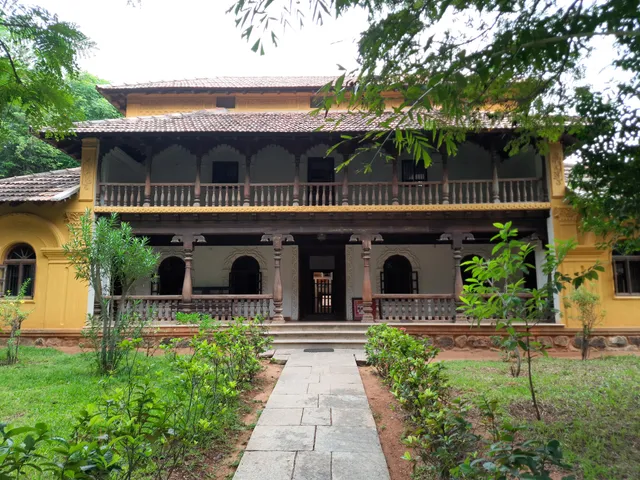
I visited Dhakana Chitra Heritage Museum with my family last weekend, and it was one of the most enjoyable and enriching day trips we’ve had in a long time. This place is more than just a museum — it’s a well-planned heritage village that combines cultural learning with a comfortable, family-friendly environment. I’ll share my experience in detail so that it helps anyone planning a visit.
⏰ Timings & Entry The museum is open from morning till evening (usually around 10:00 AM to 6:00 PM), and I recommend arriving as early as possible. We reached around 10:30 AM, which was perfect because the place was less crowded, the weather was cooler, and we could take our time exploring without rushing. The ticket counter staff were friendly and explained the map of the place so we could plan our route. They also mentioned the timings for any live demonstrations happening that day.
🧹 Cleanliness & Maintenance One of the first things I noticed was how incredibly clean and well-maintained the entire place is. The pathways are swept, there’s no litter anywhere, and the gardens are beautifully trimmed. Even the restrooms — something I’m always cautious about when visiting public places — were spotless, with running water, soap, and hand-drying facilities. The traditional houses and displays are also well-kept, with no dust or neglect, which really adds to the pleasant experience.
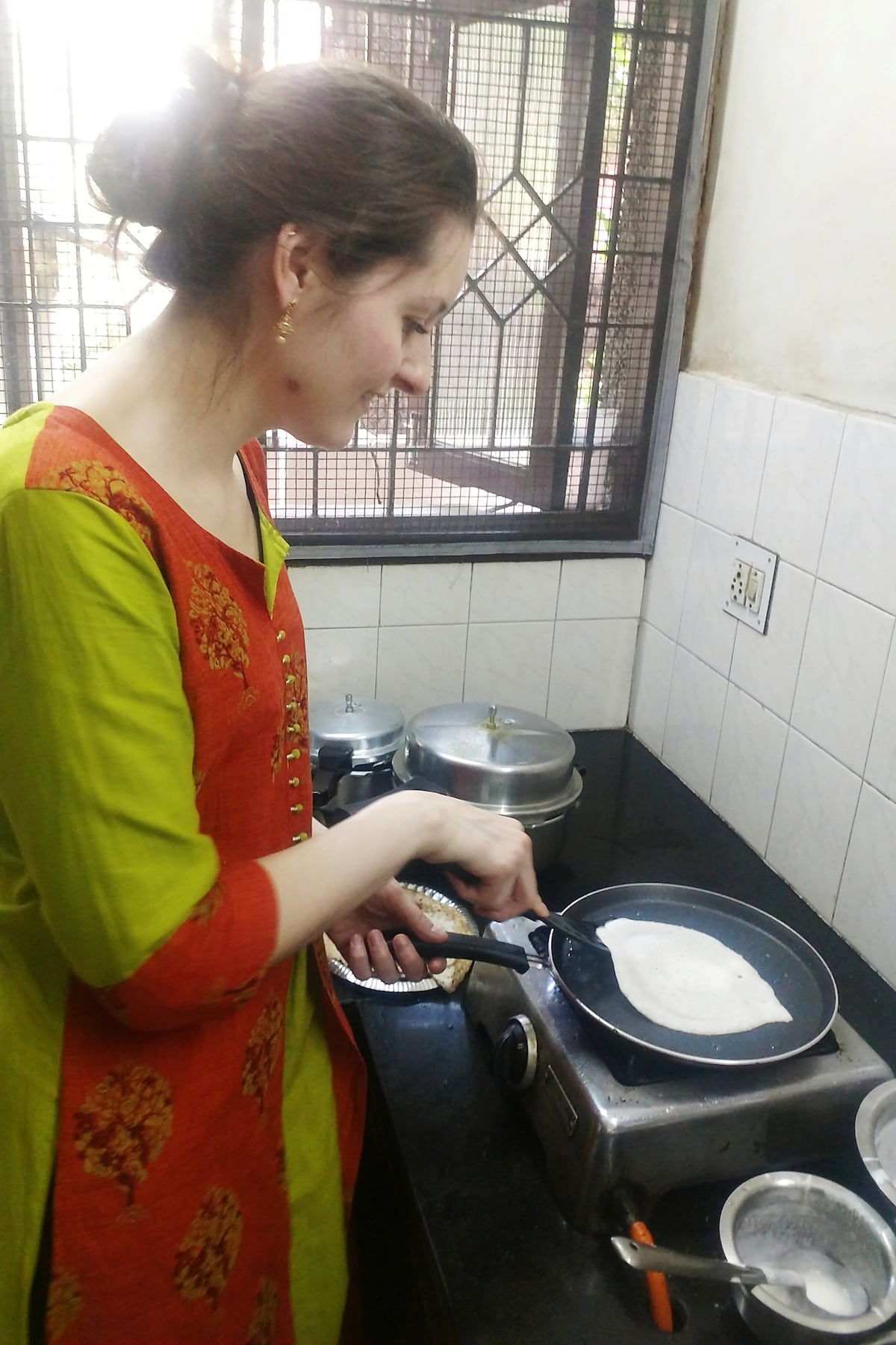
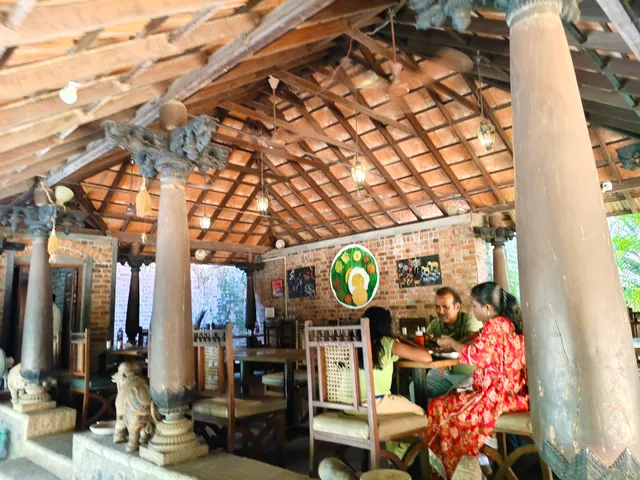
🍴 Food & Refreshments There’s a small but well-run food court area inside the museum grounds. The menu is simple, offering local South Indian snacks like dosa, idli, vada, and upma, along with fresh juices, coffee, and tea. Prices are reasonable, and the food tastes fresh and homely. We had a late breakfast of masala dosa and filter coffee, and it was delicious. For lunch, there’s a traditional thali option that gives you an authentic taste of local cuisine. There are also cold drinks, bottled water, and ice creams available, which is great if you’re visiting with kids. The seating area is shaded, clean, and surrounded by greenery, so it’s relaxing to take a break here.
Arrive early to avoid the afternoon heat and crowds.
Wear comfortable shoes because there’s a lot of walking.
Keep a hat, sunglasses, and sunscreen handy.
Carry some cash if you want to buy directly from artisans (though the main food court accepts digital payments).
Plan to spend at least 3 hours here — more if you have kids who want to explore every corner.
🏛 Museum Layout & Attractions The museum is designed like a small village, with different sections showcasing heritage from various parts of India. Each house or structure you enter has information boards in English and regional languages, explaining its history and purpose. This makes it easy for both adults and older children to understand and appreciate what they’re seeing
🎭 Cultural Performances & Seasonal Events Depending on when you visit, there may be live folk dance or music performances. We were lucky to catch a small folk dance performance in the afternoon, and it really added to the atmosphere. During festival seasons, the museum often has special events, craft fairs, and workshops for kids, so it’s worth checking their calendar before you go.
🌳 Atmosphere & Comfort The entire place has a very peaceful, relaxing atmosphere. Even though there’s a lot to see, it doesn’t feel rushed or crowded. The shaded walkways, occasional benches, and water refill stations make it easy to take breaks. There are plenty of trees and open spaces, so it’s never stuffy.
If you’re into photography, the museum is a paradise — every corner is photogenic, from the colorful doors to the hand-painted walls and traditional artefacts
🛍 Shopping for Souvenirs Near the exit, there’s a gift shop selling authentic handicrafts, postcards, and handmade toys. Prices are fair, and the quality is much better than what you’d find in typical tourist markets. We picked up a couple of hand-painted wooden keychains and a small terracotta pot — perfect as reminders...
Read more⏰ Timings & Entry The museum is open from morning till evening (usually around 10:00 AM to 6:00 PM), and I recommend arriving as early as possible. We reached around 10:30 AM, which was perfect because the place was less crowded, the weather was cooler, and we could take our time exploring without rushing. The ticket counter staff were friendly and explained the map of the place so we could plan our route. They also mentioned the timings for any live demonstrations happening that day.
🧹 Cleanliness & Maintenance One of the first things I noticed was how incredibly clean and well-maintained the entire place is. The pathways are swept, there’s no litter anywhere, and the gardens are beautifully trimmed. Even the restrooms — something I’m always cautious about when visiting public places — were spotless, with running water, soap, and hand-drying facilities. The traditional houses and displays are also well-kept, with no dust or neglect, which really adds to the pleasant experience.
🍴 Food & Refreshments There’s a small but well-run food court area inside the museum grounds. The menu is simple, offering local South Indian snacks like dosa, idli, vada, and upma, along with fresh juices, coffee, and tea. Prices are reasonable, and the food tastes fresh and homely. We had a late breakfast of masala dosa and filter coffee, and it was delicious. For lunch, there’s a traditional thali option that gives you an authentic taste of local cuisine. There are also cold drinks, bottled water, and ice creams available, which is great if you’re visiting with kids. The seating area is shaded, clean, and surrounded by greenery, so it’s relaxing to take a break here.
Arrive early to avoid the afternoon heat and crowds.
Wear comfortable shoes because there’s a lot of walking.
Keep a hat, sunglasses, and sunscreen handy.
Carry some cash if you want to buy directly from artisans (though the main food court accepts digital payments).
Plan to spend at least 3 hours here — more if you have kids who want to explore every corner.
🏛 Museum Layout & Attractions The museum is designed like a small village, with different sections showcasing heritage from various parts of India. Each house or structure you enter has information boards in English and regional languages, explaining its history and purpose. This makes it easy for both adults and older children to understand and appreciate what they’re seeing
🎭 Cultural Performances & Seasonal Events Depending on when you visit, there may be live folk dance or music performances. We were lucky to catch a small folk dance performance in the afternoon, and it really added to the atmosphere. During festival seasons, the museum often has special events, craft fairs, and workshops for kids, so it’s worth checking their calendar before you go.
🌳 Atmosphere & Comfort The entire place has a very peaceful, relaxing atmosphere. Even though there’s a lot to see, it doesn’t feel rushed or crowded. The shaded walkways, occasional benches, and water refill stations make it easy to take breaks. There are plenty of trees and open spaces, so it’s never stuffy.
If you’re into photography, the museum is a paradise — every corner is photogenic, from the colorful doors to the hand-painted walls and traditional artefacts
🛍 Shopping for Souvenirs Near the exit, there’s a gift shop selling authentic handicrafts, postcards, and handmade toys. Prices are fair, and the quality is much better than what you’d find in typical tourist markets. We picked up a couple of hand-painted wooden keychains and a small terracotta pot — perfect as reminders...
Read moreDhakshinachitra Heritage Museum, located in Chennai, India.
Pro's:
Cultural Diversity: It showcases the rich cultural heritage of South India, providing visitors with insights into the diverse traditions, art, and architecture of the region.
Architectural Marvel: The museum itself is a beautiful architectural representation of traditional South Indian houses, making it a unique and aesthetically pleasing experience.
Educational Value: It offers educational programs and workshops that help visitors learn about traditional crafts, art forms, and lifestyles of South India.
Preservation of Heritage: Dhakshinachitra plays a crucial role in preserving and promoting traditional practices and art forms, ensuring they are passed down to future generations.
Art and Craft Exhibits: The museum displays a wide range of art and craft exhibits, including textiles, pottery, jewelry, and more, allowing visitors to appreciate the craftsmanship of South India.
Cultural Events: It hosts cultural events, performances, and festivals that provide a platform for local artists and artisans to showcase their talents.
Serene Environment: The museum is set amidst a tranquil environment with lush greenery, making it a peaceful place to explore and connect with South Indian culture.
Accessibility: Located near Chennai, it's easily accessible to both locals and tourists, making it a convenient cultural destination.
Overall, Dhakshinachitra Heritage Museum offers a holistic cultural experience and serves as a valuable resource for preserving and celebrating the heritage of South India.
While Dhakshinachitra Heritage Museum has many merits, there are a few potential cons to consider:
Limited Focus: The museum primarily focuses on South Indian heritage, which may not offer a comprehensive representation of India's diverse cultural landscape.
Crowds: During peak tourist seasons or special events, the museum can become crowded, detracting from the peaceful and immersive experience some visitors may seek.
Maintenance: Some visitors have reported that certain areas of the museum may be in need of maintenance or restoration, potentially affecting the overall experience.
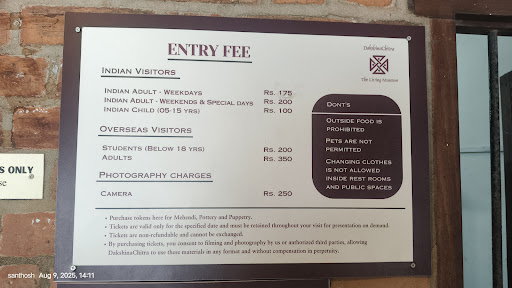
Admission Fees: The cost of admission may be relatively high for some visitors, particularly for foreign tourists, which could be a drawback for budget-conscious travelers.
Language Barriers: Information and exhibits may be primarily in local languages or Tamil, which could pose a language barrier for non-Tamil-speaking visitors.
Limited Accessibility: The location of the museum may not be easily accessible for individuals with mobility issues or those relying on public transportation.
Opening Hours: The museum's opening hours may not always align with the schedules of all visitors, so it's essential to check operating times in advance.
It's important to note that these potential cons may vary depending on individual preferences and expectations, and they should be weighed against the museum's many positive attributes when...
Read more