HTML SitemapExplore
logo
Find Things to DoFind The Best Restaurants

Jantar Mantar, Ujjain — Attraction in Ujjain

Name
Jantar Mantar, Ujjain
Description
Nearby attractions
Triveni Museum
43-44, Haripatak Railway Over Brg, Keshav Nagar, Ujjain, Madhya Pradesh 456006, India
Nearby restaurants
Modak Restaurant (By Atharva Hotel & Resort)
Mahakal-Harsiddhibipass Road Near Jantar Mantar, Madhya Pradesh 456010, India
Mahakaleshwar Annakshetra
5QG8+HF2, Jabsinghpura, Ujjain, Madhya Pradesh 456006, India
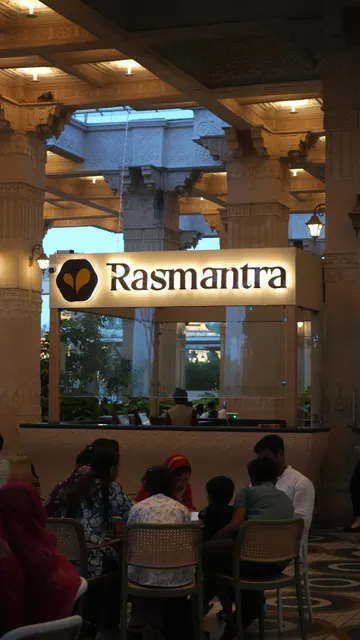
Rasmantra By Shiva Group
Mahakal Lok Mandir Parisar, Triveni Mandapam, Mahakal Lok Corridor Rd, Jairampura, Bagambag Colony, Ujjain, Madhya Pradesh 456006, India
Mahakal Lok Restaurant
Bhagat Singh Marg, Jabsinghpura, Ujjain, Madhya Pradesh 456001, India
Saffron Restaurant & Cafe
Hotel solitaire, Chintaman Rd, Ujjain, Madhya Pradesh 456010, India
Status Pure Veg Restaurant
New Hari Phatak, Indore Road, Ujjain, Ujjain, Madhya Pradesh 456010, India
Rajkumar Restaurant(Open Garden Restaurant)
Near Golden Petrol Pump, Over Bridge, Hari Phatak Indore, Road, Ujjain, Madhya Pradesh 456010, India
The Kitchen Restaurant
57/2 Hariphatak, Mahakal Marg, Ujjain, Madhya Pradesh 456006, India
Nearby hotels
Solitaire Hotel & Resort
Chintaman Road, Jaysinghpura, near Jantar Mantar, infront of Gyan Sagar Girls Academy, Ujjain, Madhya Pradesh 456010, India
Hotel shree datta dham palace
Jantar Mantar, Gaughat Pala Road, near Vikramaditya Vedik Ghadi, Jabsinghpura, Ujjain, Madhya Pradesh 456010, India
Hotel Atharva
Mahakal, Harsiddhi bypass road, near Jantar Mantar, Jaisinghpura, Ujjain, Madhya Pradesh 456010, India
HOTEL KESHAVRAJ PALACE
34/3, pipli bazaar, Jaisinghpura, Ujjain, Madhya Pradesh 456010, India
Hotel Namo Paradise
1, jantar mantar road, opposite ganga garden, Jaisinghpura, Ujjain, Madhya Pradesh 456010, India
Shri Anant Mahdev Guest House
Mahakal Lok Corridor Rd, Jaisinghpura, Ujjain, Madhya Pradesh 456010, India
Treebo Neel Orchid
Jantar Mantar marg Chintaman road, opp. Gyan Sagar school, Jaisinghpura, Ujjain, Madhya Pradesh 456010, India
The Mansarovar Hotel & Restaurant
mahakal lok, Parking, 42, Bhagat Singh Marg, Jaisinghpura, Ujjain, Madhya Pradesh 456006, India
Krishnashray homestay
70/1, Jaisinghpura, Ujjain, Madhya Pradesh 456010, India
Shreeram guest house
dhruv nagar, 81, behind Jain Mandir Road, Jaisinghpura, Ujjain, Madhya Pradesh 456010, India
Related posts
Keywords
Jantar Mantar, Ujjain tourism.Jantar Mantar, Ujjain hotels.Jantar Mantar, Ujjain bed and breakfast. flights to Jantar Mantar, Ujjain.Jantar Mantar, Ujjain attractions.Jantar Mantar, Ujjain restaurants.Jantar Mantar, Ujjain travel.Jantar Mantar, Ujjain travel guide.Jantar Mantar, Ujjain travel blog.Jantar Mantar, Ujjain pictures.Jantar Mantar, Ujjain photos.Jantar Mantar, Ujjain travel tips.Jantar Mantar, Ujjain maps.Jantar Mantar, Ujjain things to do.
Jantar Mantar, Ujjain things to do, attractions, restaurants, events info and trip planning

Jantar Mantar, Ujjain
IndiaMadhya PradeshUjjainJantar Mantar, Ujjain

Basic Info

Jantar Mantar, Ujjain

Chintaman Rd, Jabsinghpura, Ujjain, Madhya Pradesh 456010, India
4.3(2K)
Closed
Save
spot

Ratings & Description

Info

Cultural
Family friendly
attractions: Triveni Museum, restaurants: Modak Restaurant (By Atharva Hotel & Resort), Mahakaleshwar Annakshetra, Rasmantra By Shiva Group, Mahakal Lok Restaurant, Saffron Restaurant & Cafe, Status Pure Veg Restaurant, Rajkumar Restaurant(Open Garden Restaurant), The Kitchen Restaurant
logoLearn more insights from Wanderboat AI.
Open hoursSee all hours
Fri10:30 AM - 5:30 PMClosed

Plan your stay

hotel
Pet-friendly Hotels in Ujjain
Find a cozy hotel nearby and make it a full experience.

hotel
Affordable Hotels in Ujjain
Find a cozy hotel nearby and make it a full experience.

hotel
The Coolest Hotels You Haven't Heard Of (Yet)
Find a cozy hotel nearby and make it a full experience.

hotel
Trending Stays Worth the Hype in Ujjain
Find a cozy hotel nearby and make it a full experience.

Reviews

Nearby attractions of Jantar Mantar, Ujjain

Triveni Museum

Triveni Museum

Triveni Museum

4.5

(1.3K)

Closed
Click for details

Nearby restaurants of Jantar Mantar, Ujjain

Modak Restaurant (By Atharva Hotel & Resort)

Mahakaleshwar Annakshetra

Rasmantra By Shiva Group

Mahakal Lok Restaurant

Saffron Restaurant & Cafe

Status Pure Veg Restaurant

Rajkumar Restaurant(Open Garden Restaurant)

The Kitchen Restaurant
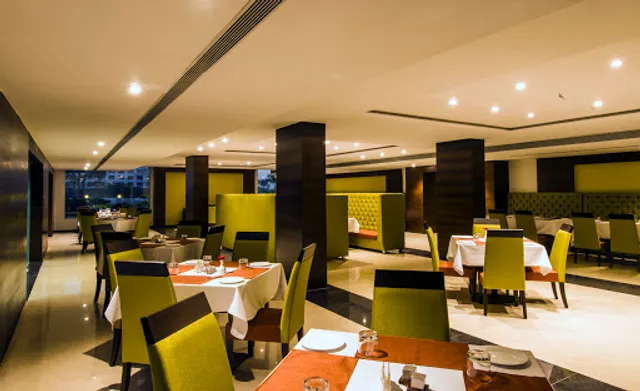
Modak Restaurant (By Atharva Hotel & Resort)

Modak Restaurant (By Atharva Hotel & Resort)

3.9

(252)

Click for details
Mahakaleshwar Annakshetra

Mahakaleshwar Annakshetra

4.6

(334)

$

Click for details
Rasmantra By Shiva Group

Rasmantra By Shiva Group

4.9

(1.2K)

Closed
Click for details
Mahakal Lok Restaurant

Mahakal Lok Restaurant

3.8

(26)

Closed
Click for details
Get the Appoverlay
Get the AppOne tap to find yournext favorite spots!
Wanderboat LogoWanderboat

Your everyday Al companion for getaway ideas

CompanyAbout Us
InformationAI Trip PlannerSitemap
SocialXInstagramTiktokLinkedin
LegalTerms of ServicePrivacy Policy

Get the app

© 2025 Wanderboat. All rights reserved.
logo

Reviews of Jantar Mantar, Ujjain

4.3
(1,966)
avatar
5.0
7y

Vedh Shala or Jantar Mantar is located in the holy city of New Ujjain. It is an observatorybuilt by Maharaja Jai Singh II in 1725 which consists of 13 architectural astronomy instruments. The observatory is one of the five observatories built by Maharaja Jai Singh II when he was governor of UjjainVedh Shala was constructed with the aim of measuring local time, altitude (of the place) and also to measure declination of the Sun, stars and planets and to determine eclipses. Motion, speed and properties of stars and planets were also recorded using several special instruments.

Jai Singh II was also an astronomer and had deep interest in science and astronomy. In early 18th century, he sent his scholars to several countries to study design, construction and technology of the observatories and also the prevalent technology. The scholars returned with their observations and many manuals on astronomy. Subsequently between 1724 and 1737, Jai Singh II had five observatories constructed in Jaipur, Mathura, New Delhi, Ujjain and in Varanasi

Vedh Shala, Ujjain is located on the site of India's first scientific observatory. The picturesque city of Ujjain is considered the Greenwich of India due to the fact that the first meridian of longitude passes through it. Going by the Indian astronomers, the Tropic of Cancer passes through Ujjain. The picturesque Ujjain is an ancient city of central India, in the Malwa region of Madhya Pradesh, on the eastern bank of the Kshipra River. The must visit places in Ujjain are Chintaman Ganesh, ISKCON Temple, Mahakal Temple, Kaal Bhairav, Triveni (Nav Graha/ Shani), Mangalnaath, Harsidhhi (Durga Temple), Gadh Kalika and Sandipani Ashram. History:

Vedh Shala, Madhya Pradesh was built by Maharaja Jai Singh between 1725 and 1730. Vedh Shala, Ujjain is a masterpiece and an excellent work of art.

Description:

Vedh Shala, Ujjain possesses instruments that are used to determine the locations of heavenly bodies for astrological purposes. The other things available in Vedh Shala in Ujjain in India are a small planetarium and a telescope for the purpose of moon-gazing and observing the planets Mars and Jupiter and their satellites. The Vedh Shala in Ujjain in India is a bit smaller than those in Jaipur and Delhi, but is quite interesting and very much in use. The complete year's astronomical ephemeris in both English and Hindi can be purchased by the astrologers at the observatory for Rs15. The structure of the monument reflects the hard word and superb skill that has gone...

   Read more
avatar
5.0
1y

The Jantar Mantar in Ujjain is a fascinating window into India's scientific heritage, offering a glimpse into the astronomical prowess of its ancestors.  Unlike the temples that dominate Ujjain's landscape, this observatory stands as a testament to the city's historical role as a center of learning and scientific inquiry.

Built by Maharaja Jai Singh II of Jaipur in the 18th century, the Jantar Mantar is a collection of architectural astronomical instruments designed to measure time, track celestial bodies, and decipher the cosmos. These massive structures, built with impressive precision, are a marvel of ancient engineering and a testament to the sophisticated understanding of astronomy in that era.

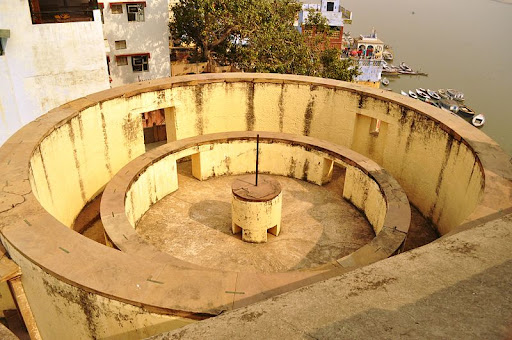
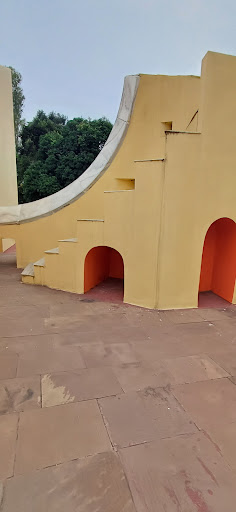
Walking through the observatory is like stepping into an open-air museum of astronomy. Each instrument has a specific purpose and design: Samrat Yantra: This massive sundial, the largest instrument at the observatory, is used to measure time with remarkable accuracy. Nadivalaya Yantra: This instrument helps determine the local meridian and measure the zenith distance of celestial bodies. Digansha Yantra:  Used to measure the azimuth (horizontal angle) of celestial bodies. Other Instruments: The observatory also houses various other instruments like the Shanku Yantra, Rashivalaya Yantra, and more, each serving a unique astronomical purpose.

The Jantar Mantar is not just a collection of ancient structures; it's a living testament to the scientific curiosity and ingenuity of India's past. It's a place where you can connect with the history of astronomy, learn about the movement of celestial bodies, and appreciate the intricate relationship between humans and the cosmos.

Consider taking a guided tour to gain a deeper understanding of the instruments and their functions. Capture the unique beauty and grandeur of the instruments. The Jantar Mantar is located close to other historical sites in Ujjain, making it easy to combine your visit. Early mornings or late afternoons offer pleasant weather for exploring the outdoor observatory.

The Jantar Mantar in Ujjain is a must-visit for anyone interested in astronomy, history, or science. It's an educational and awe-inspiring experience that offers a unique perspective on India's rich...

   Read more
avatar
5.0
4y

The architectural marvel Jantar Mantar (also called the Vedh Shala Observatory), established in the 17th century is the oldest to be constructed among the group of five observatories ( Jaipur, Delhi, Ujjain, Mathura, and Varanasi). Maharaja Jai Singh took onto its construction in 1719 to help the Hindu scholars and astrologers with their research and studies. Jantar Mantar, an outcome of great diligence has not only served as the research station to astronomers in the old times but also continues to serve its astronomical as well as tourism purpose even today. Visiting the place would make you learn about the ways by which time, revolutions, and position of celestial bodies were calculated in the bygone age. Everything you see would surely make you think about the richness of king's intelligence. Furthermore, the place is a paradise for stargazers.

The studies of motions and orbits constituted here have bought it the name of 'Yantra Mahal'. It has different yantras such as Samrat Yantra, Sun Dial, Niyati Chakra, etc. The primary purpose behind the construction of Jantar Mantar was to illustrate and compile the data collected by astronomical calculations, the results of which helped in the study of the movement of sun, planets and their moons. Moreover, the observatory in Ujjain is the only observatory where astronomical research is still carried out. Several data including the study of planetary motions get published every year. Jantar Mantar indeed is a work of intelligence which undoubtedly has brought grandeur to the Indian...

   Read more
Page 1 of 7
Previous
Next

Posts

BIMLESH KUMAR PATELBIMLESH KUMAR PATEL
Vedh Shala or Jantar Mantar is located in the holy city of New Ujjain. It is an observatorybuilt by Maharaja Jai Singh II in 1725 which consists of 13 architectural astronomy instruments. The observatory is one of the five observatories built by Maharaja Jai Singh II when he was governor of UjjainVedh Shala was constructed with the aim of measuring local time, altitude (of the place) and also to measure declination of the Sun, stars and planets and to determine eclipses. Motion, speed and properties of stars and planets were also recorded using several special instruments. Jai Singh II was also an astronomer and had deep interest in science and astronomy. In early 18th century, he sent his scholars to several countries to study design, construction and technology of the observatories and also the prevalent technology. The scholars returned with their observations and many manuals on astronomy. Subsequently between 1724 and 1737, Jai Singh II had five observatories constructed in Jaipur, Mathura, New Delhi, Ujjain and in Varanasi Vedh Shala, Ujjain is located on the site of India's first scientific observatory. The picturesque city of Ujjain is considered the Greenwich of India due to the fact that the first meridian of longitude passes through it. Going by the Indian astronomers, the Tropic of Cancer passes through Ujjain. The picturesque Ujjain is an ancient city of central India, in the Malwa region of Madhya Pradesh, on the eastern bank of the Kshipra River. The must visit places in Ujjain are Chintaman Ganesh, ISKCON Temple, Mahakal Temple, Kaal Bhairav, Triveni (Nav Graha/ Shani), Mangalnaath, Harsidhhi (Durga Temple), Gadh Kalika and Sandipani Ashram. History: Vedh Shala, Madhya Pradesh was built by Maharaja Jai Singh between 1725 and 1730. Vedh Shala, Ujjain is a masterpiece and an excellent work of art. Description: Vedh Shala, Ujjain possesses instruments that are used to determine the locations of heavenly bodies for astrological purposes. The other things available in Vedh Shala in Ujjain in India are a small planetarium and a telescope for the purpose of moon-gazing and observing the planets Mars and Jupiter and their satellites. The Vedh Shala in Ujjain in India is a bit smaller than those in Jaipur and Delhi, but is quite interesting and very much in use. The complete year's astronomical ephemeris in both English and Hindi can be purchased by the astrologers at the observatory for Rs15. The structure of the monument reflects the hard word and superb skill that has gone into making it.
lini klini k
The Jantar Mantar in Ujjain is a fascinating window into India's scientific heritage, offering a glimpse into the astronomical prowess of its ancestors.  Unlike the temples that dominate Ujjain's landscape, this observatory stands as a testament to the city's historical role as a center of learning and scientific inquiry. Built by Maharaja Jai Singh II of Jaipur in the 18th century, the Jantar Mantar is a collection of architectural astronomical instruments designed to measure time, track celestial bodies, and decipher the cosmos. These massive structures, built with impressive precision, are a marvel of ancient engineering and a testament to the sophisticated understanding of astronomy in that era. Walking through the observatory is like stepping into an open-air museum of astronomy. Each instrument has a specific purpose and design: Samrat Yantra: This massive sundial, the largest instrument at the observatory, is used to measure time with remarkable accuracy. Nadivalaya Yantra: This instrument helps determine the local meridian and measure the zenith distance of celestial bodies. Digansha Yantra:  Used to measure the azimuth (horizontal angle) of celestial bodies. Other Instruments: The observatory also houses various other instruments like the Shanku Yantra, Rashivalaya Yantra, and more, each serving a unique astronomical purpose. The Jantar Mantar is not just a collection of ancient structures; it's a living testament to the scientific curiosity and ingenuity of India's past. It's a place where you can connect with the history of astronomy, learn about the movement of celestial bodies, and appreciate the intricate relationship between humans and the cosmos. Consider taking a guided tour to gain a deeper understanding of the instruments and their functions. Capture the unique beauty and grandeur of the instruments. The Jantar Mantar is located close to other historical sites in Ujjain, making it easy to combine your visit. Early mornings or late afternoons offer pleasant weather for exploring the outdoor observatory. The Jantar Mantar in Ujjain is a must-visit for anyone interested in astronomy, history, or science. It's an educational and awe-inspiring experience that offers a unique perspective on India's rich scientific heritage.
Dr KR ViswanthanDr KR Viswanthan
THE ONLY ASTRONOMCAL OBSERVATORY ON TROPIC OF CANCER IN INDIA: Jantar Mantar in Ujjain is one of five such astronomical observatories that you come across in other cities such as Delhi, Jaipur etc. This one dates back to 18th century (1730 CE to be precise) and was built by Maharaja Sawai Jai Singh II of Jaipur, who himself was an astronomer and mathematician. . This observatory stands apart from all the others in that the one in Ujjain lies right on the Tropic of Cancer and has been an important centre since ancient times. In fact Tropic of Cancer was considered by many as the Prime Meridian of India, similar to Greenwich Meridian. Jantar Mantar in Ujjain is located on the banks of Kshipra river, in the proximity of Mahakaleshwar temple. The purpose of this observatory s to observe celestial bodies, calculate time and study various phenomena associated with astronomy. Several unique instruments are housed here, including Samrat Yantra (Supreme instrument) which calculates time with remarkable accuracy, Nadivalaya Yantra, Digansha Yantra (to determine azimuth of celestial bodies), Shanku Yantra, Chakra Yantra etc. The observatory functions as a site for scientific education, cultural heritage and tourism. We visited it on a Sunday and it roughly takes two hours to see and appreciate functions of various instruments available there. Fortunately, it was not very crowded and the whole place is maintained well.
See more posts
See more posts
hotel
Find your stay

Pet-friendly Hotels in Ujjain

Find a cozy hotel nearby and make it a full experience.

Vedh Shala or Jantar Mantar is located in the holy city of New Ujjain. It is an observatorybuilt by Maharaja Jai Singh II in 1725 which consists of 13 architectural astronomy instruments. The observatory is one of the five observatories built by Maharaja Jai Singh II when he was governor of UjjainVedh Shala was constructed with the aim of measuring local time, altitude (of the place) and also to measure declination of the Sun, stars and planets and to determine eclipses. Motion, speed and properties of stars and planets were also recorded using several special instruments. Jai Singh II was also an astronomer and had deep interest in science and astronomy. In early 18th century, he sent his scholars to several countries to study design, construction and technology of the observatories and also the prevalent technology. The scholars returned with their observations and many manuals on astronomy. Subsequently between 1724 and 1737, Jai Singh II had five observatories constructed in Jaipur, Mathura, New Delhi, Ujjain and in Varanasi Vedh Shala, Ujjain is located on the site of India's first scientific observatory. The picturesque city of Ujjain is considered the Greenwich of India due to the fact that the first meridian of longitude passes through it. Going by the Indian astronomers, the Tropic of Cancer passes through Ujjain. The picturesque Ujjain is an ancient city of central India, in the Malwa region of Madhya Pradesh, on the eastern bank of the Kshipra River. The must visit places in Ujjain are Chintaman Ganesh, ISKCON Temple, Mahakal Temple, Kaal Bhairav, Triveni (Nav Graha/ Shani), Mangalnaath, Harsidhhi (Durga Temple), Gadh Kalika and Sandipani Ashram. History: Vedh Shala, Madhya Pradesh was built by Maharaja Jai Singh between 1725 and 1730. Vedh Shala, Ujjain is a masterpiece and an excellent work of art. Description: Vedh Shala, Ujjain possesses instruments that are used to determine the locations of heavenly bodies for astrological purposes. The other things available in Vedh Shala in Ujjain in India are a small planetarium and a telescope for the purpose of moon-gazing and observing the planets Mars and Jupiter and their satellites. The Vedh Shala in Ujjain in India is a bit smaller than those in Jaipur and Delhi, but is quite interesting and very much in use. The complete year's astronomical ephemeris in both English and Hindi can be purchased by the astrologers at the observatory for Rs15. The structure of the monument reflects the hard word and superb skill that has gone into making it.
BIMLESH KUMAR PATEL

BIMLESH KUMAR PATEL

hotel
Find your stay

Affordable Hotels in Ujjain

Find a cozy hotel nearby and make it a full experience.

Get the Appoverlay
Get the AppOne tap to find yournext favorite spots!
The Jantar Mantar in Ujjain is a fascinating window into India's scientific heritage, offering a glimpse into the astronomical prowess of its ancestors.  Unlike the temples that dominate Ujjain's landscape, this observatory stands as a testament to the city's historical role as a center of learning and scientific inquiry. Built by Maharaja Jai Singh II of Jaipur in the 18th century, the Jantar Mantar is a collection of architectural astronomical instruments designed to measure time, track celestial bodies, and decipher the cosmos. These massive structures, built with impressive precision, are a marvel of ancient engineering and a testament to the sophisticated understanding of astronomy in that era. Walking through the observatory is like stepping into an open-air museum of astronomy. Each instrument has a specific purpose and design: Samrat Yantra: This massive sundial, the largest instrument at the observatory, is used to measure time with remarkable accuracy. Nadivalaya Yantra: This instrument helps determine the local meridian and measure the zenith distance of celestial bodies. Digansha Yantra:  Used to measure the azimuth (horizontal angle) of celestial bodies. Other Instruments: The observatory also houses various other instruments like the Shanku Yantra, Rashivalaya Yantra, and more, each serving a unique astronomical purpose. The Jantar Mantar is not just a collection of ancient structures; it's a living testament to the scientific curiosity and ingenuity of India's past. It's a place where you can connect with the history of astronomy, learn about the movement of celestial bodies, and appreciate the intricate relationship between humans and the cosmos. Consider taking a guided tour to gain a deeper understanding of the instruments and their functions. Capture the unique beauty and grandeur of the instruments. The Jantar Mantar is located close to other historical sites in Ujjain, making it easy to combine your visit. Early mornings or late afternoons offer pleasant weather for exploring the outdoor observatory. The Jantar Mantar in Ujjain is a must-visit for anyone interested in astronomy, history, or science. It's an educational and awe-inspiring experience that offers a unique perspective on India's rich scientific heritage.
lini k

lini k

hotel
Find your stay

The Coolest Hotels You Haven't Heard Of (Yet)

Find a cozy hotel nearby and make it a full experience.

hotel
Find your stay

Trending Stays Worth the Hype in Ujjain

Find a cozy hotel nearby and make it a full experience.

THE ONLY ASTRONOMCAL OBSERVATORY ON TROPIC OF CANCER IN INDIA: Jantar Mantar in Ujjain is one of five such astronomical observatories that you come across in other cities such as Delhi, Jaipur etc. This one dates back to 18th century (1730 CE to be precise) and was built by Maharaja Sawai Jai Singh II of Jaipur, who himself was an astronomer and mathematician. . This observatory stands apart from all the others in that the one in Ujjain lies right on the Tropic of Cancer and has been an important centre since ancient times. In fact Tropic of Cancer was considered by many as the Prime Meridian of India, similar to Greenwich Meridian. Jantar Mantar in Ujjain is located on the banks of Kshipra river, in the proximity of Mahakaleshwar temple. The purpose of this observatory s to observe celestial bodies, calculate time and study various phenomena associated with astronomy. Several unique instruments are housed here, including Samrat Yantra (Supreme instrument) which calculates time with remarkable accuracy, Nadivalaya Yantra, Digansha Yantra (to determine azimuth of celestial bodies), Shanku Yantra, Chakra Yantra etc. The observatory functions as a site for scientific education, cultural heritage and tourism. We visited it on a Sunday and it roughly takes two hours to see and appreciate functions of various instruments available there. Fortunately, it was not very crowded and the whole place is maintained well.
Dr KR Viswanthan

Dr KR Viswanthan

See more posts
See more posts