Triveni Archaeological Museum, Ujjain
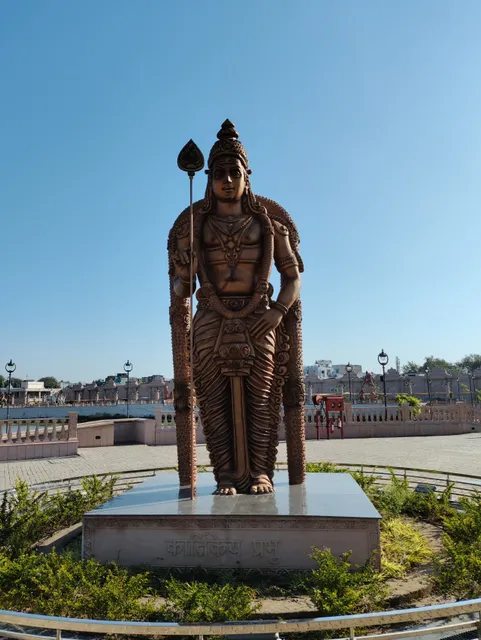
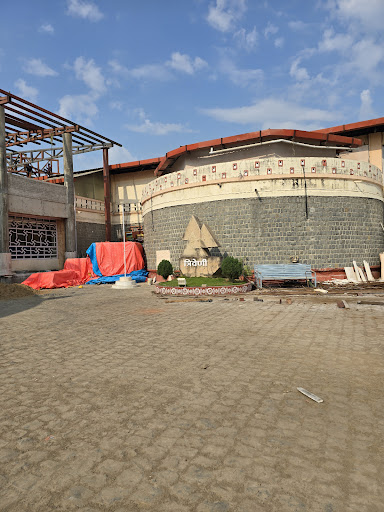
Triveni Archaeological Museum is being established by Directorate of Archaeology, Archives and Museums M.P. Government on the occasion of Simhasth 2016. It comprises of 3 galleries named Shaiv, Vaishnava and Shakt. The Triveni concepts is based on the composition of three cult particular Shaivayan (Shiv), Krishnayan(Vasudev Krishna) and Durgayan (goddess Durga). The stone sculpture, coins, miniature painting and other material have been displayed in these gallery.
SHAIVAYAN- Shaiva Gallery
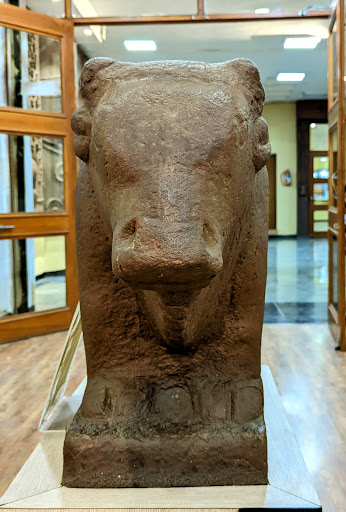
The Ujjaini was a centre of shaiv sect in Malwa since Pauranic period, Ujjaini and Mahakal were established after the great victoy of Shiv over demon Tripur. Ujjaini described as shaiv pilgrmage in Aranyak parv of Mahabharat. Mahakal of Ujjaini is also counted in lingayatas, five holy shivlingas, ashta guhya lingas and in 12 jyotirlingas. The four faced shivling of Pinglashwar and standing nandi of Sandipani hermitage are earlier evidences of shaiv sects in ujjaini. The temples were constructed in M.P. since the Shung period which contiued to 13th century A.D. when shaiv sect gradually developed and flourished.
Sculptures desplayed in this gallery are the best specimen of art developed in in different regions of M.P. in early medieval period. The Most notable among them are standing nandi of the Shunga period collected from Vidisha, Eka mukh Shivling collected from Bharjuna (Satna) and Mau (Shahdol), and a Chaturmurti ling (Sarvatobhadrika), Badoh-Pathari.
(Vidisha), are the unique pieces of Gupta art. An image of Nataraj Shiv (Dancing shiv) of Ujjain and a Ganesh of Keledhar (Shivpuri) represent Pratihar art of 8th century A.D. Other sculptures of Tripurantak, Uma-maheshwar, Shiv-vareshwar, Lakulish, Sadashiv, Bhairav are representing the Parmar art of Malwa region. Chandella art representing- Riddhi-Ganesh , Shiv Vaidynath, Harihar, Shiv slaying Gajasur etc., while Har-Gauri, Gajasurbadh (Rewa), Uma-Maheshwar, Ardhanarishwar, Shiv (Jabalpur), Kartikey, Ganesh and Uma-Maheshwar (Shahdol), Shiv, Uma-Maheshwar (Satna) are the best pieces of the Kalachuri art style. The scuplture displayed in this gallery ranging from first century B.C. to 14th A.D
Krishnayan-(Vaishnav) Gallery
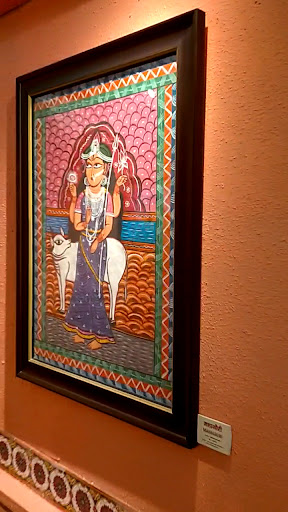
In the Krishnayan gallery the best specimen of various art styles which developed in M.P. have been displayed. Most notable among them-are Harihar image of Mandsaur, Vishnu and Hayagriva images of Ujjain. These are the best specimen of the Aulikar- Gupta period, while Balaram of Morena, Kalki and Nravarah of Vidisha, Lakshmi-narayan of Bolia (Mandsaur), Vishnu-Vishwaroop of Sihoniya (Morena) etc. are the best specimen of Pratihar art. The specimen of the Kalachuri art are of Garudasin Lakshmi Narayan of Mankedi (Jabalpur), Trivikram of Damoh, Balaram of Jabalpur, Nravarah of Doni (Damoh), Virata-Vishnu of Antara (Shahdol), Vishnu of Sohagpur (Shahdol), Krishna janm of Gwali (Shahdol), Harihar of Shahpura (Shahdol) Gajendra Mokesh of Rewa etc. The sculptures of the Chandela art styles are Vishnu and Sheshshayi Vishnu of Chhatarpur, Garud of Achatta (Chhatarpur) etc. The images of the Parmar art are Nrasimha of Hinglajgarh, Yoganarayan, Sheshshayi Vishnu, Dashawatar panel, Hayagriv of Ujjain etc. the miniature paintings of Krishna Lila and a stone sculpture of Gopal Krishna belonging to 19th century are also displyed in this gallery.
Durgayan-(Shakt) Gallery
The sculptures displayed in this gallery, represent the art of various centres developed in different parts of M.P. from third century AD to 14th century A.D. Most notable among them is a Saraswati image of Manasa (Neemuch) dated 3rd century. The Parvati image of Bhatoora (Satna) and Matrakas images of Nonchand (Panna). are the best pieces of Gupta and later Gupta art.
The Mahishasur mardini of Avara (Mandsour) and Kaumari of Bhanpura (Mandsour) are the best instance of Rastrakuta art of 8th century A.D. Other sculptures are the best specimen of Chandela, Kalchuri, Pratihar-Kachchhaapghat and the Parmar art, which developed in present M.P. in early...
Read moreTriveni Museum, located in the heart of Ujjain, Madhya Pradesh, is a vibrant repository of the region’s rich artistic, archaeological, and spiritual legacy. Established in 2016 during the Simhastha Kumbh festival, the museum has rapidly become a cultural landmark, offering deep insights into Ujjain’s role as a historical, religious, and educational center.
Historical Context and Significance Ujjain is among the seven holiest cities in Hinduism, famous as a seat of learning, devotion, and cosmic science. Triveni Museum was founded to preserve and showcase the city’s centuries-old treasures, with its name “Triveni” symbolizing the confluence of three sacred rivers—Ganga, Yamuna, and Saraswati. This logo echoes the museum’s ethos: serving as a confluence of traditions, faiths, and artistic disciplines.
The museum was developed by the Directorate of Archaeology, Archives, and Museums, Madhya Pradesh, to celebrate the heritage found in excavations and historical studies across the Malwa region. Its opening during Simhastha Kumbh—a festival attracting millions—marks its importance in Ujjain’s contemporary spiritual and cultural renaissance.
Galleries and Collections The Triveni Museum features three primary galleries, each reflecting a major strain of Hindu worship and art: Shaiva, Vaishnava, and Shakti.
Shaiva Gallery: Focused on Lord Shiva, this section houses medieval sculptures and artwork depicting Bhairava, Nataraja, Uma Maheshwar, Tripurantaka, and other forms. Many pieces date back to the glorious Gupta and Parmar periods, known for their intricate craftsmanship and spiritual symbolism.
Vaishnava Gallery: Dedicated to Lord Vishnu, this gallery boasts artifacts and sculptures portraying his various avatars and forms such as Harihara, Hayagriva, and Narasimha. Miniature paintings, coins, and other relics highlight the diversity of artistic traditions in Ujjain and the Malwa region.
Shakti Gallery: Celebrates the divine feminine, with sculptures and paintings of goddesses like Durga, Parvati, Kali, and Mahishasura Mardini. This section reflects the region’s deep-rooted veneration of Shakti and the many creative expressions that have proliferated here.
Beyond these, the museum includes invaluable artifacts: ancient coins, rare manuscripts and inscriptions, pottery, and fossils—some from the Narmada Valley. These items offer a direct connection to the daily life, governance, and beliefs of historic Ujjain.
Cultural, Educational, and Artistic Value The museum is not only a storehouse of artifacts; it acts as a living cultural center. Regular lectures, workshops, educational programs, and temporary exhibitions provide dynamic learning opportunities. Students, tourists, and locals can engage with India’s artistic heritage through interactive displays and guided tours, connecting with Ujjain’s contribution to economics, astronomy, and the fine arts.
The artistic section showcases murals and replicas from MP’s major periods—Kalachuri, Pratihara, Chandela, and Parmar—allowing visitors to trace India’s artistic evolution at a glance.
Visitor Experience Triveni Museum is open from 8am to 10pm (closed Tuesdays). Entry fees are affordable: ₹20 for Indians and ₹400 for foreign nationals, with additional charges for photography. Its welcoming atmosphere, well-organized galleries, and multifaceted exhibits make it ideal for both enthusiasts and casual visitors.
Located near other important landmarks—such as Sandipani Ashram, Mahakaleshwar Temple, and Kaliadeh Palace—the museum is easily accessible and often the starting point for heritage tours in Ujjain.
Impact and Future Triveni Museum safeguards the city’s legacy while promoting cultural understanding. It’s become a prominent resource for students, researchers, and art lovers, offering new perspectives through both traditional and innovative methods. Plans for expansion include digital exhibits, online tours, and collaborative programs, ensuring accessibility to wider audiences. wonderful...
Read moreTriveni Archaeological Museum is being established by Directorate of Archaeology, Archives and Museums M.P. Government on the occasion of Simhasth 2016. It comprises of 3 galleries named Shaiv, Vaishnava and Shakt. The Triveni concepts is based on the composition of three cult particular Shaivayan (Shiv), Krishnayan(Vasudev Krishna) and Durgayan (goddess Durga). The stone sculpture, coins, miniature painting and other material have been displayed in these gallery. The Ujjaini was a centre of shaiv sect in Malwa since Pauranic period, Ujjaini and Mahakal were established after the great victoy of Shiv over demon Tripur. Ujjaini described as shaiv pilgrmage in Aranyak parv of Mahabharat. Mahakal of Ujjaini is also counted in lingayatas, five holy shivlingas, ashta guhya lingas and in 12 jyotirlingas. The four faced shivling of Pinglashwar and standing nandi of Sandipani hermitage are earlier evidences of shaiv sects in ujjaini. The temples were constructed in M.P. since the Shung period which contiued to 13th century A.D. when shaiv sect gradually developed and flourished. In the Krishnayan gallery the best specimen of various art styles which developed in M.P. have been displayed. The sculptures displayed in this gallery, represent the art of various centres developed in different parts of M.P. from third century AD to 14th century A.D. Most notable among them is a Saraswati image of Manasa (Neemuch) dated 3rd century. The Parvati image of Bhatoora (Satna) and Matrakas images of Nonchand (Panna). are the best pieces of Gupta and...
Read more