Review of Golu Devta Temple – The Ghantiyonwala Mandir in Uttarakhand
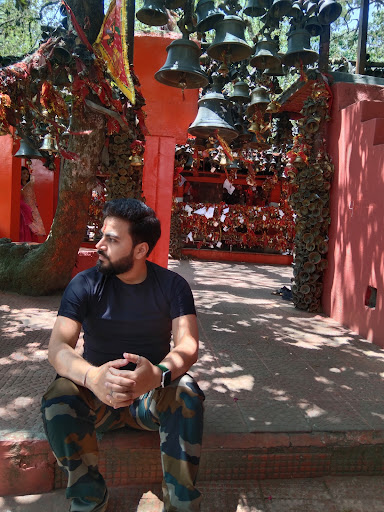
Visiting Golu Devta Temple, popularly known as the Ghantiyonwala Mandir, was a unique and spiritual experience. This temple holds great significance, as it is believed that wishes made here come true if you tie a bell in the temple premises. Additionally, devotees write their wishes on paper and attach them to the temple walls. It was quite fascinating to see thousands of handwritten notes—people have poured their hearts into their wishes, from personal prayers to professional aspirations. Some devotees have even tied their visiting cards, business logos, and other personal identifiers, which gave me an interesting perspective—if you’re an entrepreneur or professional, carrying your business cards here might not just be symbolic but could also bring you new opportunities and growth.
Smooth Darshan Experience but Some Management Issues
One thing I appreciated was that there wasn’t a long queue; the line moved consistently, making darshan convenient. Parking is available, which is always a plus at popular pilgrimage sites. However, there are some aspects that could be better managed.
Parikrama and Space Constraints
The parikrama area (the circumambulation path around the temple) has a very low ceiling, which means that taller people cannot stand upright while walking. I noticed many devotees struggling with this, bending their heads and backs to pass through. This is something to keep in mind before visiting, especially for elderly devotees or those with physical discomfort.
Concerns with the Temple Management and Priest’s Behavior
Another aspect that I found disappointing was the interaction with the temple priest. While a puja was going on in front of the mandir, the area was blocked off, making it difficult for people to get darshan from that spot. When I asked Pandit Ji about it, instead of providing a polite or informative response, he seemed irritated and started making unnecessary remarks, such as implying that some visitors come for fun and that a temple is not a park.
I completely understand that temples are places of worship, and people come to pray and seek blessings. However, it is also the responsibility of the temple authorities to ensure smooth darshan for everyone. If a major puja is happening, there should be a fixed system—perhaps a separate designated area for such rituals so that devotees who have come for darshan are not left confused or feeling unwelcome.
The priest also made unsolicited remarks about other temples, such as Kainchi Dham, implying that people simply go there to buy prasad (ladoos) and leave. I found this unnecessary and inappropriate because every temple has its own importance and traditions. It is not for a priest to judge the devotion of people—each individual has their own connection with God.
A Message for Temple Authorities and Devotees
I believe that faith does not require unnecessary hardships imposed by human mismanagement. While many say that Bhagwan doesn’t come easily and that some kasht (hardships) are part of the devotion, it is not the duty of a priest or management to create these hardships. If a devotee is meant to go through struggles, that is God’s will, not something a priest should dictate.
For anyone planning to visit: • Carry a bell, a paper to write your wish, or even your business card if you’d like to tie it there. • Expect a smooth-moving line with minimal waiting time. • Be prepared to bend down in the parikrama area if you are tall. • If a big puja is going on, understand that the main area might be blocked temporarily. • Avoid engaging in unnecessary discussions with the priest if you encounter any rudeness—focus on your darshan.
Despite the management issues, Golu Devta Temple remains a deeply spiritual place, and I still felt a strong divine presence. If the authorities could take steps to improve crowd management and ensure a more welcoming experience, it would make the visit even more fulfilling for...
Read moreGolu Devta Temple, located in the picturesque Garhwal region of Uttarakhand, India, is a revered shrine dedicated to Golu Devta, a local deity who is believed to protect the people of the region. Here's a brief review of Golu Devta Temple: Significance and Beliefs: Local Deity: Golu Devta is a popular local deity, worshipped by the people of Garhwal for his blessings and protection. He is believed to have the power to heal illnesses, resolve disputes, and bring prosperity. Legends: There are various legends associated with Golu Devta, including his association with the British Raj and his role in protecting the region from invaders. Temple Architecture: Traditional Garhwali Style: The temple is built in the traditional Garhwali architectural style, featuring a simple and unadorned structure. Wooden Carvings: The temple is adorned with intricate wooden carvings, depicting scenes from Hindu mythology and local folklore. Cultural Significance: Local Festivals: Golu Devta Temple is the center of many local festivals and celebrations, including the annual Golu Devta Mela. Folklore and Music: The temple is associated with various forms of folklore, music, and dance, which are performed during religious ceremonies and festivals. Experience: Peaceful Atmosphere: The temple offers a peaceful and serene atmosphere, ideal for spiritual contemplation. Devotees: The temple attracts devotees from all walks of life, who come to seek blessings and offer prayers. Aarti and Puja: Witnessing the evening aarti and puja is a spiritual experience, as devotees gather to sing hymns and offer prayers. Beautiful Location: The temple is situated in a picturesque location, surrounded by lush green hills and forests. How to Reach: By Road: Golu Devta Temple is well-connected by road. You can reach here from Rishikesh, Haridwar, or Dehradun. By Air: The nearest airport is Jolly Grant Airport in Dehradun. By Train: The nearest railway station is Rishikesh. Overall, Golu Devta Temple is a must-visit pilgrimage site for those seeking blessings, spiritual solace, and a glimpse into the rich cultural heritage of Uttarakhand. The temple's peaceful atmosphere, traditional architecture, and local significance make it a truly...
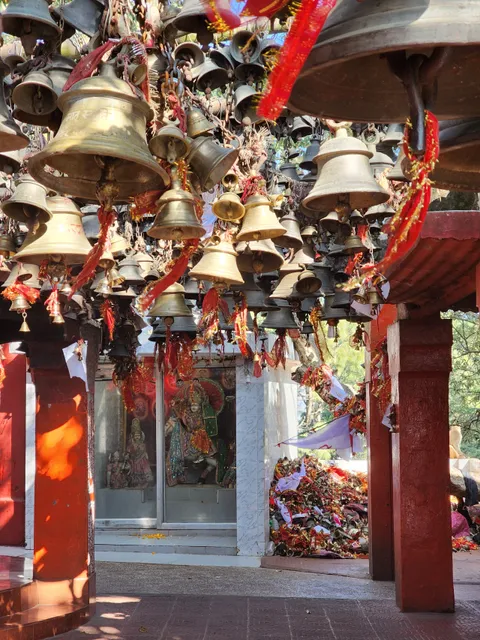
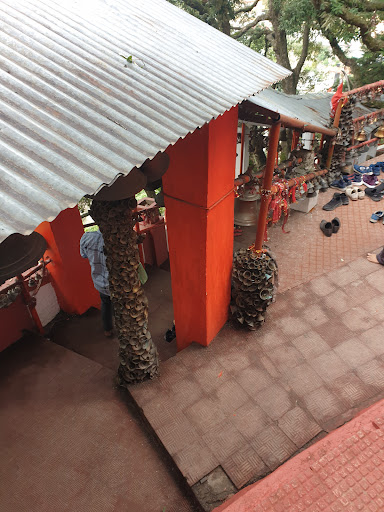
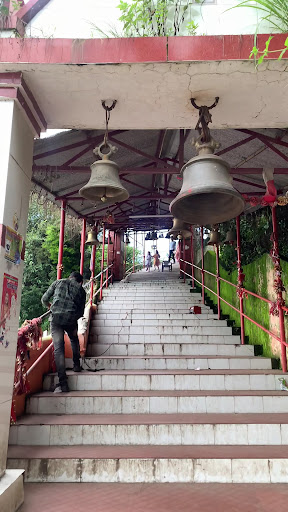
Read moreGolu Devta is not a God from Indian Theology. He was a just and kind king. Every generation, while recounting stories of his deeds, raised him a notch higher, until he was elevated to the status of a God, with a temple to worship him! Today, he is looked upon as the Kumaoni God of Justice. People petition him the same way they would a court. A visit to the Golu Devta temple gives more insight into the local culture. Flights of easy-to-climb stairs lead up to the temple. At first, it looks like any other temple built in the recent past. However, after a few steps, it gets interesting. A thick canopy of bells of different sizes covers the temple complex. Some of them appear new while some look ancient.
Devotees offer prayers and tie a bell at the temple. When their prayers are answered, they come back and untie it. In addition to bells, there are festoons of legal deeds and wish lists as well. Copies of legal documents, handwritten chits and court orders are hung for Golu Dev to read them and grant solutions.
It is fascinating to see the kind of faith the local community has in this deity. With Golu Dev, it is not just prayers, it's a total leap of faith.
Ghorakhal Golu Devta or Golu Baba in Uttarakhand, incarnation of lord Shiva is strongly worshipped in this entire district of Nainital by locals. Ghorakhal Golu Devta is also called the god of justice. The temple is beautifully situated on the top of Ghorakhal hill overlooking the Bhimtal lake. The Ghorakhal Golu Devta Temple had idols of many other gods goddesses and is decorated with thousands or millions of bells.
Ghorakhal Golu Devta Temple is one of a kind temple, in that place the devotees come with prayers, not only with devotion, but with a physical piece of paper. These are left in the Ghorakhal Golu Devta temple. Visitors can see the plain papers, to legal bond papers, beautiful colorful sheets, to even some job application forms hang here. Once the prayers are answered the devotee comes back and puts up a brass bell. Looks like size of the bell is proportional to the prayer answered since you’d see bells of all sizes hanging here, thousands or...
Read more