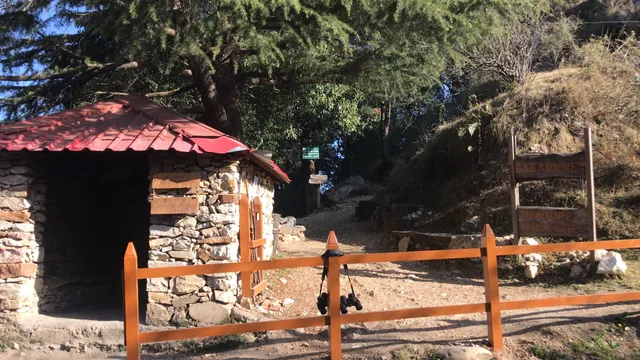
Jabarkhet Nature Reserve, nestled in the picturesque hills of Mussoorie, is a hidden gem that offers a sanctuary for nature lovers and outdoor enthusiasts alike. From the moment you set foot in this pristine wilderness, you're transported into a world of breathtaking beauty and ecological diversity.
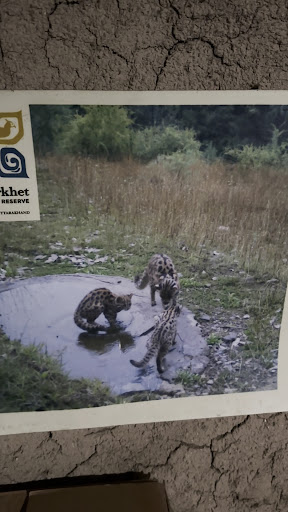
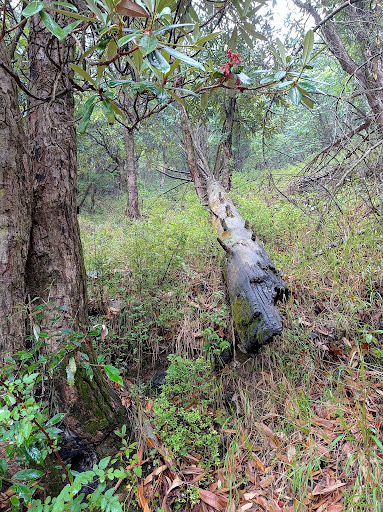
One of the most remarkable aspects of Jabarkhet Nature Reserve is its commitment to conservation and sustainability. Spanning over 100 acres of lush forestland, the reserve serves as a vital habitat for a wide variety of flora and fauna, including rare and endangered species. Visitors have the opportunity to witness firsthand the wonders of nature as they explore the winding trails and verdant forests that make up this protected area.
Moreover, Jabarkhet Nature Reserve offers a range of activities and experiences that cater to all interests and ages. Whether you're an avid birdwatcher, a botany enthusiast, or simply someone who enjoys spending time in the great outdoors, there's something for everyone to enjoy here. Guided nature walks, wildlife spotting excursions, and educational programs provide valuable insights into the rich biodiversity of the region, making it a memorable and enriching experience for visitors.
The beauty of Jabarkhet Nature Reserve lies not only in its natural splendor but also in its tranquil ambiance and sense of serenity. Away from the hustle and bustle of city life, this peaceful oasis offers a welcome respite where you can reconnect with the rhythms of nature and rejuvenate your mind, body, and spirit.
In addition to its conservation efforts and recreational activities, Jabarkhet Nature Reserve also plays a vital role in community engagement and environmental education. Through partnerships with local schools and organizations, the reserve aims to raise awareness about the importance of preserving natural habitats and fostering a sense of stewardship among future generations.
In summary, Jabarkhet Nature Reserve is a true haven for nature enthusiasts, offering a perfect blend of conservation, recreation, and education. Whether you're seeking adventure, relaxation, or simply a deeper connection with the natural world, a visit to this enchanting sanctuary promises to be an unforgettable experience that leaves a lasting impression on your...
Read moreEDIT 1: Obviously I appreciate the work hence the concern.. Nowhere do I say make it free. Read it again. The point is to make it more financially accessible for locals/village folk, and therefore play a much, much larger role in spreading awareness. The demographic currently is skewed towards urban dwellers/foreigners etc.. How many locals/Uttarakhandis did you welcome in the past year? Please share the data. JNR can play such a vital role in changing mindsets in the hills where locals themselves litter the place as you know, and as I have seen in dozens of villages across UK. The current pricing will put off people who are the actual stakeholders of the hills. (Yes they have access to this nature anyway, but not with this additional educational/awareness layer that you have wonderfully conserved) You've missed that point entirely. Never mind. Good luck
ORIGINAL REVIEW: Wow. I'm amazed at this profiteering. While city folks like me won't mind paying 450 bucks to explore this somewhat sanitized wilderness, they've basically priced out the locals themselves or those with limited financial means but who can also be "nature lovers". They can easily have a separate price tab for locals and if they rightly want to avoid the wrong kind of tourist (firstly, they are not probably hiking/exploring nature anyway), even a low price of 100-200 will be enough to dissuade them. Why should well-maintained trails/nature be the reserve of those who can easily shell out 450 per person!? The whole point is to open up the eyes and experiences and sensitize the masses with such beautiful experiences - not just the Decathlon, North Face-toting folks like me who are already converts. And it's not that have intense costs to run this place - this is sheer greed under the garb of environmentalism. Think again about your mission and accessibility...
Read moreJNR offers something to the visitor at all times of the year. Each month brings with it new discoveries and vistas so that you will never get tired of the place even if you are a frequent visitor. Visit the photogallery to view the wonders of each season.
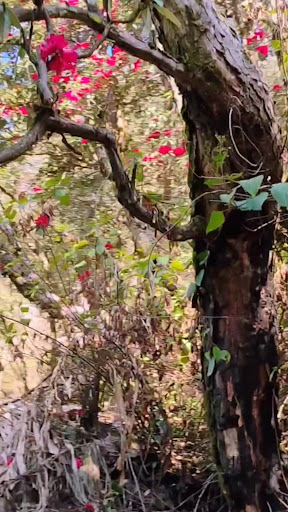
In spring, the trails are scarlet with fallen rhododendron flowers and the trees are flowering and new leaves appearing. Birds are at their best at this time of the year and early mornings will give you vistas of the Himalayas.
In summer, you can escape from the heat by walking through the cool forest glens and enjoy the flowering meadows. The trails are thick with cones and the forest is fragrant with the aroma of pine and cedar.
The monsoon brings its own charm and along with it a myriad of wild flowers, ferns and mushrooms. It is the best time to explore the forest if you don’t mind getting a little wet. Avoid the meadows at this time and make sure you ask for leech socks to protect your feet.
Autumn is the time of acorns and wild grasses and of the trees changing colour with greens, browns and reds. The snow mountains once again start showing themselves after the haze of the summer and the clouds o f the monsoon.
Winter brings deep blue skies, clear Himalayan views, frost on the meadows and the possibility of walking through snow covered trails where you can discover the signs of the wildlife that thrives in the Reserve.
The Reserve is open between sunrise and sunset. Please make sure that you are out of the Reserve by sunset – in case you arrive late in the evening at the gate, you might be denied entry. We do not allow overnight stays, night...
Read more