Nainital has historically been a part of the Kumaon region. After the fall of Katyuri Dynasty in 10th century, Kumaon was divided into several small princely states, and the region around Nainital was under various branches of a Khasiya family.[11] The first dynasty to achieve consolidated dominance over Kumaon after the Katyuris was the Chand dynasty, but it took many centuries and Nainital and its surroundings were one of the last areas to be absorbed.[12] Trilok Chand had built a fort at Bhimtal in the thirteenth century,[13] But at that time, Nainital itself was not under the Chand rule, and was situated near the western border of the Kingdom. During the reign of Udyan Chand, the western boundary of the Chand kingdom extended to the Koshi and Suyal rivers, but Ramgarh and Kota were still under the former Khasia rule. Kirat Chand, who ruled from 1488 to 1503 was finally able to establish authority over Nainital and the surrounding region. The Khasia chiefs made an attempt to regain their independence in 1560, when they enjoyed a brief moment of success under the leadership of a Khasiya of Ramgarh, but were later subdued with ruthlessness by Balo Kalyan Chand.[12]
Founding and the landslip of 1880edit
The Kumaon Hills came under British rule after the Anglo-Nepalese War (1814–16). The hill station town of Naini Tal was founded only in 1841, with the construction of the first European house (Pilgrim Lodge) by P. Barron, a sugar trader from Shahjahanpur. In his memoir, he wrote: "It is by far the best site I have witnessed in the course of a 1,500 miles (2,400 km) trek in the Himalayas."[14] In 1846, when a Captain Madden of the Bengal Artillery visited Naini Tal, he recorded that "houses were rapidly springing up in most parts of the settlement: some towards the crest of the military ranges were nearly 7,500 ft (2,300 m) above sea level: the rugged and woody Anyarpatta Aashish (Anyar-patt – in Kumaoni means – complete blackout. The reason for this nomenclature by the locals was because there were minimal sun rays due to its location and dense forests) was being gradually planted and that the favourite sites were on the undulating tract of forest land which stretched back from the head of the lake to the base of China and Deopatta (Camel's Hump). The church, St. John(1846) in the Wilderness, was one of the earliest buildings in Nainital, followed by Belvedere, Alma lodge, Ashdale Cottage(1860)..."[15] Soon, the town became a health resort favoured by British soldiers and by colonial officials and their families trying to escape the heat of the plains. Later, the town became the summer residence of the governor of...
Read moreTapta Kund Badrinath
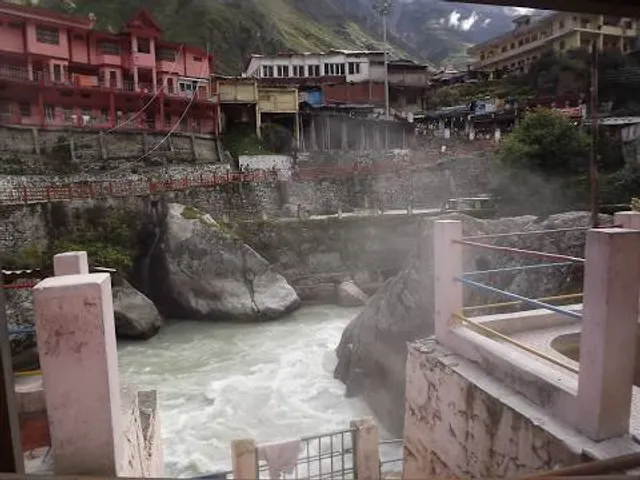
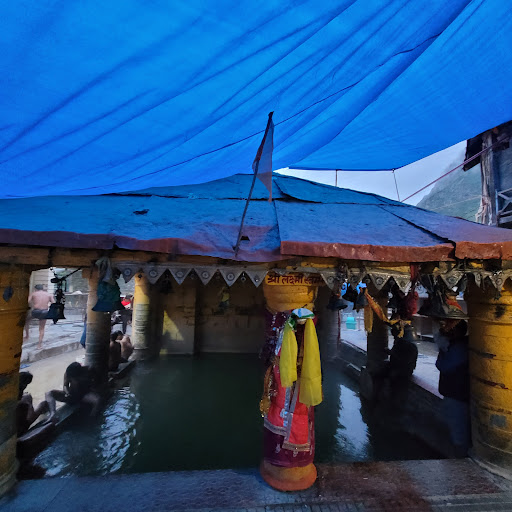
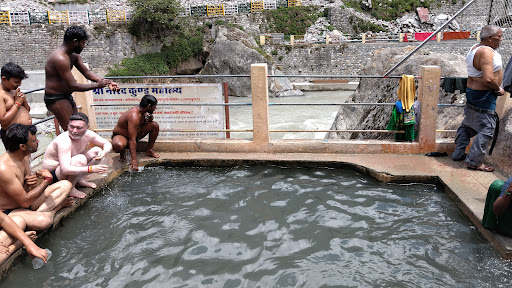
Taptakund, as the name suggests is a hot water spring, which lies between Badrinath shrine and Alaknanda River. This thermal spring is situated in the Badrinath temple in Chamoli district of Uttarakhand. The Taptakund is a natural hot water spring, having 45 degrees temperature. Tapta Kund in Badrinath
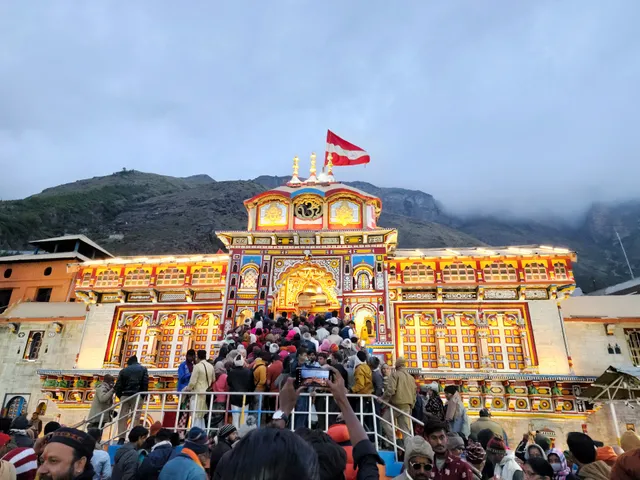
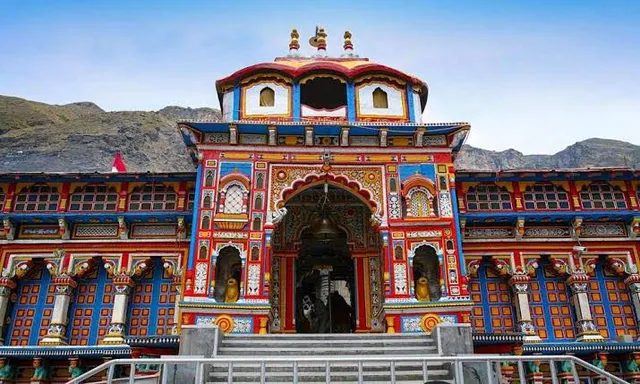
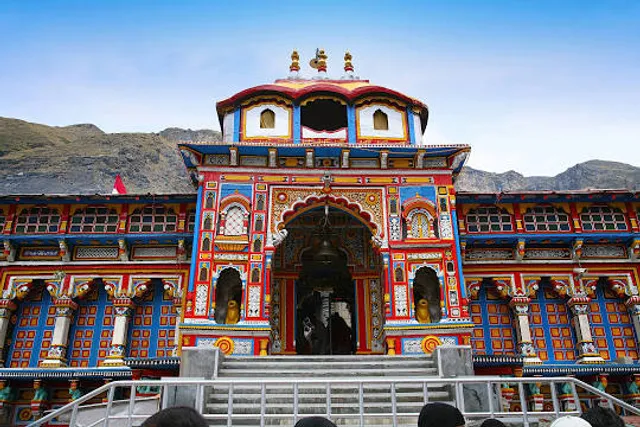
Tapta Kund is a natural thermal spring located in Badrinath, a holy town in the Chamoli district of Uttarakhand, India. It’s situated very close to the famous Badrinath Temple. The water in Tapta Kund remains hot throughout the year and is believed to have medicinal properties. Devotees visiting the Badrinath Temple often take a holy dip in this Kund before entering the temple complex as it’s considered purifying and spiritually significant. The water is naturally heated by the volcanic sources beneath the earth’s surface, making it a unique and revered spot for pilgrims.
A Mythology related to Tapta Kund
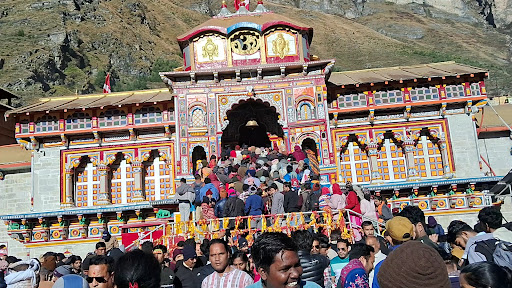
Pilgrims visiting Badrinath often take a ritualistic dip in Kund before entering the Badrinath Temple. The water is believed to have therapeutic properties and is considered sacred. It’s said that taking a bath in these hot waters cleanses the body and soul, purifying individuals before they seek the blessings of Lord Badri Vishal in the temple.The temperature of the water can be quite high, and visitors are advised to be cautious while taking a dip. The serene and spiritual ambiance surrounding Tapta Kund adds to its allure, making it not just a site for religious rituals but also a place for spiritual rejuvenation. jai shree radhe...
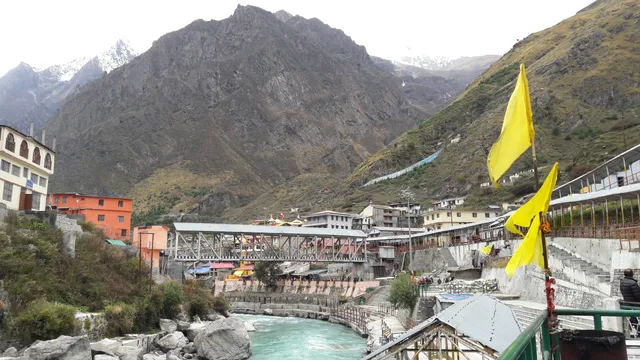
Read moreTapta Kund is located between Badrinath temple and Alakananda River, it's on bank of River Alakananda. Most of the devotees who all are visiting temple in early morning have dip in this Tapt Kund and same way we also had dip in Tapt Kund at 4 am and then visited temple.
It's really Miracle of the God. One side is Alakananda River water which is completely chilled like Ice and other side Tapt Kund in which water is Hot. No one knows the logic but its beyond Science and devotees believes that its because of Power of God.
Interesting things about Tapta Kund:
According to belief, this Kund was created by Adi Shankaracharya. Once upon a time his devotees requested some solution for so chilled water in this area, Then Shankaracharya touched this water and asked them to make fence surround that water. That is how Tapta Kund is made. It is believed that bathing in its sacred water purifies soul and cures ailments. This Kund is famous for its medical properties and religious significance. There is another Kund below Tapta Kund which is called the Narad Kund where the present deity of Badrinaryan is said to have been found by Adi Shankaracharya. Pilgrims usually don't bath here and the Kund is considered sacred. There are Five big stone rocks known as Pancha Shilas considered sacred by the devotees. Narad Shila is situated beside the Tapta Kund, and it is said the great devotee of Lord Vishnu. Garud Shila is situated on the way to temple from the Kund. Narsimha Shila, Varahi Shila and Markendeya Shila are hidden in the Alakananda...
Read more