If you like to know about the fauna of Darjeeling district and that of Bengal, don't miss out on the Bengal Natural History Museum. It started as a modest effort way back in 1903 when the then Governor of Bengal initiated creation of a small museum in the Botanical Gardens of Darjeeling.
A small building in the Botanical Garden was constructed at a cost of Rupees 14,000 to display only the butterflies and birds of the area. However it was too small and not good enough for the students and researchers to study the whole bird and animal life in the region. Therefore a new building near Chowrasta was constructed in 1915 at a cost of Rupees 55,000 to satisfy such requirement.
In 1923, Bengal Natural Museum Society was formed that took charge of the management of the museum. It continued until 1976 after which the management was taken over by the Forest Department of the state of West Bengal.
During the initial days of the museum, an amateur ornithologist Charles M Inlis was the Curator of the museum. He held the post for 26 years since 1923. During his time, he had put in immense effort and built up the museum with active support from many officials including E.O. Shebbeare, The Conservator of Forest (Bengal), G.E. Shaw, The Superintendent of Cinchona Plantation, and many others.
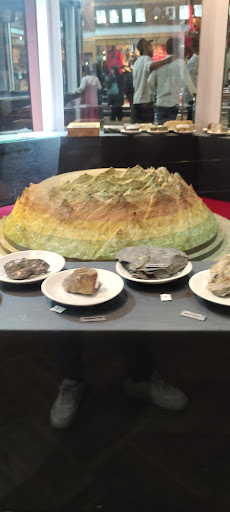
Today the museum houses huge collection and specimens that include wide varieties of birds with nests and eggs, reptiles and fishes, mammals, insects and more. All these specimens are of real creatures that were captured and preserved. There is a special taxidermy unit in the museum which specializes in curing, staffing and rendering the birds and animals for display on the glass cabinets. This unit has been there right from the inception of the museum.
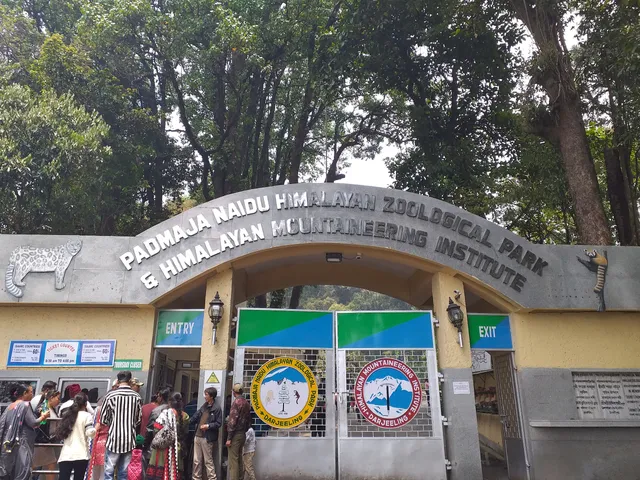
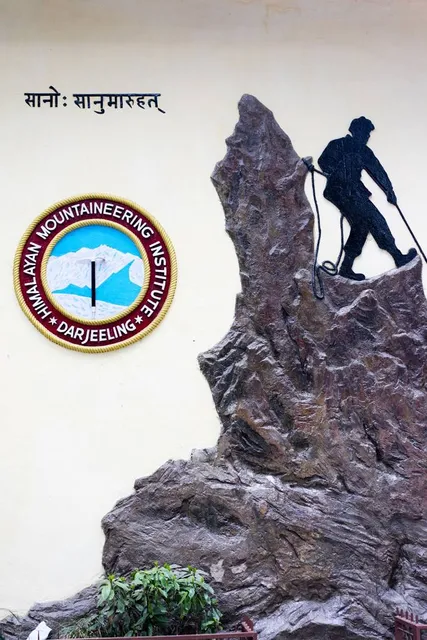
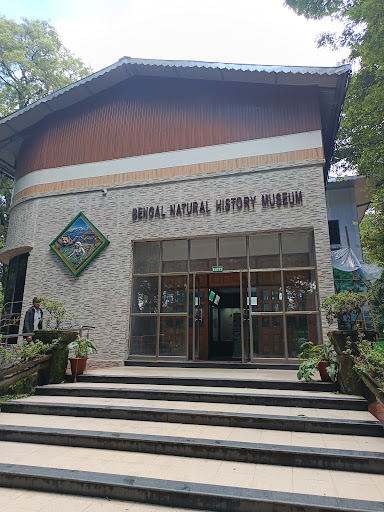
Recently the Bengal Natural History Museum has been moved from its earlier location (which was only few minutes walk from the town center at Chowrasta and in the premises of Wildlife Division-I of Darjeeling) to a new constructed building at the compound where Darjeeling Zoo is located along with Himalayan Mountaineering Institute. So now with a combined entry ticket you can visit three attractions together. The description below corresponds to the building where the museum was earlier hosted. However the collections and exhibits are the same in the new venue as well.
There are two large sections of the museum. One at the ground level and the other at the basement. As you enter the large room at the ground level, there are rows of glass cabinets on both sides. The first section is that of birds. You will see specimens like Himalayan Brown Wood Owls, Northern spotted owlet, Northern Brown Fish Owl, pheasants, fly catchers, woodpeckers and lot more. They are all placed in natural settings on the tree branches.
Some of the birds displayed are really huge in size and it's unlikely that you would have seen such sizes before. There are over 820 specimens of birds belonging to more than 400 species of the area. There are only two foreign species that have been given as gifts...
Read morePlease do not take the pictures. Few things has to be seen directly. Do not spoil the beauty by publishing the pictures
"Exceptional Museum Experience: A Must-Visit for Nature Lovers!
I recently had the privilege of visiting the Bengal Natural History Museum, and I was blown away by the sheer talent and hard work that has gone into creating this incredible repository of natural history. The museum is a treasure trove of live specimens, taxidermied animals, birds, skins, nails, and many other fascinating exhibits.
The museum's collection is impressively diverse, with specimens from various regions of India and the world. The exhibits are meticulously maintained, and the attention to detail is evident throughout the museum. The staff is knowledgeable and enthusiastic, making the experience even more engaging.
The museum's commitment to preserving and showcasing the natural world is truly commendable. The exhibits are not only educational but also visually stunning, making it an excellent destination for visitors of all ages.
Highlights of my visit included the impressive collection of bird specimens, the majestic tiger and leopard exhibits, and the fascinating display of insects and reptiles.
I highly recommend the Bengal Natural History Museum to anyone interested in nature, wildlife, and conservation. It's an inspiring and enriching experience that will leave you with a deeper appreciation for the natural world.
Rating: 5/5 stars
Tips:
Plan to spend at least half a day to explore the museum thoroughly. Take advantage of the guided tours for a more in-depth understanding of the exhibits. Don't miss the special exhibits and events that the museum occasionally hosts. Encourage children to ask questions and engage with the exhibits – it's a great learning experience!
Kudos to the team behind the Bengal Natural History Museum for their dedication and passion. Keep up the...
Read moreThe Bengal Natural History Museum in Darjeeling is a hidden gem that beautifully showcases the region's rich biodiversity and natural heritage. This museum is a must-visit for anyone curious about the flora and fauna of the Himalayan region.
The exhibits are well-curated, offering an impressive collection of preserved specimens, including birds, mammals, reptiles, and insects. What stands out is the detailed labeling and classification of these specimens, which makes the experience both educational and fascinating. For nature enthusiasts like me, seeing rare species up close is a rare treat.
The museum also highlights the ecological importance of preserving these species, which adds a meaningful layer to the visit. The taxidermy work is skillfully done, making the displays come alive. Additionally, the museum provides insight into the local culture and traditions related to nature conservation.
The ambiance is peaceful, and the setting within the lush green hills of Darjeeling adds to its charm. However, the museum could improve its lighting and signage for better visibility and navigation.
Overall, the Bengal Natural History Museum offers a delightful mix of education and appreciation for nature, making it an ideal stop for families, students, and wildlife lovers. I highly recommend this place to anyone...
Read more