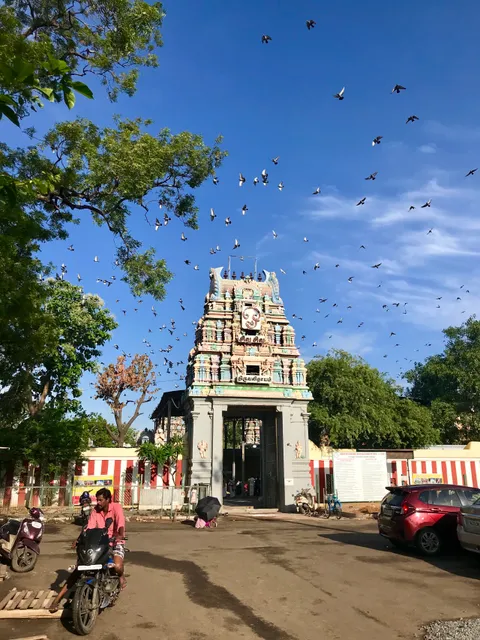
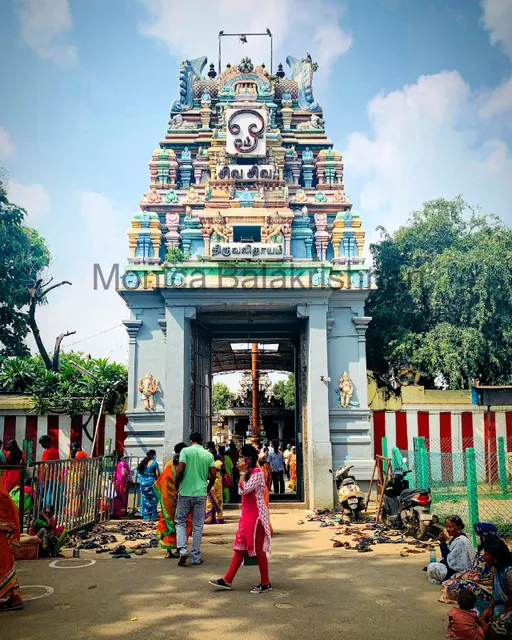
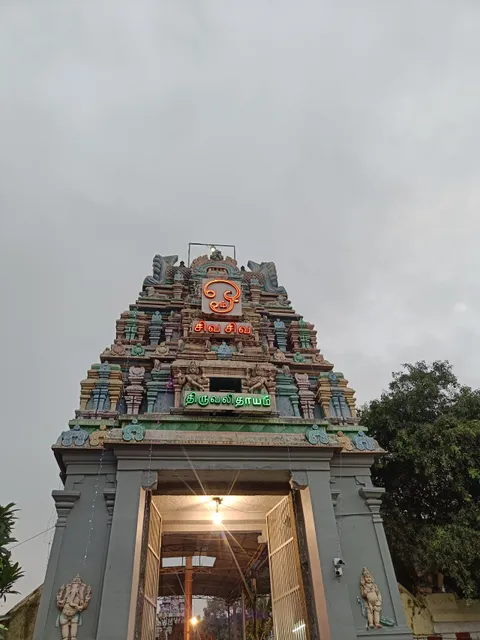
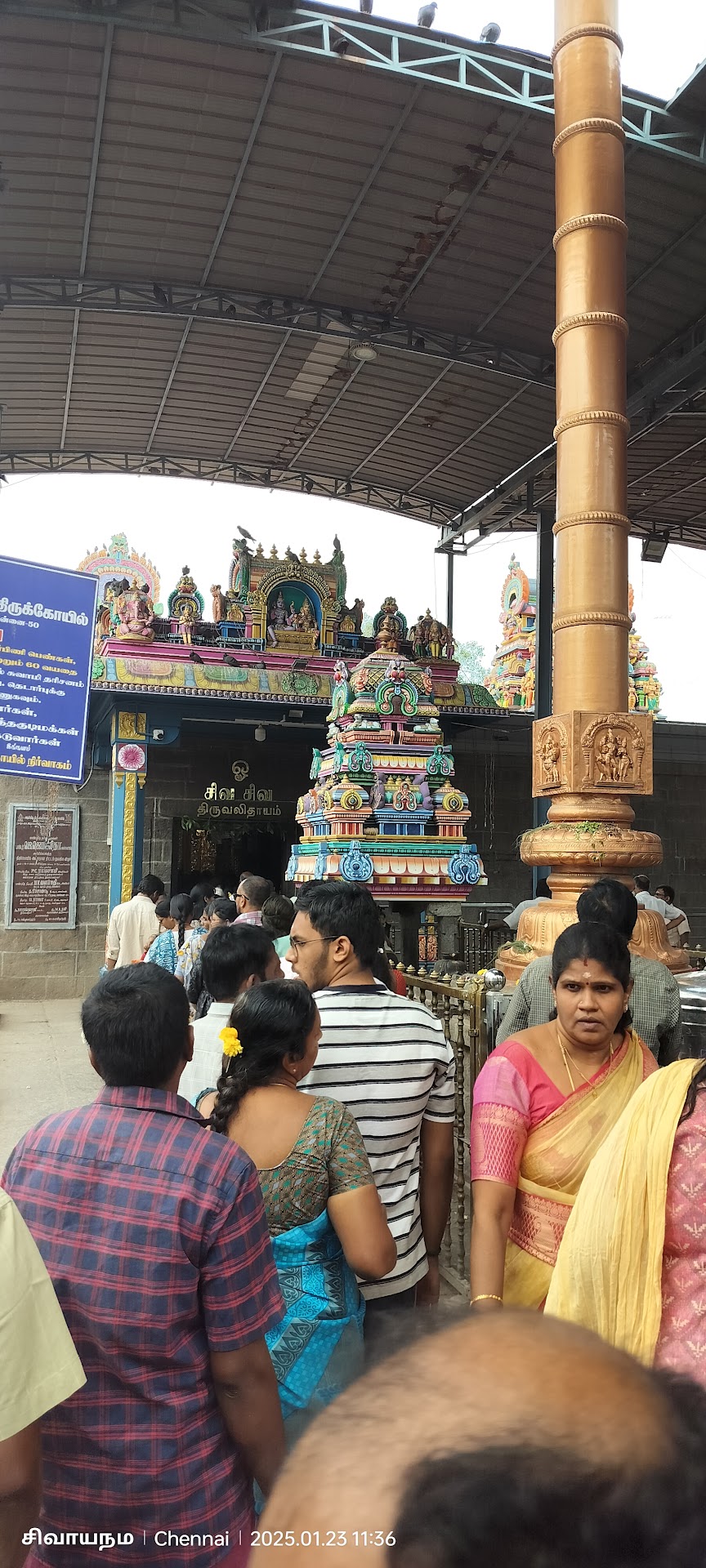
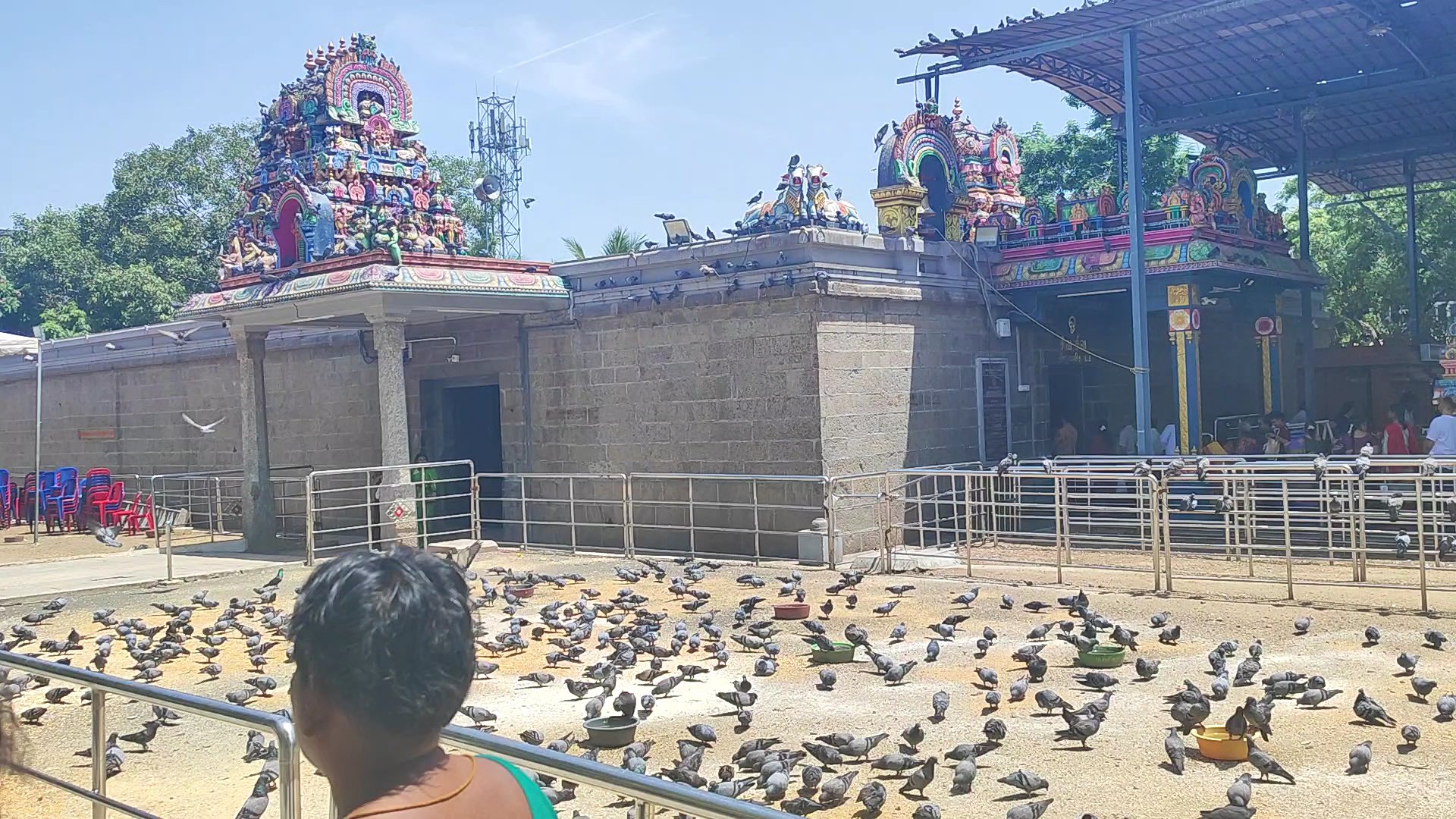
Thiruvalleeswarar Temple (Thiruvalithayam) – A Divine Abode in Padi, Chennai Date: Thursday, 23rd January 2025 Thiruvalleeswarar Temple, situated in Padi, Chennai, is a prominent ancient Shiva temple with historical and religious significance. Known as Thiruvalithayam during the Thevara period, this temple is revered as the 21st Devara Paadal Petra Shiva Sthalam in Thondai Nadu. The name "Padi" is believed to have originated due to its association with the storage of weapons during ancient wars. The temple also finds mention in the sacred hymns sung by the Saivite saints, particularly Thirugnanasambandar, as described in Periyapuranam by Sekkizhar. Deities Worshiped Moolavar: Lord Thiruvalleeswarar (Sri Valithaya Nathar), a Swayambhu (self-manifested) Lingam seated on a square Avudayar. Consort: Goddess Jagathambigai (Thiruveethi Nachiyar), who is positioned in such a way that both she and the Moolavar can be worshiped simultaneously from a single viewpoint. Temple Features Structure and Layout: The temple faces east and features a majestic three-tier Rajagopuram. Inside, there are a Balipeedam, Dwajasthambam, and Rishabam.The sanctum consists of the sanctum sanctorum, antarala, and ardha mandapam, with a two-tier Gajaprishta Vimana above it. Stucco images of Lord Shiva with Parvati, Dakshinamurthy, Maha Vishnu, and Brahma adorn the Tala and Greeva Kostams. Koshtam Deities: Vinayagar, Dakshinamurthy, Vishnu (in place of Lingothbavar), Brahma, and Durgai. Inner Praharam (Corridor): Sannidhis for Somaskandar, Vinayagar (with consorts Kamali and Valli), Subramaniyar, Meenakshi-Sundareswarar, Nalvar, Hanuman worshiping Lingam, Suryan, Bharadwaja Lingam, Bhairavar, Arunagirinathar, and Balamurugan. Partial collection of the 63 Nayanmars (63vars). Outer Praharam: Navagrahas and Guru Bhagavan. Unique Features The shrine offers a rare architectural feature where devotees can view both Lord Thiruvalleeswarar and Goddess Jagathambigai from a single point. Lord Murugan, worshipped by Arunagirinathar, is venerated here through his hymns. Historical Background Origin: The temple's foundation dates back to the 6th-7th Century, initially constructed as a brick temple. It underwent significant renovations during the Chola period and expansions during the Vijayanagara era. Inscriptions: Numerous Chola-period inscriptions detail donations of land, gold, and paddy for temple rituals and festivals. Rajaraja Chola I’s inscriptions highlight the construction of the Kshetrapala Pillaiyar temple and associated donations. Vijayakanda Gopaladevar’s rule saw the settlement of temple dancers and donation of jewelry and vessels for Ambal. Historical records confirm the ancient names of surrounding areas like Kurattur and Villivakkam, which remain unchanged after 1,000 years. Legends Guru's Redemption: Guru Bhagavan, cursed due to his desires, was advised by Sage Markandeya to worship Lord Shiva at this temple. This has made Thiruvalithayam a significant Guru Parihara Sthalam. Bharadwaja’s Transformation: Bharadwaja, the son of Guru Bhagavan born as a sparrow (Karunguruviyan), performed penance at this temple. Pleased, Lord Shiva blessed him as the lord of birds, giving the temple its name Thiruvalithayam. War Connections: The temple is believed to have served as a storage location for weapons during wars, linking its name to “Padi” (platform). Rituals related to battles, including prayers by soldiers, were conducted here. Festivals and Celebrations The temple observes various festivals throughout the year, including: Brahmotsavam: Celebrated in Chithirai (April-May). Thai Krithigai: Special poojas in Thai (January-February). Annabhishekam: Held in Aippasi (October-November). Thiruvathirai: Celebrated in Margazhi (December-January). Maha Shivaratri: Observed in Masi (February-March). Guru Peyarchi (Transit): A day of special prayers. Pradosham: Fortnightly prayers. Architectural Highlights The temple is a classic representation of Chola and Vijayanagara influences. The...
Read moreThiruvalithayam (Padi) is located at a distance of about 7 kms from the Koyambedu Bus Terminus on the Chennai to Thiruvallur route. It is about 12 kms from the Chennai Central railway station. The railway station nearest to Thiruvalithayam is Kurattur on the Chennai Central to Arakkonam route and this temple is about 2 kms away from it.
Thiruvalithayam is near the Paadi main junction and just opposite to the Lucas TVS Factory.
Other Devara Paadal Petra Shiva sthalams near this temple are – Thiruvotriyur, Thirumullaivayil, Thiruverkadu, Mylapore and Thiruvanmiyur
This is one of the 276 Devara Paadal Petra Shiva Sthalams and 21st Shiva Sthalam in Thondai Nadu.
Lord Shiva in this temple is a Swayambumurthi (self-manifested).
This east facing temple has a 3-tiered main tower (Rajagopuram) and it has two corridors.
Lord Vinayakar’s wedding with Kamalai and Valli took place here.
The Vimanam (roof tower) of the sanctum sanctorum has been constructed according to the Gaja Brishtam style of architecture.
This temple is famous as a Parihara Sthalam for Lord Guru (planet Jupiter).
The last Consecration ceremony (Maha Kumbabishekam) took place on 29-01-2012.
This ancient temple is believed to have been constructed by Chola kings. The historical name of this place is Thiruvalithayam but it is now known as Paadi.
According to the legend, Lord Brahma's two daughters - Kamalai and Vimalai wished to marry Lord Shiva. Knowing that their wish is very difficult to be fulfilled, Lord Brahma sent them to worship Lord Shiva on the banks of river Paalaru. Lord Shiva was pleased with their penance and appeared before them. He told them that it was not possible for him to marry them as he was already married to Goddess Parvathi. He further advised them to marry Lord Vinayakar instead. Heading to Lord Shiva’s wishes, they married Lord Vinayakar in this place as soon as he returned after conquering the demon king Gajamukasuran.
(Another legend states that Lord Vinayakar’s wifes are called Siddhi and Buddhi.)
Another legend is associated with this place dates back to the time of Mahabharatha. It is believed that Sage Bharadwaj (Dhronachariyar’s father), had visited this temple. It is believed that once Sage Bharadwaj had been cursed to take the form of a bird. He visited many Shiva temples and worship the lord to seek relief from this curse. Finally, he is believed to have reached this place, created a well (Bharadwaja Theertham), worshipped Lord Shiva here and got his curse lifted. The name Thiru Valithayam comes from “Valiyan” – a black bird in Tamil and “Thiru” is a respectful prefix. Hence, the lord here is also praised as “Sri Valithaya Nathar”.
It is believed that Lords Indra, Mahavishnu, Ram, Hanuman, Lov, Kush, Manmadan, Sugreeva, Sage Agasthiar, Sage Bharadwaj, Yama, Vayu, Agni, Sun and Moon have worshiped the lord here.
It is believed that Planet Jupiter (Brahaspathi /Guru Bhagwan) worshipped Lord Shiva here and got relieved...
Read moreAmple parking space Work in progress This ancient temple is believed to have been constructed by Chola kings. The historical name of this place is Thiruvalithayam but it is now known as Paadi. This is one of the 276 Devara Paadal Petra Shiva Sthalams and 21st Shiva Sthalam in Thondai Nadu. Lord Shiva in this temple is a Swayambumurthi (self-manifested). This east facing temple has a 3-tiered main tower (Rajagopuram) and it has two corridors. The Vimanam (roof tower) of the sanctum sanctorum has been constructed according to the Gaja Brishtam style of architecture. This temple is famous as a Parihara Sthalam for Lord Guru (planet Jupiter). As per the sthala puranam, there are eleven temples situated around this temple that adorn Thiruvlithayam like a garland. This makes Thiruvalidayam very auspicious. These eleven temples are – Mylapore, Thiruvanmiyur, Thiruverkadu, Thiruvirkolam, Thiru Ilambayankottur, Thiruvooral, Thiruvalangadu, Thiruvenpakkam, Thirupachur, Thirumullaivoyal and Thiruvogtriyur. The vimana (roof tower) of the sanctum sanctorum is designed in a special style of architecture called the Gaja Brishtam. This makes the vimanam look like the rear of an elephant (Gaja - elephant, brishtam - rear). The sanctum sanctorum is in the form of a semi-circular tank (Akazhi in Tamil). Goddess Jagathambikai is facing south. From a single place, one is able to get dharisanam of both Lord Valleeswarar and the Goddess Jagathambikai. Saint Arunagirinadhar has sang songs in praise of Lord Murugan of this temple in his revered Thirupugazh. The pillars of this temple have beautiful reliefs depicting many gods from the Hindu mythology. These include carvings of Lords Natarajar, Murugan, Kothandaramar, Machavathara Moorthy and...
Read more