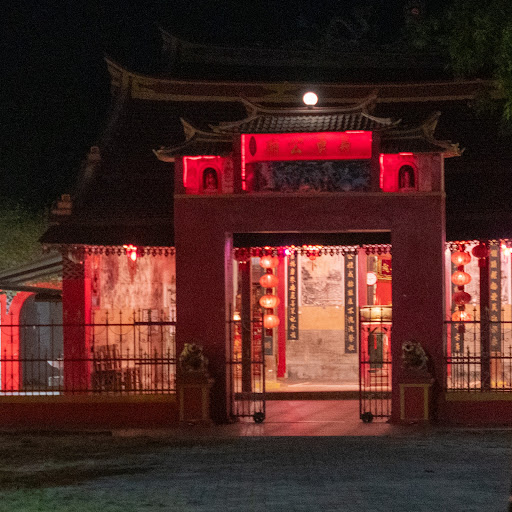
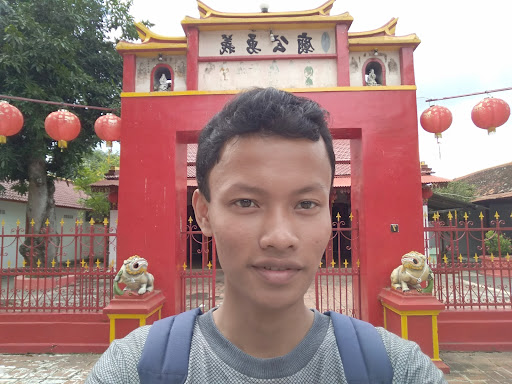
Gie Yong Bio Temple things to do, attractions, restaurants, events info and trip planning
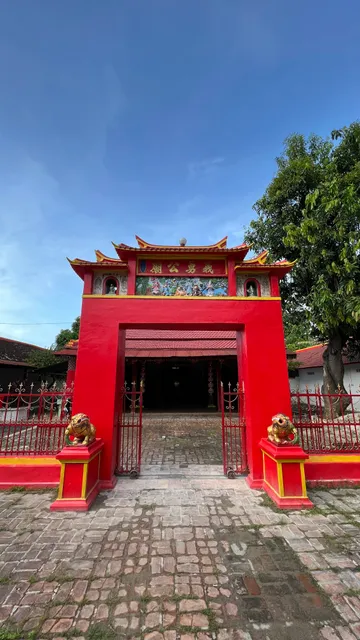
Basic Info
Gie Yong Bio Temple
Jl. Babagan No.7, Tawangsari, Babagan, Kec. Lasem, Kabupaten Rembang, Jawa Tengah 59271, Indonesia
4.4(105)
Open 24 hours
Save
spot
spot
Ratings & Description
Info
Cultural
attractions: Lawang Ombo - 大門 Dàmén | Rumah Candu - 鴉片倉庫 Yāpiàn cāngkù - 1825, Tjoe An Kiong Temple, Tiongkok Kecil Heritage Lasem, Alun-Alun Lasem, Museum Islam Nusantara, restaurants: Warung Kopi Jinghay, Waroeng Lasem Khong Khauw Tjiak, local businesses:
 Learn more insights from Wanderboat AI.
Phone
+62 295 532293
Plan your stay

Pet-friendly Hotels in Central Java
Find a cozy hotel nearby and make it a full experience.

Affordable Hotels in Central Java
Find a cozy hotel nearby and make it a full experience.

The Coolest Hotels You Haven't Heard Of (Yet)
Find a cozy hotel nearby and make it a full experience.

Trending Stays Worth the Hype in Central Java
Find a cozy hotel nearby and make it a full experience.
Reviews
Nearby attractions of Gie Yong Bio Temple
Lawang Ombo - 大門 Dàmén | Rumah Candu - 鴉片倉庫 Yāpiàn cāngkù - 1825
Tjoe An Kiong Temple
Tiongkok Kecil Heritage Lasem
Alun-Alun Lasem
Museum Islam Nusantara
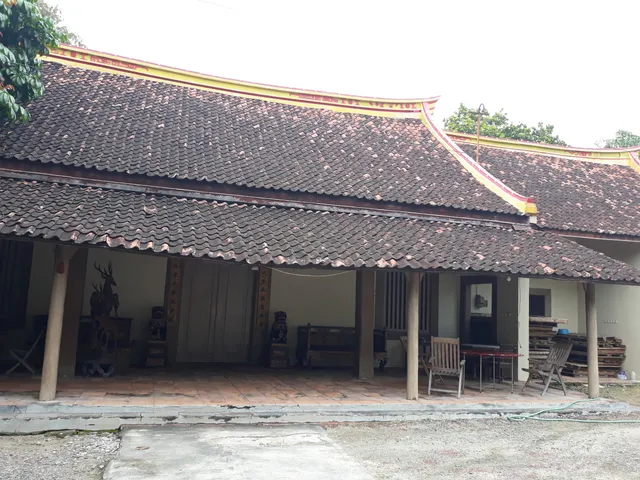
Lawang Ombo - 大門 Dàmén | Rumah Candu - 鴉片倉庫 Yāpiàn cāngkù - 1825
4.3
(148)
Open 24 hours
Click for details
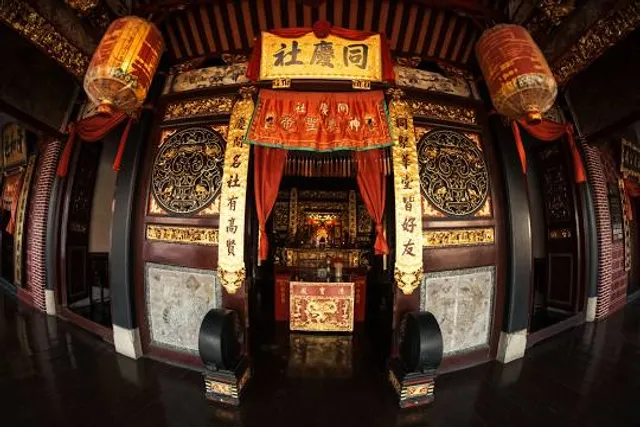
Tjoe An Kiong Temple
4.7
(204)
Open until 12:00 AM
Click for details
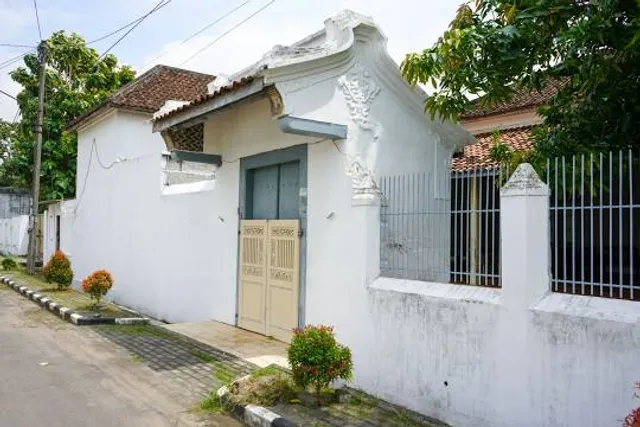
Tiongkok Kecil Heritage Lasem
4.6
(845)
Open until 8:00 PM
Click for details
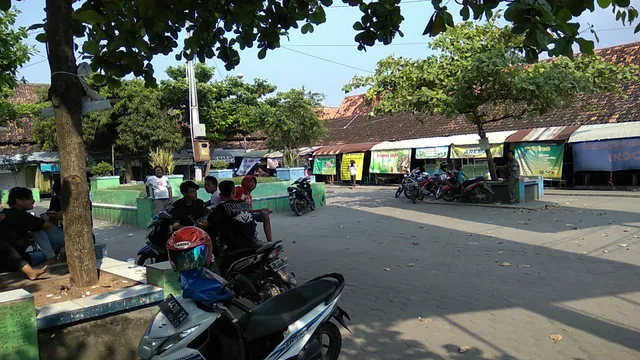
Alun-Alun Lasem
4.4
(1.1K)
Open until 12:00 AM
Click for details
Nearby restaurants of Gie Yong Bio Temple
Warung Kopi Jinghay
Waroeng Lasem Khong Khauw Tjiak
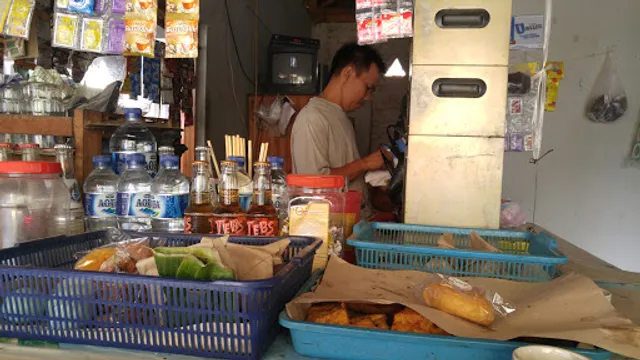
Warung Kopi Jinghay
4.6
(65)
Closed
Click for details
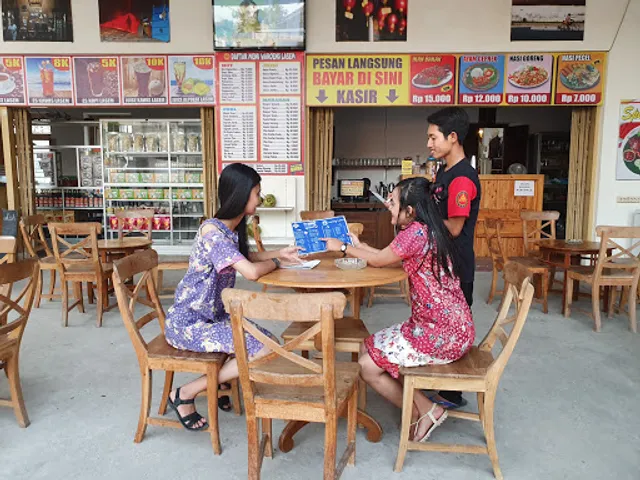
Waroeng Lasem Khong Khauw Tjiak
4.6
(271)
Open until 8:00 PM
Click for details