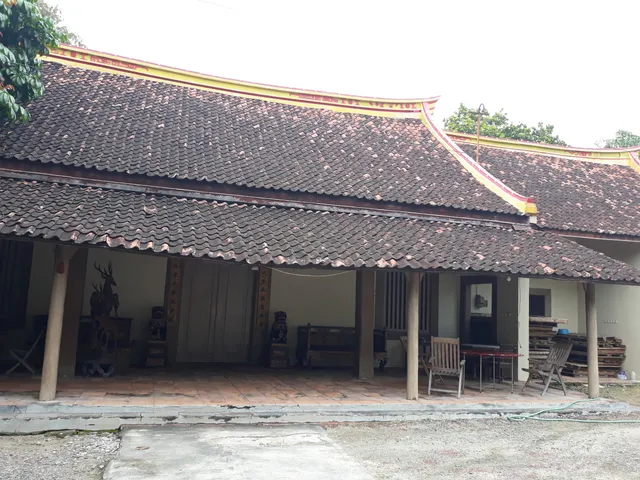
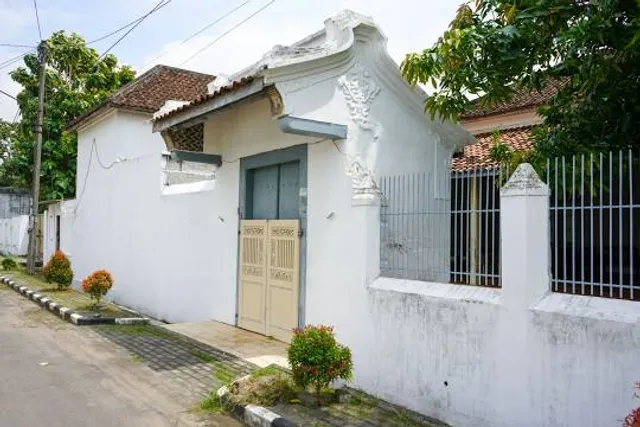
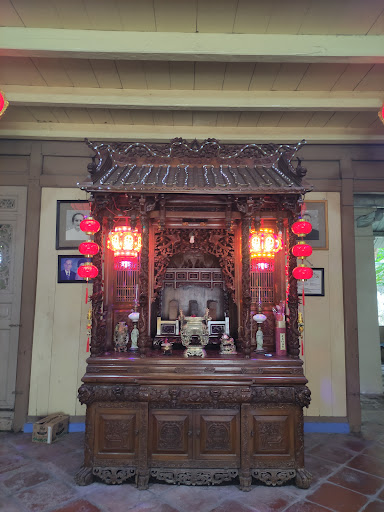
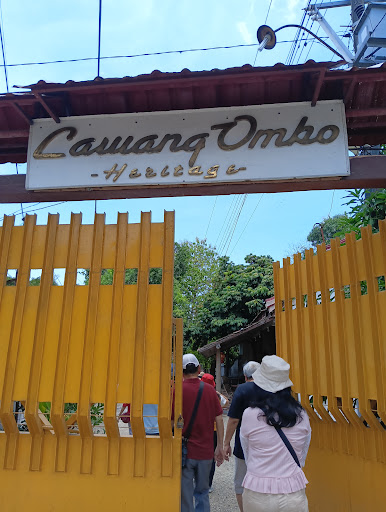
The old house is inhabited. The gate is two meters high and the doors are mostly closed all the time. The huge doors and windows are made of thick teak woods. There are only few people who stop by or visit the house, including the tourists who are curious to see the inside of the house.
Yet, not many people know that this old building is a historical evidence of Lasem as the center for opium trading
The water tunnel is connected to Babagan River and the sea as well. By using small fishing boats, the smugglers secretly unloaded the drugs from vessels to Lawang Ombo through that tunnel. The opium smuggling was conducted due to Dutch opium-monopoly.
At that time, Lasem became the center for opium trading, making it known as Java’s opium funnel. As written by James R Rush in his book entitled Candu Tempo Doeloe (Komunitas Bambu, 2012), the majority of opium consumers were Javanese. The opium was dispatched from Bandar Lasem, and then distributed to various cities in Java, such as Surakarta, Yogyakarta, and Kedu (Rush, 2000: 157).
The opium-smuggling operation had been carried out since the 19th century, involving Chinese merchants, Dutch colonial officials, as well as indigenous officials from several areas in Java. In conducting this business, Chinese businessmen employed indigenous people as porters and security guards. Meanwhile, the small fishing boats (Jung) used to smuggle the opium were also led by indigenous people.
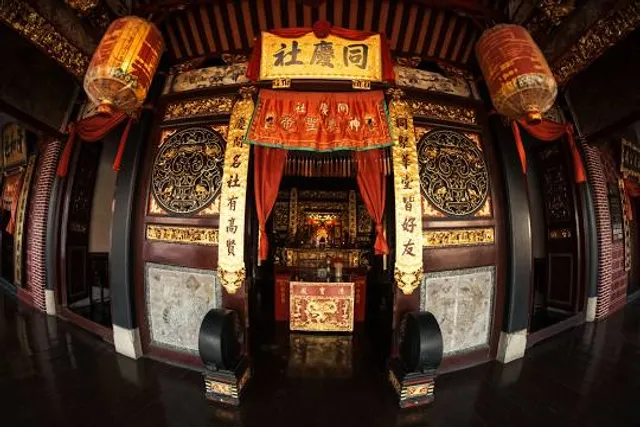
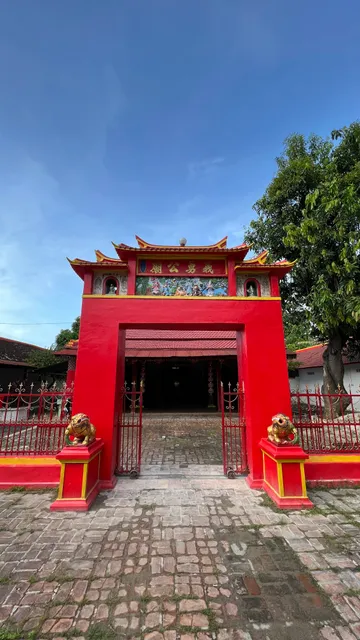
Multi-cultural societies in Lasem are very strong. In this district, there are 23 boarding schools. The oldest one is Al-Hidayah Boarding School, built by Kiai Ma’shum in 1917. Moreover, there are three old pagodas as well. The oldest one is Cu An Kiong, established in the 15th century when Laksamana Cheng Ho went along the Coast of Java. “In fact, Lasem is older than other areas in Indonesia, such as Jakarta”, he said.
Some tourists also begin to visit Lasem to retrace its history. Baskoro admitted that he often accompanies the tourists who want to go to Lasem. Several tourists want to visit Lawang Ombo to find out the trace of opium-smuggling as well as to see several pagodas in Lasem. “Hopefully, Lasem soon can be a World Heritage City. We believe that Lasem is...
Read moreSebagai penggiat sejarah lokal dari komunitas Banjoemas Heritage & History Community (BHHC), kunjungan ke Rumah Lawang Ombo di Lasem adalah pengalaman mendalam yang membuka wawasan kami akan kompleksitas sejarah lokal yang sering kali dilupakan—tentang candu, kolonialisme, perdagangan, dan akulturasi budaya.
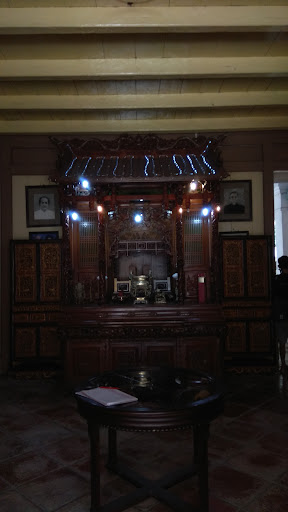
Rumah besar bergaya Tiongkok-Jawa ini bukan hanya bangunan tua, tapi arsip hidup yang merekam jejak ekonomi gelap kolonial: perdagangan candu. Di balik keindahan arsitektur dan keanggunan ruang dalamnya, tersimpan cerita tentang bagaimana Lasem menjadi simpul penting dalam jaringan perdagangan candu di pantai utara Jawa. Hal ini mengingatkan kami pada sejarah serupa di wilayah Banyumas, terutama di Purwokerto dan Ajibarang, yang juga menjadi titik penting lalu lintas candu dan tembakau pada masa kolonial.
Lawang Ombo tidak mengajak kita untuk memuja masa lalu, tapi justru untuk merenungi bagaimana candu pernah menjadi alat kontrol sosial-ekonomi yang merasuk hingga ke ruang paling privat masyarakat. Dengan kurasi yang apik dan interpretasi sejarah yang terbuka, tempat ini menyajikan sejarah dengan jujur—apa adanya, tanpa glorifikasi.
Sebagai orang Banyumas, kami melihat bahwa Lasem dan Banjoemas memiliki kesamaan dalam kekayaan budaya dan resistensinya terhadap kolonialisme. Di Lawang Ombo, kita tak hanya menemukan jejak candu, tapi juga ketegangan dan perjumpaan antara budaya Tionghoa, Jawa, dan kolonial Belanda—sebuah potret yang juga pernah terjadi di banyak desa dan kota kecil di wilayah Banyumas Raya.
Rumah Lawang Ombo bukan sekadar rumah besar tua. Ia adalah ruang belajar yang hidup—tentang ekonomi, budaya, moralitas, dan identitas. Bagi kami dari BHHC, tempat seperti ini menjadi pengingat bahwa sejarah lokal harus terus dihidupkan, tidak hanya melalui bangunan, tetapi lewat narasi, dialog, dan keterbukaan terhadap masa lalu yang kompleks.
#BHHC #BanjoemasHeritage #RumahLawangOmbo #LasemHeritage #CanduDalamSejarah #BelajarDariLasem...
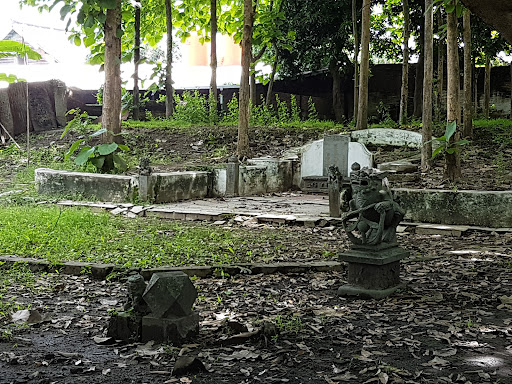
Read moreThis old Chinese style house is one of the main attractions and a must visit when you're in Lasem. I reserve the last star for when this place is restored to its old glorious self. See, this house used to belong to an opium king, it has a connecting underground tunnel to the river pier to smuggle opium. In the backyard there is a grave made to bury opium inside the coffin to fool the Dutch colonial administration. And the keeper keep warning me not to get near the grave for there are many snakes in the yard....
Read more