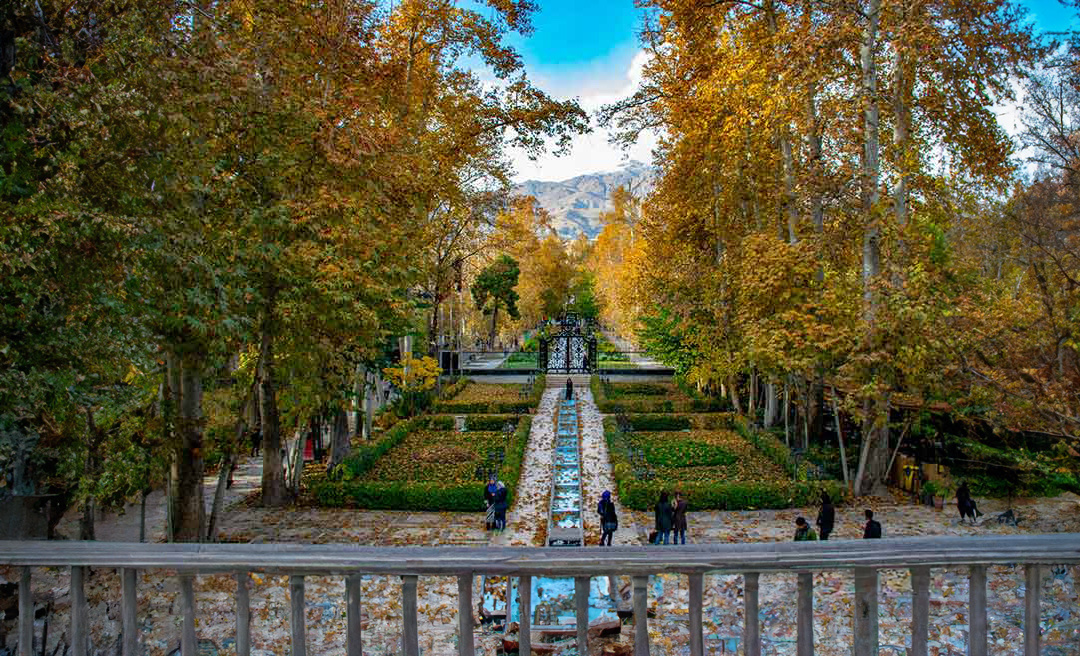
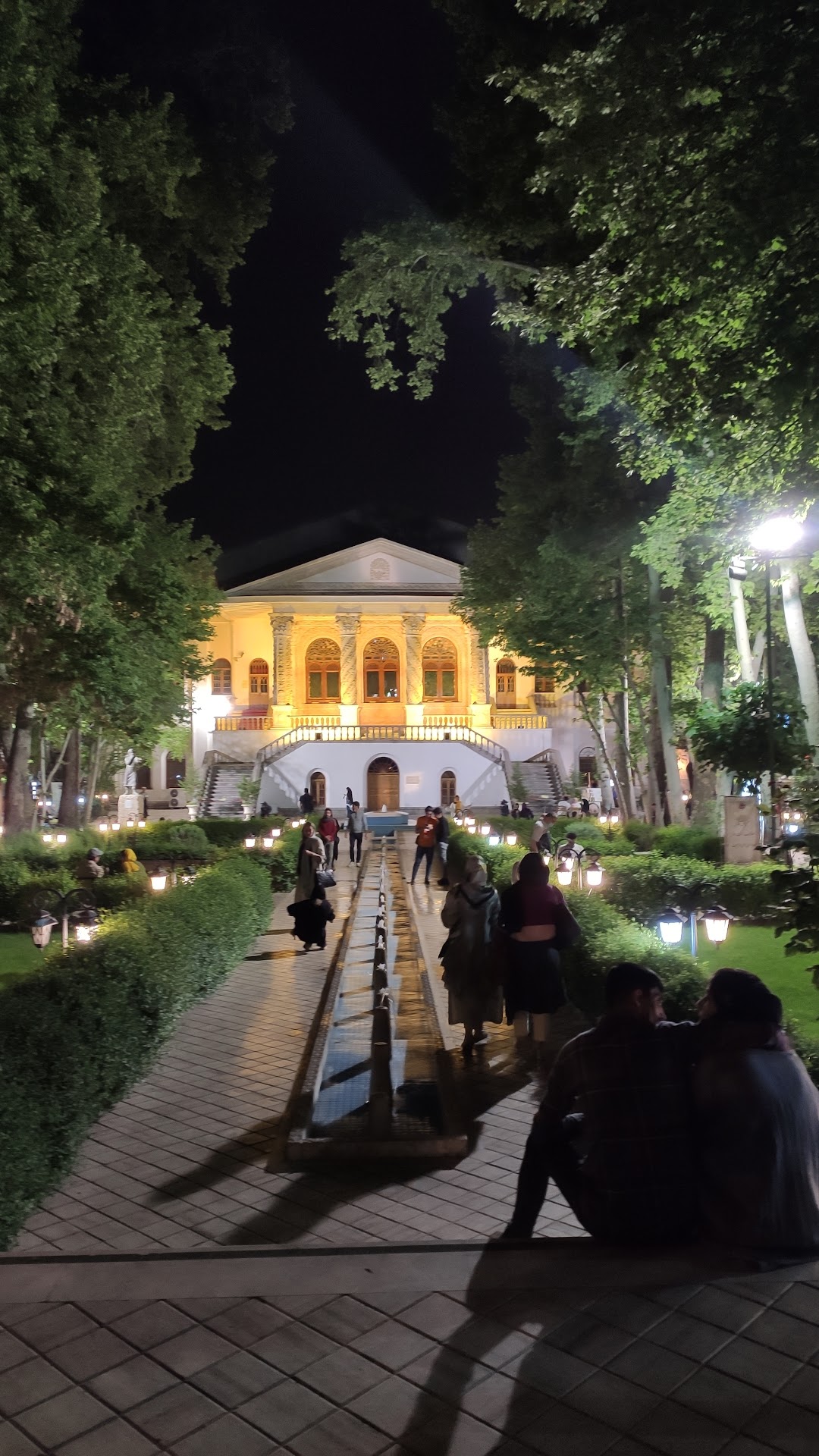
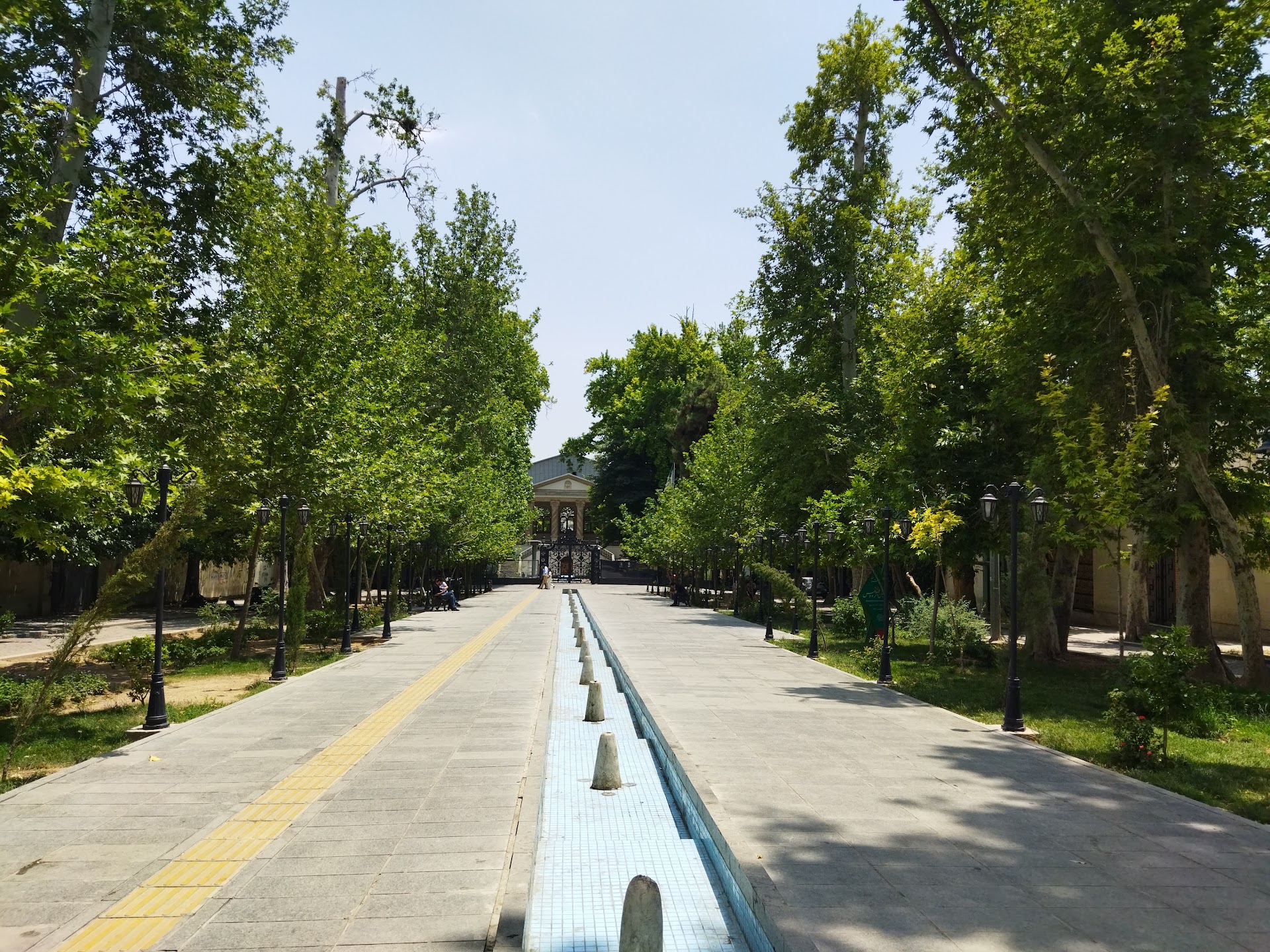
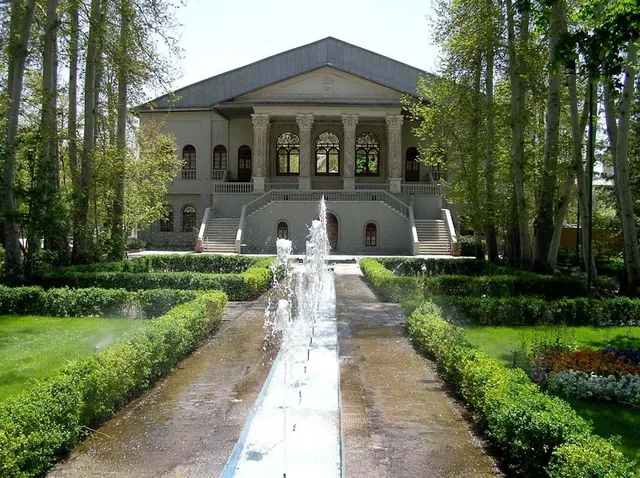
Ferdows Garden things to do, attractions, restaurants, events info and trip planning
Basic Info
Ferdows Garden
Tehran Province, Tajrish, District 1, Valiasr St, RC3C+4R4, Iran
4.6(1.1K)
Open until 11:00 PM
Save
spot
spot
Ratings & Description
Info
Cultural
Outdoor
Relaxation
Scenic
Family friendly
attractions: Cinema Museum of Iran, Iranian Art Museum, Javad Hessabi Museum, Time Museum, Music Museum of Iran, Imamzadeh Saleh, Museum of Fine Arts, restaurants: Nayeb Restaurant Zafaraniyeh, Atlas Cafe Restaurant, Shemroon Kabab, Alborz Restaurant, Etminan Restaurant, Gilak persian cuisine, local businesses: The garden of the Iranian Art Museum, Institute of Archeology, University of Tehran, ARG Shopping Mall, Tajrish Traditional Bazaar, Palladium Mall, Tandis Shopping Centre, Qaem Shopping Center
 Learn more insights from Wanderboat AI.
Phone
+98 21 2270 5005
Open hoursSee all hours
Tue10:30 AM - 11 PMOpen
Plan your stay

Pet-friendly Hotels in Tehran
Find a cozy hotel nearby and make it a full experience.

Affordable Hotels in Tehran
Find a cozy hotel nearby and make it a full experience.

The Coolest Hotels You Haven't Heard Of (Yet)
Find a cozy hotel nearby and make it a full experience.

Trending Stays Worth the Hype in Tehran
Find a cozy hotel nearby and make it a full experience.
Reviews
Nearby attractions of Ferdows Garden
Cinema Museum of Iran
Iranian Art Museum
Javad Hessabi Museum
Time Museum
Music Museum of Iran
Imamzadeh Saleh
Museum of Fine Arts
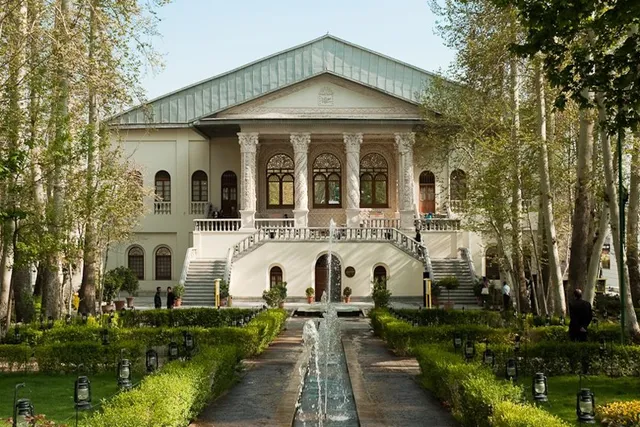
Cinema Museum of Iran
4.5
(506)
Closed
Click for details
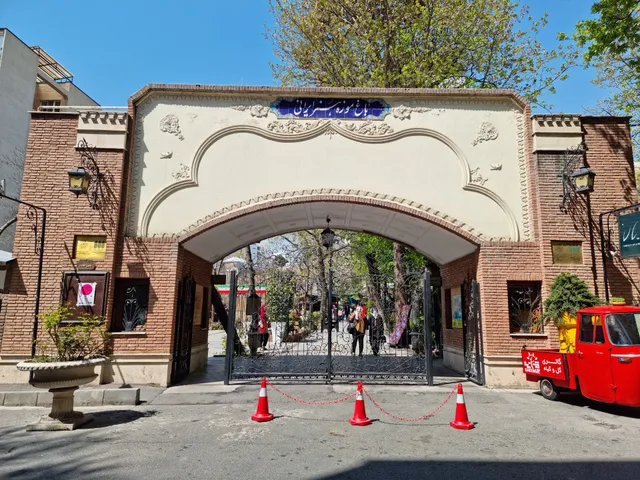
Iranian Art Museum
4.4
(250)
Closed
Click for details
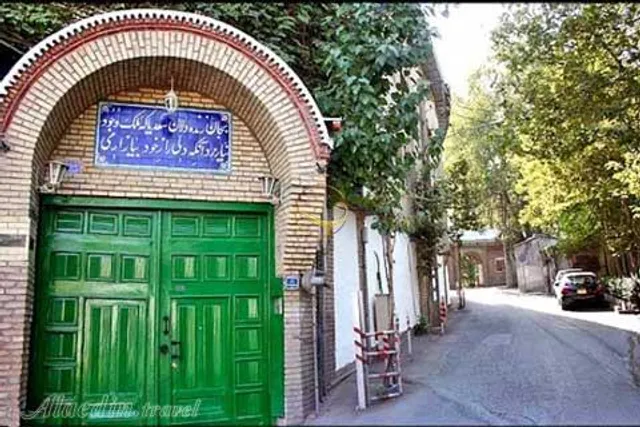
Javad Hessabi Museum
4.3
(247)
Open until 12:00 AM
Click for details
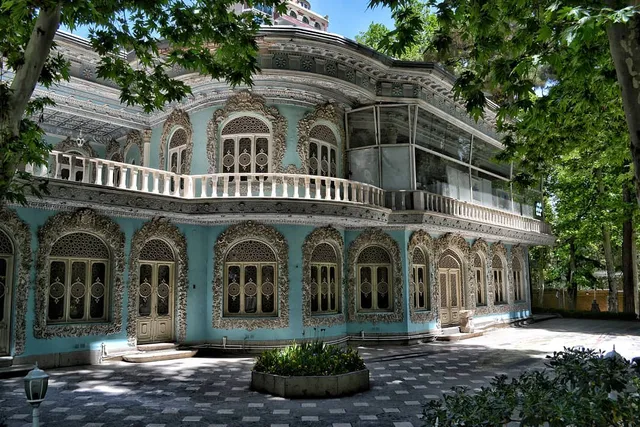
Time Museum
4.4
(23)
Closed
Click for details
Nearby restaurants of Ferdows Garden
Nayeb Restaurant Zafaraniyeh
Atlas Cafe Restaurant
Shemroon Kabab
Alborz Restaurant
Etminan Restaurant
Gilak persian cuisine
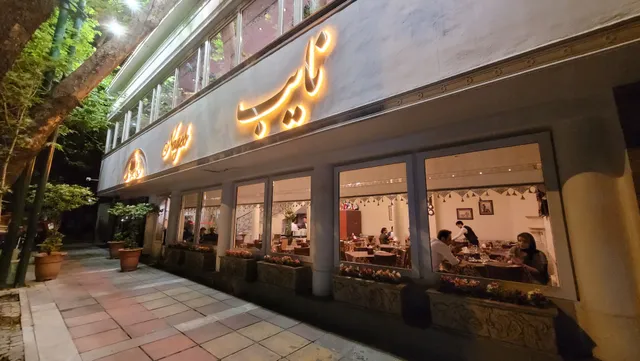
Nayeb Restaurant Zafaraniyeh
4.0
(132)
Open until 11:30 PM
Click for details
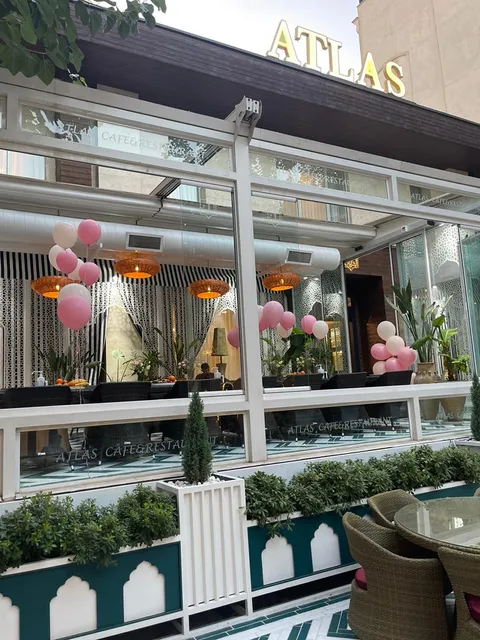
Atlas Cafe Restaurant
3.5
(56)
Open until 11:45 PM
Click for details
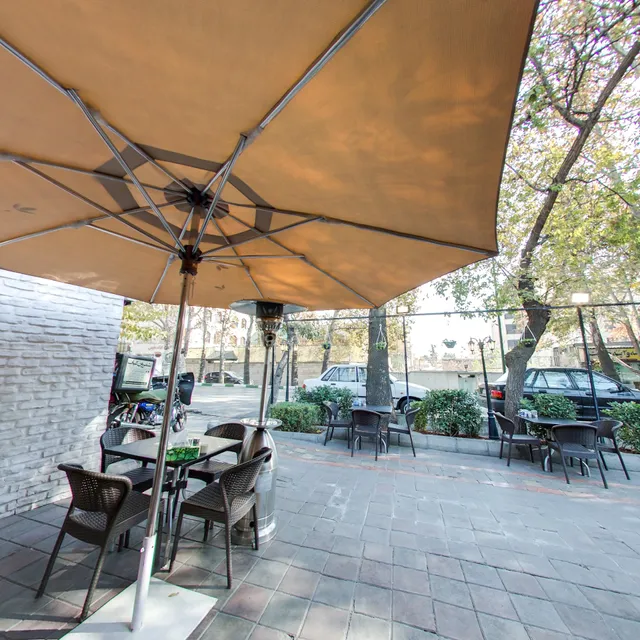
Shemroon Kabab
4.2
(461)
Open until 11:00 PM
Click for details
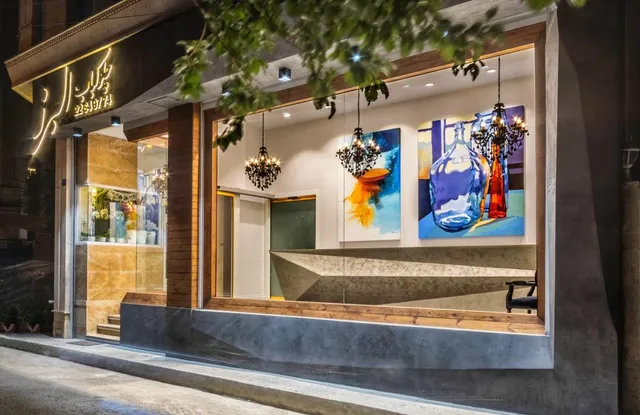
Alborz Restaurant
3.5
(18)
Open until 12:00 AM
Click for details
Nearby local services of Ferdows Garden
The garden of the Iranian Art Museum
Institute of Archeology, University of Tehran
ARG Shopping Mall
Tajrish Traditional Bazaar
Palladium Mall
Tandis Shopping Centre
Qaem Shopping Center
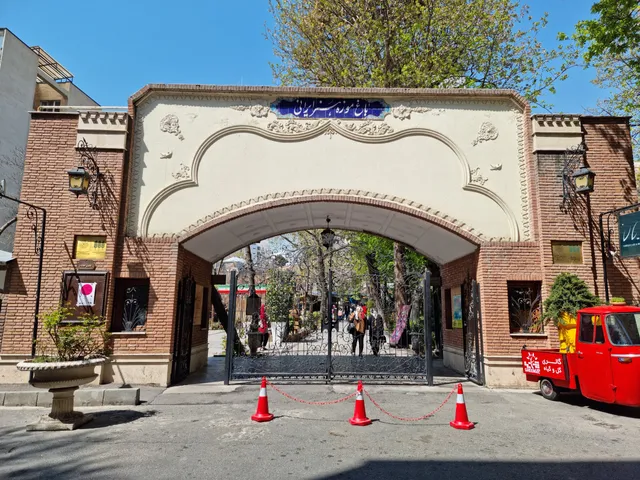
The garden of the Iranian Art Museum
4.4
(464)
Click for details
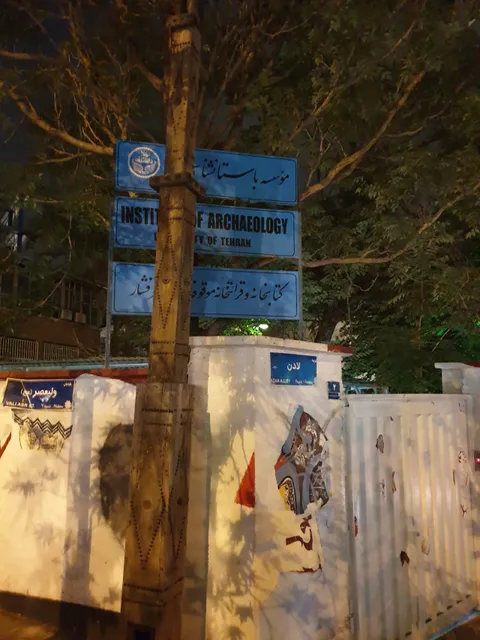
Institute of Archeology, University of Tehran
4.8
(9)
Click for details
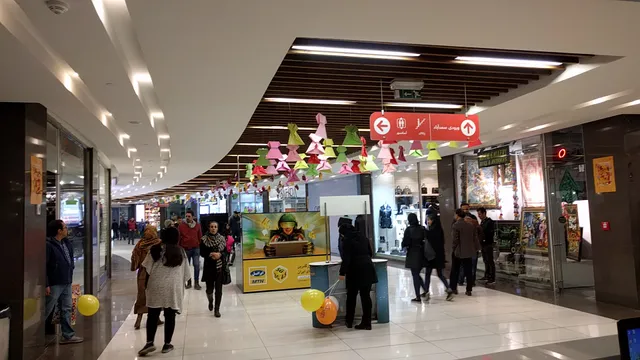
ARG Shopping Mall
4.2
(1.2K)
Click for details
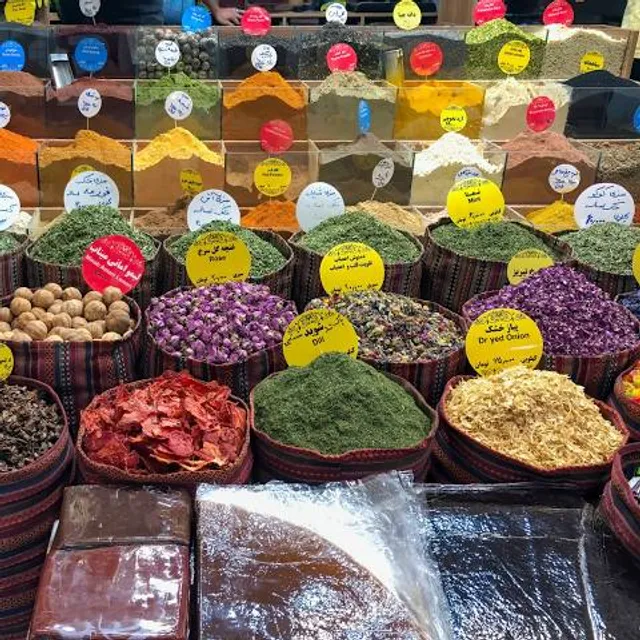
Tajrish Traditional Bazaar
4.6
(403)
Click for details