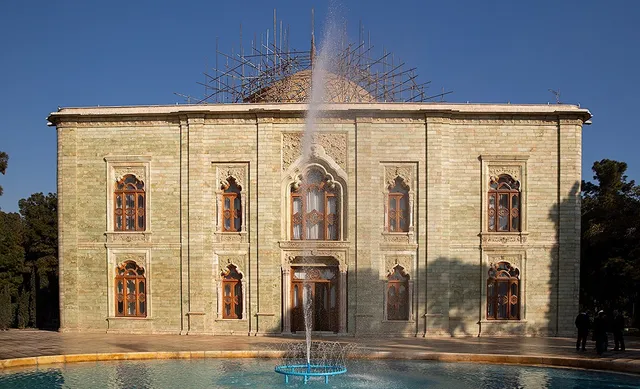
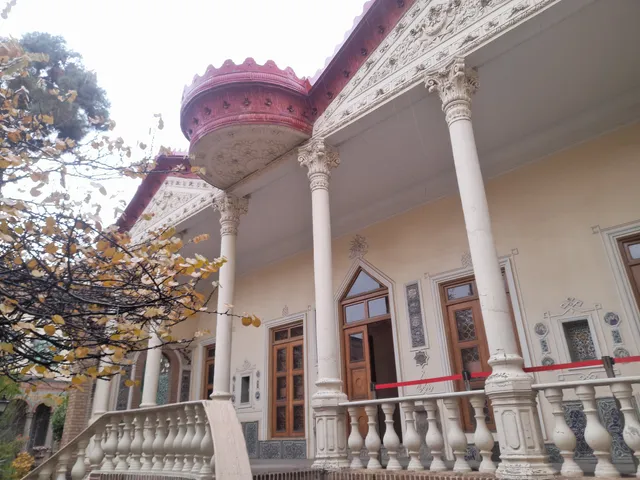
Magnificent and beautiful! The property in which the Marble Palace is situated used to belong to Prince Abbas Mirza Farman Farmaian, and contained his private residences and office. Upon ascension to the throne, Reza Shah, whom had previously been a sentry guard at the property confiscated it from the Farmanfarmaian family and evicted the family of Abbas Mirza Farman Farmaian in less than 24 hours. The demolition of the earlier buildings took place shortly thereafter. The Marble Palace was built between 1934 and 1937. It was constructed on the orders of Reza Shah by French engineer Joseph Leon and Iranian architect Fat'hollah Firdaws. It was originally built to host official functions and receptions.
It was used by Reza Shah and then his son Mohammad Reza Shah as their residence.Reza Shah and his fourth spouse Esmat Dowlatshahi lived at the palace with their five children until Reza Shah's exile in 1941. Reza Shah signed his letter of abdication at the palace in September 1941.
The palace hosted significant royal events during the reign of Mohammad Reza Shah. It was one of his two significant palaces in addition to Golestan Palace.The palace was identified with the Shah's persona in the 1950s.The palace hosted all three marriage ceremonies of the Shah. The Iranian wedding ceremony of the Shah and his first spouse, Princess Fawzia, was held at the palace in 1939. It was their residence until their divorce in 1945.
In October 1950, the betrothal ceremony and in February 1951, the wedding ceremony of the Shah and his second spouse, Soraya Esfendiary, were held at the palace. Both betrothal and marriage of the Shah to his third wife, Farah Diba, also occurred at the palace.Shahnaz Pahlavi, daughter of the Shah and Princess Fawzia, also wed Ardeshir Zahedi at the palace in October 1957. In addition, the palace hosted the Shah's 48th birthday party.
Besides these events the Shah also survived an assassination attempt at the palace on 10 April 1965, perpetrated by an Iranian soldier. Following this event the palace was no longer in use and was made a...
Read moreAs a residence, I normally get national price for the entrance ticket in museums in Iran. however with a steepRR 5 mil to enter, I was not sure what to expect. Besides no photos are allowed in…. Was it worth it?
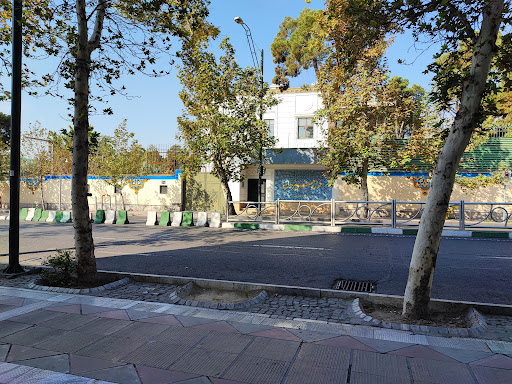
To find an entrance of this museum was already a hassle (google map took me elsewhere and I nearly caused an incidents!). If you can find an entrance, then, you need to ring a bell to ask for entering! Oh by the way, you need to leave your bags and phone before entering ( before ringing a bell) to the venue. Once you are allowed in to the reception, you present your passport, go through a body check, pay up and finally you are on your way to the garden.
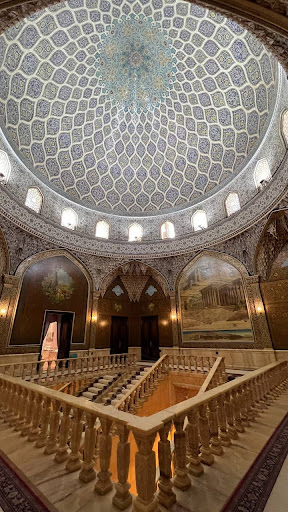
I did not read about this place before, my friend recommended me and there I was. Two key moments: when you see the building from outside and when you stand in front of the stairs leading to the first floor(or second depending on where you are from).
I spend most of the time at looking at the patterns on the ground floor and stairs, hall in the first floor and painting room. Mirror room was the best quality I have seen in Iran so far. It is like you are surrounded by thousands of stars.
There was a gentle man explaining the art but my Farsi was not at all up to the challenge… I should learn the language!!
So was it worth it?
For me, it was a big big yes. It is not for everyone. I have a thing about patterns. I also love this place because of the quality of art pieces displayed but also just quietly sit on stairs and look up the doom.
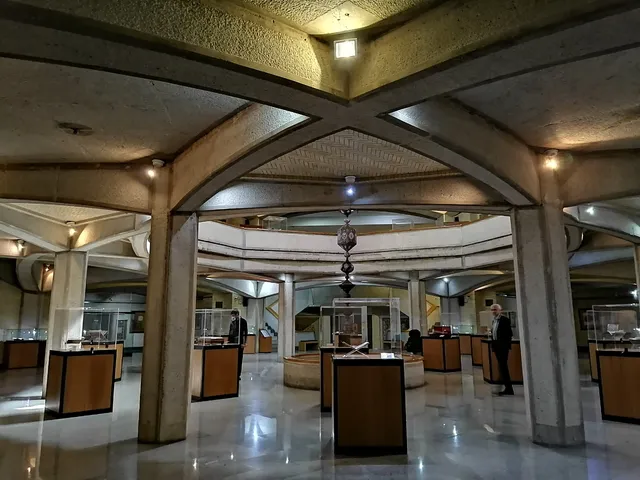
Not a big museum but I spent two hours just being sacked into my imagination of ancient time through artifacts in this museum. Regardless of various constraints, I honestly enjoyed being submerged into the rich Iranian art...
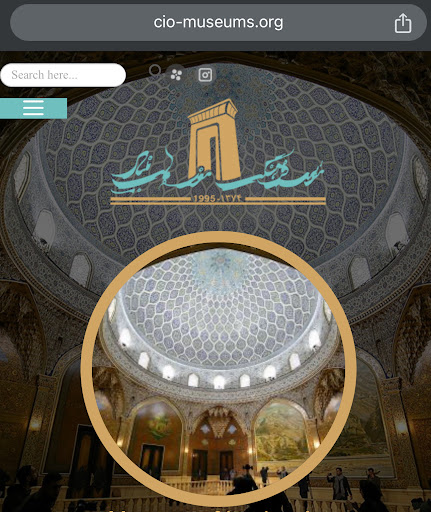
Read moreThe design of the two story palace was first developed by Ostad Jafar Khan.However, final sketch was produced by Ostad Haidar Khan.The overall architectural style of the palace is eclectic, combining Eastern, including Qajar architectural features, and Western architectural styles. The palace is surrounded by a garden.The external surface of the palace is of white marble.The stone entrance of the palace where two statues of Achaemenid soldiers holding arrows were erected particularly reflects eclectic architectural style.These statues were carved by Iranian artist Jafar Khan.The palace has other gates which were made by local craftsmen from different provinces.The palace is covered by a huge dome that is a replica of the Sheikh Lotfollah mosque in Isfahan.The dome is covered by arabesque tiles with scroll-like patterns. The internal area of the palace is highly formal with heavily carved doors and extremely high ceilings.The palace has a very large reception room where mirrors are used like in many mosques and holy shrines in the country.The room is known as "Hall of Mirrors".The interior of the palace was furnished by rich fabrics and rugs.Decorations were made by Iranian architect Hossein Lorzadeh.The tiles used at the palace were produced by Ostad Yazdi and paintings by Ostad...
Read more