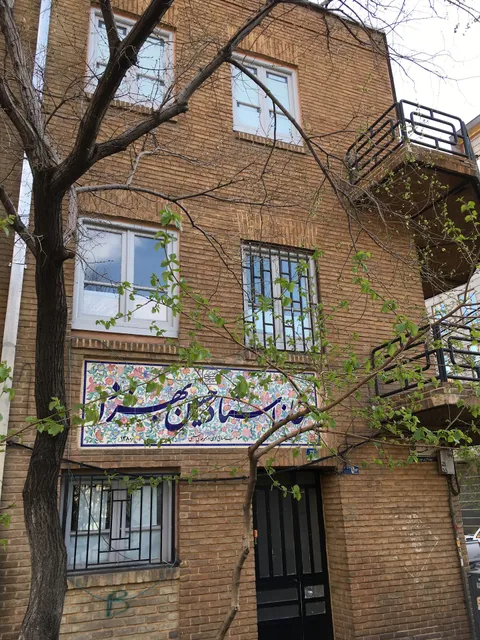
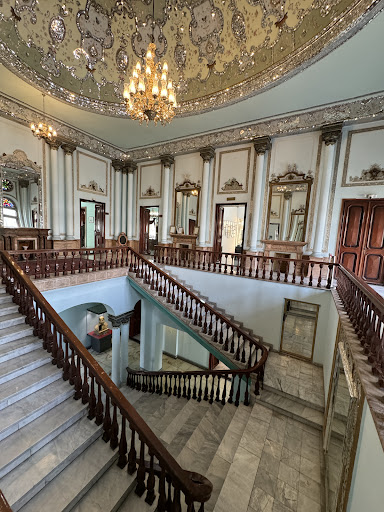
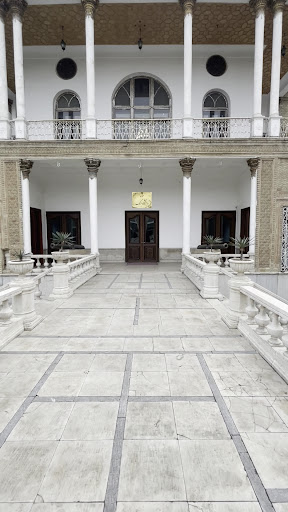
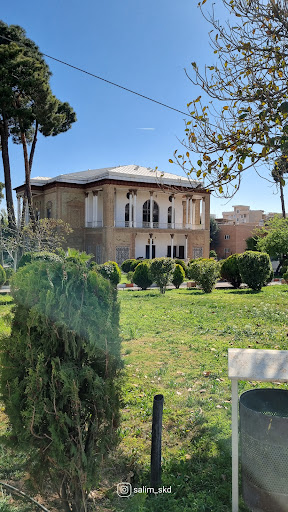
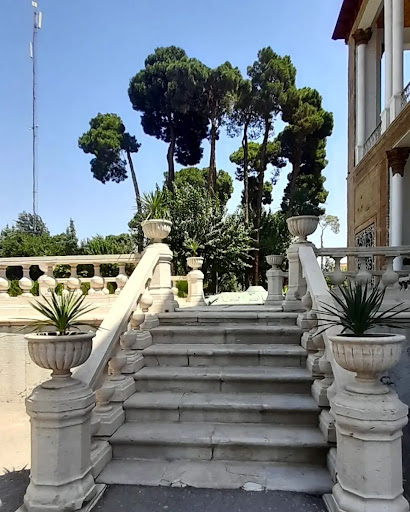
The building of War Museum, which is known as Timurtash House, is one of the famous places in Tehran. This museum is located on the northwest side of the Baghshah palace complex and was built about 160 years ago, during the Qajar period. In the architecture of Timurtash mansion, you can see a combination of three types of Iranian, Russian and Indian architecture. The main body of the mansion belongs to the time of Naser al-Din Shah Qajar, which has undergone changes during different eras. Where is the war museum? This museum is located on South Kargar Street, Pastor Square and across from Har Square metro station inside Jang University. The best way to get there is to use the subway. Har Square metro station on the second line (Farhangsara-Sadeghieh) is located in front of the complex. To use a private car, you can access the complex from the ancient square. For this purpose, consider that this area is located in the traffic plan of Tehran. You may also have a problem with parking. Geographical location of the war museum on the map History of the war museum After the extinction of the Qajar dynasty and the coming to power of Reza Shah, Abdul Hossein Timurtash, who was appointed as the minister of the court, bought this mansion from Sardar Mohtsham Bakhtiari and lived in it as a residence. When Timurtash was angered and ordered to kill him on the 9th day of October 1312, his properties were confiscated and this mansion, which was especially important to Reza Shah, was handed over to the army to establish the War University. In 1312, an architect named "Karim Taherzadeh Behzad" worked to build the Jang University building next to the Kolah Ferangi mansion, and the university building was completed with his efforts. After the completion of the building of the War University and its opening, the Kaleh Ferangi building was used as the command building of the War University, which continued until after the victory of the Islamic Revolution of Iran. In 1373, this mansion was registered by the Cultural Heritage and Tourism Organization in the list of national monuments of Iran under...
Read moreMany old houses in Tehran these days have changed their usage and most of them has been turned into a museum to remain in the history of Iran. The historical house of Teymurtash is one of the must-see places in Tehran that now operates as a war museum. The building dates back to the late Qajar era. Visiting this museum has 2 goals. because you can take a tour in a historical mansion and step into one of the most interesting museums in Tehran.
The Teymurtash Museum has attractive architecture and houses various ancient war weapons. The war museum was once the residence of Abdul Hossein Teymurtash. This figure, who was a minister in the Pahlavi era and belonged to the aristocracy, was one of the influential historical and political figures in the late Qajar and early Pahlavi era. Teymurtash might be considered the most powerful political figure after Reza Shah Pahlavi, a person who played an important role in the policies and decisions of the first Pahlavi.
The best way to access Teymurtash House is by metro since the Metro Hor Square station on Line 2 (Farhangsara Sadeghiyeh) is right in front of this complex, and you can reach it with a few short steps. Consider that this museum is open to visit only...
Read moreبه تازگی فرصتی دست داد تا به موزه جنگ تهران، که در خانه تاریخی تیمورتاش واقع شده، سر بزنم. راستش را بخواهید، انتظارم از یک موزه جنگ، دیدن ادوات نظامی خشک و بیروح بود، اما اینجا تجربهای کاملاً متفاوت رقم خورد. اول از همه، خود بنای خانه تیمورتاش، با قدمتی ۱۶۰ ساله از دوره قاجار، شما را مسحور میکند. معماری تلفیقی ایرانی، روسی و هندی، با آن نمای آجری ظریف، آینهکاریهای سقف تالار اصلی، گچبریهای استادانه و پنجرههای ارسی رنگارنگ، گویی شما را به دل تاریخ میبرد. وارد موزه که میشوید، در طبقه اول، گنجینهای از سلاحهای جنگی از دورههای مختلف تاریخی ایران، از صفویه تا پهلوی، چشمانتان را خیره میکند. شمشیرها و سرنیزههای فولادی براق، سپرها و اسلحههای سرد دوره صفوی که حکایت از دلاوریهای آن دوران دارند، در کنار اسلحههای گرم دوره قاجار، مثل تفنگها و باروتدانها، و حتی سلاحهای مدرنتر، همگی در کنار هم تاریخ جنگاوری در ایران را به نمایش گذاشتهاند. دیدن خنجرهای قدیمی صفوی که در ویکی پدیا هم به آن اشاره شده بود، برایم خیلی جذاب بود. تصور کنید، این سلاحها روزی در دست سربازان صفوی برای دفاع از این سرزمین به کار رفتهاند. طبقه دوم موزه، از نظر معماری حتی از طبقه اول هم زیباتر است. آینهکاریهای تماشایی سقف و پنجرههای ارسی با شیشههای رنگی، فضایی دلنشین و آرامشبخش ایجاد کردهاند. زیرزمین موزه هم داستان خودش را دارد. یک آبانبار قدیمی که با نورپردازی زیبا، جلوهای خاص پیدا کرده و یک کافه کوچک هم در آنجا دایر شده است که چای و نسکافه سرو میشه که میتونید در همونجایی که تیمورتاش چای میخورده بنشینید و چای بنوشید! در محوطه بیرونی موزه، فضای سبز دلانگیزی وجود دارد که در آن، ماشینها و هوابُردهای جنگی به نمایش گذاشته شدهاند. درختانی هم به نشانه دوستی با کشورهای دیگر در این محوطه کاشته شدهاند. به نظر من، موزه جنگ تهران فقط یک موزه جنگی معمولی نیست. اینجا، تاریخ ایران را در قالب یک خانه تاریخی زیبا و با مجموعهای ارزشمند از آثار نظامی به نمایش گذاشتهاند. اگر به تاریخ و موزههای جنگی علاقه دارید، بازدید از موزه جنگ تهران را به هیچ وجه از دست ندهید. معماری چشمنواز بنا، تنوع سلاحهای تاریخی و فضای دلنشین موزه، مطمئناً تجربهای به یادماندنی برایتان رقم خواهد زد. راستی، بازدید از این موزه رایگان است و دسترسی به آن با وسایل حمل و نقل عمومی هم خیلی راحت است. امیدوارم این ریویو برای شما مفید بوده باشه و شما رو برای بازدید از این...
Read more