Amir Chakhmagh Historical Mosque things to do, attractions, restaurants, events info and trip planning
Basic Info
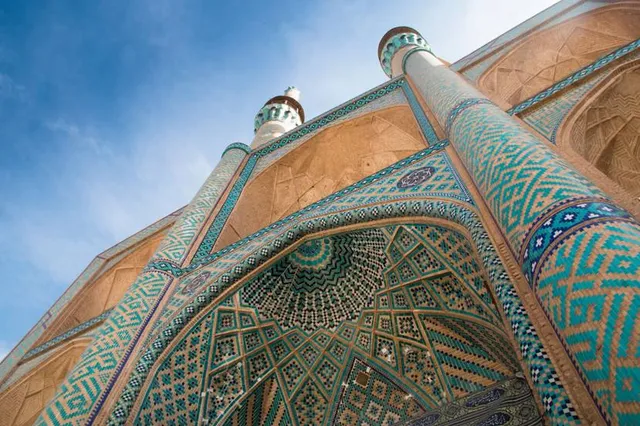
Amir Chakhmagh Historical Mosque
V9V9+GFC, Yazd, Yazd Province, Iran
4.3(80)
Closed
Save
spot
spot
Ratings & Description
Info
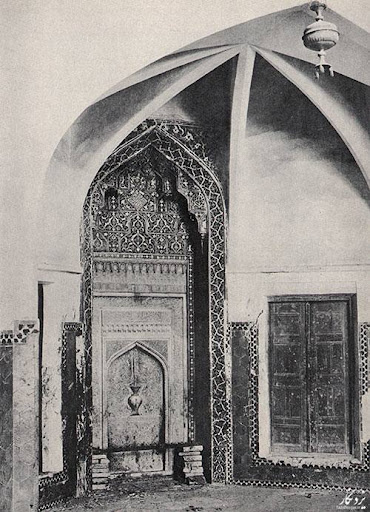
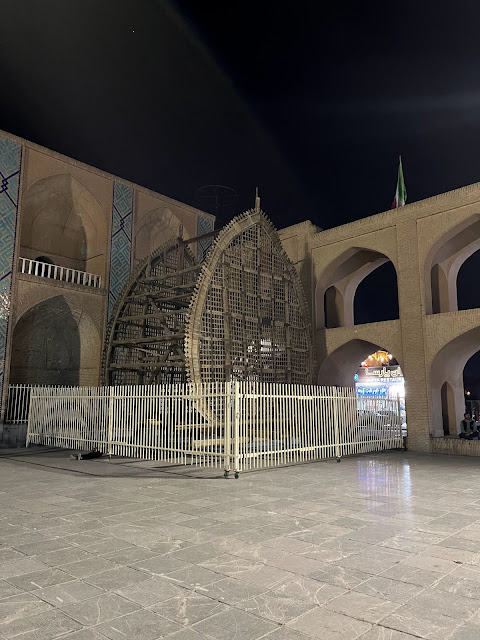
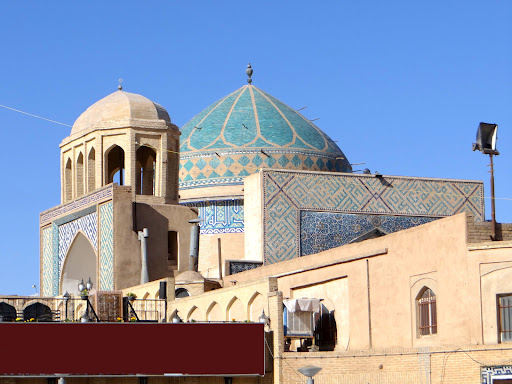
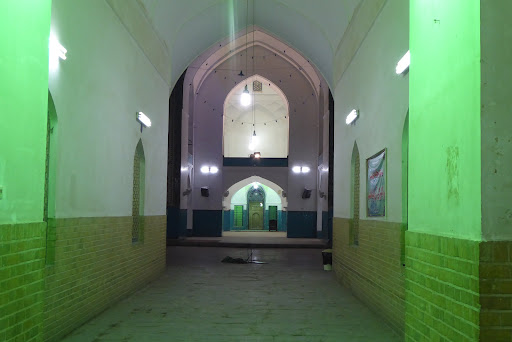
The Amir Chakhmaq Mosque, also known as Dahouk mosque, is a historical mosque from the Timurid era in Yazd, in Iran. It was built on orders of Jalal ed-Din Amir Chakhmaq Shami, who was the governor of Yazd and a general of Shahrukh Mirza. The mosque was completed in 1438.
Cultural
Scenic
Family friendly
Accessibility
attractions: Amir Chakhmaq Complex, Yazd Water Museum, kolahdoozha home, Amir Chakhmagh Water Reservoir, Khan bath, Hazireh Mosque, Lab-e Khandagh Tower, Jameh Mosque of Yazd, Imamzadeh Jafar, Molla Agha Baba Synagogue, Yazd’s Sabats, restaurants: Haj Khalifeh Ali Rahbar & Shoraka, Mahoor Traditional Restaurant, رستوران سنتی کهن, Hamam e Khan Traditional Restaurant, Ebrahimi's House Restaurant, Yazd Traditional Restaurant, Baam Cafe Restaurant, Fooka restaurant, Khaneh Pedari, کافه سنتی تنورک, local businesses: Amir Chakhmagh, Mulla Ismael Mosque, Seyed Rokn Addin Mausoleum, Cambrian Museum
 Learn more insights from Wanderboat AI.
Open hoursSee all hours
Thu6 AM - 2 PMClosed
Plan your stay

Pet-friendly Hotels in Yazd
Find a cozy hotel nearby and make it a full experience.

Affordable Hotels in Yazd
Find a cozy hotel nearby and make it a full experience.

The Coolest Hotels You Haven't Heard Of (Yet)
Find a cozy hotel nearby and make it a full experience.

Trending Stays Worth the Hype in Yazd
Find a cozy hotel nearby and make it a full experience.
Reviews
Nearby attractions of Amir Chakhmagh Historical Mosque
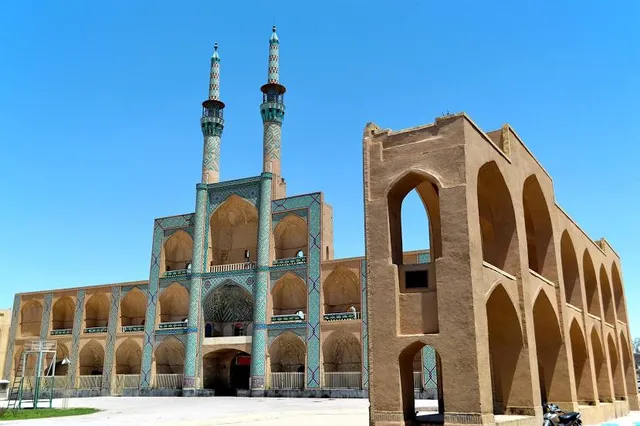
Amir Chakhmaq Complex
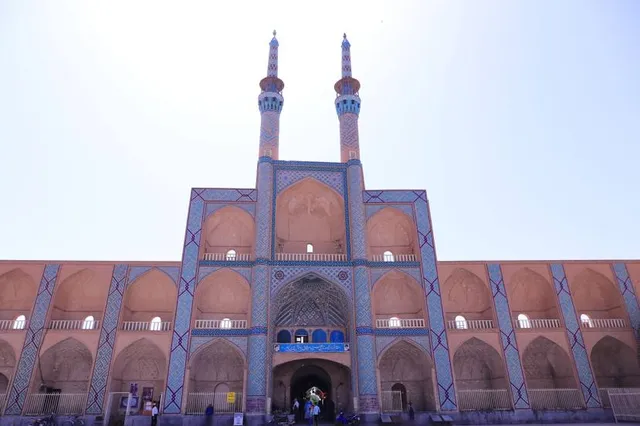
Yazd Water Museum, kolahdoozha home
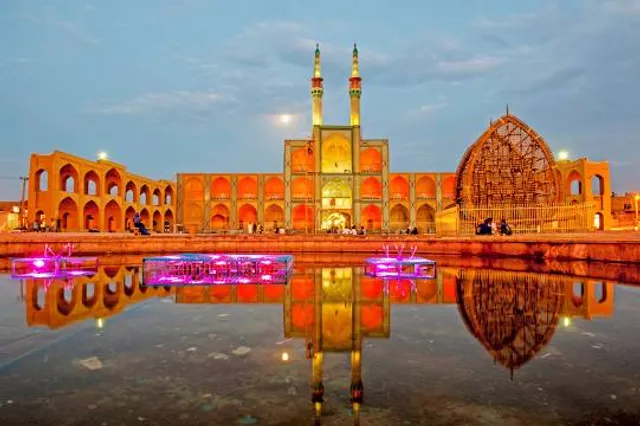
Amir Chakhmagh Water Reservoir
Khan bath
Hazireh Mosque
Lab-e Khandagh Tower
Jameh Mosque of Yazd
Imamzadeh Jafar
Molla Agha Baba Synagogue
Yazd’s Sabats
Amir Chakhmaq Complex
4.4
(1.3K)
Open until 12:00 AM
Click for details
Yazd Water Museum, kolahdoozha home
4.3
(274)
Closed
Click for details
Amir Chakhmagh Water Reservoir
4.5
(43)
Closed
Click for details
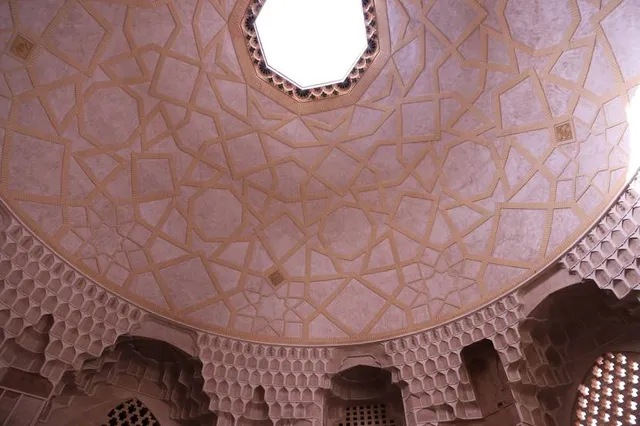
Khan bath
3.9
(127)
Closed
Click for details
Nearby restaurants of Amir Chakhmagh Historical Mosque
Haj Khalifeh Ali Rahbar & Shoraka
Mahoor Traditional Restaurant
رستوران سنتی کهن
Hamam e Khan Traditional Restaurant
Ebrahimi's House Restaurant
Yazd Traditional Restaurant
Baam Cafe Restaurant
Fooka restaurant
Khaneh Pedari
کافه سنتی تنورک
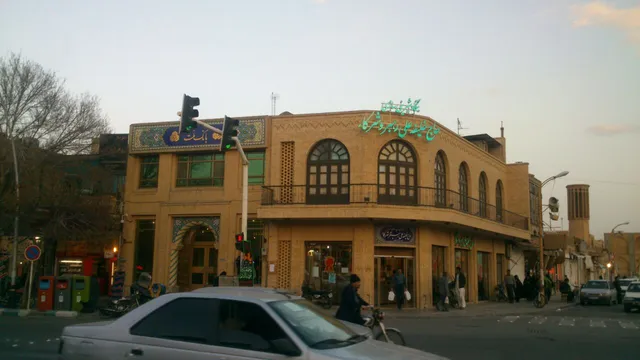
Haj Khalifeh Ali Rahbar & Shoraka
4.5
(188)
Closed
Click for details
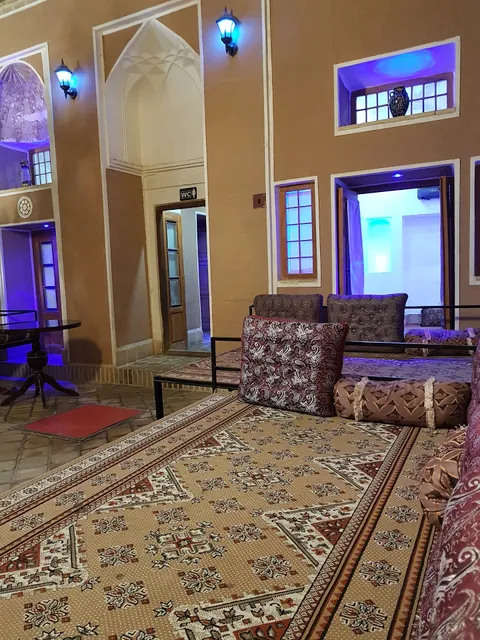
Mahoor Traditional Restaurant
4.7
(6)
Click for details
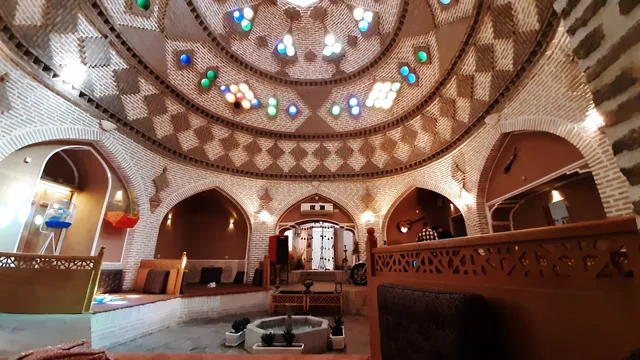
رستوران سنتی کهن
4.2
(34)
Closed
Click for details
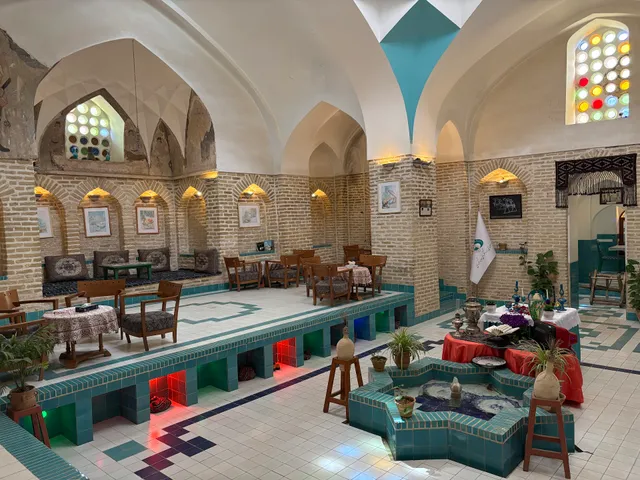
Hamam e Khan Traditional Restaurant
3.4
(37)
Closed
Click for details
Nearby local services of Amir Chakhmagh Historical Mosque
Amir Chakhmagh
Mulla Ismael Mosque
Seyed Rokn Addin Mausoleum
Cambrian Museum
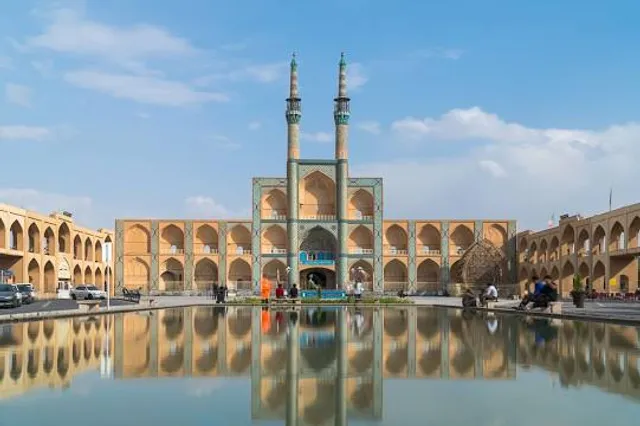
Amir Chakhmagh
4.5
(341)
Click for details
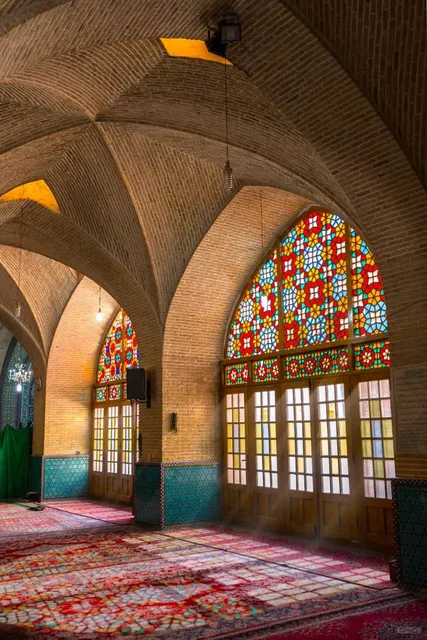
Mulla Ismael Mosque
4.2
(35)
Click for details

Seyed Rokn Addin Mausoleum
4.4
(39)
Click for details
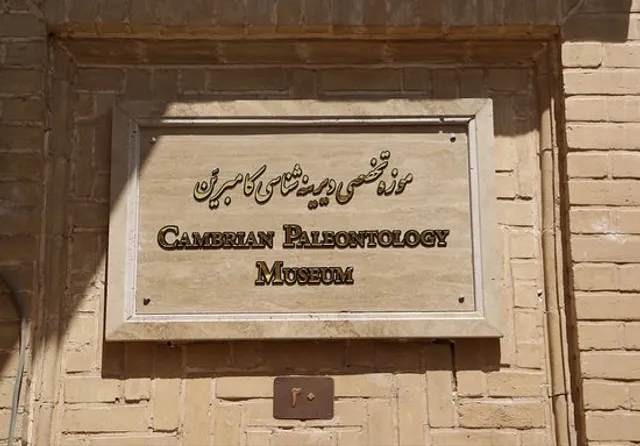
Cambrian Museum
4.4
(31)
Click for details