HTML SitemapExplore
logo
Find Things to DoFind The Best Restaurants

Babel Lion — Attraction in Al-Hillah Central Subdistrict

Name
Babel Lion
Description
Nearby attractions
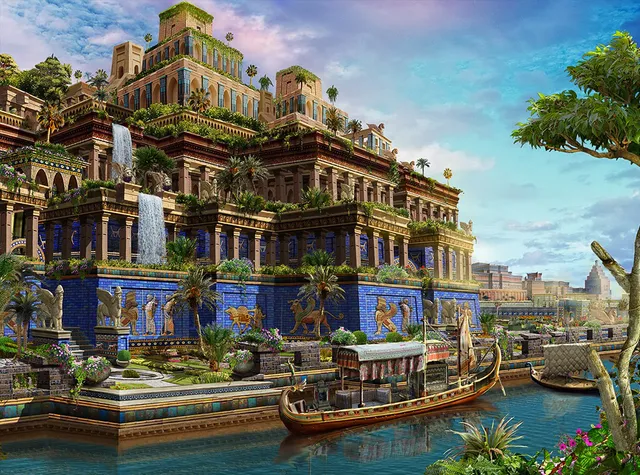
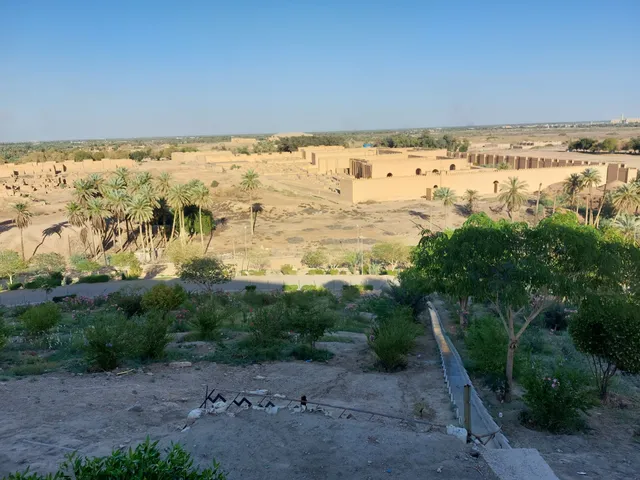
Remains of the Hanging Gardens of Babylon
GCVC+J54, Mahawil, Babylon Governorate, Iraq
Ancient Babylon
GCRC+W96، سنجار, Babylon Governorate, Iraq
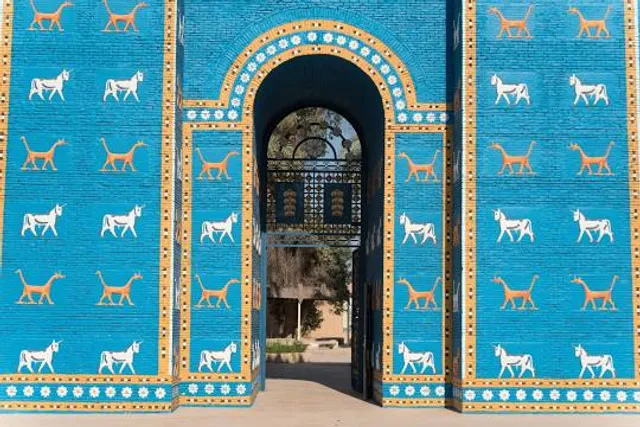
Ishtar Gate
GCRF+JHG, Hillah, Babylon Governorate, Iraq
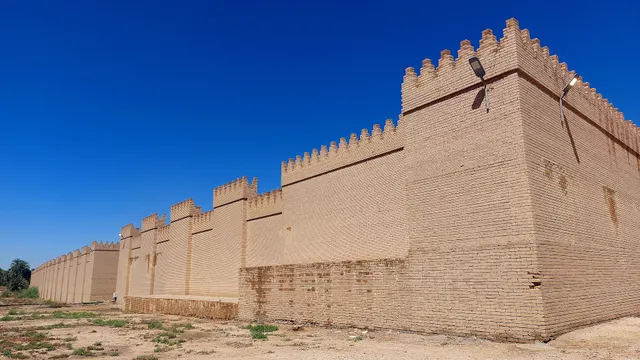
Ancient Ruins of Babylon
GCRC+Q93، سنجار, Babylon Governorate, Iraq
Ninmah Temple
Ninmah Temple, Babylon Governorate, Iraq
قصر العراق في منتجع بابل
GCV8+6WC، سنجار, Babylon Governorate, Iraq
Babylon Palace
GCV8+8P7، سنجار, Babylon Governorate, Iraq
Nearby restaurants
Nearby hotels
Babylon Tourist Resort
GCR7+GX5, Babylon Governorate, Iraq
Related posts
Keywords
Babel Lion tourism.Babel Lion hotels.Babel Lion bed and breakfast. flights to Babel Lion.Babel Lion attractions.Babel Lion restaurants.Babel Lion travel.Babel Lion travel guide.Babel Lion travel blog.Babel Lion pictures.Babel Lion photos.Babel Lion travel tips.Babel Lion maps.Babel Lion things to do.
Babel Lion things to do, attractions, restaurants, events info and trip planning
Babel Lion
IraqBabil GovernorateAl-Hillah Central SubdistrictBabel Lion

Basic Info

Babel Lion

الحلة‎،, Babylon Governorate, 51000, Iraq
4.5(113)
Closed
Save
spot

Ratings & Description

Info

Cultural
Scenic
attractions: Remains of the Hanging Gardens of Babylon, Ancient Babylon, Ishtar Gate, Ancient Ruins of Babylon, Ninmah Temple, قصر العراق في منتجع بابل, Babylon Palace, restaurants:
logoLearn more insights from Wanderboat AI.

Open hoursSee all hours
Tue8 AM - 7 PMClosed

Plan your stay

hotel
Pet-friendly Hotels in Al-Hillah Central Subdistrict
Find a cozy hotel nearby and make it a full experience.
hotel
Affordable Hotels in Al-Hillah Central Subdistrict
Find a cozy hotel nearby and make it a full experience.
hotel
The Coolest Hotels You Haven't Heard Of (Yet)
Find a cozy hotel nearby and make it a full experience.
hotel
Trending Stays Worth the Hype in Al-Hillah Central Subdistrict
Find a cozy hotel nearby and make it a full experience.

Reviews

Nearby attractions of Babel Lion

Remains of the Hanging Gardens of Babylon

Ancient Babylon

Ishtar Gate

Ancient Ruins of Babylon

Ninmah Temple

قصر العراق في منتجع بابل

Babylon Palace

Remains of the Hanging Gardens of Babylon

Remains of the Hanging Gardens of Babylon

4.4

(235)
Open 24 hours
Click for details
Ancient Babylon

Ancient Babylon

4.4

(1.3K)

Open 24 hours
Click for details
Ishtar Gate

Ishtar Gate

4.5

(341)

Closed
Click for details
Ancient Ruins of Babylon

Ancient Ruins of Babylon

4.6

(81)

Open 24 hours
Click for details
Get the Appoverlay
Get the AppOne tap to find yournext favorite spots!
Wanderboat LogoWanderboat

Your everyday Al companion for getaway ideas

CompanyAbout Us
InformationAI Trip PlannerSitemap
SocialXInstagramTiktokLinkedin
LegalTerms of ServicePrivacy Policy

Get the app

© 2025 Wanderboat. All rights reserved.
logo

Posts

Abdulrahman QazzazAbdulrahman Qazzaz
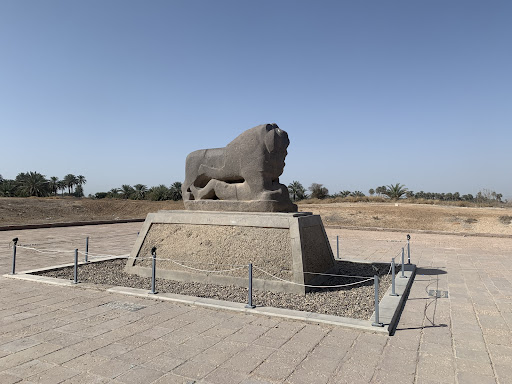
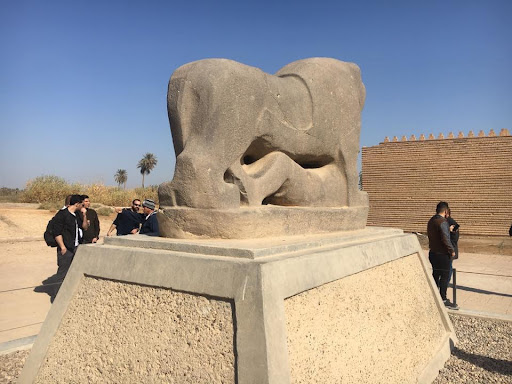
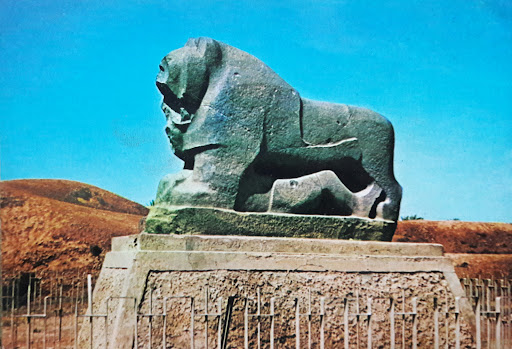
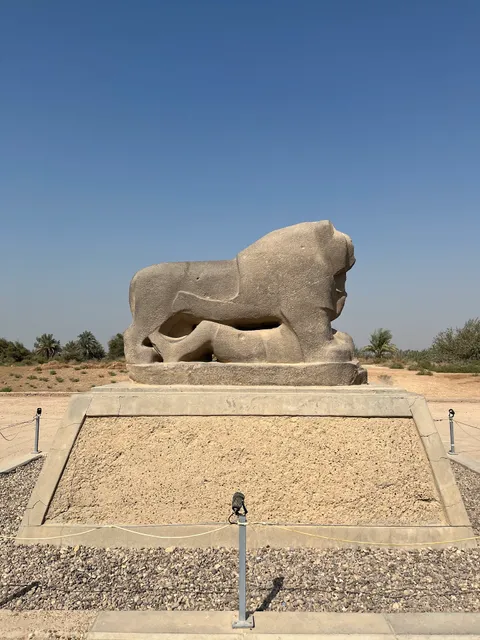
One of the most iconic artifacts of Ancient Mesopotamia and a national symbol of Iraq. The Lion of Babylon is an ancient Mesopotamian basalt statue that dates back to the Neo-Babylonian period (around the reign of King Nebuchadnezzar II, 6th century BCE). The statue depicts a powerful lion standing over a prostrate human, symbolizing strength, authority, and the triumph of good over evil. It was carved from a single block of black basalt and measures about 2.6 meters in length and 1.2 meters in height. Despite centuries of erosion and damage, it proudly remains standing as an emblem of Iraqi heritage.
Mohammed SharbaMohammed Sharba
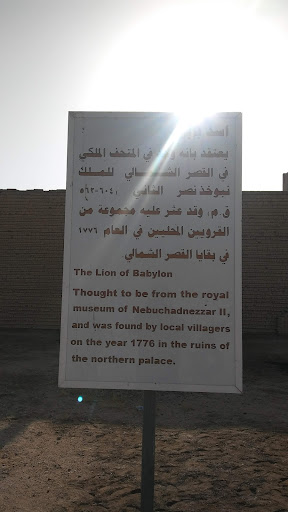
Lion of Babylon is a stone sculpture that was found in the ancient city of Babylon, Iraq. It is made out of black basalt black stone; it depicts a Mesopotamian lion standing above a laying human. The statue is two meters in length and the platform upon which it stands is one meter. It was discovered in 1876 by a German archaeological mission. It was initially proposed that the statue was built by the Babylonian king Nebuchadnezzar II (605-562 BC).
Haider AbdallahHaider Abdallah
What could I say, its where the civilisation starts. Great feeling to be there known the history of the place. Unfortunately no maintenance offered for that place. Alot of weed and dust. I really hope that place gets the reservation it deserves. One of the spots you should visit before you die. First law and first school and alot of the firsts starts on that same ground.
See more posts
See more posts
hotel
Find your stay

Pet-friendly Hotels in Al-Hillah Central Subdistrict

Find a cozy hotel nearby and make it a full experience.

One of the most iconic artifacts of Ancient Mesopotamia and a national symbol of Iraq. The Lion of Babylon is an ancient Mesopotamian basalt statue that dates back to the Neo-Babylonian period (around the reign of King Nebuchadnezzar II, 6th century BCE). The statue depicts a powerful lion standing over a prostrate human, symbolizing strength, authority, and the triumph of good over evil. It was carved from a single block of black basalt and measures about 2.6 meters in length and 1.2 meters in height. Despite centuries of erosion and damage, it proudly remains standing as an emblem of Iraqi heritage.
Abdulrahman Qazzaz

Abdulrahman Qazzaz

hotel
Find your stay

Affordable Hotels in Al-Hillah Central Subdistrict

Find a cozy hotel nearby and make it a full experience.

Get the Appoverlay
Get the AppOne tap to find yournext favorite spots!
Lion of Babylon is a stone sculpture that was found in the ancient city of Babylon, Iraq. It is made out of black basalt black stone; it depicts a Mesopotamian lion standing above a laying human. The statue is two meters in length and the platform upon which it stands is one meter. It was discovered in 1876 by a German archaeological mission. It was initially proposed that the statue was built by the Babylonian king Nebuchadnezzar II (605-562 BC).
Mohammed Sharba

Mohammed Sharba

hotel
Find your stay

The Coolest Hotels You Haven't Heard Of (Yet)

Find a cozy hotel nearby and make it a full experience.

hotel
Find your stay

Trending Stays Worth the Hype in Al-Hillah Central Subdistrict

Find a cozy hotel nearby and make it a full experience.

What could I say, its where the civilisation starts. Great feeling to be there known the history of the place. Unfortunately no maintenance offered for that place. Alot of weed and dust. I really hope that place gets the reservation it deserves. One of the spots you should visit before you die. First law and first school and alot of the firsts starts on that same ground.
Haider Abdallah

Haider Abdallah

See more posts
See more posts

Reviews of Babel Lion

4.5
(113)
avatar
5.0
8y

أسد بابل وهو تمثال لأسد عثر عليه في مدينة بابل الأثرية في العراق في سنة 1776 من قبل بعثة حفريات أثرية ألمانية، وهو مصنوع من حجر البازلت الأسود الصلب، حيث يظهر هذا التمثال على شكل أسد يقف على شخص بشري، طوله يبلغ حوالي متران وهو موضوع على منصة طولها حوالي متر عثر عليها بالقرب من مبنى الجنائن المعلقة، رجح بناء هذا التمثال من قبل الملك البابلي الكلداني نبوخذ نصر الثاني (605-562 ق م)، إلا أن شكله ومادة صنعه رجحت العلماء من أنه قد يعود إلى فترة الحيثيون، وعلماء آخرون قالوا أنها من المحتمل أن تكون من الغنائم ألتي غنمها البابليون أثناء فترة حكم نبوخذنصر الثاني أثناء إغارته على بلاد حاتي، ويرى الباحثون أن تمثال أسد بابل هو تجسيد لقوة بابل وفرض سلطتها على الشعوب. وقيل حول التمثال قصص عدة، إن التمثال الواقع على بقعة صغيرة من أرض مدينة (بابل القديمة) ويمثل قطعة حجرية كبيرة هي عبارة عن هيئة أسد يجثم على جسد بشري، يبلغ طولها ما يقارب المترين موضوعة على منصة (زقورية) بارتفاع متر. وقد سمي عبر الزمان بـ (أسد بابل). عثر على هذه القطعة الحجرية المصنوعة من (البازلت الأسود الصلب)في آذار من سنة (1776) ميلادية، من قبل فرقة تنقيب آثارية ألمانية في القصر الشمالي لمدينة (بابل) الذي بناه الملك البابلي الرابع من (سلالة أيسن الثانية) ويرجح أنه الملك (نبوخذنصر الثاني) الذي عاش في عام (604) قبل الميلاد وهو أبن (نبوخذنصر الأول). وقد اعتبرت هذه القطعة النحتية من أهم الشواهد الحضارية للحضارة البابلية بشكل خاص وللفن الرافديني بشكل عام وللفكر ألإنساني جمعاء. وقد تباينت الآراء حول مرجعية تمثال (أسد بابل) التأريخية وعائديته. فهناك من يقول أنه لم يعود للبابليين لأن أسلوب تنفيذه الفني وطريقة تصميمه بعيدة عن الأسلوب البابلي في فن النحت، وهو يقترب من أسلوب (الفن الحثي) الذي يمثل الحضارة (الحثية) المجاورة لحضارة (بابل) اللتان تحاربتا فترة من الزمن وانتهت تلك الحروب بأنتصار (البابليين). على هذا ألأساس قد يكون من المحتمل أن جلب من (الحثيين) كأحدى غنائم الحروب التي خاضها (نبوخذنصرالثاني) ضد أولئك القوم في شمال أرض الرافدين.ثم أن منطقة بابل بأراضيها السهلة والمنبسطة خالية من الصخور ومن الأحجار كحجر (البازلت الصلب) الذي يتواجد أكثر في المناطق الشمالية البعيدة عن (بابل).فمن أين جاء البابلي بهذه الصخرة الثقيلة والكبيرة؟ ومهما يكن من أمر تلك الآراء ,فأن عثور فريق التنقيب عليه كقطعة آثارية مهمة جدا في القصر الشمالي لمدينة (بابل) في منتصف القرن (الثامن عشر الميلادي 1776) هو الدليل القاطع على (بابليته وعراقيته).وما يدلنا على عراقية العمل هو أن الأستاذ الدكتور زهير صاحب أستاذ مادة تأريخ الفن في جامعة بغداد قال في أحد مقالاته القيمة حول التمثال ((أن شكل ألأسد في هو من أكثر مفردات الطبيعة ظهورا في الفنون البابلية في العهد الحديث فقد مثل الأسد (مائة وعشرون مرة) على جدران (شارع الموكب) وعلى جدارية الملك - نبو خذ نصر- )). عبر تمثال (أسد بابل) عن وجود وعي جمالي مذهل، تمثل في التعبير عن عظمة بابل وملكها القوي. وقساوة التحديات مع القوى الداخلية والخارجية.هذا فضلا عن أن التمعن في أسلوب صناعته فنيا يوحي بوجود لمسات من ألأسلوب البابلي المعروف بالواقعية والدقة اضافة إلى شيء من التجريد في نحت ورسم الأسود وبنفس طريقة تنفيذ (أسد بابل). وفي التمثال المذكور نجد أن هناك أجزاء تبدو متداخلة ولكن اجتماعها يوحي بوجود هيئة أسد يجثم فوق جسد بشري.ويجد المتفحص والباحث في معاني الفن القديم أن النحات هنا وكأنه يروم تقديم عمل فني الغاية منه تجسيد فكرة القوة والعظمة أزاء الضعف والهوان,عبر محاكاة واقعية. حيث تأثر الخطاب التشكيلي لاسيما النحت بالظروف التي مرت بها بابل في عهد التحديات ومواجهة العيلاميين ثم الحثيين زمن نبوخذ نصر الثاني في 605- 562 قبل الميلاد.وما يتطلبه الأمر من تعبئة للفن خدمة للمعارك من أجل تخليص بابل من براثن الأعداء فضلا عن وجود التحديات الداخلية المتمثلة بـ (القوة الآشورية) التي تبغي انتزاع السلطة من...

   Read more
avatar
5.0
3y

One of the most iconic artifacts of Ancient Mesopotamia and a national symbol of Iraq.

The Lion of Babylon is an ancient Mesopotamian basalt statue that dates back to the Neo-Babylonian period (around the reign of King Nebuchadnezzar II, 6th century BCE).

The statue depicts a powerful lion standing over a prostrate human, symbolizing strength, authority, and the triumph of good over evil. It was carved from a single block of black basalt and measures about 2.6 meters in length and 1.2 meters in height.

Despite centuries of erosion and damage, it proudly remains standing as an emblem of...

   Read more
avatar
5.0
7y

Lion of Babylon is a stone sculpture that was found in the ancient city of Babylon, Iraq. It is made out of black basalt black stone; it depicts a Mesopotamian lion standing above a laying human. The statue is two meters in length and the platform upon which it stands is one meter. It was discovered in 1876 by a German archaeological mission. It was initially proposed that the statue was built by the Babylonian king Nebuchadnezzar II...

   Read more

Page 1 of 7
Previous
Next