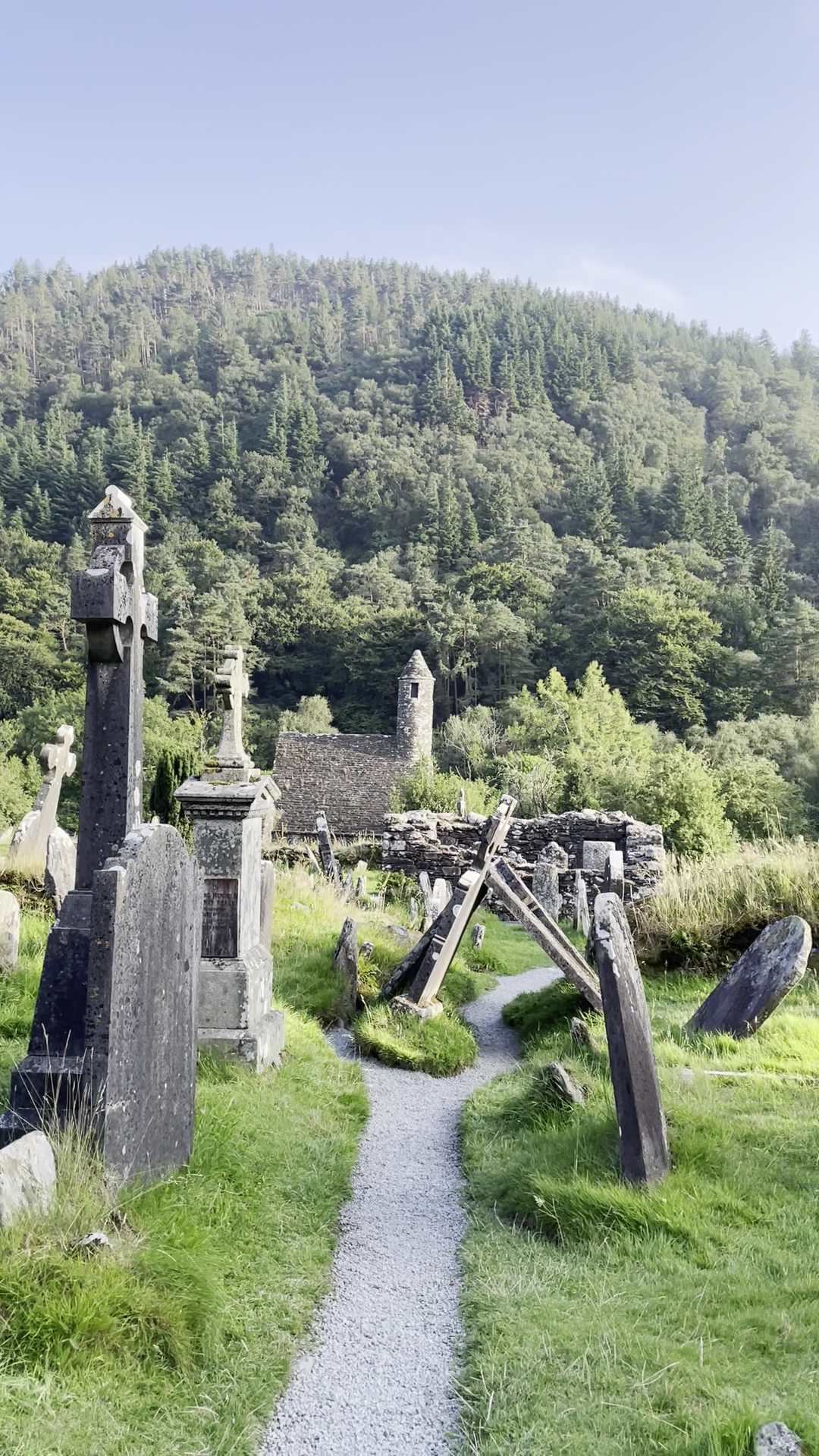
Glendalough Cathedral things to do, attractions, restaurants, events info and trip planning
Basic Info
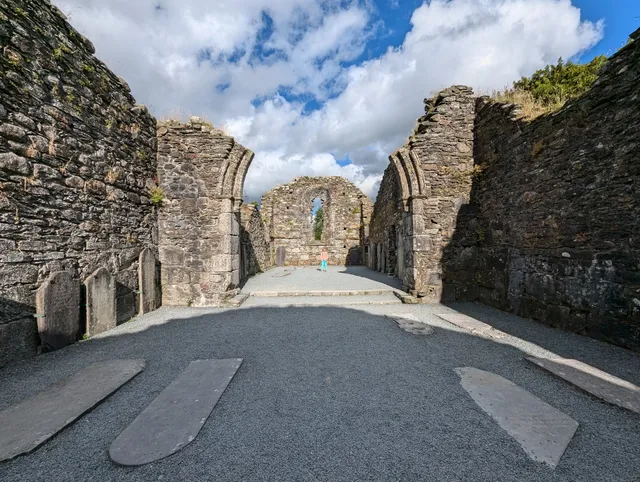
Glendalough Cathedral
Sevenchurches Or Camaderry, Glendalough, Co. Wicklow, Ireland
4.7(2.5K)
Open until 12:00 AM
Save
spot
spot
Ratings & Description
Info
Cultural
Scenic
Family friendly
Accessibility
attractions: Glendalough Visitor Centre, Glendalough Roundtower, St. Kevin's Church, St. Kevins Monastery, The Spinc, Glendalough Lower Lake, Bench with view over the lake, restaurants: , local businesses: Glendalough Cathedral, Glendalough Monastic Site, St. Kevin’s Kitchen, Glendalough & Wicklow Mountains Tour from Dublin | Dualway, God's Cottage and The Bible Chapel, Lower Lake
 Learn more insights from Wanderboat AI.
Phone
+353 404 45325
Website
glendalough.ie
Open hoursSee all hours
ThuOpen 24 hoursOpen
Plan your stay

Pet-friendly Hotels in The Municipal District of Wicklow
Find a cozy hotel nearby and make it a full experience.

Affordable Hotels in The Municipal District of Wicklow
Find a cozy hotel nearby and make it a full experience.

The Coolest Hotels You Haven't Heard Of (Yet)
Find a cozy hotel nearby and make it a full experience.

Trending Stays Worth the Hype in The Municipal District of Wicklow
Find a cozy hotel nearby and make it a full experience.
Reviews
Live events
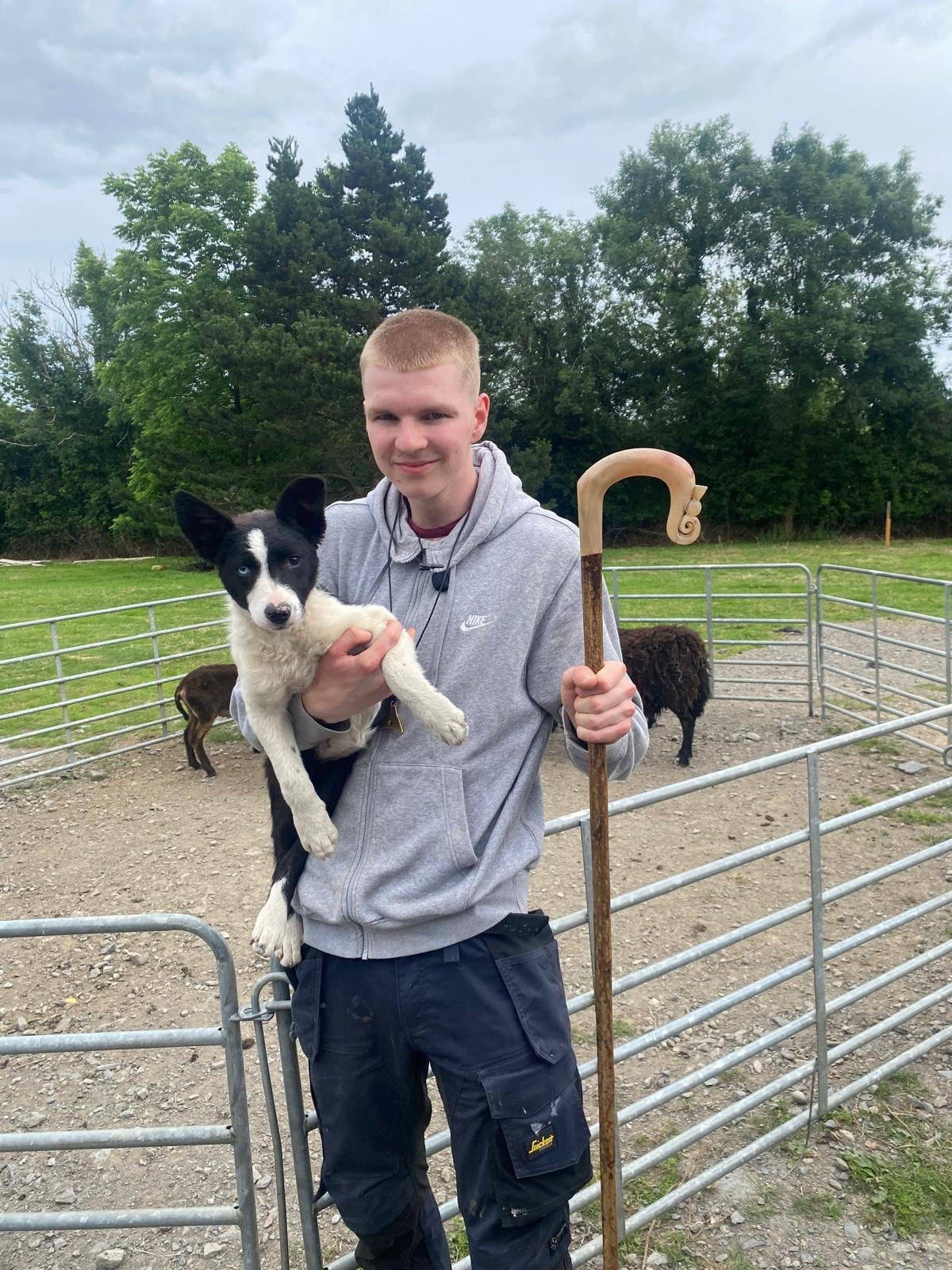
Sheepdog demonstration Co Wicklow
Tue, Mar 3 • 10:00 AM
Glenealy, County Wicklow, A67 WF20, Ireland
View details

Goddesses of Glendalough Guided Walk
Sun, Mar 1 • 11:00 AM
Glendalough, County Wicklow, A98 HC80, Ireland
View details
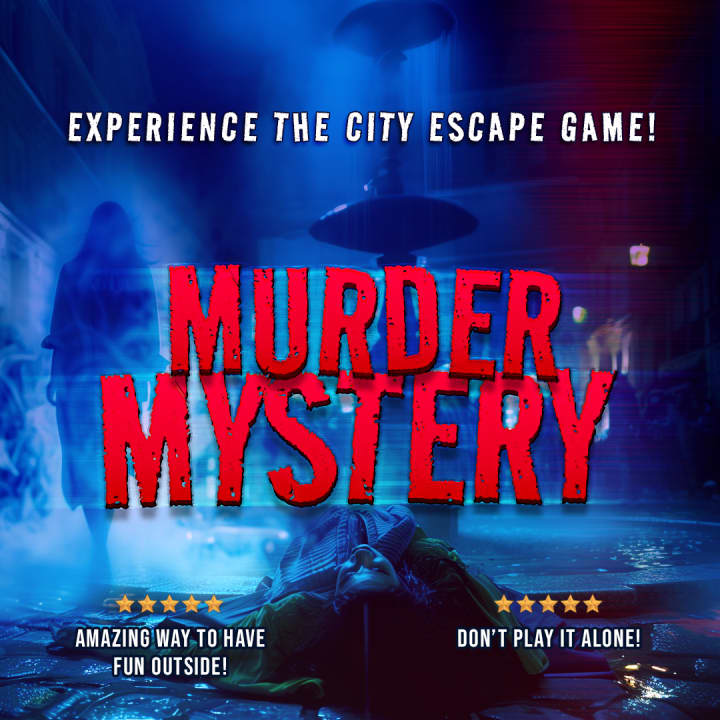
Dublin Murder Mystery: Death in the Shadows
Sun, Feb 1 • 12:00 AM
3 St Stephen's Green, Dublin, Ireland, D02 X025
View details
Nearby attractions of Glendalough Cathedral
Glendalough Visitor Centre
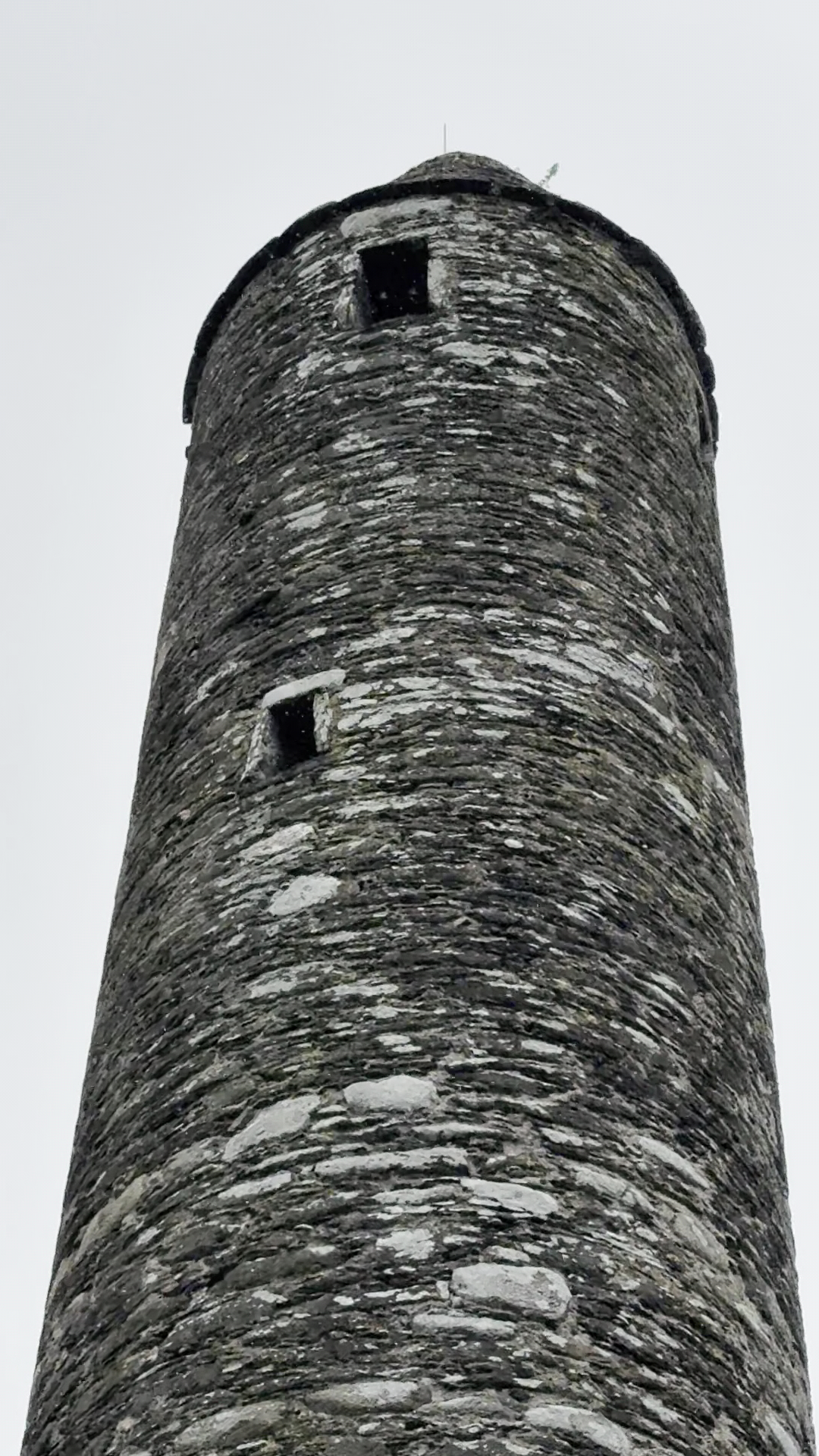
Glendalough Roundtower
St. Kevin's Church
St. Kevins Monastery
The Spinc
Glendalough Lower Lake
Bench with view over the lake
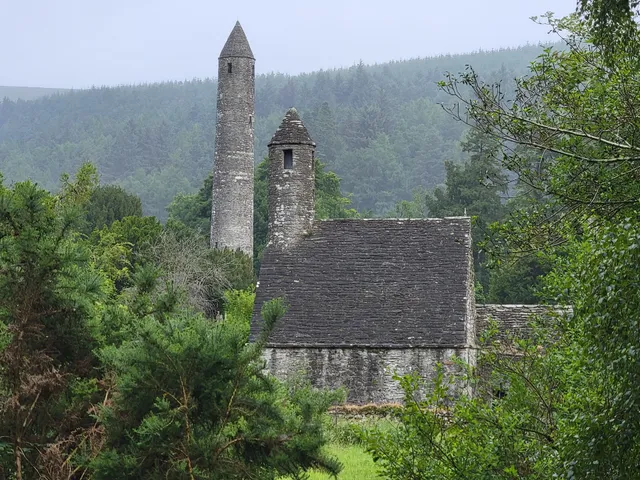
Glendalough Visitor Centre
4.6
(1.7K)
Closed
Click for details
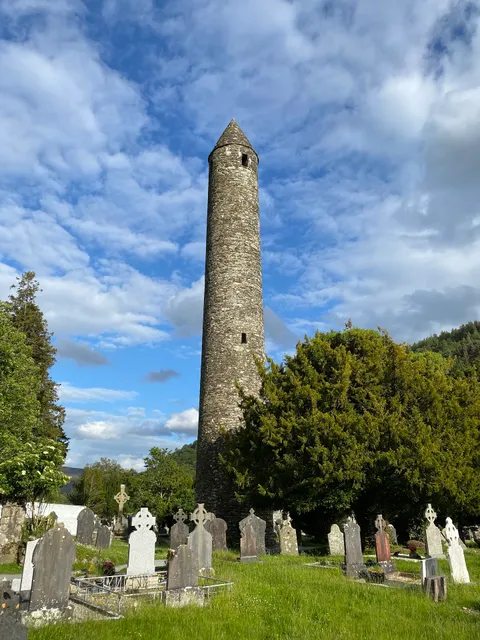
Glendalough Roundtower
4.8
(176)
Open until 12:00 AM
Click for details
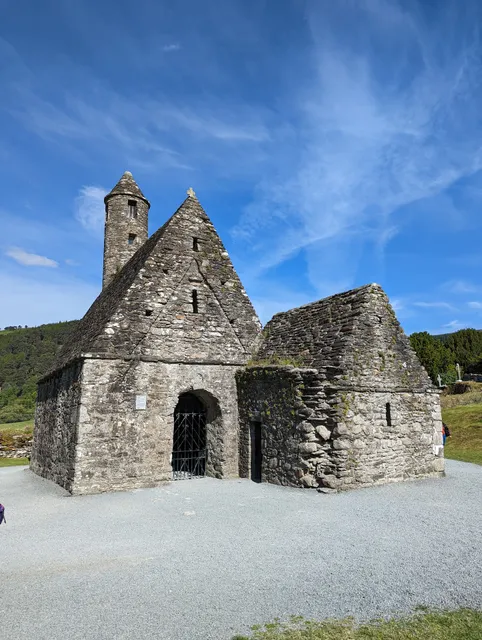
St. Kevin's Church
4.7
(69)
Open until 12:00 AM
Click for details
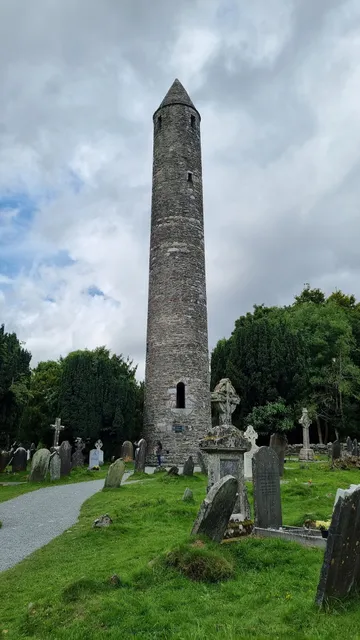
St. Kevins Monastery
4.8
(20)
Open until 12:00 AM
Click for details
Nearby local services of Glendalough Cathedral
Glendalough Cathedral
Glendalough Monastic Site
St. Kevin’s Kitchen
Glendalough & Wicklow Mountains Tour from Dublin | Dualway
God's Cottage and The Bible Chapel
Lower Lake
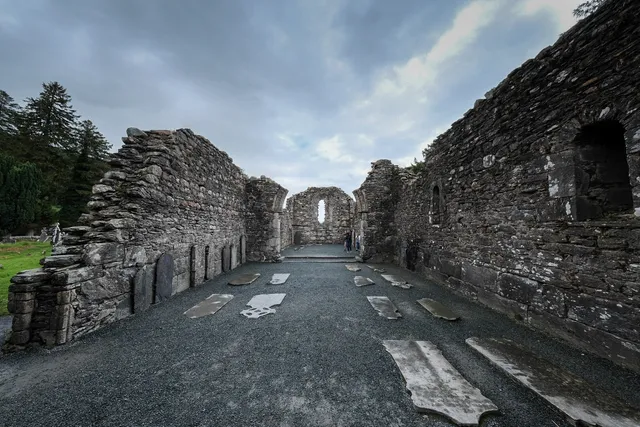
Glendalough Cathedral
4.7
(2.2K)
Click for details
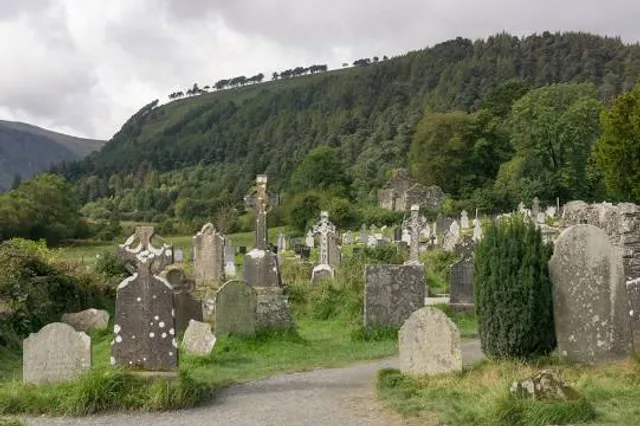
Glendalough Monastic Site
4.8
(43)
Click for details
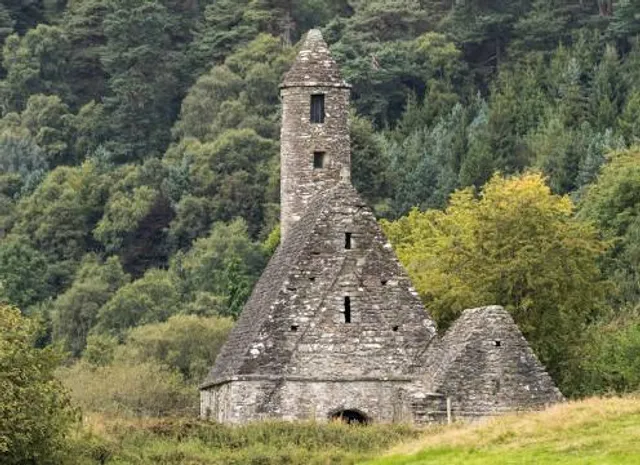
St. Kevin’s Kitchen
4.6
(65)
Click for details
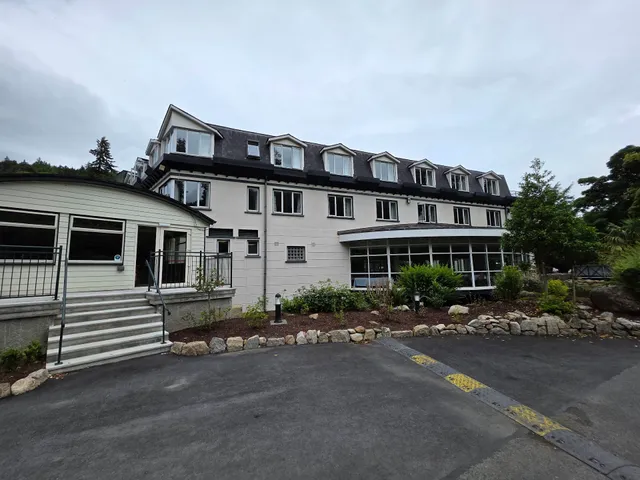
Glendalough & Wicklow Mountains Tour from Dublin | Dualway
4.9
(52)
Click for details