National Archaeological Museum of Aquileia things to do, attractions, restaurants, events info and trip planning
Basic Info
National Archaeological Museum of Aquileia
Via Roma, 1, 33051 Aquileia UD, Italy
4.7(743)
Open until 7:00 PM

tickets
Save
spot
spot
Ratings & Description
Info
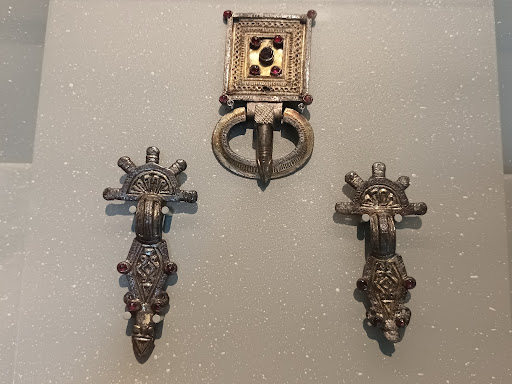
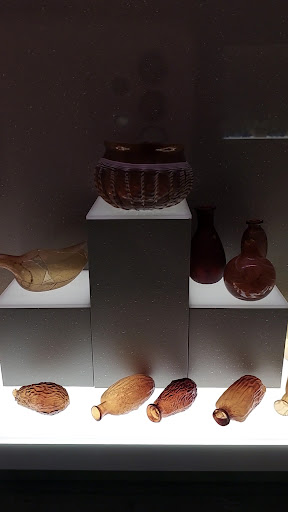
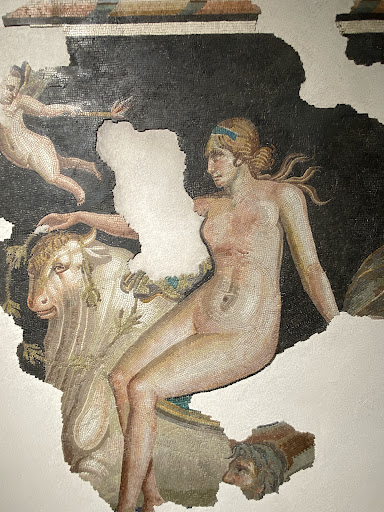
The National Archaeological Museum of Aquileia is a museum in Aquileia, Friuli Venezia Giulia, Italy. It is one of the largest museums in Italy on Roman civilization. The museum is located at the Cassis Faraone villa and holds collections of statues, household and ornamental furnishings, gems, and coins.
Cultural
Family friendly
Accessibility
attractions: Basilica di Santa Maria Assunta, Campanile della Basilica di Aquileia, restaurants: Pizza e Sapori Soles, Ristorante Patriarchi, Pizzeria al taglio da Ciccio, Panetteria Sandrigo, Ristorante Corallo, Aquila Nera - Restaurant Hotel, Break Food&Wine Aquileia, Bar Cjapitul, Rusticus Steak House, New Al Parco Ristorante Pizzeria Bar, local businesses: Domus e Palazzo Episcopale, Area Archeologica di Aquileia - Foro romano
 Learn more insights from Wanderboat AI.
Phone
+39 0431 91035
Website
beniculturali.it
Open hoursSee all hours
Sun10 AM - 7 PMOpen
Plan your stay

Pet-friendly Hotels in Aquileia
Find a cozy hotel nearby and make it a full experience.

Affordable Hotels in Aquileia
Find a cozy hotel nearby and make it a full experience.

The Coolest Hotels You Haven't Heard Of (Yet)
Find a cozy hotel nearby and make it a full experience.

Trending Stays Worth the Hype in Aquileia
Find a cozy hotel nearby and make it a full experience.
Reviews
Live events

MASTERCLASS - VIDEO DIRECTOR per concerti
Sat, Feb 28 • 2:00 PM
7/A Via XXIV Maggio 34077 Ronchi dei Legionari
View details
Nearby attractions of National Archaeological Museum of Aquileia
Basilica di Santa Maria Assunta
Campanile della Basilica di Aquileia
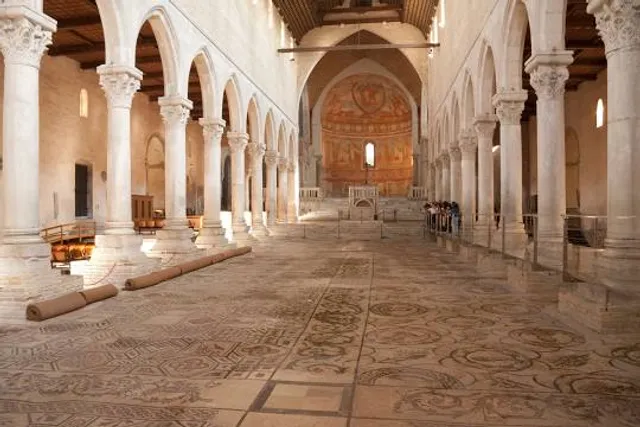
Basilica di Santa Maria Assunta
4.8
(3K)
Open until 5:00 PM
Click for details

Campanile della Basilica di Aquileia
4.5
(31)
Closed
Click for details
Nearby restaurants of National Archaeological Museum of Aquileia
Pizza e Sapori Soles
Ristorante Patriarchi
Pizzeria al taglio da Ciccio
Panetteria Sandrigo
Ristorante Corallo
Aquila Nera - Restaurant Hotel
Break Food&Wine Aquileia
Bar Cjapitul
Rusticus Steak House
New Al Parco Ristorante Pizzeria Bar
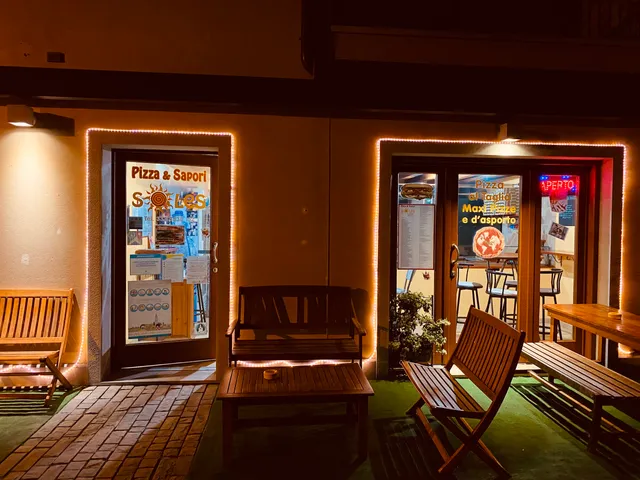
Pizza e Sapori Soles
4.8
(321)
Open until 9:00 PM
Click for details
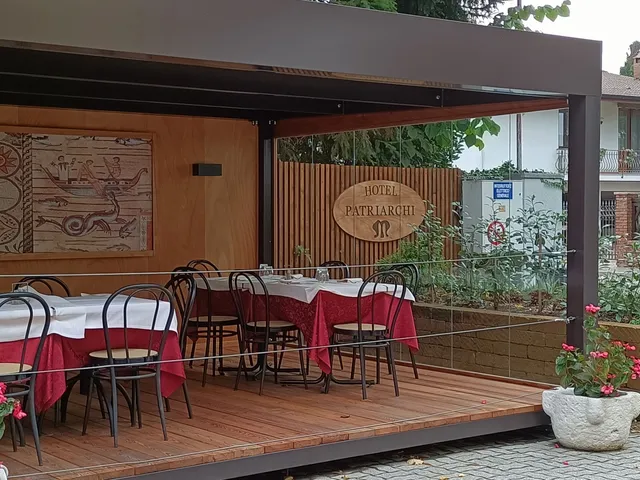
Ristorante Patriarchi
4.3
(161)
Open until 10:00 PM
Click for details

Pizzeria al taglio da Ciccio
4.9
(50)
Closed
Click for details
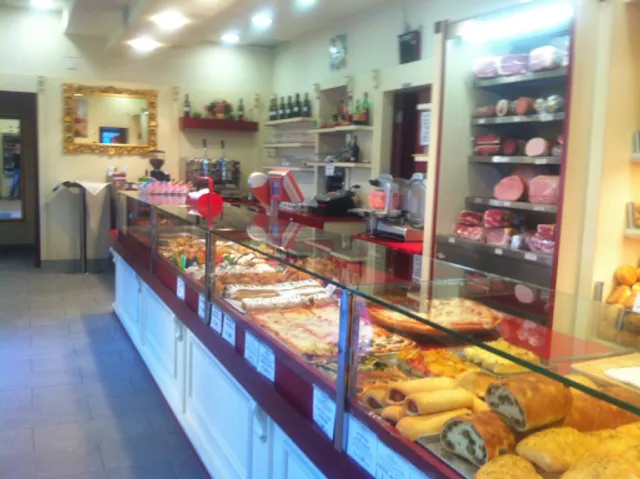
Panetteria Sandrigo
4.6
(141)
Open until 12:00 AM
Click for details
Nearby local services of National Archaeological Museum of Aquileia
Domus e Palazzo Episcopale
Area Archeologica di Aquileia - Foro romano
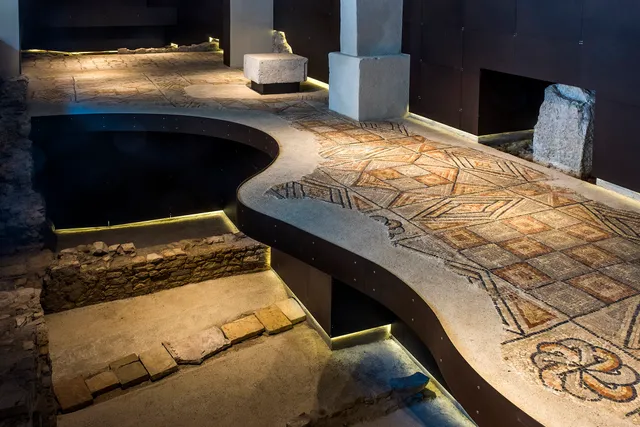
Domus e Palazzo Episcopale
4.7
(14)
Click for details
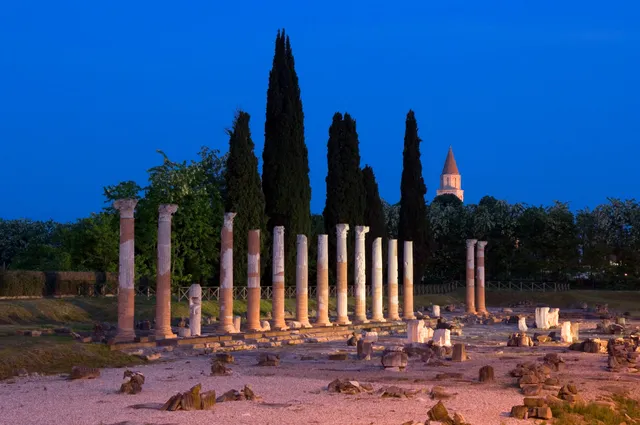
Area Archeologica di Aquileia - Foro romano
4.5
(229)
Click for details