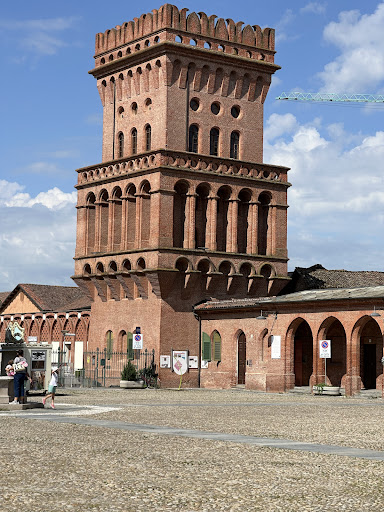
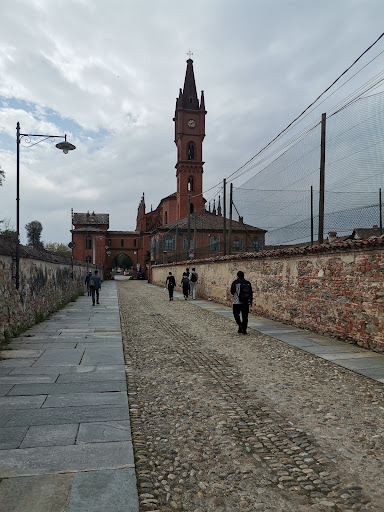
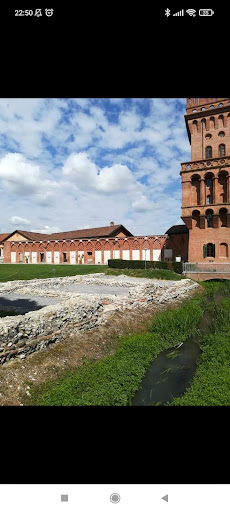
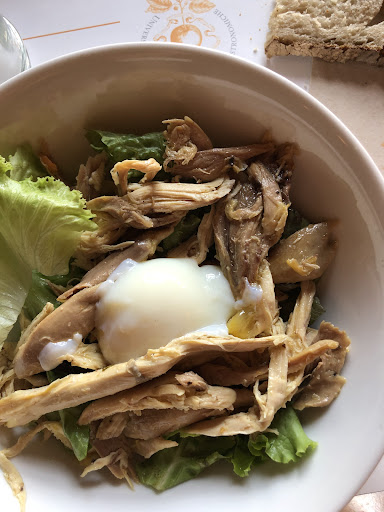
University of Gastronomic Sciences - Campus things to do, attractions, restaurants, events info and trip planning
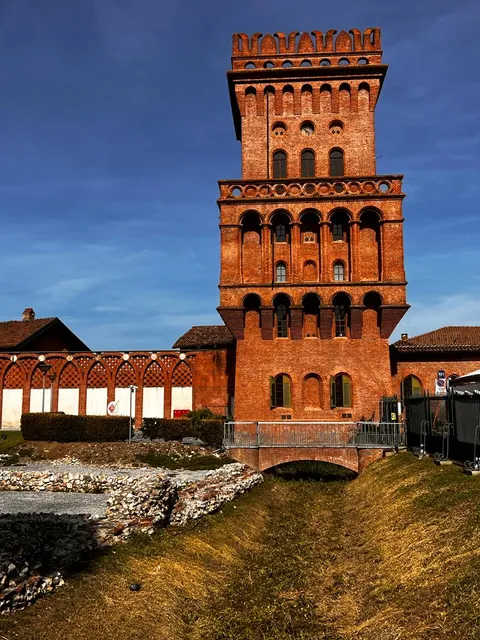
Basic Info
University of Gastronomic Sciences - Campus
Piazza Vittorio Emanuele II, 9, 12042 Pollenzo CN, Italy
4.6(200)
Closed
Save
spot
spot
Ratings & Description
Info
Cultural
attractions: Royal Castle of Pollenzo, restaurants: Ristorante Scuderie Sabaude, carne da Re, Ristorante Garden, local businesses: Chiesa parrocchiale di San Vittore Martire
 Learn more insights from Wanderboat AI.
Phone
+39 0172 458511
Website
unisg.it
Open hoursSee all hours
FriClosed
Plan your stay

Pet-friendly Hotels in Bra
Find a cozy hotel nearby and make it a full experience.

Affordable Hotels in Bra
Find a cozy hotel nearby and make it a full experience.

The Coolest Hotels You Haven't Heard Of (Yet)
Find a cozy hotel nearby and make it a full experience.

Trending Stays Worth the Hype in Bra
Find a cozy hotel nearby and make it a full experience.
Reviews
Live events
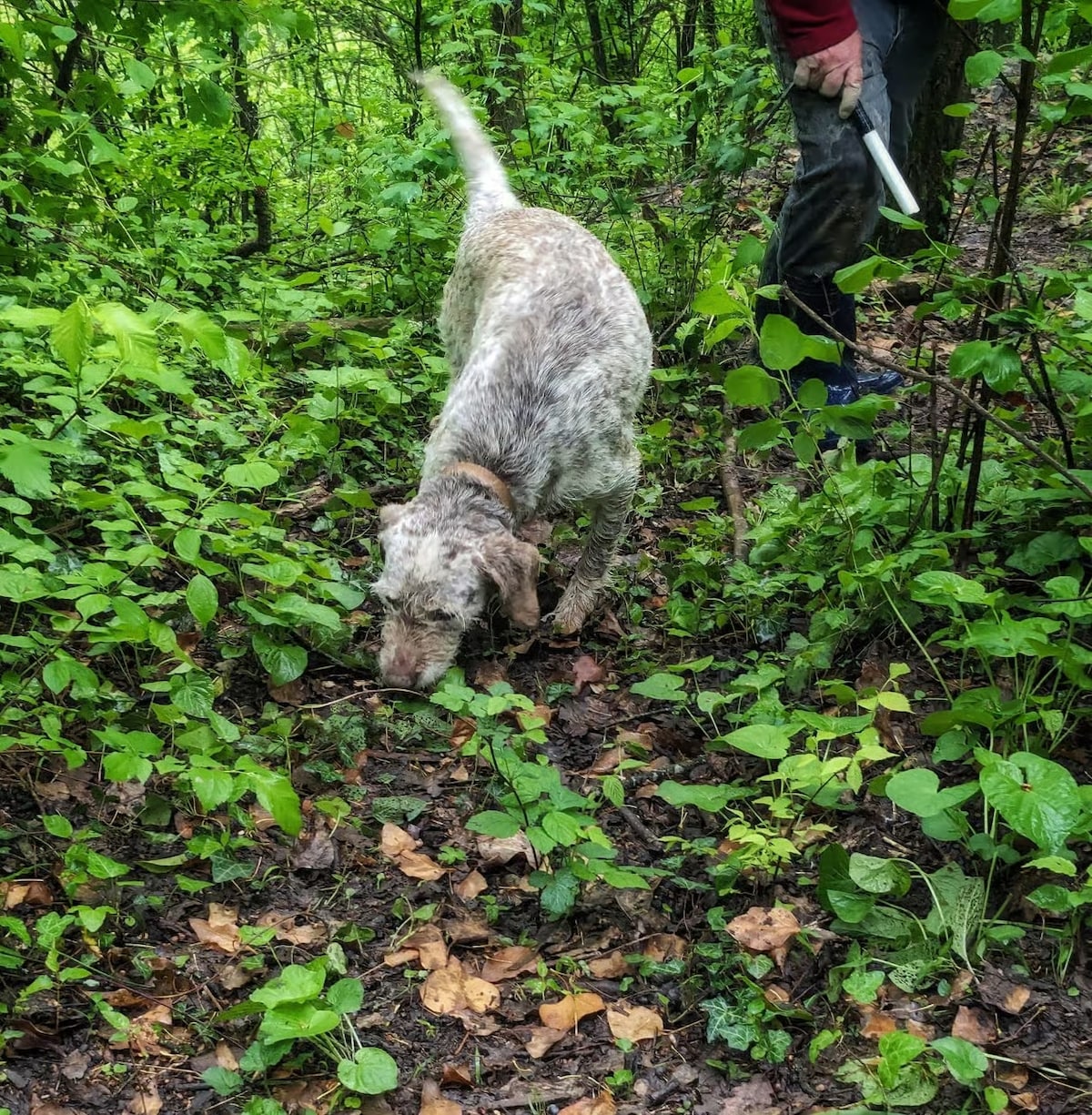
Truffle hunting with a dog in Monforte dAlba
Sun, Feb 15 • 10:00 AM
12065, Monforte d'Alba, Piemonte, Italy
View details
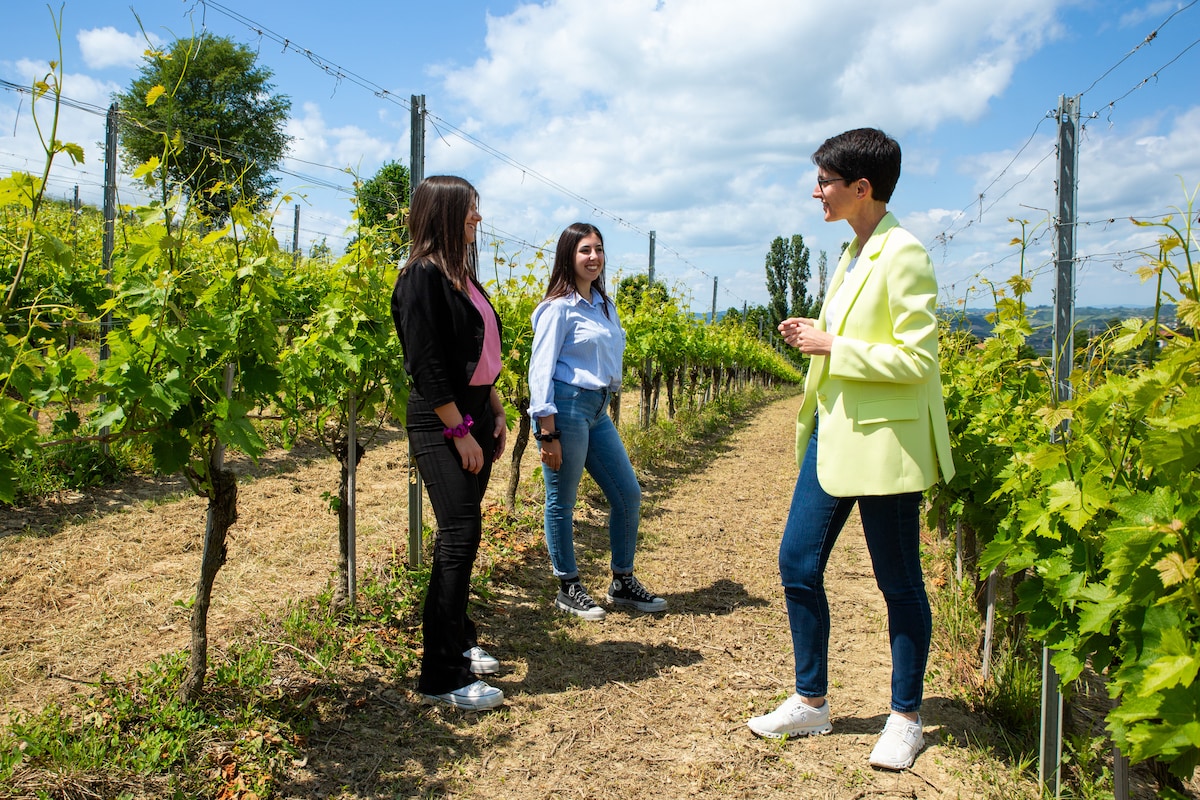
Explore vineyards, cellar tasting
Sat, Feb 14 • 11:00 AM
12051, Alba, Piemonte, Italy
View details
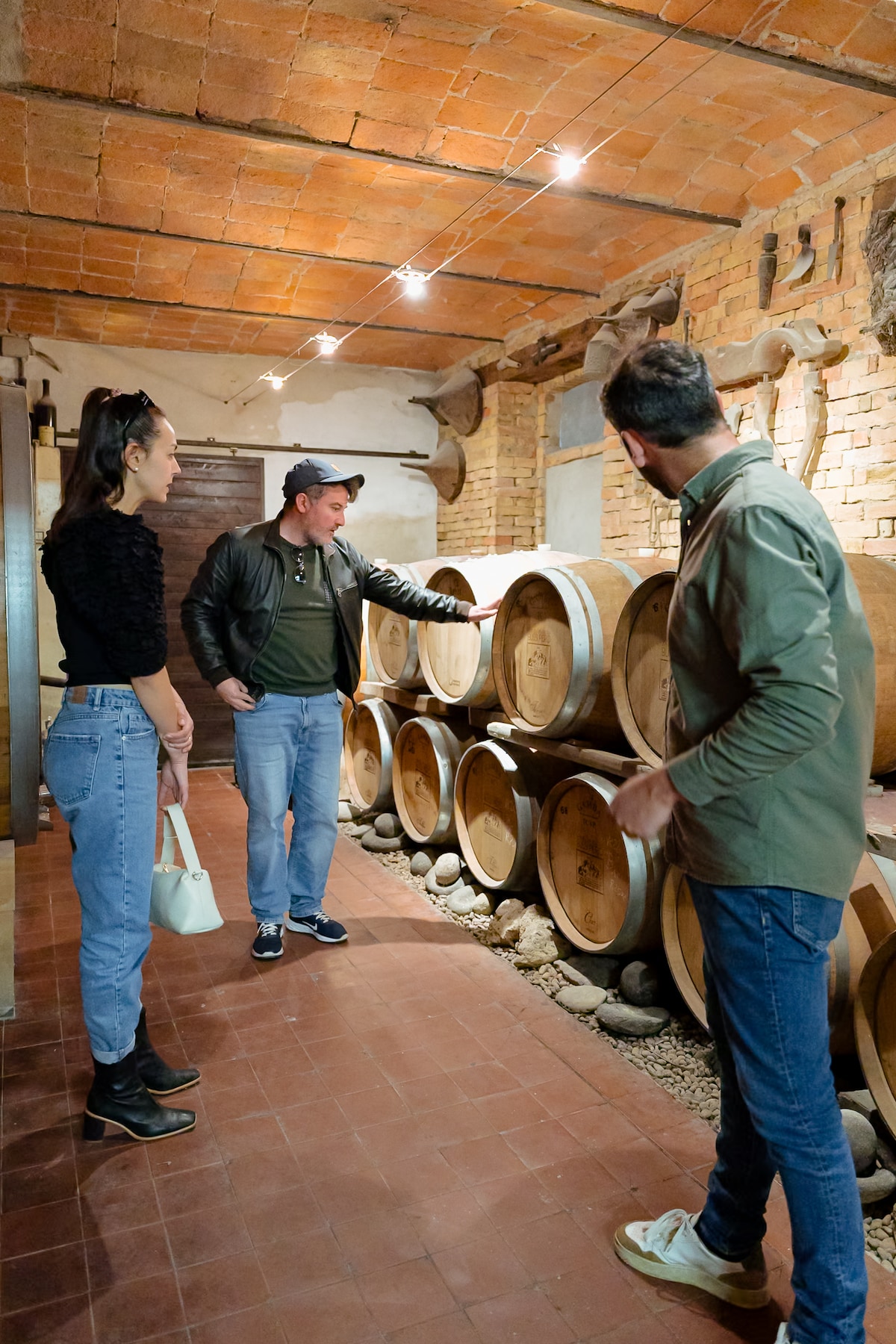
Langhe & Monferrato:Vineyard and Wine Tasting
Fri, Feb 13 • 10:45 AM
14052, Calosso, Piemonte, Italy
View details
Nearby attractions of University of Gastronomic Sciences - Campus
Royal Castle of Pollenzo
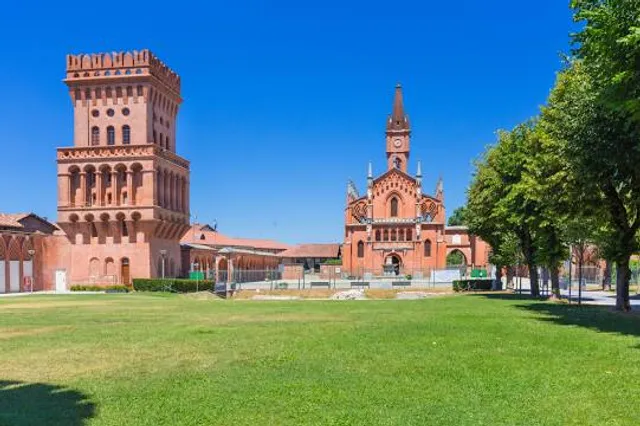
Royal Castle of Pollenzo
4.5
(439)
Open 24 hours
Click for details
Nearby restaurants of University of Gastronomic Sciences - Campus
Ristorante Scuderie Sabaude, carne da Re
Ristorante Garden
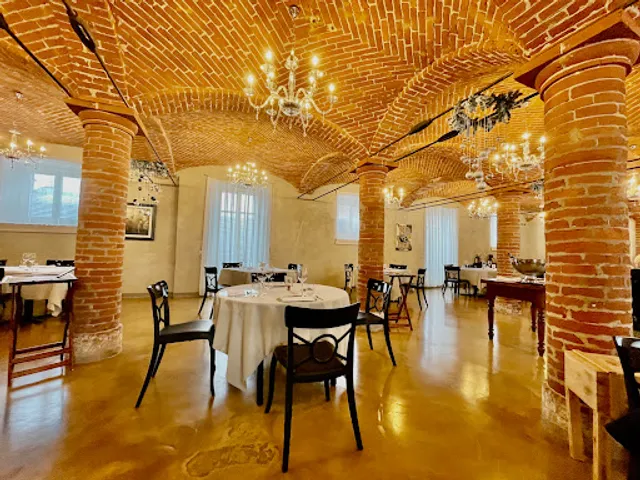
Ristorante Scuderie Sabaude, carne da Re
4.5
(277)
$$$
Open until 12:00 AM
Click for details
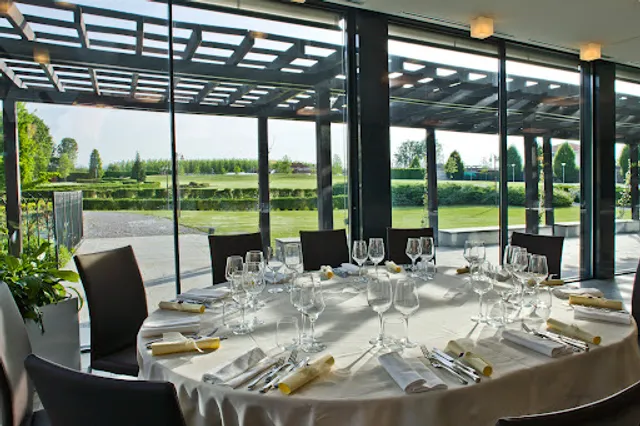
Ristorante Garden
4.7
(56)
Closed
Click for details
Nearby local services of University of Gastronomic Sciences - Campus
Chiesa parrocchiale di San Vittore Martire
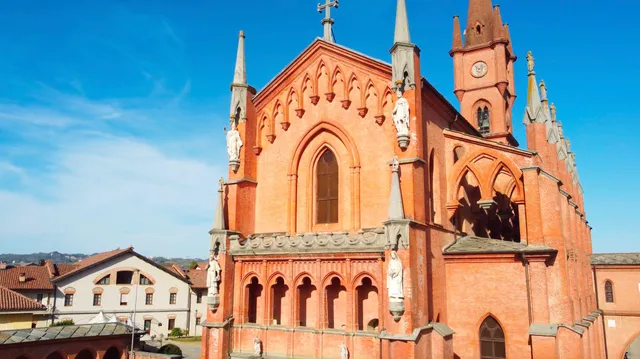
Chiesa parrocchiale di San Vittore Martire
4.5
(87)
Click for details