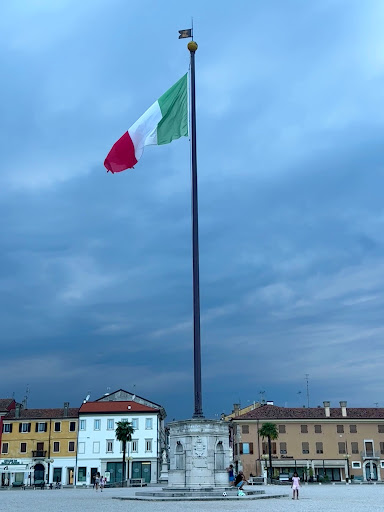
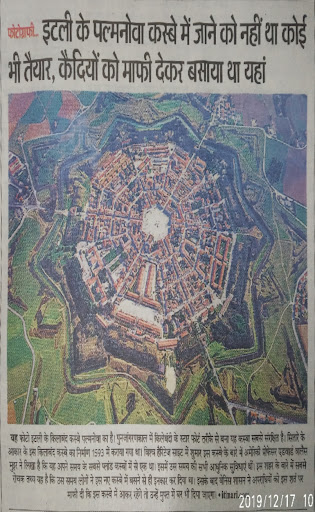
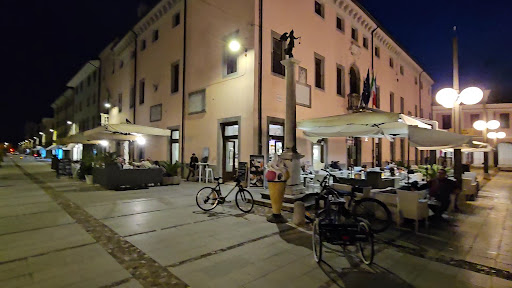
Main Square (Piazza Grande) things to do, attractions, restaurants, events info and trip planning
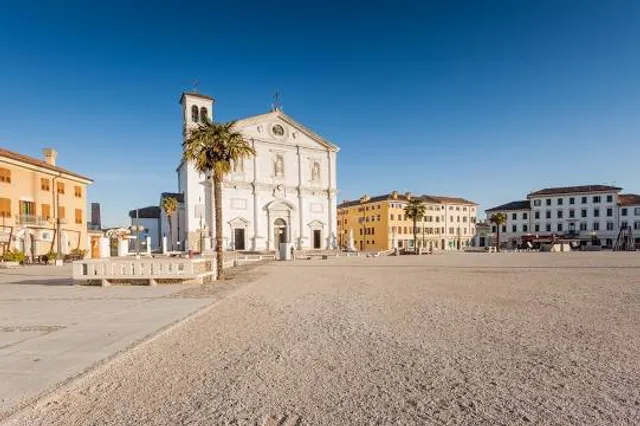
Basic Info
Main Square (Piazza Grande)
Piazza Grande, 33057 Palmanova UD, Italy
4.5(3.3K)
Open until 12:00 AM
Save
spot
spot
Ratings & Description
Info
Cultural
Outdoor
Family friendly
attractions: Civico Museo Storico, PALMANOVA CITTA' FORTEZZA, Polveriera Napoleonica Garzoni, City Fortress of Palmanova, Venetian Aqueduct, restaurants: Caffetteria Torinese, Pizzeria Al Gambero di Palmanova, Il Muretto, Risto Caffè Bonsai, Nonna Pallina Pasticceria Gelateria Artigianale, PG 24 Bar Pizzeria Ristorante, Bianco, Ai Due Delfini, Chez Papì di Bertossi Luana & c. sas, Pizzeria Trattoria Grimani, local businesses: Duomo del Santissimo Redentore
 Learn more insights from Wanderboat AI.
Website
comune.palmanova.ud.it
Open hoursSee all hours
FriOpen 24 hoursOpen
Plan your stay

Pet-friendly Hotels in Palmanova
Find a cozy hotel nearby and make it a full experience.

Affordable Hotels in Palmanova
Find a cozy hotel nearby and make it a full experience.

The Coolest Hotels You Haven't Heard Of (Yet)
Find a cozy hotel nearby and make it a full experience.

Trending Stays Worth the Hype in Palmanova
Find a cozy hotel nearby and make it a full experience.
Reviews
Live events

B.J.J. per bambini agazzi - prenota la prova gratuita
Fri, Feb 13 • 4:30 PM
6 Via Viola 33100 Udine
View details
![Celebrity Night Party [evento gratuito su prenotazione]](https://img.evbuc.com/https%3A%2F%2Fcdn.evbuc.com%2Fimages%2F1176260889%2F2405328536953%2F1%2Foriginal.20260130-152115?h=740&w=1200&auto=format%2Ccompress&q=75&sharp=10&rect=0%2C0%2C2160%2C1080&s=70b1ef30f2ad5461a110a738720a7978)
Celebrity Night Party [evento gratuito su prenotazione]
Fri, Feb 13 • 8:00 PM
59 Viale Giuseppe Duodo 33100 Udine
View details

LA VIA DEL CUORE - TRASFORMARE I MURI FAMILIARI IN PONTI EVOLUTIVI
Sat, Feb 14 • 9:00 AM
1 Piazza Capitolo 33051 Aquileia
View details
Nearby attractions of Main Square (Piazza Grande)
Civico Museo Storico
PALMANOVA CITTA' FORTEZZA
Polveriera Napoleonica Garzoni
City Fortress of Palmanova
Venetian Aqueduct

Civico Museo Storico
4.2
(13)
Open 24 hours
Click for details
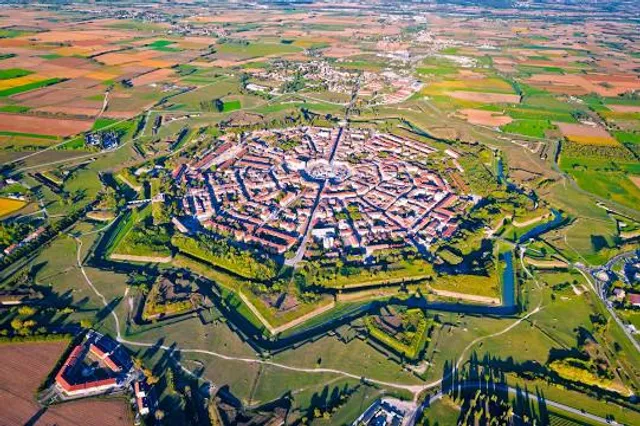
PALMANOVA CITTA' FORTEZZA
4.5
(101)
Closed
Click for details
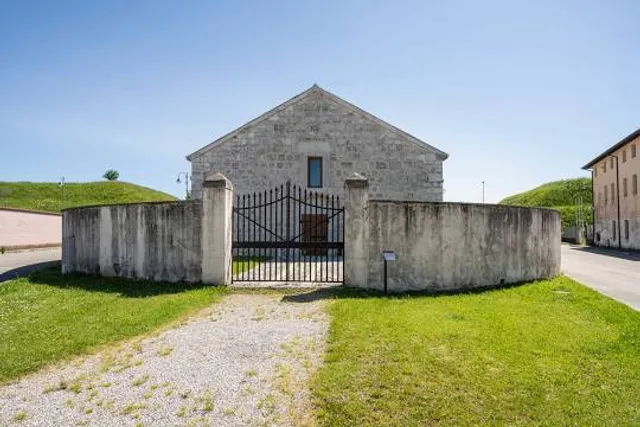
Polveriera Napoleonica Garzoni
4.4
(154)
Open 24 hours
Click for details
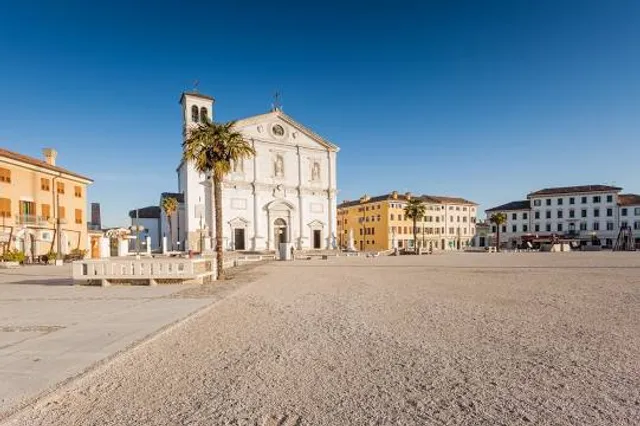
City Fortress of Palmanova
4.5
(795)
Open until 12:00 AM
Click for details
Nearby restaurants of Main Square (Piazza Grande)
Caffetteria Torinese
Pizzeria Al Gambero di Palmanova
Il Muretto
Risto Caffè Bonsai
Nonna Pallina Pasticceria Gelateria Artigianale
PG 24 Bar Pizzeria Ristorante
Bianco
Ai Due Delfini
Chez Papì di Bertossi Luana & c. sas
Pizzeria Trattoria Grimani
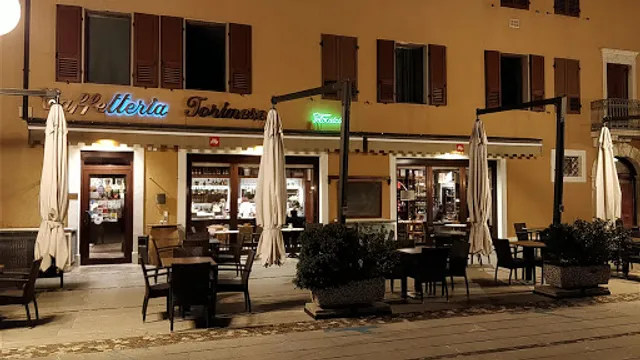
Caffetteria Torinese
4.3
(668)
Open until 12:00 AM
Click for details
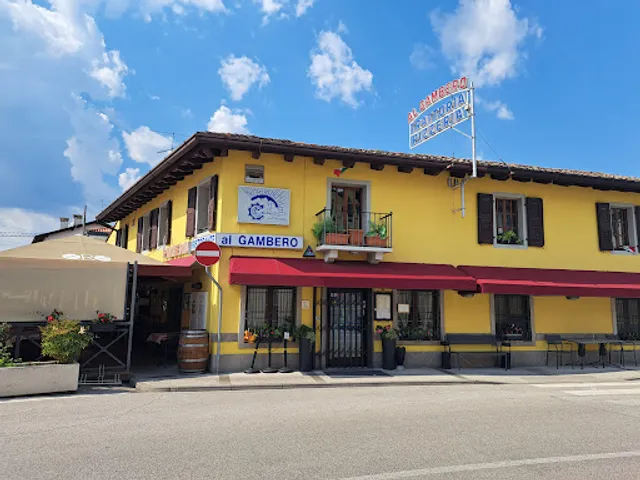
Pizzeria Al Gambero di Palmanova
4.5
(1.6K)
Closed
Click for details

Il Muretto
4.3
(373)
Closed
Click for details
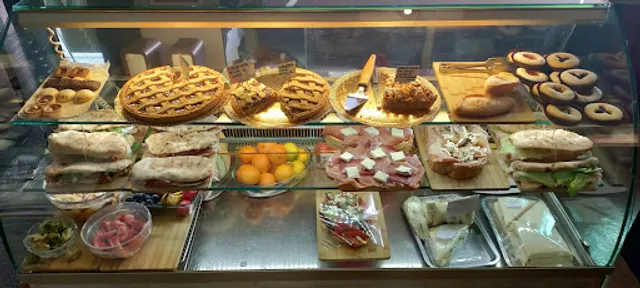
Risto Caffè Bonsai
4.4
(268)
Closed
Click for details
Nearby local services of Main Square (Piazza Grande)
Duomo del Santissimo Redentore
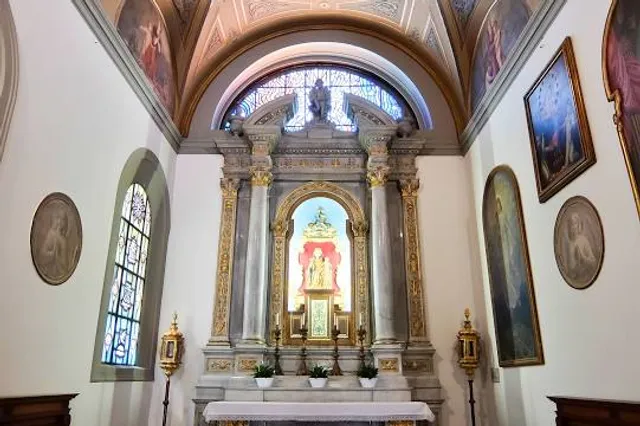
Duomo del Santissimo Redentore
4.6
(134)
Click for details