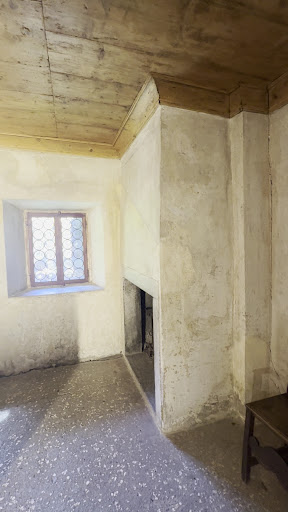
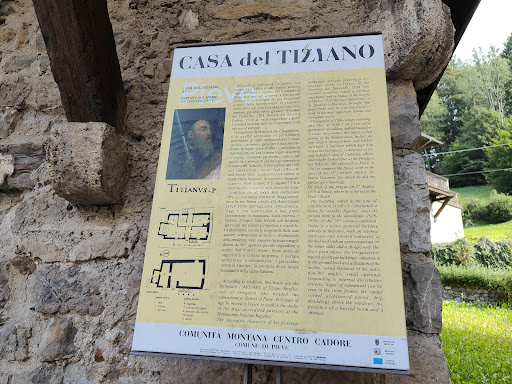
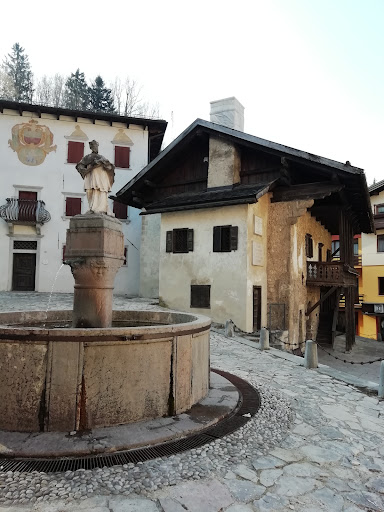
Native House of Titian things to do, attractions, restaurants, events info and trip planning
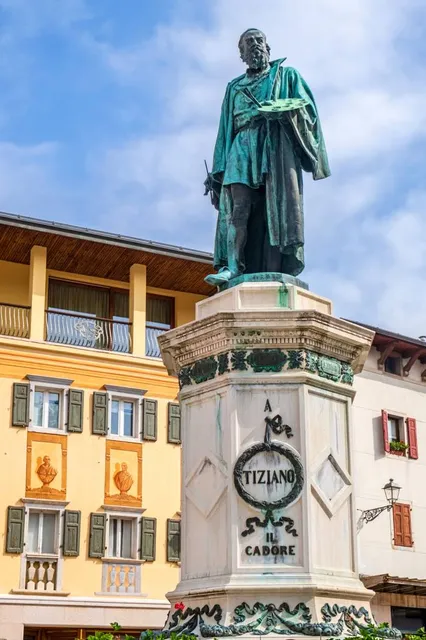
Basic Info
Native House of Titian
Via Arsenale, 4, 32044 Pieve di Cadore BL, Italy
4.4(262)
Closed
Save
spot
spot
Ratings & Description
Info
Cultural
Family friendly
Accessibility
attractions: Museo dell'Occhiale, Archaeological Museum of the Magnificent Community of Cadore, restaurants: Bar Gelateria il Cristallo, Locanda Ai Dogi, Ristorante Pizzeria Saraceno, Tiffany Cafe', Osteria del Tiziano - Pieve di Cadore, Galleria al Centro, Ristorante "Al Sole", local businesses:
 Learn more insights from Wanderboat AI.
Phone
+39 0435 32262
Website
magnificacomunitadicadore.it
Open hoursSee all hours
Thu10 AM - 1 PM, 3 - 7 PMClosed
Plan your stay

Pet-friendly Hotels in Pieve di Cadore
Find a cozy hotel nearby and make it a full experience.

Affordable Hotels in Pieve di Cadore
Find a cozy hotel nearby and make it a full experience.

The Coolest Hotels You Haven't Heard Of (Yet)
Find a cozy hotel nearby and make it a full experience.

Trending Stays Worth the Hype in Pieve di Cadore
Find a cozy hotel nearby and make it a full experience.
Reviews
Live events
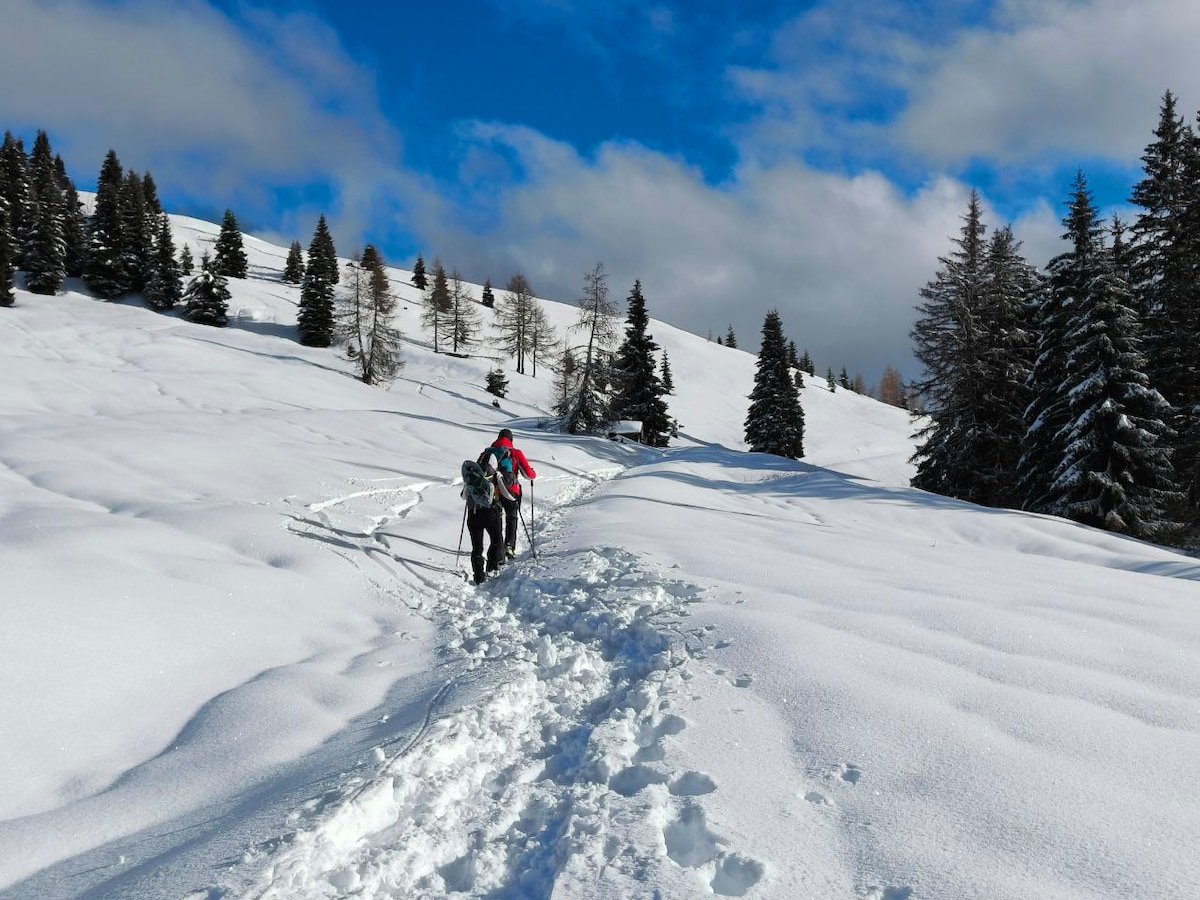
Snowshoeing with lunch at a mountain hut in Cortina
Wed, Feb 18 • 9:00 AM
32043, Cortina d'Ampezzo, Veneto, Italy
View details
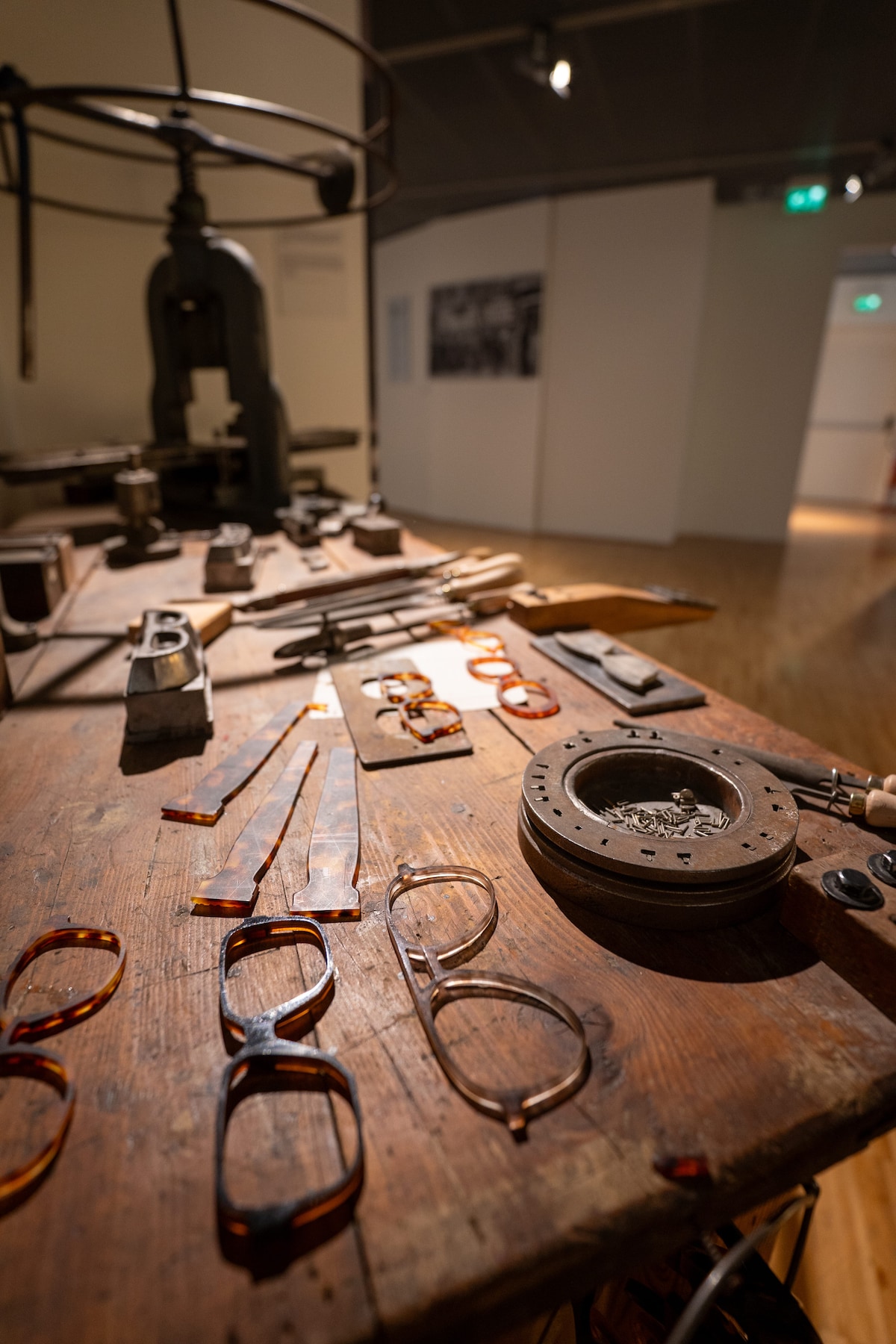
Discover the Land of Eyewear
Fri, Feb 13 • 9:30 AM
32044, Pieve di Cadore, Veneto, Italy
View details

Scie di Gusto: masterclass Conegliano Valdobbiadene Prosecco
Fri, Feb 13 • 5:00 PM
3 Viale Soccorritori del Vajont 32013 Longarone
View details
Nearby attractions of Native House of Titian
Museo dell'Occhiale
Archaeological Museum of the Magnificent Community of Cadore

Museo dell'Occhiale
4.6
(164)
Closed
Click for details

Archaeological Museum of the Magnificent Community of Cadore
4.6
(84)
Closed
Click for details
Nearby restaurants of Native House of Titian
Bar Gelateria il Cristallo
Locanda Ai Dogi
Ristorante Pizzeria Saraceno
Tiffany Cafe'
Osteria del Tiziano - Pieve di Cadore
Galleria al Centro
Ristorante "Al Sole"
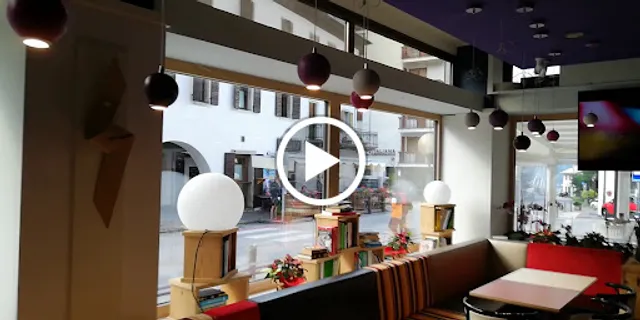
Bar Gelateria il Cristallo
4.4
(260)
Closed
Click for details
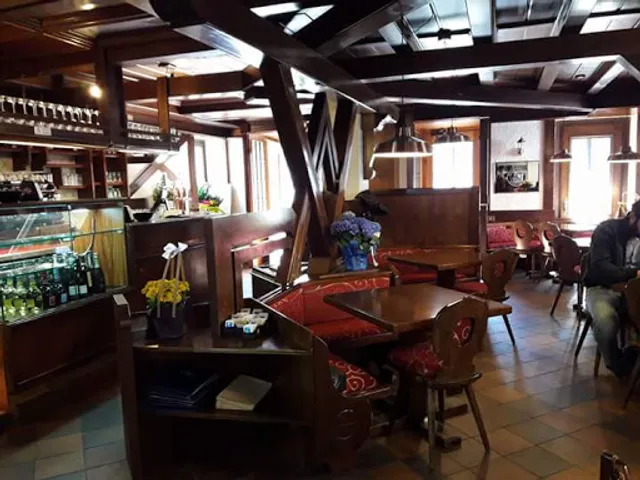
Locanda Ai Dogi
4.5
(464)
Click for details
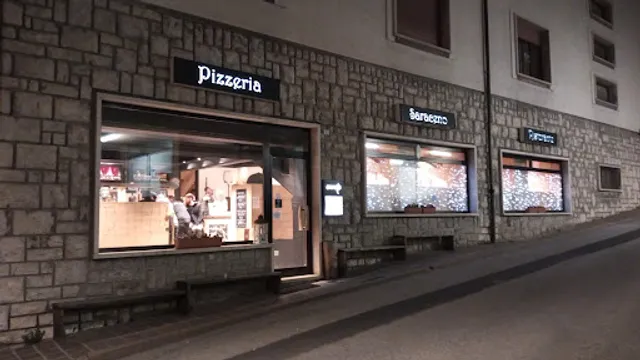
Ristorante Pizzeria Saraceno
4.3
(105)
Closed
Click for details
Tiffany Cafe'
4.2
(66)
Closed
Click for details