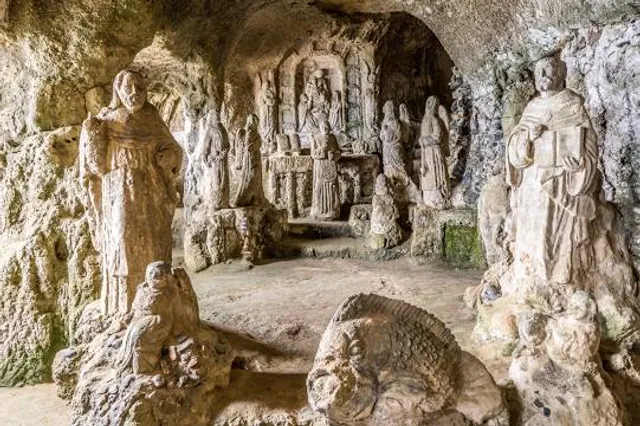
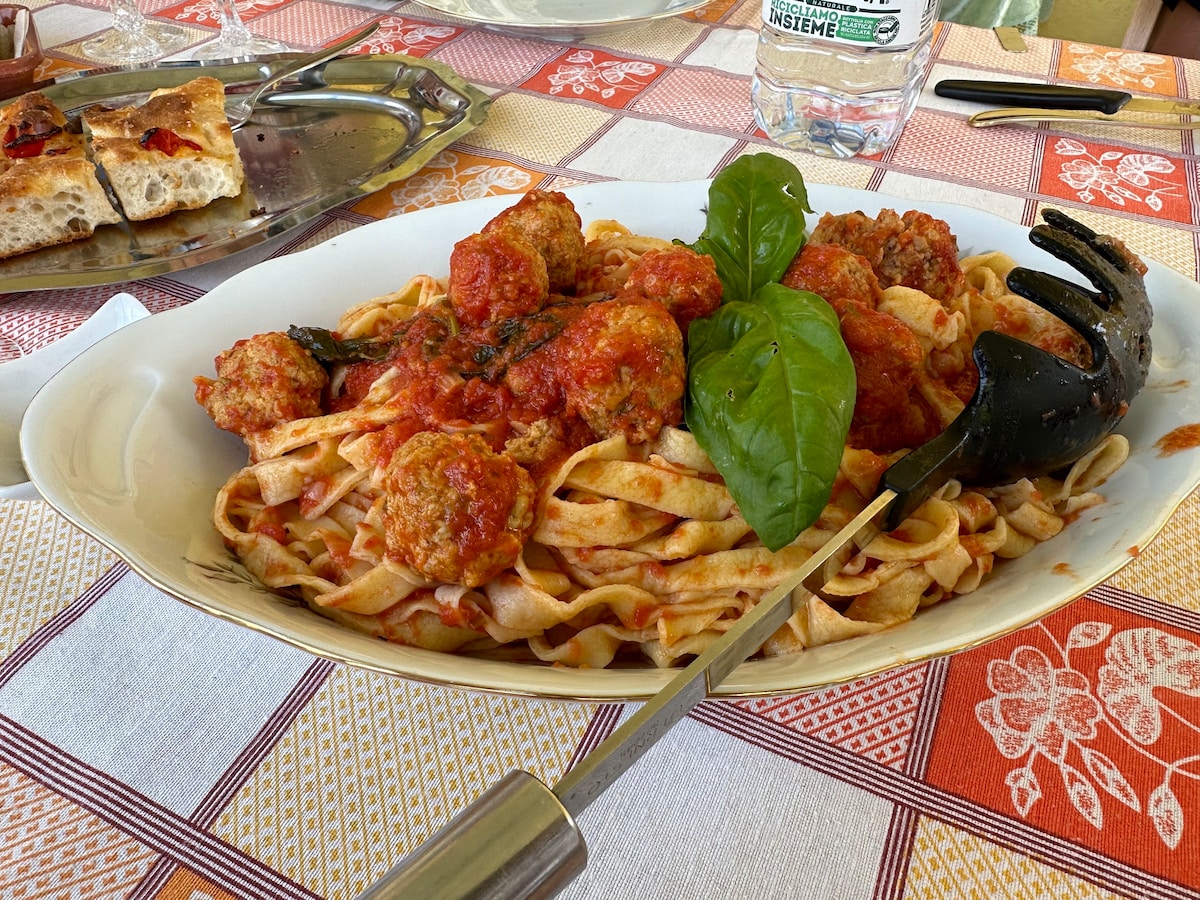
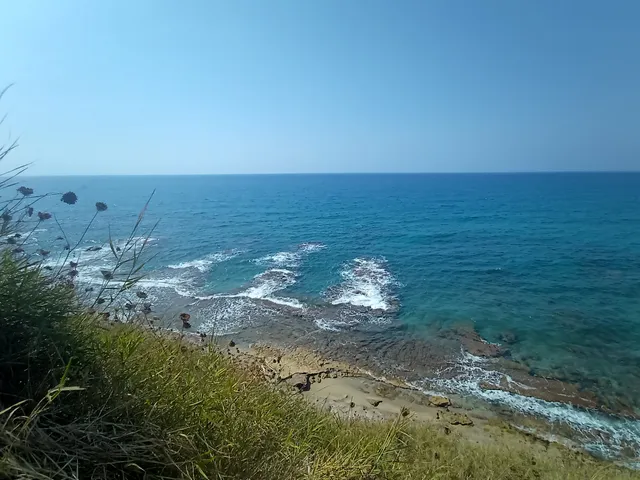
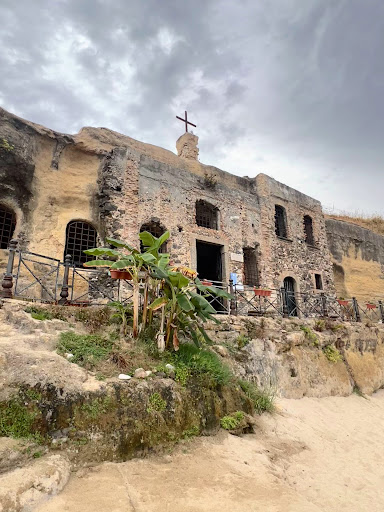
This place, the photos look good, but when you arrive at the place, there is no great impression. It's not worth going to it. There is a beautiful beach nearby, so it gave us more impressions. (don't be too lazy to walk over the rocks to the coves and a completely private view. a few tips for those who don't like to overpay: * upon arrival, there is a parking lot - paid (5eur. hour, 10eur day). You can drive by and park your car nearby, on the side of the road for free. * sculptures. Paid, 5 euros per person. However, you can enter, look around and decide if you really want to enter. Because we went in, but we recommend that you come to look around, get an impression and not go, don't pay. * after visiting this place, you will see nearby directions to try the famous tartufo ice cream in the area. Keep in mind that this is not a cafe, this is a workshop. After following the directions, you will see the ice cream machines and the door of the workshop, you have to call them. (price of ice cream, we took 2 portions...
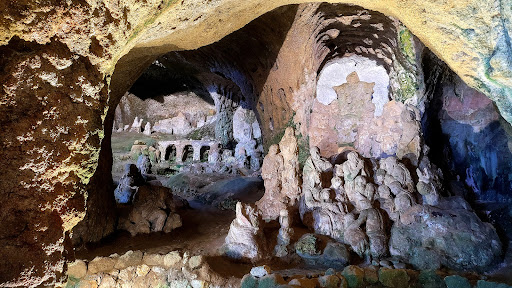
Read moreHave to give it a 5 star rating just because of the story behind the church and in fact its position on the beach and built into the rocks. It is not your standard church visit but you get these sculptures all in the rocks behind the church facade. Read the story behind the church from the sign, which is In Italian and English, and you will get a better understanding of its history. It is a walk down and up again, so be prepared. It is only a 10 min visit to see it all. There is as an entry charge of 5€, which can be paid by card. It is a small price to pay to ensure it continues to exist. We had no problem parking as we are traveling on...
Read moreFantastica !!! Una sorpresa ed un luogo sicuramente da visitare
Verso la fine del 1600, un veliero con a bordo naviganti napoletani, (si dice di Torre del Greco) si trovò in mezzo ad una violenta tempesta. I marinai, fecero voto a Maria SS. di Piedigrotta il cui quadro si trovava nella cabina del comandante, di erigere una cappella votiva nel punto dove avrebbero toccato terra in caso di salvezza. La nave naufragò violentemente contro gli scogli e andò in pezzi. Il quadro della madonna si salvò e venne ritrovato intatto sulla spiaggia. I marinai, fedeli alla promessa, scavarono nella roccia una buca e vi depositarono il quadro, ripromettendosi di tornare e realizzare una cappella votiva. I pescatori locali, temendo che venisse rubato, prelevarono il quadro e lo portarono in una grotta poco distante edificando un piccolo altare. Al seguito di un'altra burrasca il mare invase la grotta e riportò il quadro in prossimità del punto dove era stato posizionato la prima volta. I pescatori decisero quindi di scavare meglio la prima grotta e vi realizzarono anche una torre campanaria comprendente la campana della nave naufragata, datata 1632.
Inizio del novecento affascinato dalla storia Angelo Barone, ampliò la grotta preesistente realizzando una chiesa. Durante la dura fase di scavo, ebbe cura di lasciare alcuni blocchi di tufo che successivamente trasformò in statue. I lavori continuarono fino alla sua morte, nella primavera del 1915. Il figlio, Alfonso Barone, volle continuare il lavoro del padre e ampliò ulteriormente la chiesa, realizzando altre statue, capitelli e bassorilievi. Nel 1969, lo scultore Giorgio Barone, figlio di Alfonso, di ritorno dal Canada, restaurò in parte le statue e scolpì due medaglioni raffiguranti Papa Giovanni XXIII e John Kennedy.
La chiesetta è aperta tutti i giorni e vi si celebra messa il 2 luglio, in occasione della Madonna delle Grazie. Non perdetevi la visita è...
Read more