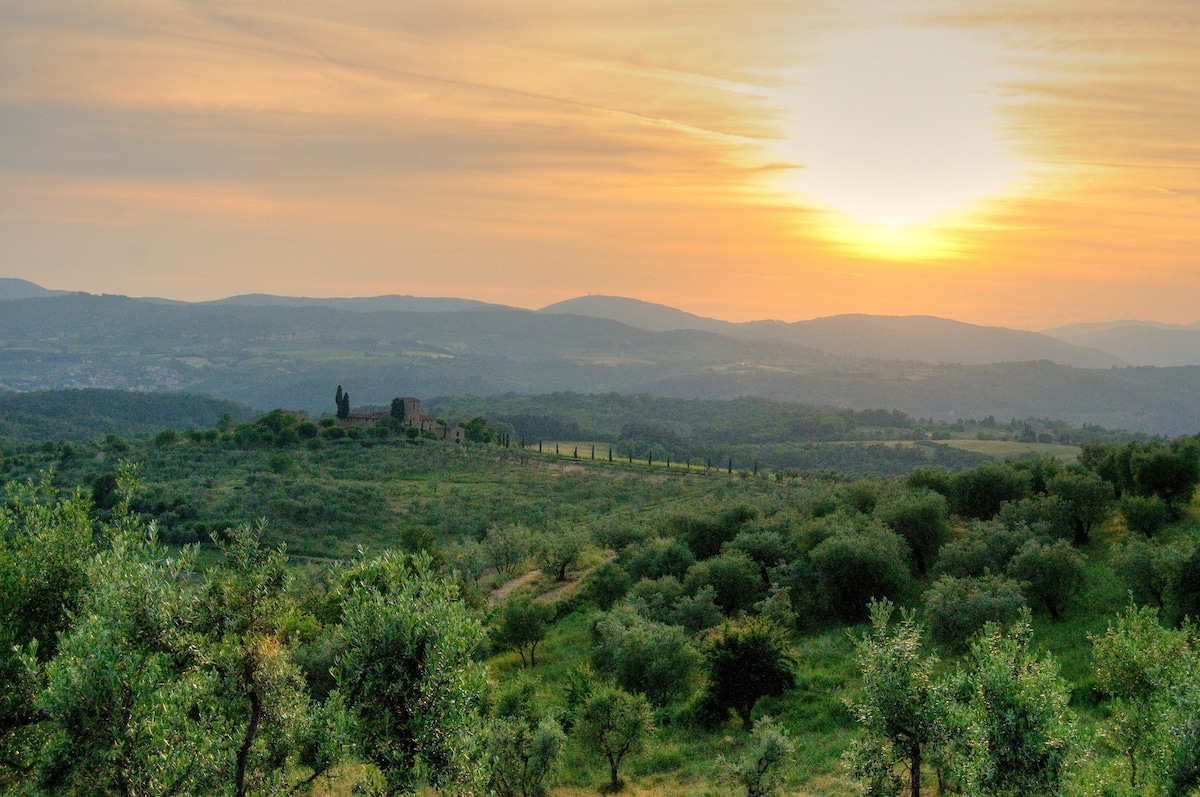
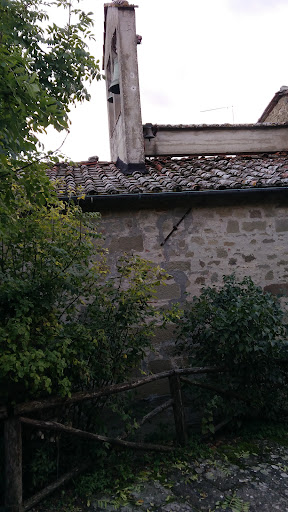
Better than imagined. Beautifully appointed rooms with all the necessities to make your stay comfortable. Kitchens are very well stocked and even have your coffee. The castle grounds are lovely, peaceful and romantic. There is a variety of lodging available from staying the castle itself or to renting a cottage on the castle grounds. This is a small castle hamlet with a cute church that rings the bells every day. It is very affordable as is the nearby historic town of Stia. The owner, Martha Corsi, speaks English and is an amazing wonderful person who shares her family home and history. She also has an assistant who speaks English. Together they will guide you to all the great places to see around the valley and the best Italian food. This castle sits above the valley and has incredible sunsets to be enjoyed with local wine and cheese. The property is surrounded by flowers and singing birds. The hill side driving up to the castle one may encounter grazing goats with jubilant bells or a wild hedge hog crossing the road. This is not just a place to stay while sightseeing Tuscany, this is an experience that fills your soul with the joy of life. You will never want to leave which seems to be a theme. Our intended 2 day stay turned into a week. We hiked in a chestnut forest, filled our bottles of wine at the wine gas station after tastings, shopped at the ceramics factory and the wool factory museum, saw monasteries and churches galore and visited many other castles. We enjoyed the history of the area along with the rural beauty of a place where the stores still close at noon for the family meal. This is the real Italy meant to be experienced. Go alone or go with friends. Rent a car in Florence (just 1 hour and 1/2 away) I have traveled the world and this was my best...
Read moreOur stay at Cecilia’s place was absolutely magical.
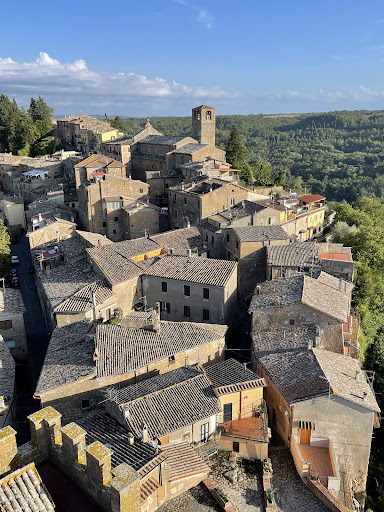
A quiet Tuscan town on the pilgrimage route of Via Francigena, we found Porceno and nearby towns such as Sovana and Pitilgliano charming and less touristy than Tuscan towns further north such as Montalcino and Pienza.
The apartment we stayed in was spacious with its own living room, kitchenette and an outside sitting area. It was beautifully restored and had a birds-eye view of the town.
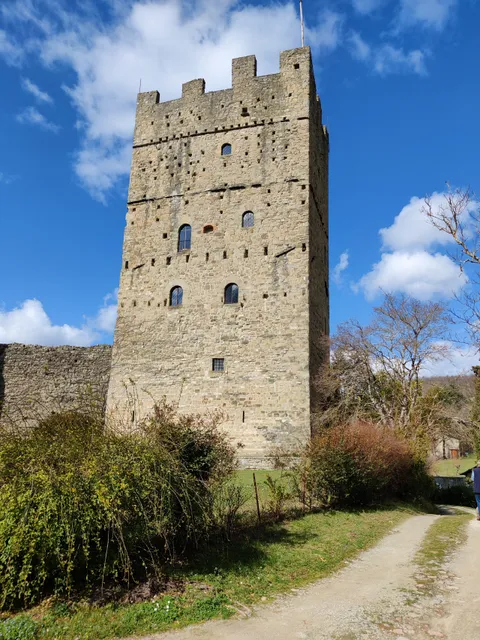
The best part of the whole experience was meeting Cecilia. She took us on a tour of the medieval castle which her family has been looking after for a few hundred years. The castle is largely unaltered with a medieval toilet and working drawbridge that is apparently one of only 19 in all of Italy. Cecilia’s great-grandfather is an archaeologist and his keen interest in history clearly runs in the family with Cecilia passionately safeguarding the region’s history. She is also the sweetest and most wonderful host, giving us excellent recommendations, booking restaurants and wine tasting in the area for us.
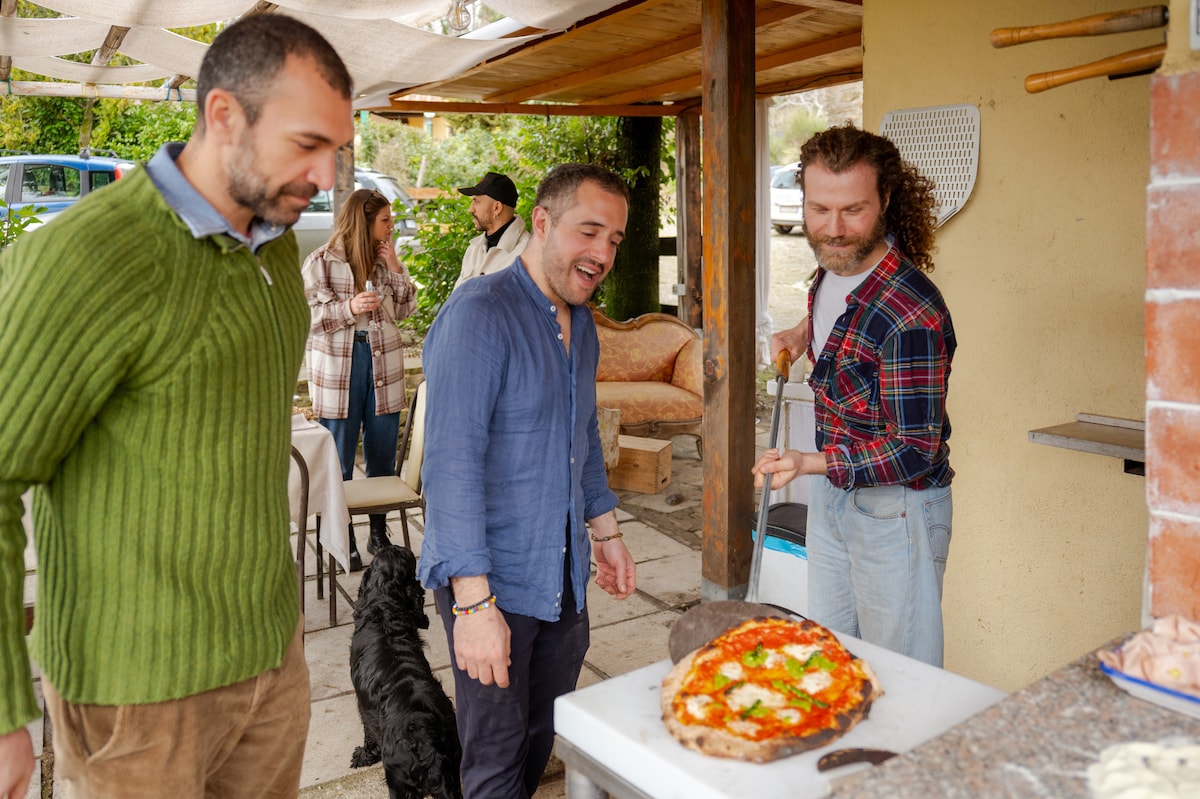
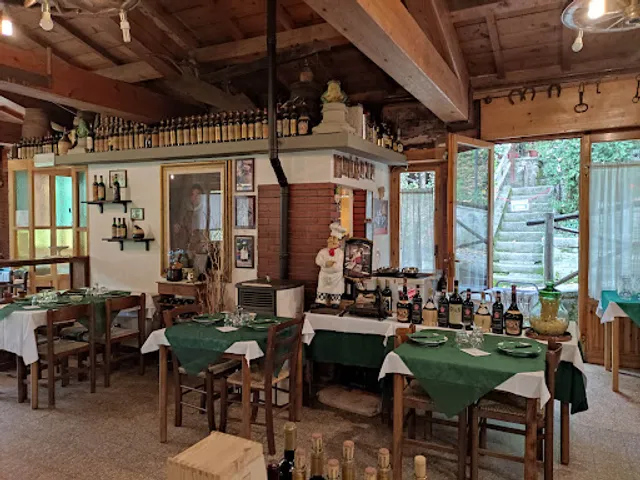
Make sure to try out their restaurant too. Their homemade pasta is heavenly.
The castle sometimes organises concerts in the courtyard. You might want to time your visit to coincide with the events. There are also good hiking routes around including the ancient Etruscan cave...
Read moreLa prima menzione del sito, possesso dei conti Guidi (una delle famiglie più importanti del Medioevo toscano e italiano), risale agli inizi dell'XI secolo, quando un documento del 1017 lo cita come "locus Porciano". Solo nel 1115 il centro viene citato come "castrum" in associazione al suo borgo e, nel 1164, in associazione a molti altri siti casentinesi, è nuovamente confermato ai conti Guidi in un documento dell'imperatore svevo Federico I Barbarossa.
Nel XIII secolo, dopo la suddivisione della famiglia dei conti Guidi in molteplici eredi (spesso in conflitto tra di loro), il castello di Porciano fu sede del ramo dei conti Guidi di Porciano Modigliana. Fu grazie a questi ultimi che, probabilmente dalla metà del XIII secolo, il castello venne monumentalizzato (in quanto centro di contea) e vi venne realizzata la grande torre palaziale che ancora oggi domina la frazione di Porciano.
Dalla metà del XIV secolo il castello entrò nell'orbita politica di Firenze e, tra la fine dello stesso secolo e la prima metà del XV secolo, così come il resto del Casentino, venne progressivamente assorbito dalla città Toscana come satellite politico.
Nonostante la crisi politica dei conti Guidi tra '300 e '400, il castello continuò comunque ad assolvere il suo ruolo di centro di contea, come testimoniato dai materiali archeologici di pregio (maiolica arcaica, maiolica arcaica blu, vetri, ecc...) rinvenuti al suo interno e nelle sue immediate pertinenze tra gli anni '60 e '70 del XX secolo.
Nel 1442, infine, l'ultimo dei conti Guidi di Porciano Modigliana, il conte Ludovico di Neri dei conti Guidi, sciolse i suoi uomini dai patti di fedeltà che li legavano a lui, abbandonò Porciano definitivamente e si fece monaco a Firenze presso il monastero di Santa Maria degli Angeli.
Tra XV e XVIII il castello andò incontro ad una progressiva rovina e, nel 1799, venne acquistato, assieme al vicino castello di Romena, dal Comune di Stia da parte dei conti Goretti de' Flamini, una famiglia nobiliare di origine romana.
Solo dagli anni '60 del XX secolo, infine, il castello venne recuperato e restaurato grazie all'opera della contessa Flaminia Goretti de' Flamini e di suo marito George Anderson Specht. La loro unica figlia, Martha Specht, è ancora oggi proprietaria...
Read more