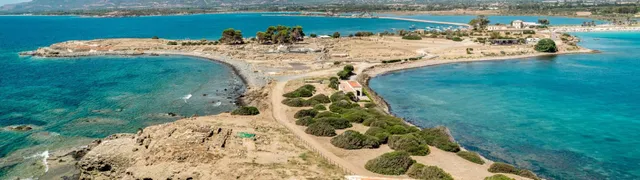
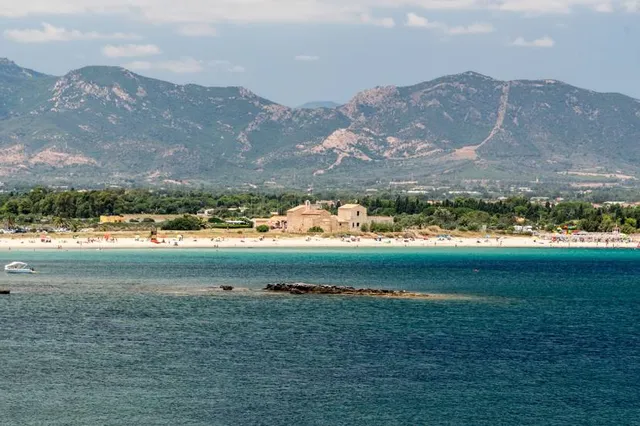
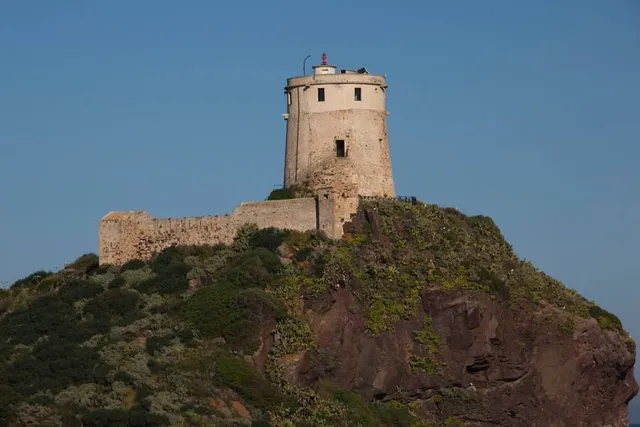
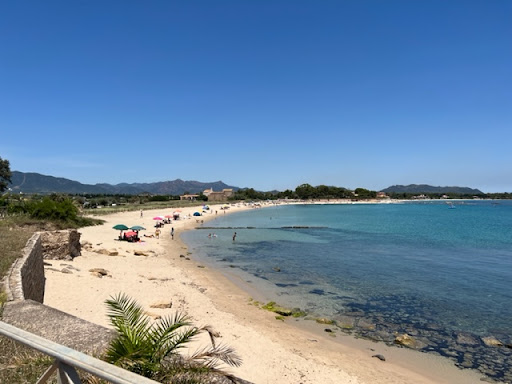
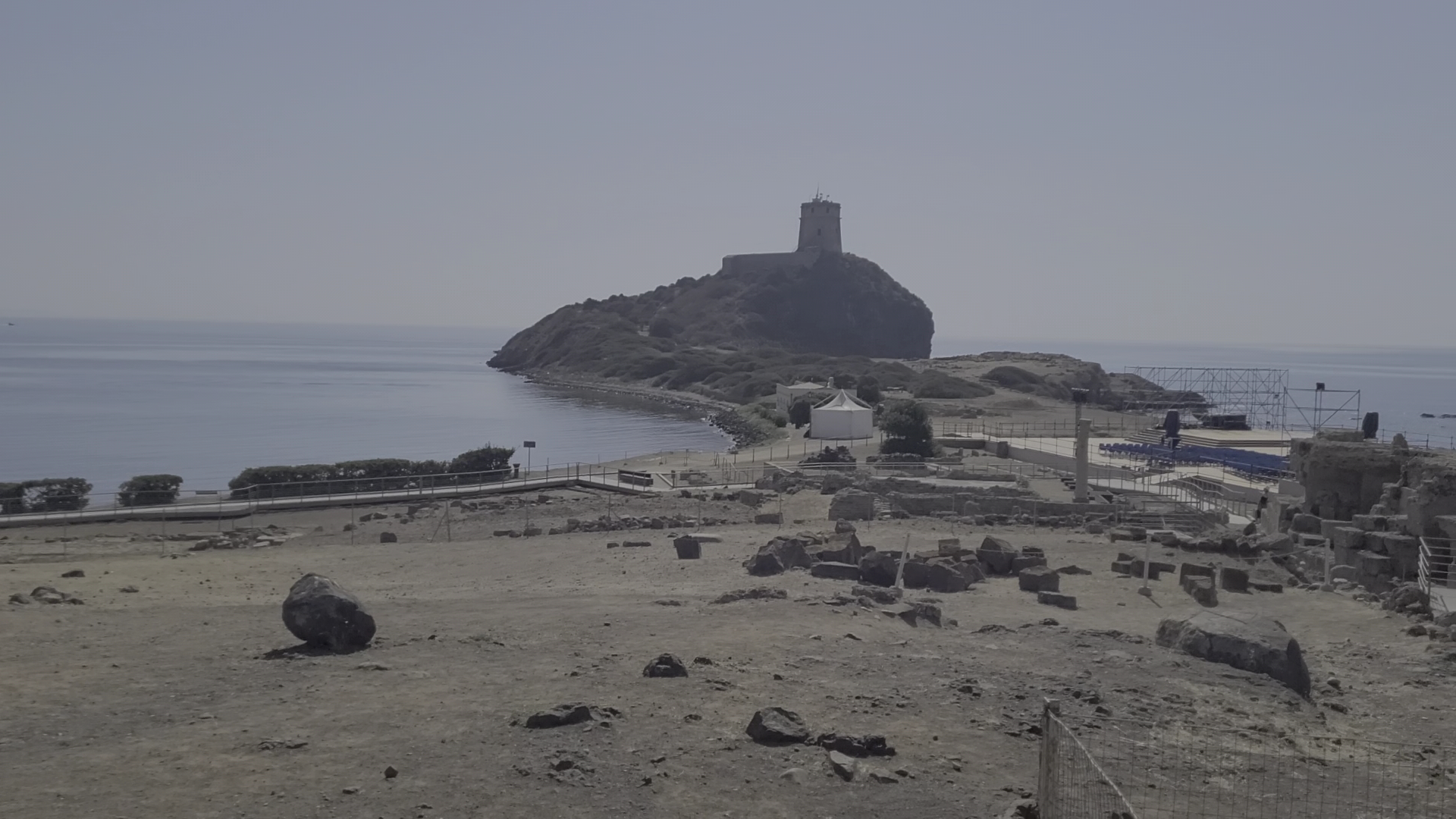
It was the first Phoenician city in Sardinia (8th century BC), an important commercial crosswords and port of enviable location, in the isthmus of Capo Pula, from which it was possible to set sail in any weather. Nora, which developed fully in the 4th century BC under Punic rule, was conquered by the Romans in 238 BC and became a municipium in the 1st century AC. During the two following centuries, it lived its maximum splendour: urban growth and eight thousand inhabitants, in addition to being caput viae, the starting point of all of the roads on the islands. Of this flourishing city, fascinating remains can be seen at the archaeological park of Pula, a handful of minutes from the tourist centre, and findings exhibited at Patroni Museum. Go snorkelling and admire Roman roads and remains in the bottom of the isthmus, at Punta del Coltellazzo, dominated by a 16th-century tower.
Almost all evidence of Phoenician-Punic times were covered by Roman edifications. Excavations began in 1889, when a coastal storm revealed a Phoenician-Punic cemetery (tophet), bringing to light the remains of the Temple of Tanit, a Carthaginian goddess, and the Nora Stone, in the Museo Archeologico di Cagliari (National Archaeological Museum). On the stele, the most ancient document of the Western world, the name Shrdn, Sardinia, appears for the first time. The tophet sits near the Romanesque little church, the place of martyrdom of the warrior saint remembered every year during Sagra di Sant’Efisio, of whom the Pula population is particularly devout.
At the entrance to the park, you will find remains of the thermal baths that made Nora famous. Take the cobbled streets to enter the heart of the ancient city: Piazza del Foro. Nearby there is a temple with a six-column entrance hall (pronao), while to the north you will find the necropolis and the aqueduct. On the coast, you will come across a nobleman’s house, the house of tetrastyle atrium from the 3rd century AC, with a four-column portico and rooms lined with mosaics (do not miss “Nereid on a marine centaur”). Keep walking and you will see its main attraction, the amphitheatre: originally lined with marble, it had twenty terraces and could seat one thousand people. Today it hosts the La Notte dei Poeti festival. To the south, Aesculapius’s sanctuary, with a mosaic-lined terraced from the 4th century: perhaps the set of the incubation rituals, to ask the gods for remedies. It is the last greatest building: Nora began to decline in the...
Read moreHolidaying in south west Sardinia from the U.K. in mid June 2022, we visited the beautiful archeological site in Nora.
From our hotel where we were staying on the Santa Margherita di Pula coast, we drove for 15 minutes to the Nora ruins site.
There is free parking nearby and then we walked for 10 minutes to the edge of the site.
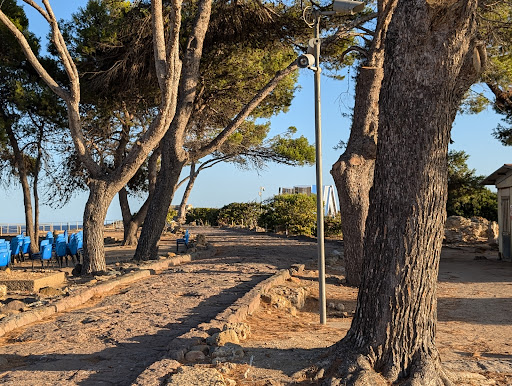
Before walking up to the ruins, we decided to first go into the cafe.
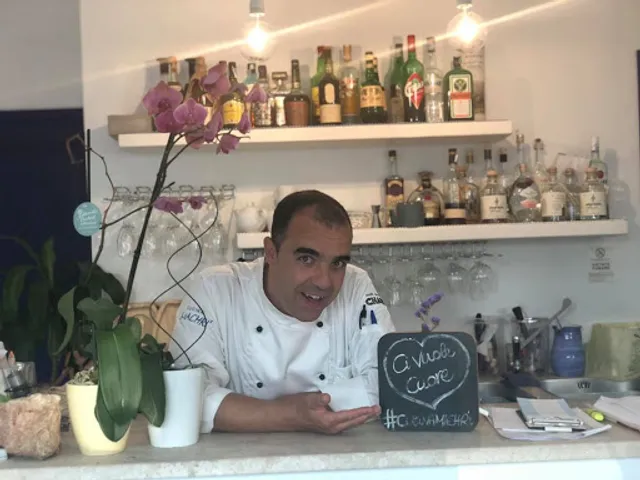
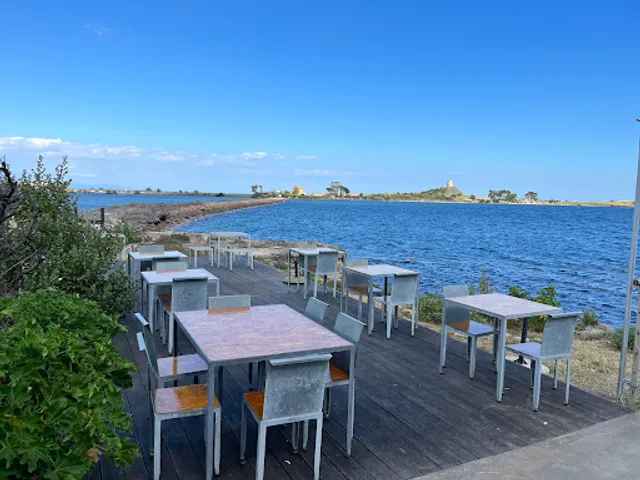
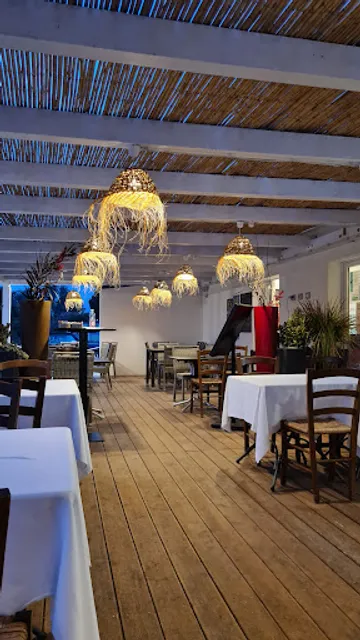
The cafe is very clean, nicely presented, reasonably priced with plenty of seating outside. It is run by a gentleman called Mario, who is very friendly, helpful, professional and has a pleasant manner.
We had a lovely cappuccino and pastry, and ice cold water bottles, which was very welcome on a warm day.
The cafe is well stocked with good quality products. They also serve pasta and pizza.
There are sizeable and clean washrooms behind the cafe.
Next to the cafe, there is the tour office, where you can elect to have a guided tour.
We decided to do the tour on our own - the archeological site is very beautiful, extensive, steeped in history and surrounded by the sea.
The panoramic views are spectacular and to leisurely see all the ruins and read the information boards, you probably need about 2 hours.
Sadly we were not able to visit the Torre di Nora (Nora Tower) as it was closed off for visiting, which was a pity as it would have provided spectacular aerial views of the site.
After seeing all the ruins, we returned to the cafe, where we refreshed ourselves with ice cold drinks and ice cream.
A Big shout out to Mario, who runs the cafe, for his hospitality.
I strongly recommend a visit to this Nora archaeological site - the cafe is...
Read moreNora, located on the promontory of Capo di Pula in Sardinia, is a captivating archaeological site that reveals layers of history. Here’s what you need to know:
Phoenician Origins: Nora was founded by the Phoenicians during the 8th century BC. It served as an essential commercial crossroads and port, allowing sailors to navigate in any weather.
Punic Flourishing: Over time, Nora became a flourishing Punic town. The remains include a Temple of Tanit, dedicated to a Carthaginian goddess, and the Nora Stone, believed to mark the Phoenician conquest of the area.
Roman Conquest: In 238 BC, during the Punic Wars, the Romans conquered Nora. It transformed into a municipium under imperial Rome, experiencing massive urban growth. The Romans built impressive structures, including a thermal bathing complex and an amphitheatre.
Well-Preserved Remains: Today, you can explore Nora’s remnants at the archaeological park of Pula. Walk ancient cobbled streets, visit the Piazza del Foro with its 6-columned entrance hall, and admire mosaic-lined rooms in a nobleman’s house. The theatre, still used for concerts, adds to the experience.
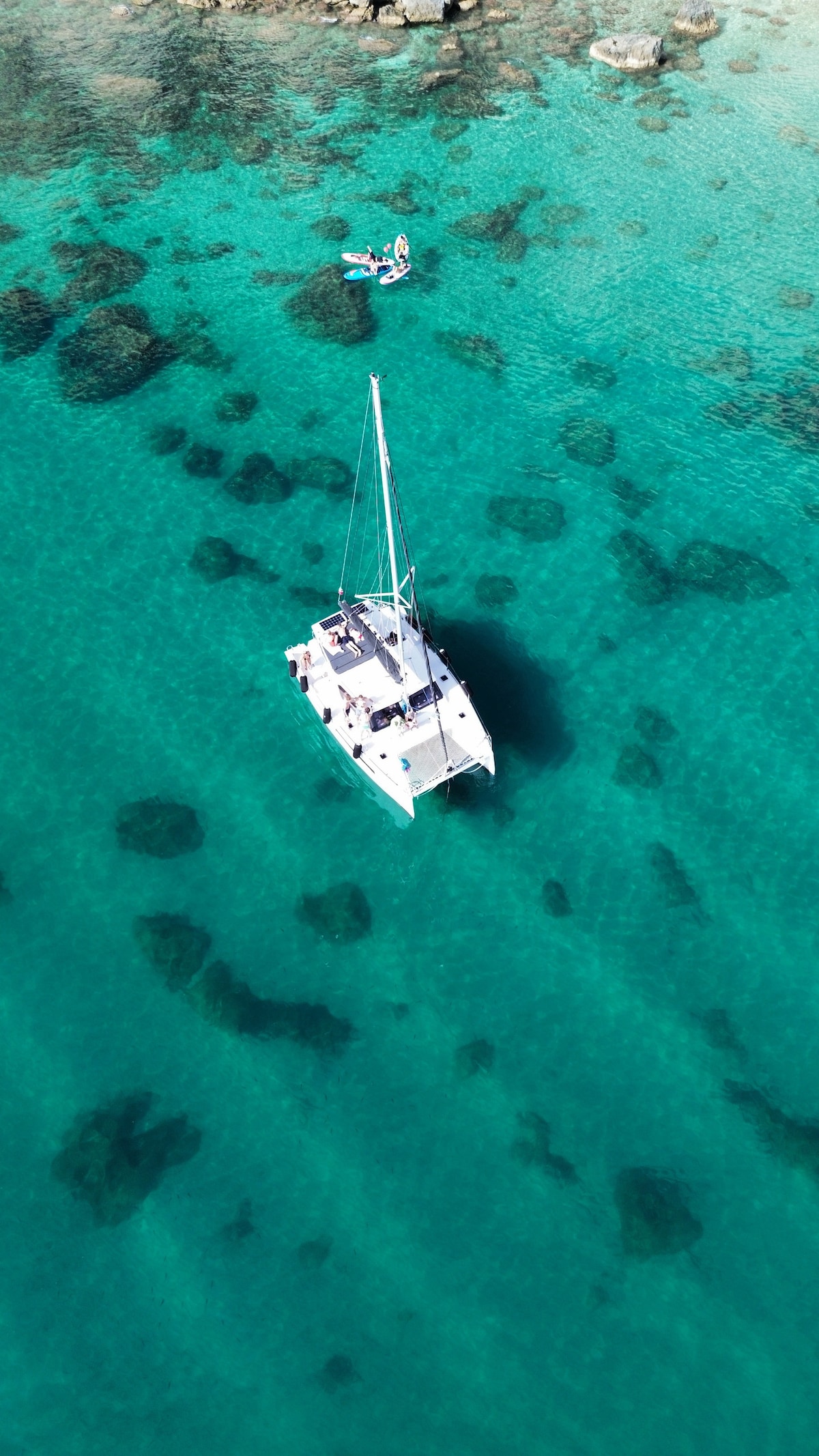
Underwater Treasures: Snorkel near Punta del Coltellazzo to see submerged Roman roads and remains. A 16th-century tower overlooks the area, where rare birds soar overhead.
In summary, Nora is absolutely worth visiting. It offers a fascinating and impressive journey through time—a blend of Phoenician, Punic, and Roman heritage. However we made a guided tour and I could only recommend such a guided tour. The information the guide provides are enriching. One more time, big thanks to...
Read more