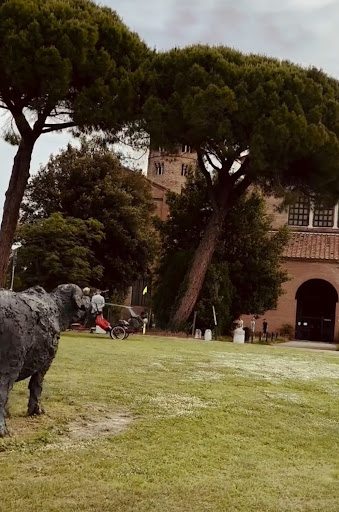
Basilica di Sant'Apollinare in Classe things to do, attractions, restaurants, events info and trip planning
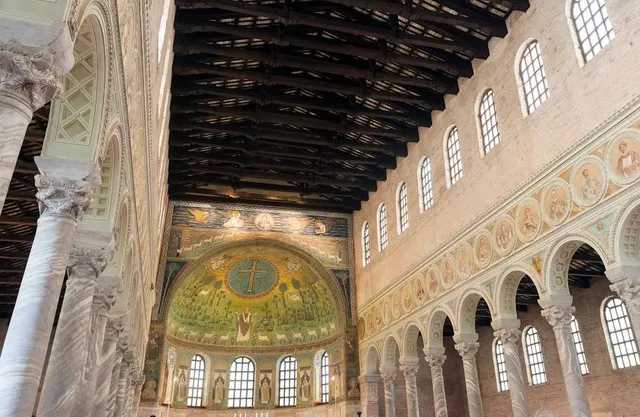
Basic Info
Basilica di Sant'Apollinare in Classe
Via Romea Sud, 224, 48124 Classe RA, Italy
4.7(3.6K)
Closed


tickets
Save
spot
spot
Ratings & Description
Info
The Basilica of Sant' Apollinare in Classe is a church in Classe, Ravenna, Italy, consecrated on 9 May 549 by the bishop Maximian and dedicated to Saint Apollinaris, the first bishop of Ravenna and Classe.
Cultural
Accessibility
attractions: Area sgambamento cani Ravenna - Giardino Beata Vincenza, restaurants: Ristorante Albergo S. Apollinare, Ristorante Il Brutto Anatroccolo, Pizzeria D&D Fuori Classe, bar "al museo cafe", local businesses: Classis Ravenna – Museo della Città e del Territorio, Classis Ravenna – Museo della Città e del Territorio, Museo Vecchia Pesa, RavennAntica - Fondazione Parco Archeologico di Classe, classicarredamento
 Learn more insights from Wanderboat AI.
Phone
+39 320 953 9916
Website
emiliaromagna.beniculturali.it
Open hoursSee all hours
Sun1:30 - 7:30 PMClosed
Plan your stay

Pet-friendly Hotels in Ravenna
Find a cozy hotel nearby and make it a full experience.

Affordable Hotels in Ravenna
Find a cozy hotel nearby and make it a full experience.

The Coolest Hotels You Haven't Heard Of (Yet)
Find a cozy hotel nearby and make it a full experience.

Trending Stays Worth the Hype in Ravenna
Find a cozy hotel nearby and make it a full experience.
Reviews
Live events
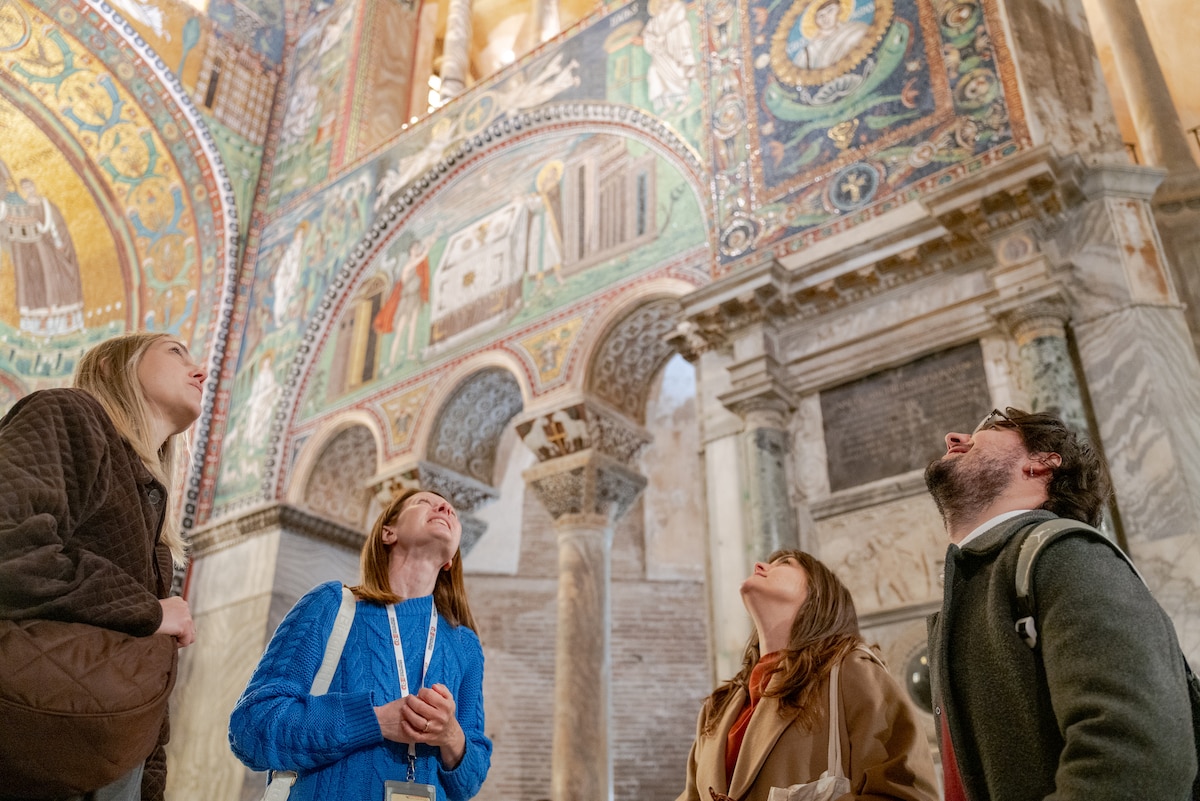
Sample Ravennas vibrant culture and cuisine
Mon, Jan 26 • 10:30 AM
48121, Ravenna, Emilia-Romagna, Italy
View details

Stasera Filmetto?
Thu, Jan 29 • 8:00 PM
178 Via di Roma, 48121 Ravenna
View details

Ravenna Noir: cronaca nera del passato e delitti illustri di Ravenna
Sun, Feb 1 • 3:30 PM
Via di Roma, 53, 48121 Ravenna
View details
Nearby attractions of Basilica di Sant'Apollinare in Classe
Area sgambamento cani Ravenna - Giardino Beata Vincenza
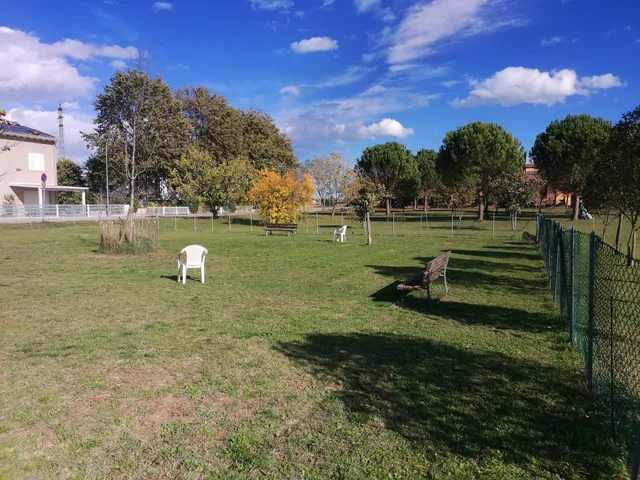
Area sgambamento cani Ravenna - Giardino Beata Vincenza
4.2
(8)
Open until 12:00 AM
Click for details
Nearby restaurants of Basilica di Sant'Apollinare in Classe
Ristorante Albergo S. Apollinare
Ristorante Il Brutto Anatroccolo
Pizzeria D&D Fuori Classe
bar "al museo cafe"
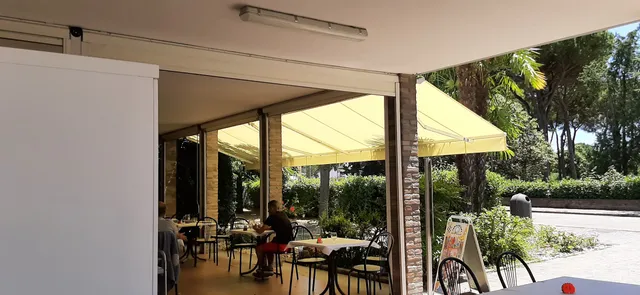
Ristorante Albergo S. Apollinare
4.3
(227)
Click for details
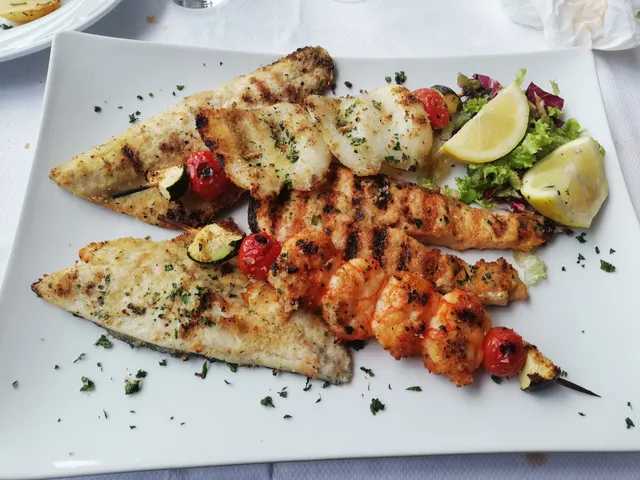
Ristorante Il Brutto Anatroccolo
4.4
(761)
Closed
Click for details
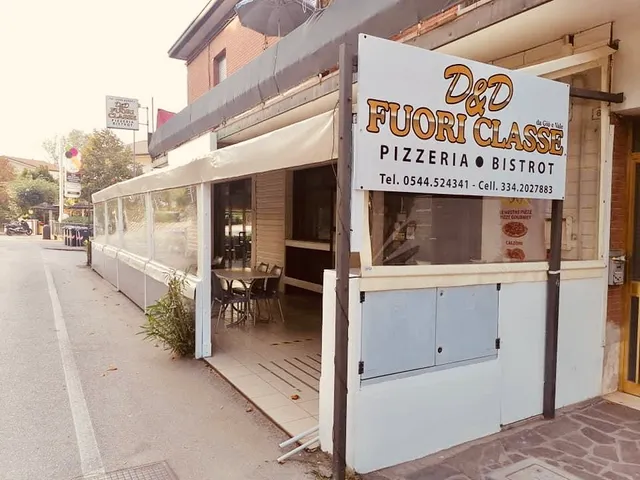
Pizzeria D&D Fuori Classe
4.3
(69)
Closed
Click for details
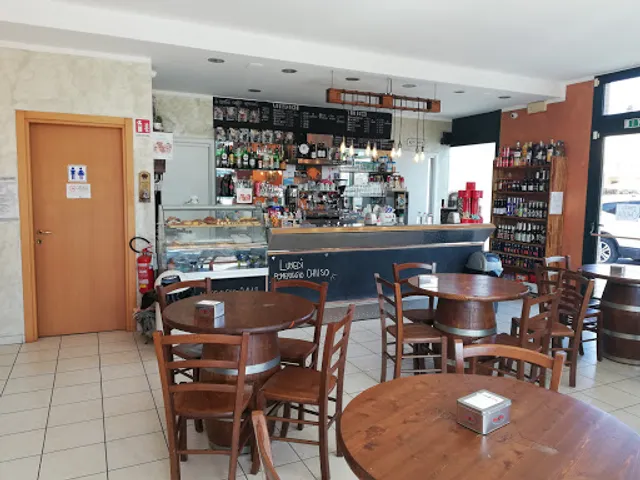
bar "al museo cafe"
4.4
(108)
Closed
Click for details
Nearby local services of Basilica di Sant'Apollinare in Classe
Classis Ravenna – Museo della Città e del Territorio
Classis Ravenna – Museo della Città e del Territorio
Museo Vecchia Pesa
RavennAntica - Fondazione Parco Archeologico di Classe
classicarredamento
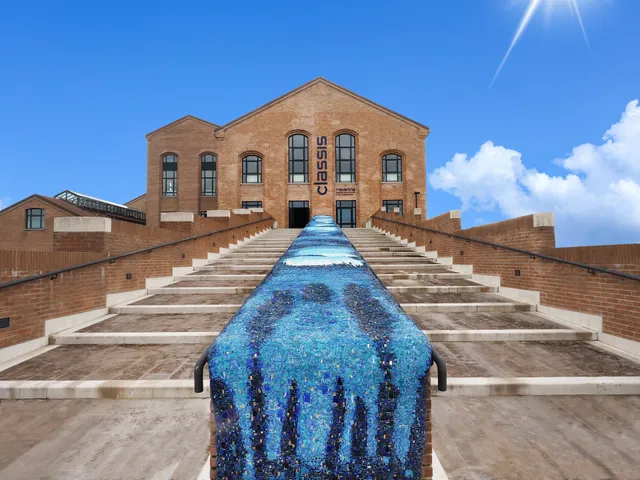
Classis Ravenna – Museo della Città e del Territorio
4.5
(491)
Click for details
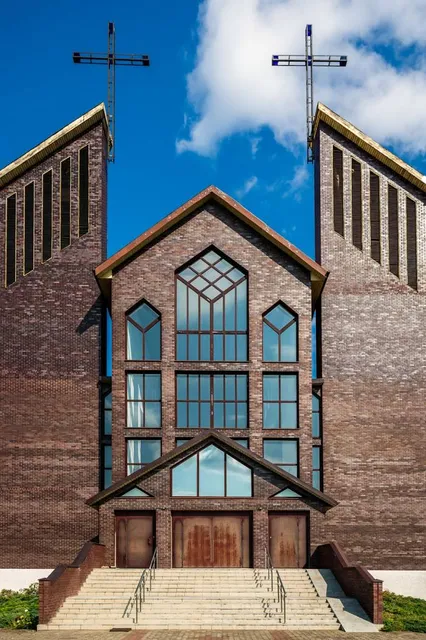
Classis Ravenna – Museo della Città e del Territorio
4.5
(380)
Click for details
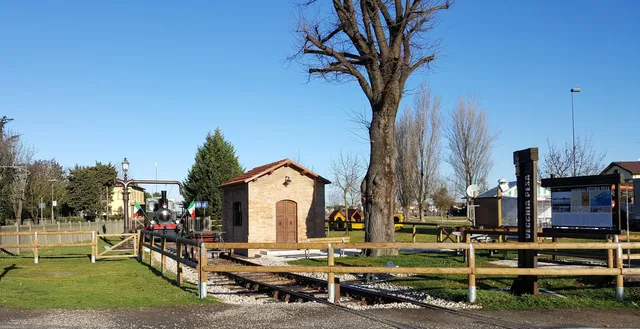
Museo Vecchia Pesa
4.6
(15)
Click for details
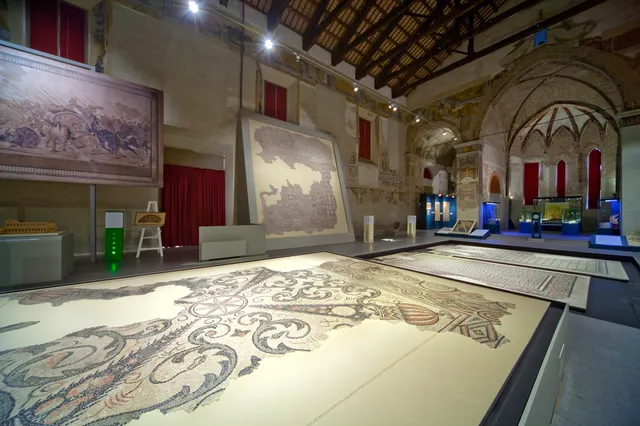
RavennAntica - Fondazione Parco Archeologico di Classe
4.7
(18)
Click for details