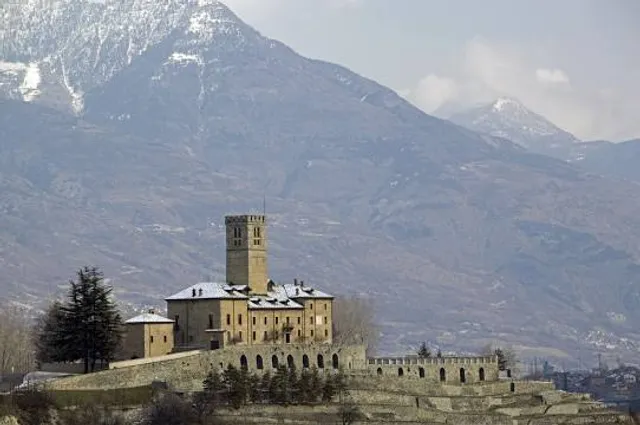
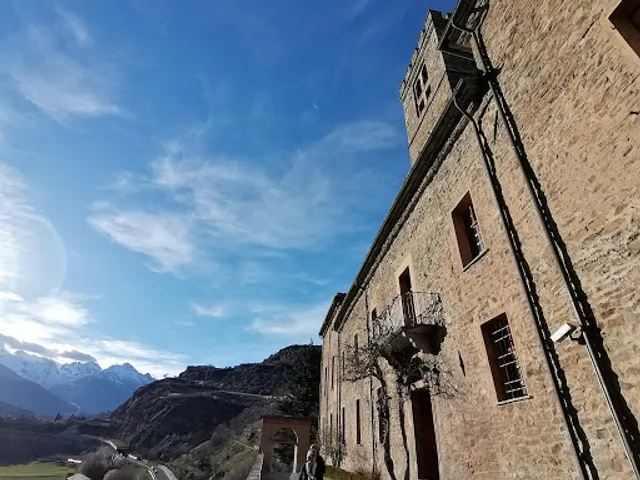
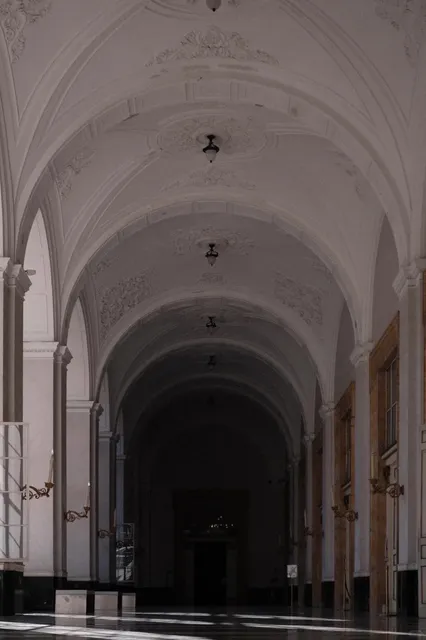
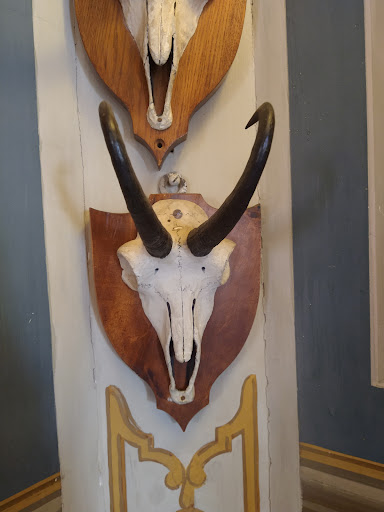
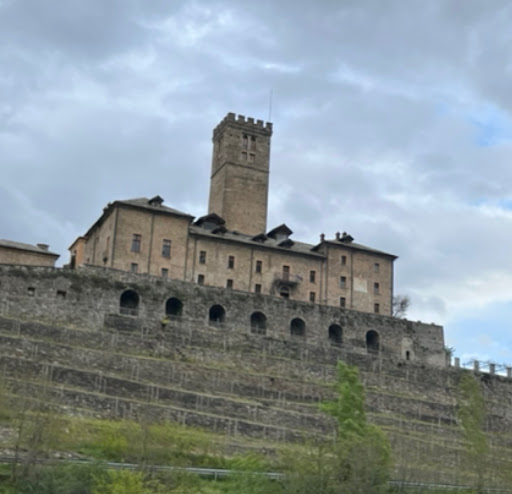
This castle was a hunting lodge for kings. The first floor has some interesting relief map work of the area and a lot of images of previous owners but other than that it's a bit dull. The garden is nice but small and contains the chapel. The more interesting stuff is on the upper levels. You can only access these by buying a tour. The tour is in Italian. The notices around the castle are in Italian and French with occasional English. The upstairs rooms are where the family lived and they have attempted to populate it with the same furnishings that were used by the past owners and it makes it interesting. As this was a hunting lodge there are some really unusual (disturbing for this vegan!) features, such as the skulls and horns covering the ceilings and walls in some rooms. I have often passed this castle when it is out up and you see it from the road so it was nice to...
Read moreSiamo rimasti incantati dalla visita al Castello Reale di Sarre, una tappa che consigliamo vivamente a chiunque si trovi in Valle d'Aosta. La sua posizione, a pochi chilometri da Aosta, lo rende facilmente raggiungibile e la vista sulla vallata circostante è semplicemente mozzafiato. Fin dal primo sguardo, il castello si impone con la sua maestosità, pur mantenendo un'eleganza sobria. L'aspetto che ci ha colpito di più, e che lo distingue da molti altri manieri, è la sua forte connessione con la storia della famiglia Savoia. Fu infatti acquistato nel 1869 da Vittorio Emanuele II, che lo trasformò nella sua residenza estiva e base per le sue battute di caccia al camoscio. Questa "passione venatoria" è ancora visibile in ogni angolo del castello, in particolare nel salone dei trofei, un'enorme stanza decorata con le corna di migliaia di animali cacciati, un'immagine che rimane impressa nella memoria. I cenni storici forniti dalle guide (o dai pannelli esplicativi, se si preferisce la visita in autonomia) sono precisi e affascinanti. Si scopre che il castello fu poi il preferito anche dal figlio, Umberto I, e dalla sua consorte Margherita di Savoia. Un'altra curiosità molto interessante è il fatto che il castello fu l'ultima dimora valdostana di Umberto II e Maria José, i quali cercarono di modernizzarlo pur mantenendone l'identità storica. Gli interni sono un vero gioiello: sale da pranzo riccamente decorate, camere da letto che sembrano rimaste ferme nel tempo e una cappella privata che invita alla riflessione. Ogni stanza racconta una storia, e l'allestimento museale è curato nei minimi dettagli. In sintesi: il Castello di Sarre non è solo un bellissimo edificio, ma un vero e proprio viaggio nel tempo, un'occasione per scoprire un capitolo importante della storia italiana e, allo stesso tempo, ammirare l'arte e l'architettura di un'epoca passata. Preparatevi a un'esperienza ricca di storia, eleganza e curiosità inaspettate! Dobbiamo evidenziare che potrebbero esserci delle difficoltà per alcune tipologie...
Read moreThe royal family's hunting lodge, according to the guide, was used for about two months of the year, but it helped the locals survive in difficult times, as they had to work hard to open about 300 kilometers of safe roads to allow the king to travel between base camps to hunt. The first floor houses royal objects and the second is a museum with ibex and chamois trophies. Interestingly, electricity and heating were installed around the house for the comfort of the family. Dogs allowed in a carrier. Large groups on weekends, book in advance. We recommend purchasing one of the many Valle d'Aosta Cards to visit all the sites...
Read more