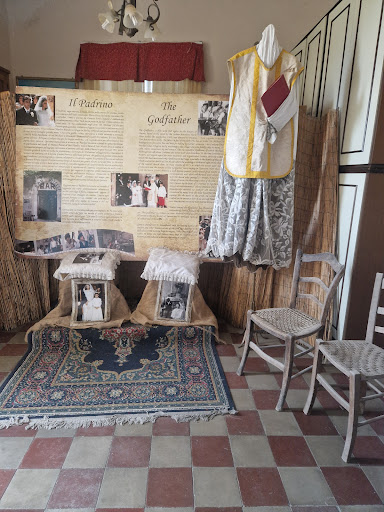
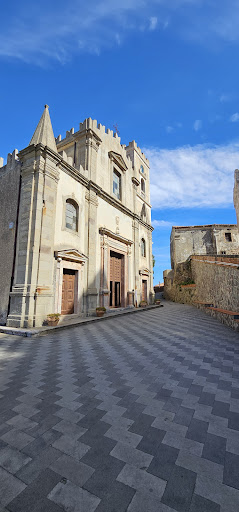
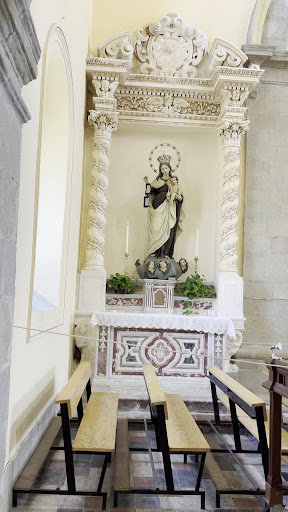
Chiesa di San Nicolò things to do, attractions, restaurants, events info and trip planning
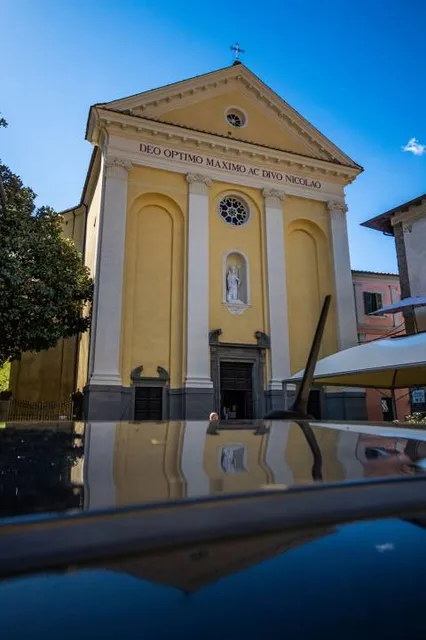
Basic Info
Chiesa di San Nicolò
Via S. Nicolò, 4, 98038 Savoca ME, Italy
4.7(182)
Open 24 hours
Save
spot
spot
Ratings & Description
Info
Cultural
Scenic
Family friendly
attractions: Godfather wedding walk, Castello Pentefur, Chiesa di San Michele, Chiesa Madre di Savoca, Convento dei Cappuccini, restaurants: Bar Vitelli, Ristorante GELSO Nero, Dioniso Di Morabito Andrea, Osteria del borgo, Panificio Il Buon Pane, La dolce vita se wine bar Aperol Spritz, Pipispezzi Savoca, La Pineta di Garufi Vincenza, Il Sambuco PANE CUNZATU, A Muddica, local businesses:
 Learn more insights from Wanderboat AI.
Phone
+39 368 741 0809
Plan your stay

Pet-friendly Hotels in Savoca
Find a cozy hotel nearby and make it a full experience.

Affordable Hotels in Savoca
Find a cozy hotel nearby and make it a full experience.

The Coolest Hotels You Haven't Heard Of (Yet)
Find a cozy hotel nearby and make it a full experience.

Trending Stays Worth the Hype in Savoca
Find a cozy hotel nearby and make it a full experience.
Reviews
Live events
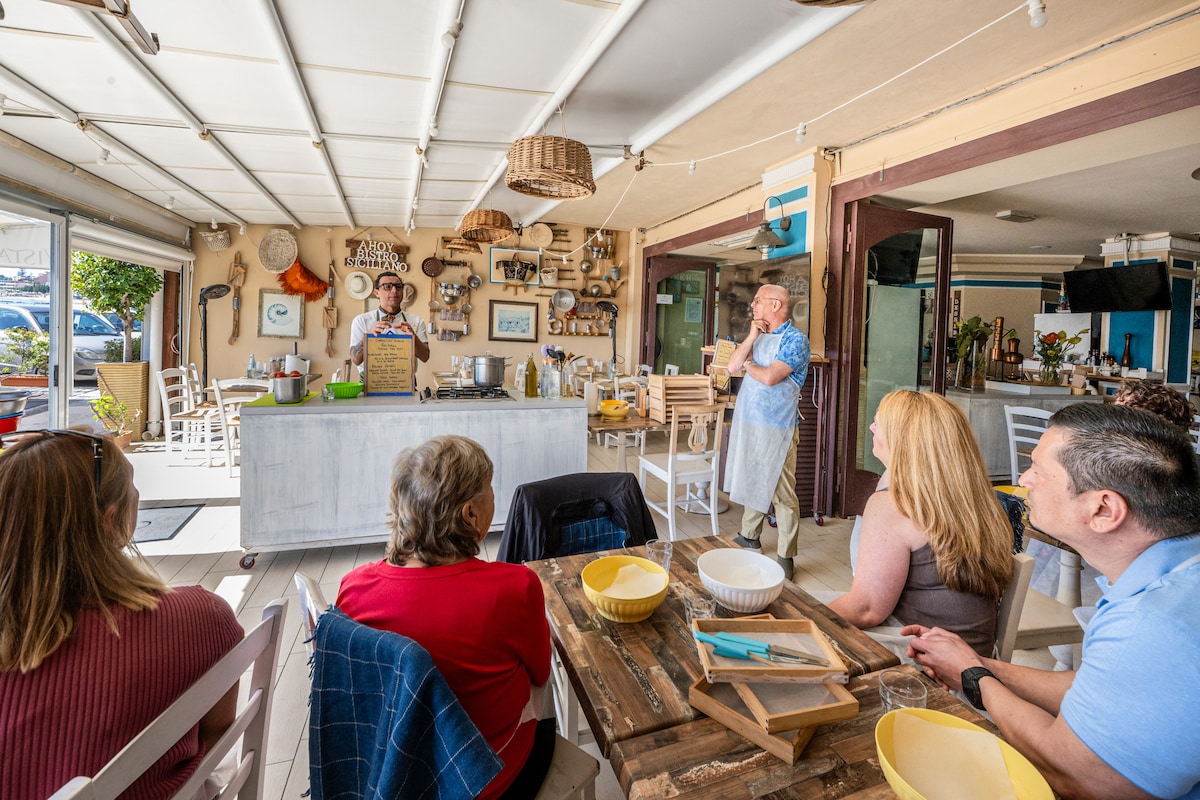
Seaview Cooking Class & Taormina local flavors
Sat, Feb 14 • 10:00 AM
98039, Taormina, Sicily, Italy
View details

Explore Etna with a local guide
Sun, Feb 15 • 8:30 AM
98039, Villagonia, Sicily, Italy
View details
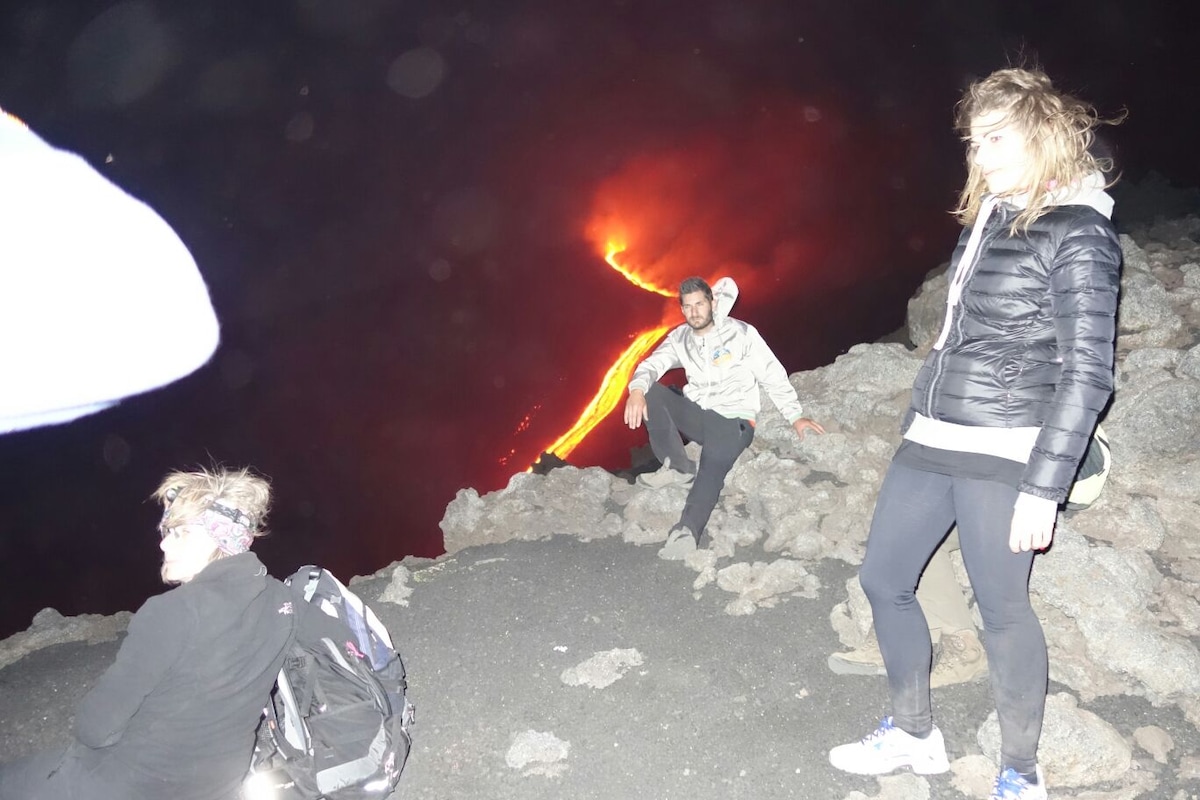
Explore Etna by jeep and trekking
Sun, Feb 15 • 8:45 AM
95015, Linguaglossa, Sicily, Italy
View details
Nearby attractions of Chiesa di San Nicolò
Godfather wedding walk
Castello Pentefur
Chiesa di San Michele
Chiesa Madre di Savoca
Convento dei Cappuccini
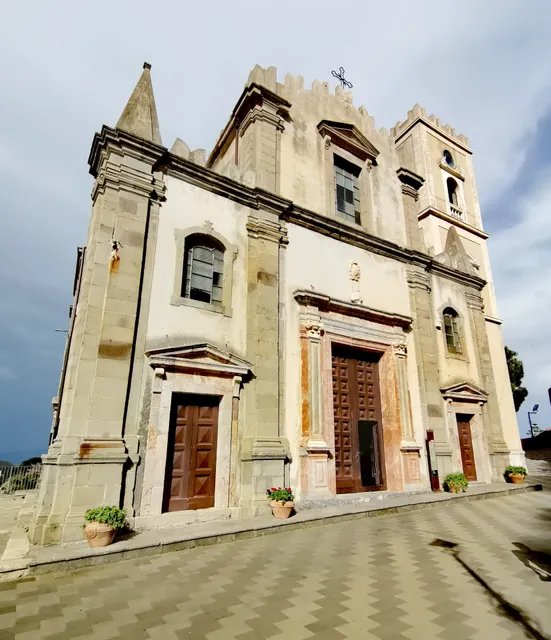
Godfather wedding walk
4.9
(48)
Open 24 hours
Click for details
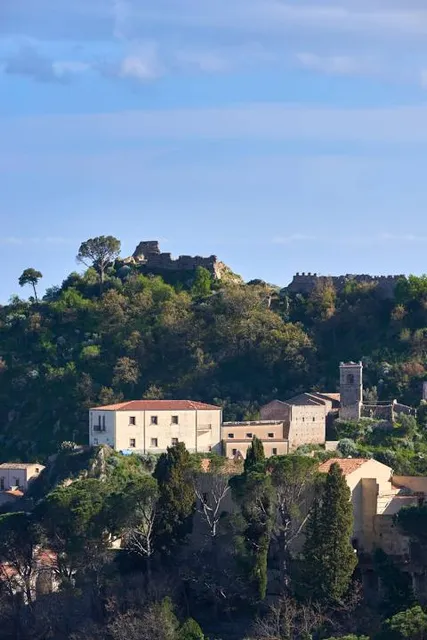
Castello Pentefur
4.5
(29)
Open 24 hours
Click for details
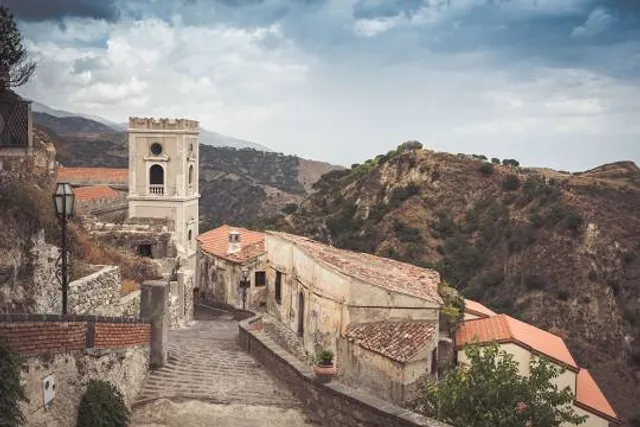
Chiesa di San Michele
4.5
(61)
Open 24 hours
Click for details
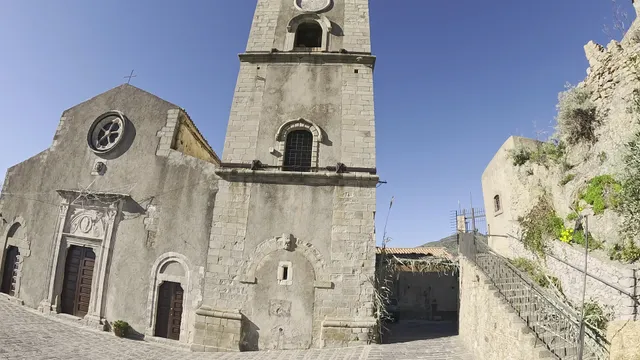
Chiesa Madre di Savoca
4.7
(50)
Open 24 hours
Click for details
Nearby restaurants of Chiesa di San Nicolò
Bar Vitelli
Ristorante GELSO Nero
Dioniso Di Morabito Andrea
Osteria del borgo
Panificio Il Buon Pane
La dolce vita se wine bar Aperol Spritz
Pipispezzi Savoca
La Pineta di Garufi Vincenza
Il Sambuco PANE CUNZATU
A Muddica
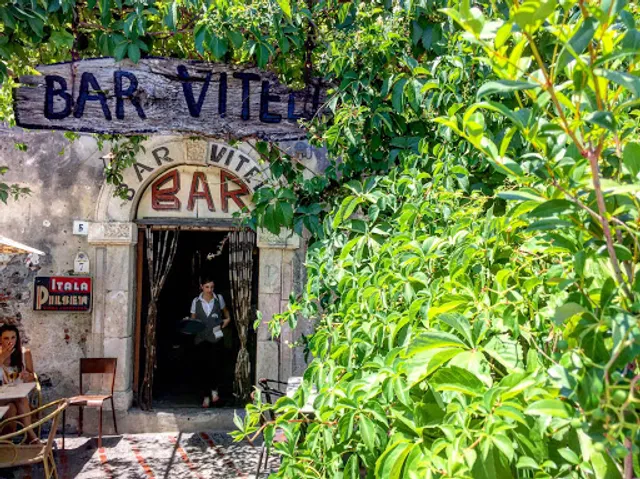
Bar Vitelli
4.3
(2.7K)
Closed
Click for details
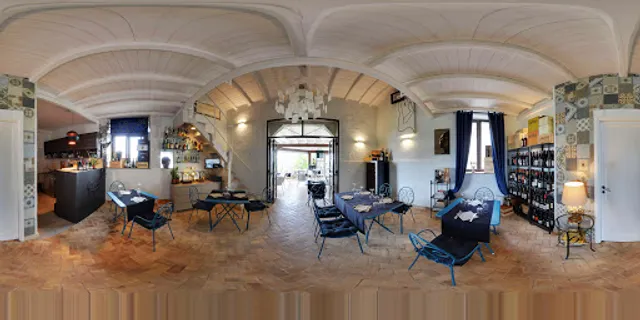
Ristorante GELSO Nero
4.6
(256)
Open until 11:00 PM
Click for details
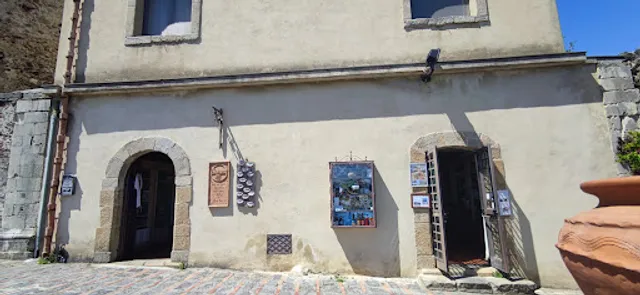
Dioniso Di Morabito Andrea
4.9
(56)
Click for details
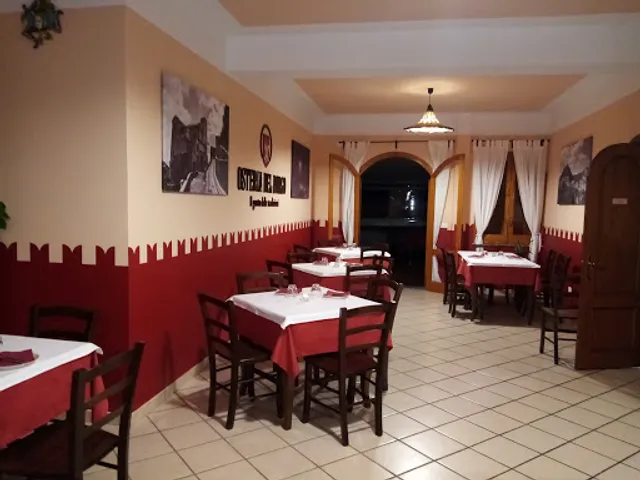
Osteria del borgo
4.7
(253)
Open until 11:00 PM
Click for details