The Sanctuary of the Nativity of Mary, also known as the Basilica della Natività di Maria, is a monumental church in Mogliano Veneto, Italy, famous for its immense dome, which holds the record for being the largest dome in the world. The sanctuary is not only an architectural marvel but also a deeply spiritual and historical site, drawing pilgrims and tourists alike from across the globe. Let’s explore the unique features that make this basilica so extraordinary:
Architectural Grandeur
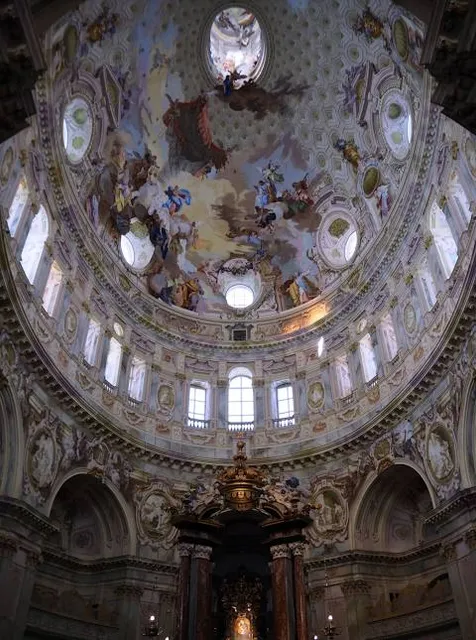
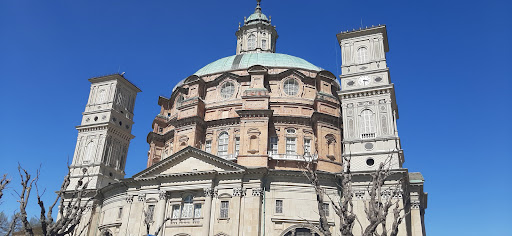
The most remarkable feature of the Sanctuary of the Nativity of Mary is, without a doubt, its dome. Spanning an impressive diameter and height, it outshines other famous domes, including that of St. Peter’s Basilica in Vatican City. The dome’s sheer size creates a sense of awe, symbolizing the heavens and providing a celestial experience to those who enter. Its detailed frescoes, which depict biblical scenes and figures, add an artistic touch to the already majestic structure.
The architectural design of the basilica is a harmonious blend of Renaissance and Baroque styles, which gives the building its unique aesthetic appeal. Its imposing façade, flanked by columns and statues of saints, invites visitors into a space that is both grand and intimate, creating a perfect environment for worship and reflection.
Spiritual Significance
The Sanctuary is dedicated to the Nativity of the Virgin Mary, making it a central place for Marian devotion. It is a destination for pilgrims, especially during the feast of the Nativity of Mary on September 8th. Many believers come to seek blessings, offer prayers, and celebrate the life of the Virgin Mary. The sanctuary's peaceful atmosphere provides a haven for those seeking solace and spiritual renewal.
The basilica’s interior is designed to inspire reverence and reflection. With beautifully adorned altars, serene chapels, and relics of saints, it creates a deeply spiritual environment. The grandeur of the space, combined with the silence it offers, makes it an ideal place for contemplation and prayer.
Cultural and Historical Importance
The Sanctuary of the Nativity of Mary has long been a symbol of religious and cultural importance in the region. Its construction reflects the dedication of the local community to their faith and heritage. Over the centuries, the basilica has been the site of significant religious ceremonies, royal visits, and local celebrations. Its vast size and beautiful design have also made it an architectural landmark, attracting not only religious pilgrims but also lovers of history and architecture.
The basilica’s historical significance is further enhanced by its art collection. The interior is decorated with priceless works of art, including sculptures, paintings, and intricate mosaics. Many of these pieces were commissioned by prominent patrons and represent the artistic genius of their time. The combination of religious and artistic heritage makes the sanctuary a treasure trove of culture.
Benefits to the Community
Beyond its religious and architectural significance, the Sanctuary of the Nativity of Mary plays a key role in the local community. It serves as a place of gathering, bringing people together for festivals, services, and community events. The sanctuary’s maintenance and preservation also contribute to local employment, supporting artisans, historians, and caretakers who work to keep the basilica in pristine condition.
The presence of such a magnificent structure also bolsters tourism, which brings economic benefits to Mogliano Veneto. Visitors from around the world come not only to admire the basilica but also to explore the surrounding region, thereby supporting local businesses, restaurants, and hotels.
Conclusion
The Sanctuary of the Nativity of Mary is a true masterpiece of architecture, faith, and culture. Its massive dome, spiritual significance, and artistic heritage make it one of the most important religious sites in the world. Whether you are visiting as a pilgrim seeking spiritual nourishment or as a tourist admiring its...
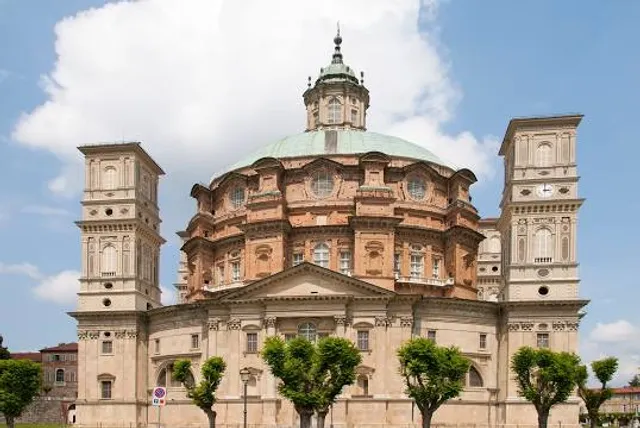
Read moreThis amazing Sanctuary is unsurprisingly one of the best known tourist attractions in Piedmont, whose elliptical dome is the largest in the world. Indeed, the "Santuario Basilica Regina Montis Regalis", appointed in honor of the Nativity of the Most Holy Virgin Mary, has the largest masonry elliptical dome in the world. Following miraculous healings, the place became in 1594 a place of devotion to the representation of the Virgin and Child, painted on a votive station.
The complex has its origin in a votive pillar on which is decorated a fresco of the 15th century representing the Virgin and Child, made to promote the good cooking of the bricks. A prodigious hunting accident made this site an increasingly frequent pilgrimage place, so much so that the Duke Charles Emmanuel I of Savoie Commandita the construction of a large sanctuary in 1596. The sanctuary was to welcome the many pilgrims and become a place intended for the tombs of the family but the mausoleum of the house of Savoy was then transferred to the Basilic de Superga. However, its construction experienced a fairly long gestation ...
And once again, it was Francesco Gallo who pulled chestnuts out of the fire by achieving the feat of building, in 1728, the imposing elliptical dome, 74 meters high. It is said that when we had to dismantle the finished dome reinforcement, given the enormity of the work, the workers refused to remove the supports for fear of a collapse and Gallo had to go to dismantle the scaffolding to demonstrate the stability of the building!
But this magnificent elliptical dome, with unique characteristics, was finally completed in 1733. Since when the architect and the Duke were both died, the construction stopped and the work did not resume until several years later ...
The frescoes of the pictorial work of more than 6,000 square meters, of baroque inspiration, were painted by Felice Biella and Mattia Bortoloni between 1746 and 1748. The “Magnificat” project allows today to admire their fantastic work as close as possible and to visit this extraordinary dome and reach the lantern, 60 meters high !
This majestic monumental complex also includes a Cistercian monastery, currently used as a structure of accommodation, and "palazzata", semi-octogonal portico on which shops and catering places, as well as the Ufficio Turistico.
Finally, on September 8, on the occasion of the solemn celebration of the Nativity of Marie, we can participate in the "will be Madona", one of the oldest and important traditional...
Read moreImponente all'esterno e al suo interno riccamente decorato. Barocco ma leggero grazie alla grande cupola di forma ellittica, la più grande del mondo. Da Wikipedia: "Il complesso trae le sue origini da un santuario medievale, composto da un modesto pilone decorato da un affresco quattrocentesco raffigurante la Madonna col Bambino, probabilmente eretto da un fornaciaio per propiziare la buona cottura dei mattoni..., In seguito a un'epidemia di febbri che aveva lasciato indenne la maggior parte della popolazione di Vico, si verificò un primo forte impulso di devozione. Nel corso dell'autunno 1594 e della primavera 1595 si costruì la prima cappelletta intorno al pilone. In quei mesi, la voce di numerose grazie concesse dalla Vergine ai popolani iniziò a circolare per le valli, e si sviluppò così un movimento devozionale che raggiunse vertici mai visti fino a quel momento e mai raggiunti in seguito. Nel corso del 1595 migliaia di persone raggiunsero il fondovalle in pellegrinaggio, suscitando l'interesse del duca Carlo Emanuele I di Savoia. Nel 1594 e nel 1595 si concretizzò un movimento popolare straordinario di devozione, che si allargò fino a richiamare compagnie, confraternite e comunità da quasi tutto il nord-ovest dell'Italia. Il pilone fu meta di pellegrinaggi sempre più frequenti e attirò anche le attenzioni del duca Carlo Emanuele I di Savoia che, nel 1596, commissionò la costruzione di un grande santuario, affidando l'incarico inizialmente all'architetto di corte Ercole Negri di Sanfront e successivamente ad Ascanio Vittozzi, altro architetto di fiducia della corte sabauda. Nelle intenzioni del duca, il santuario avrebbe dovuto accogliere i molti pellegrini e diventare in seguito il mausoleo di Casa Savoia, luogo destinato alle tombe della famiglia, funzione assunta in seguito dalla basilica di Superga sulla collina torinese. Alla morte di Emanuele I e del Vitozzi i lavori si arrestano lasciando la chiesa scoperta per diversi anni. Vergine del pilone venne solennemente incoronata, come ringraziamento del termine della guerra del sale. Da allora si riprese la costruzione, senza contare più sull'appoggio dei Savoia (che all'epoca stavano rivolgendo tutta la loro attenzione alla costruzione della basilica di Superga), grazie all'impegno dell'architetto e ingegnere monregalese Francesco Gallo che, incoraggiato da Filippo Juvarra, si cimentò nella grande impresa a partire dal 1728. La cupola venne terminata nel 1732. La poderosa cupola ellittica innalzata dal Gallo, alta 74 metri, lunga 37,15 metri sull'asse maggiore e 24,80 metri sull'asse minore. 15 dicembre 2017 vi è stata traslata da Montpellier la salma di Elena del Montenegro, seconda regina d'Italia e consorte del re Vittorio Emanuele III. Due giorni dopo, a fianco della moglie, è stata tumulata anche la salma di Vittorio Emanuele III, proveniente dalla cattedrale cattolica...
Read more