HTML SitemapExplore

Historical Museum AINOYAKATA — Attraction in Aizumi

Name
Historical Museum AINOYAKATA
Description
Nearby attractions
Nearby restaurants
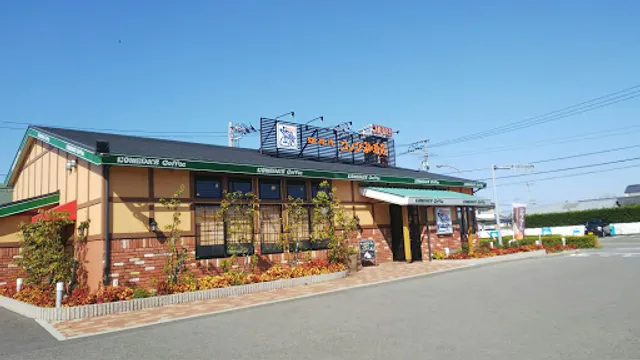
Komeda's Coffee
Maezunishi-99-1 Tokumei, Aizumi, Itano District, Tokushima 771-1210, Japan
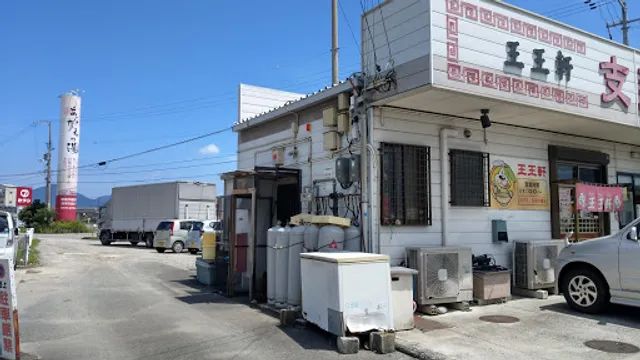
Wanwanken Honten
Ushinose-446-15 Tokumei, Aizumi, Itano District, Tokushima 771-1210, Japan
Nearby hotels
Okumura Ryokan
Japan, 〒771-1202 Tokushima, Itano District, Aizumi, Okuno, 字 前川74番地
Related posts
Keywords
Historical Museum AINOYAKATA tourism.Historical Museum AINOYAKATA hotels.Historical Museum AINOYAKATA bed and breakfast. flights to Historical Museum AINOYAKATA.Historical Museum AINOYAKATA attractions.Historical Museum AINOYAKATA restaurants.Historical Museum AINOYAKATA travel.Historical Museum AINOYAKATA travel guide.Historical Museum AINOYAKATA travel blog.Historical Museum AINOYAKATA pictures.Historical Museum AINOYAKATA photos.Historical Museum AINOYAKATA travel tips.Historical Museum AINOYAKATA maps.Historical Museum AINOYAKATA things to do.
Historical Museum AINOYAKATA things to do, attractions, restaurants, events info and trip planning
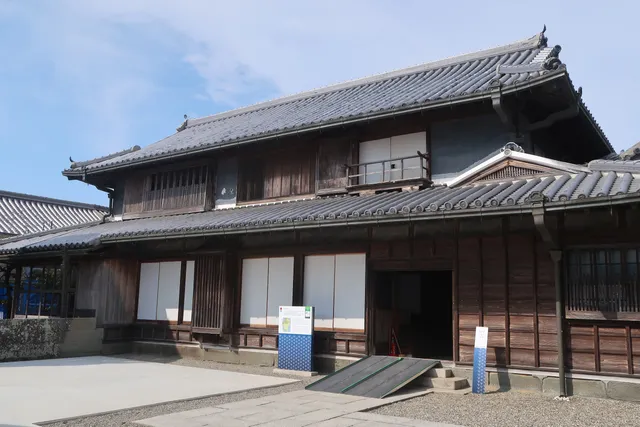
Historical Museum AINOYAKATA
JapanTokushima PrefectureAizumiHistorical Museum AINOYAKATA

Basic Info

Historical Museum AINOYAKATA

Maezunishi-172 Tokumei, Aizumi, Itano District, Tokushima 771-1212, Japan
4.2(265)
Open 24 hours
Save
spot

Ratings & Description

Info

Cultural
Family friendly
Accessibility
attractions: , restaurants: Komeda's Coffee, Wanwanken Honten
logoLearn more insights from Wanderboat AI.
Phone
+81 88-692-6317
Website
ainoyakata.jp

Plan your stay

hotel
Pet-friendly Hotels in Aizumi
Find a cozy hotel nearby and make it a full experience.

hotel
Affordable Hotels in Aizumi
Find a cozy hotel nearby and make it a full experience.

hotel
The Coolest Hotels You Haven't Heard Of (Yet)
Find a cozy hotel nearby and make it a full experience.

hotel
Trending Stays Worth the Hype in Aizumi
Find a cozy hotel nearby and make it a full experience.

Reviews

Things to do nearby

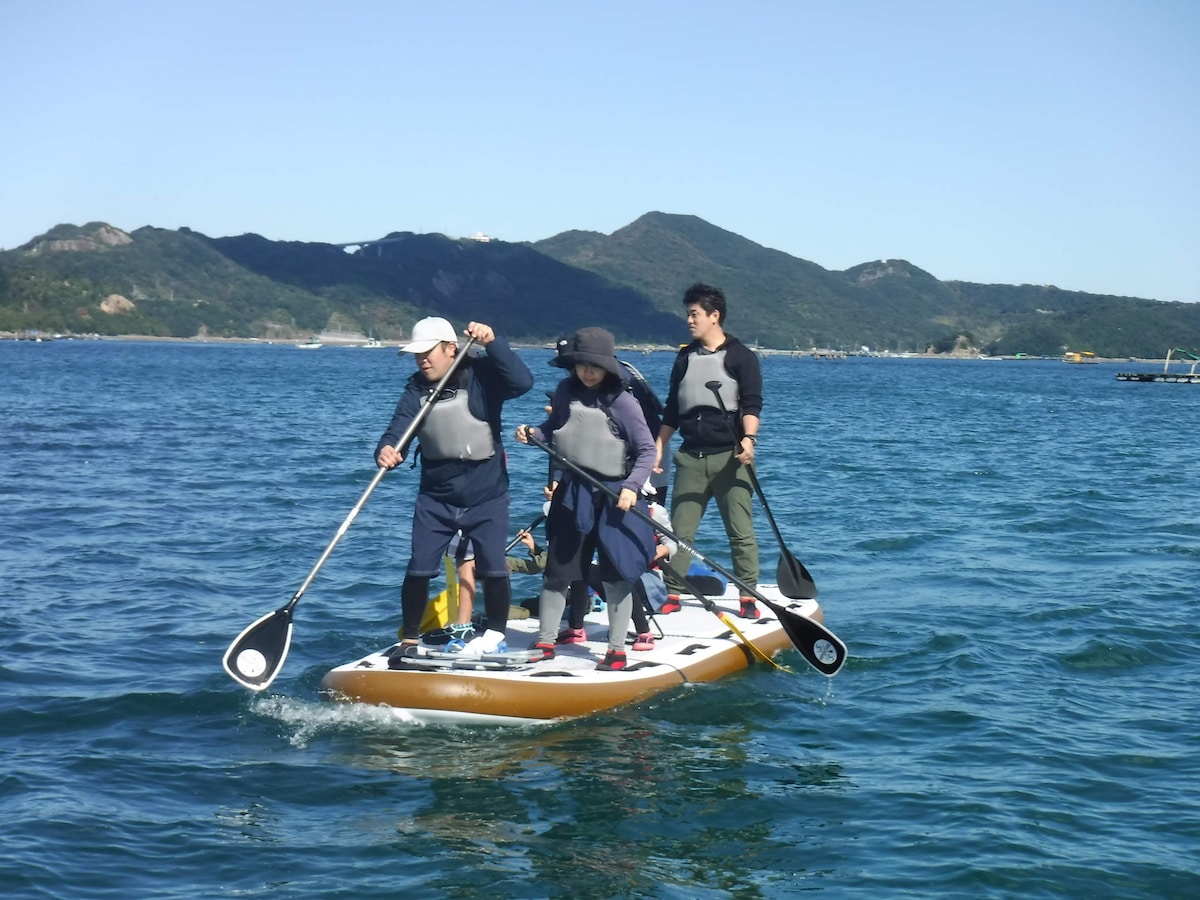
Sea Kayak & SUP Adventure
Tue, Dec 30 • 1:00 PM
772-0053, Tokushima, Naruto, Japan
View details

Sunset Paddle Board or Kayak
Tue, Dec 30 • 3:30 PM
772-0051, Tokushima, Naruto, Japan
View details

Nearby restaurants of Historical Museum AINOYAKATA

Komeda's Coffee

Wanwanken Honten

Komeda's Coffee

Komeda's Coffee

3.8

(305)

Click for details
Wanwanken Honten

Wanwanken Honten

4.2

(925)

$$

Click for details
Get the Appoverlay
Get the AppOne tap to find yournext favorite spots!
Wanderboat LogoWanderboat

Your everyday Al companion for getaway ideas

CompanyAbout Us
InformationAI Trip PlannerSitemap
SocialXInstagramTiktokLinkedin
LegalTerms of ServicePrivacy Policy

Get the app

© 2025 Wanderboat. All rights reserved.

Reviews of Historical Museum AINOYAKATA

4.2
(265)
avatar
5.0
6y

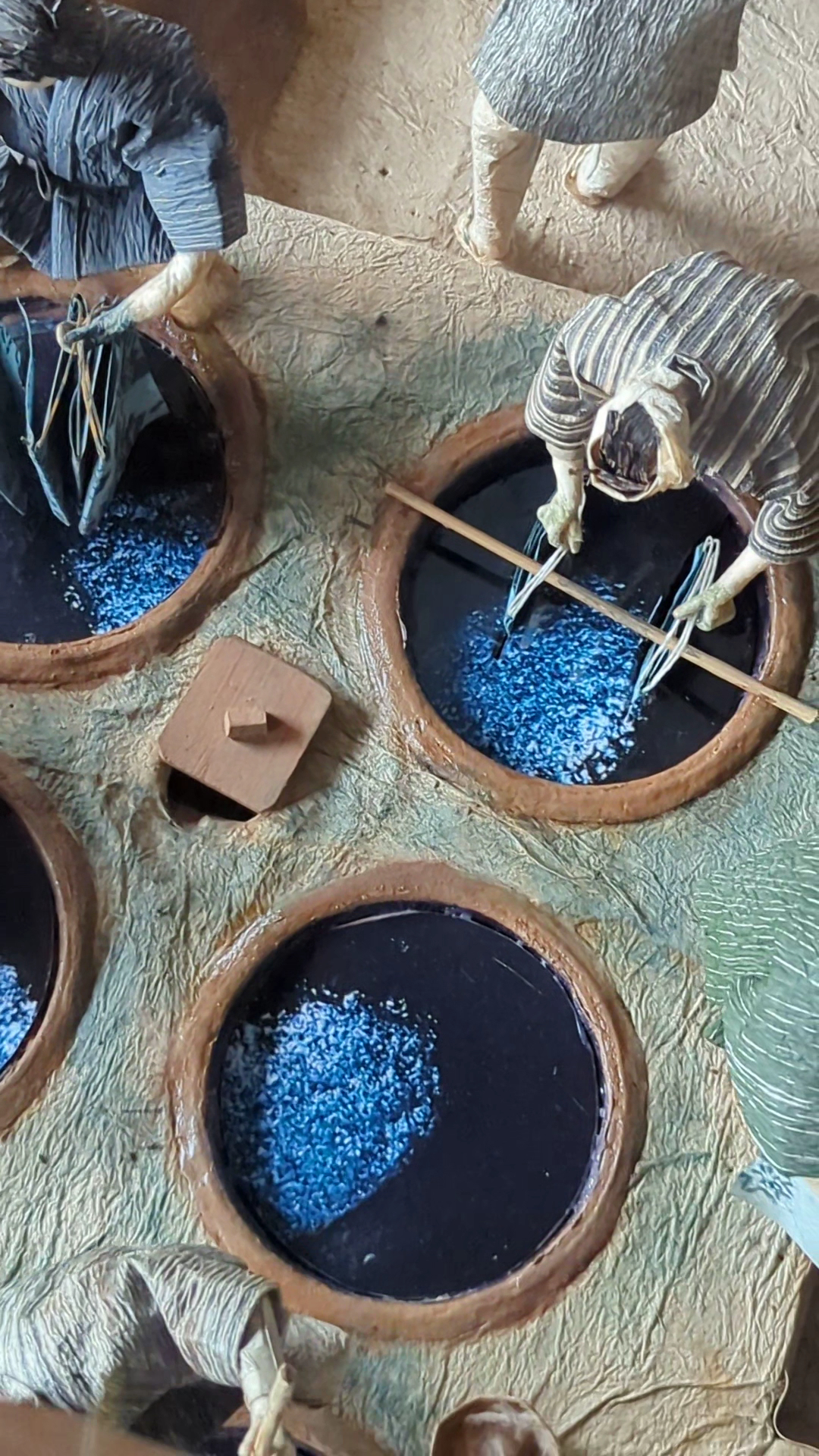
Great museum. This is the birth place of jeans in Japan. There are many buildings/sections to go through. At the entrance, you pay the museum fee and if you'd like you can chose to dye your own products from a selection of cloth or clothing to dye: smaller items such as a hander-kerchief are about 500 yen and T-shirts can go up to 5,000yen. Next to the entrance is a small store with plenty of hand dyed items. Once passed the shop, there is historical museum with beautiful must- see pieces (two floors). Passed the museum, there is an exit to the traditional buildings. Here there is a courtyard, it is magnificent as they have kept all the historical buildings where they used to store the indigo, processed, and dyed. Each building has an explanation and one in particular has many dioramas explaining thoroughly how indigo was grown and used to dye including the original artifacts used! There is even an old guest house intact, a great experience to see what a traditional home looked like. Then there is the dye area, staff is friendly and help you through each step to dying your fabric. Overall a very enjoyable experience and would love to come back. There is no English available and most of the staff do not speak English so you may want to bring a translator or have google translate ready to fully enjoy...

   Read more
avatar
5.0
2y

An enjoyable and immersive experience about indigo dyeing and the trade industry that flourished here in the past. Prior to this, did not even know that this indigo is a plant ☘️ (thought it was just a colour)

If you sign up for the workshop, you get to dye a piece of clothing (handkerchief, towel, bandana etc) and you pay according to the size of cloth you're dyeing. You get to choose the type of dyeing pattern (as the dyeing process depends on how the cloth is prepared), and the instructor guides you through the entire process which takes around 40 min. Despite speaking very little English, the instructor was very professional and engaging in the demonstration and explanation of the various steps.

You gain a deeper appreciation for the labour put into painstakingly designing patterns and shapes on various materials. The exhibits are hosted in the sprawling compound (which is still very well maintained) and the dioramas do a fantastic job showing how grueling the planting, harvesting, fermentation and dyeing process was.

An absolutely educational and enriching experience to showcase why indigo dyeing deserves its spot as a Japan Heritage icon. Value for money exhibit...

   Read more
avatar
5.0
2y

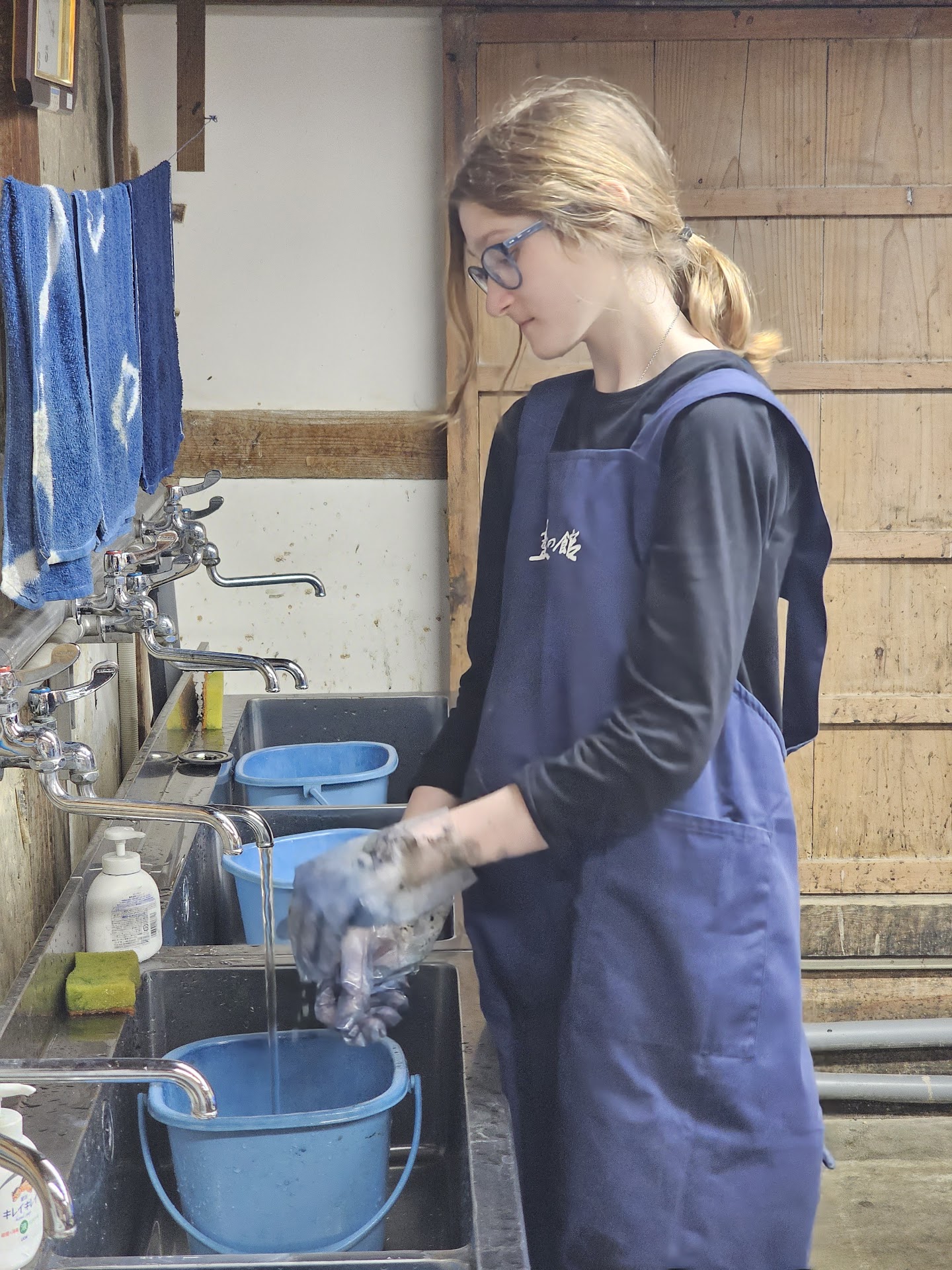
This place is a must visit if you are in the Tokushima area and would like to make your own indigo dyed items! The museum is nice and small, but make sure to come with enough time (30-50 min) to make your own dyed items. I was visiting alone and made 3 items each in 2 rounds for a total of 6 items. I would have made more if I had more time. The staff is super helpful and care about your items turning out nicely. The process is super easy. They do give you an apron, but wear black, especially shoes, if you have. Otherwise, just be careful of drips. I didn’t get dye on my clothes but could see that happening. The gift shop is also stunning. I want to go back! I rented a car (very affordable, just get your international driver’s license before coming to Japan). I don’t know how to get here via...

   Read more
Page 1 of 7
Previous
Next

Posts

YJYJ
An enjoyable and immersive experience about indigo dyeing and the trade industry that flourished here in the past. Prior to this, did not even know that this indigo is a plant ☘️ (thought it was just a colour) If you sign up for the workshop, you get to dye a piece of clothing (handkerchief, towel, bandana etc) and you pay according to the size of cloth you're dyeing. You get to choose the type of dyeing pattern (as the dyeing process depends on how the cloth is prepared), and the instructor guides you through the entire process which takes around 40 min. Despite speaking very little English, the instructor was very professional and engaging in the demonstration and explanation of the various steps. You gain a deeper appreciation for the labour put into painstakingly designing patterns and shapes on various materials. The exhibits are hosted in the sprawling compound (which is still very well maintained) and the dioramas do a fantastic job showing how grueling the planting, harvesting, fermentation and dyeing process was. An absolutely educational and enriching experience to showcase why indigo dyeing deserves its spot as a Japan Heritage icon. Value for money exhibit and workshop.
Erika HouleErika Houle
This place is a must visit if you are in the Tokushima area and would like to make your own indigo dyed items! The museum is nice and small, but make sure to come with enough time (30-50 min) to make your own dyed items. I was visiting alone and made 3 items each in 2 rounds for a total of 6 items. I would have made more if I had more time. The staff is super helpful and care about your items turning out nicely. The process is super easy. They do give you an apron, but wear black, especially shoes, if you have. Otherwise, just be careful of drips. I didn’t get dye on my clothes but could see that happening. The gift shop is also stunning. I want to go back! I rented a car (very affordable, just get your international driver’s license before coming to Japan). I don’t know how to get here via public transport.
PhillipPhillip
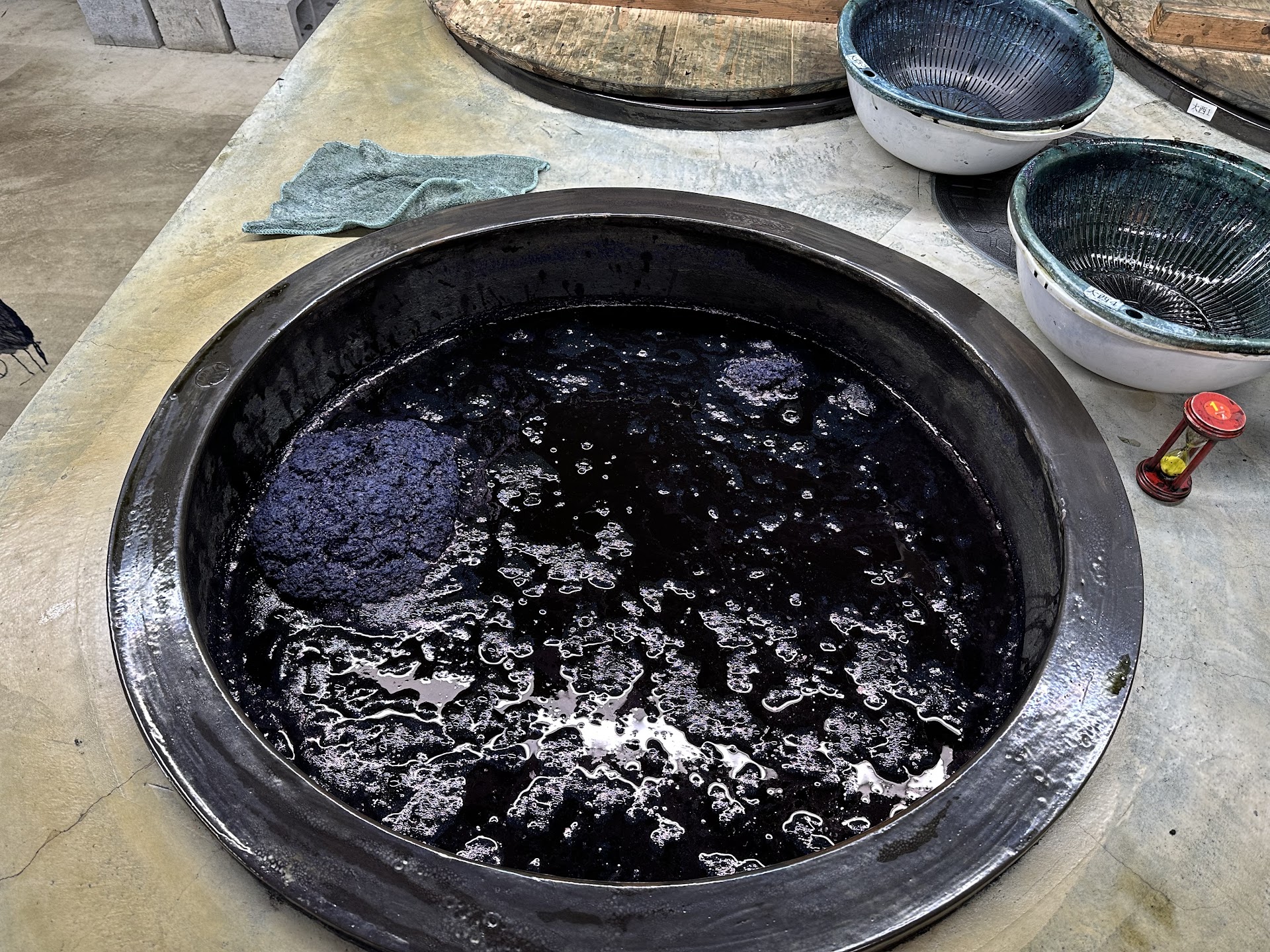
The staff are kind and friendly. The dying experience is fun. I understand why they have set options for patterns, it makes things go more quickly. However, I imagine many Americans would also prefer an additional option to do something free-form. This is especially true because many Americans have experience tye-dyeing. I would also suggest that tourists have the option to not use gloves. Having stained hands for a day or two would extend the memory. The historic home is incredible and feels like a dreamlike liminal space. I would suggest doing more than one cloth to extend the experience. Make one, learn, then make another. It was really fun. Some people think the ferment smells bad, but it will seem less offensive as you work. It's a fun time.
See more posts
See more posts
hotel
Find your stay

Pet-friendly Hotels in Aizumi

Find a cozy hotel nearby and make it a full experience.

An enjoyable and immersive experience about indigo dyeing and the trade industry that flourished here in the past. Prior to this, did not even know that this indigo is a plant ☘️ (thought it was just a colour) If you sign up for the workshop, you get to dye a piece of clothing (handkerchief, towel, bandana etc) and you pay according to the size of cloth you're dyeing. You get to choose the type of dyeing pattern (as the dyeing process depends on how the cloth is prepared), and the instructor guides you through the entire process which takes around 40 min. Despite speaking very little English, the instructor was very professional and engaging in the demonstration and explanation of the various steps. You gain a deeper appreciation for the labour put into painstakingly designing patterns and shapes on various materials. The exhibits are hosted in the sprawling compound (which is still very well maintained) and the dioramas do a fantastic job showing how grueling the planting, harvesting, fermentation and dyeing process was. An absolutely educational and enriching experience to showcase why indigo dyeing deserves its spot as a Japan Heritage icon. Value for money exhibit and workshop.
YJ

YJ

hotel
Find your stay

Affordable Hotels in Aizumi

Find a cozy hotel nearby and make it a full experience.

Get the Appoverlay
Get the AppOne tap to find yournext favorite spots!
This place is a must visit if you are in the Tokushima area and would like to make your own indigo dyed items! The museum is nice and small, but make sure to come with enough time (30-50 min) to make your own dyed items. I was visiting alone and made 3 items each in 2 rounds for a total of 6 items. I would have made more if I had more time. The staff is super helpful and care about your items turning out nicely. The process is super easy. They do give you an apron, but wear black, especially shoes, if you have. Otherwise, just be careful of drips. I didn’t get dye on my clothes but could see that happening. The gift shop is also stunning. I want to go back! I rented a car (very affordable, just get your international driver’s license before coming to Japan). I don’t know how to get here via public transport.
Erika Houle

Erika Houle

hotel
Find your stay

The Coolest Hotels You Haven't Heard Of (Yet)

Find a cozy hotel nearby and make it a full experience.

hotel
Find your stay

Trending Stays Worth the Hype in Aizumi

Find a cozy hotel nearby and make it a full experience.

The staff are kind and friendly. The dying experience is fun. I understand why they have set options for patterns, it makes things go more quickly. However, I imagine many Americans would also prefer an additional option to do something free-form. This is especially true because many Americans have experience tye-dyeing. I would also suggest that tourists have the option to not use gloves. Having stained hands for a day or two would extend the memory. The historic home is incredible and feels like a dreamlike liminal space. I would suggest doing more than one cloth to extend the experience. Make one, learn, then make another. It was really fun. Some people think the ferment smells bad, but it will seem less offensive as you work. It's a fun time.
Phillip

Phillip

See more posts
See more posts