Ryotanji things to do, attractions, restaurants, events info and trip planning
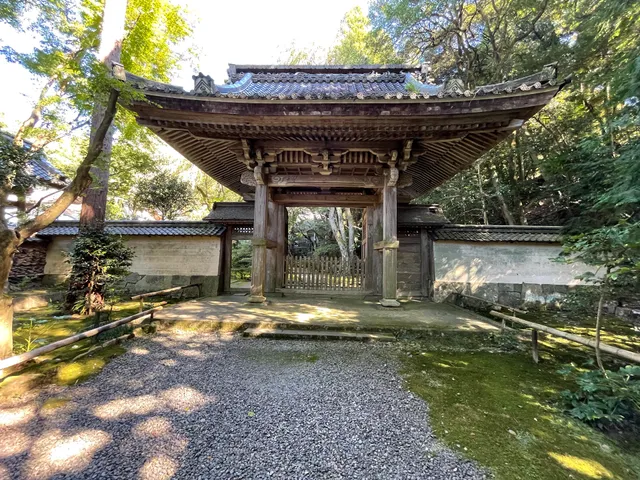
Basic Info
Ryotanji
1104 Furusawacho, Hikone, Shiga 522-0007, Japan
3.9(155)
Open until 4:00 PM
Save
spot
spot
Ratings & Description
Info
Cultural
Scenic
Relaxation
Family friendly
Accessibility
attractions: Seiryoji, Sawayama Castle Ruins, Ohara Benzaiten, restaurants: Chanponteiso Shinmatsubaraten, Marugame Seimen Hikone Matsubara, Cafe de Nike, Chocolat, Umiza, しゃぶ葉 ココット彦根店, La Cuisine Enju, Poem, local businesses:
 Learn more insights from Wanderboat AI.
Phone
+81 749-22-2777
Website
biwako-visitors.jp
Open hoursSee all hours
Sun9 AM - 4 PMOpen
Plan your stay

Pet-friendly Hotels in Hikone
Find a cozy hotel nearby and make it a full experience.

Affordable Hotels in Hikone
Find a cozy hotel nearby and make it a full experience.

The Coolest Hotels You Haven't Heard Of (Yet)
Find a cozy hotel nearby and make it a full experience.

Trending Stays Worth the Hype in Hikone
Find a cozy hotel nearby and make it a full experience.
Reviews
Live events
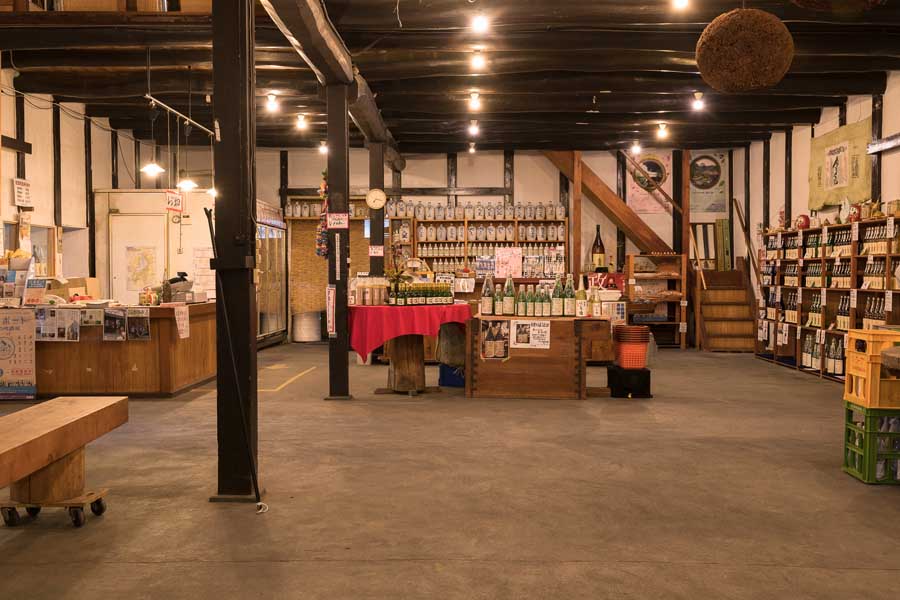
Experience at the Okamura Honka
Sake tasting & brewery tour
Sun, Feb 8 • 9:00 AM
529-1165, Shiga, Toyosato, Inukami District, Japan
View details
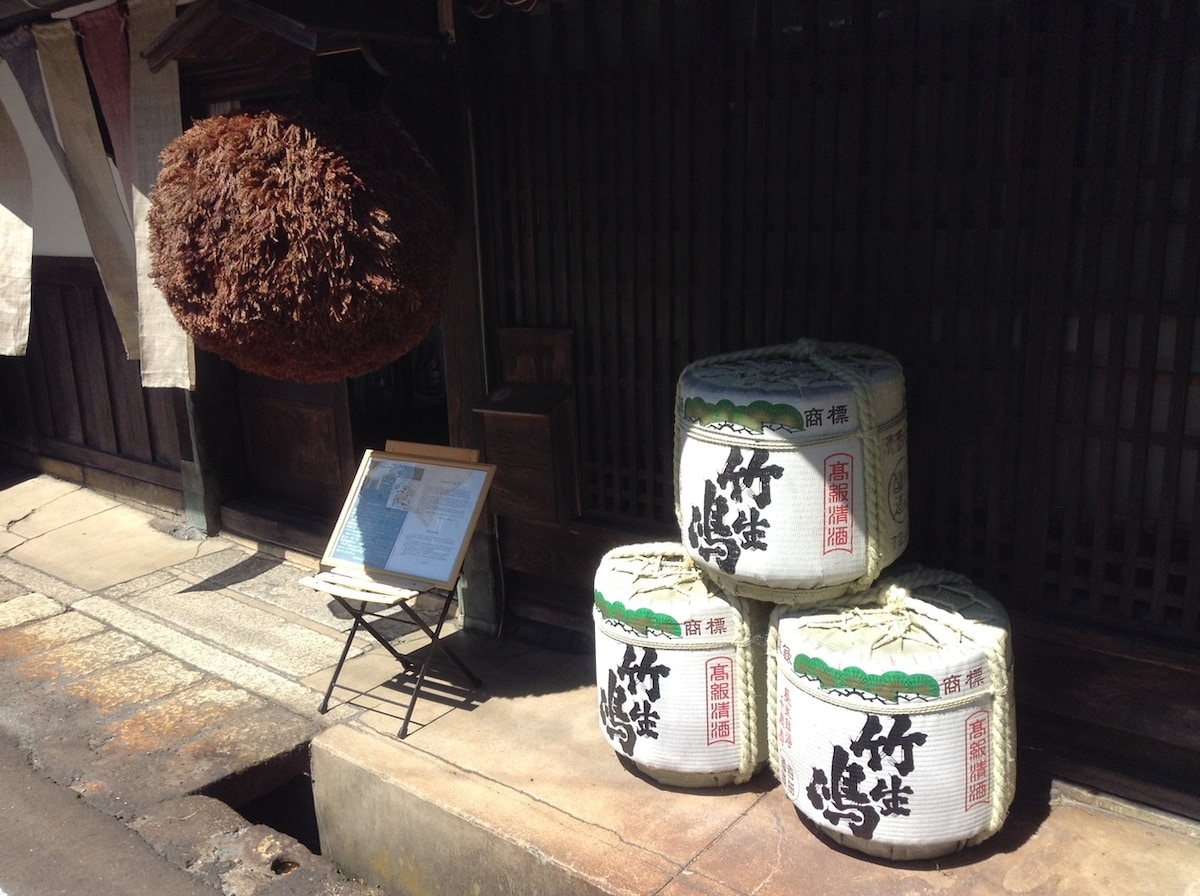
Experience at Yoshida Brewery
Sake tasting & brewery tour
Mon, Feb 9 • 9:00 AM
520-1811, Shiga, Takashima, Japan
View details
Nearby attractions of Ryotanji
Seiryoji
Sawayama Castle Ruins
Ohara Benzaiten
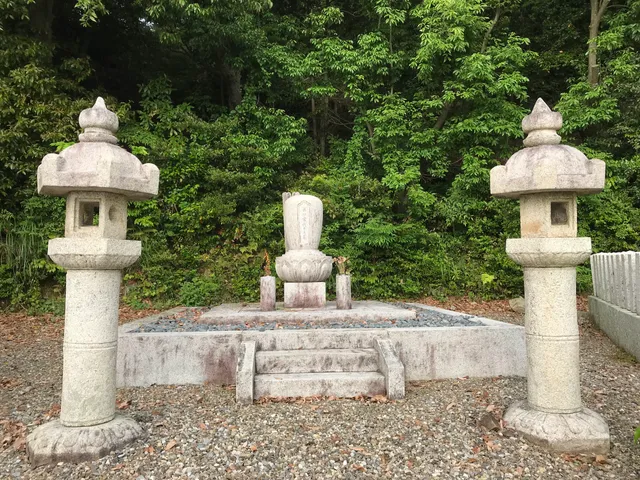
Seiryoji
3.8
(61)
Open until 5:00 PM
Click for details
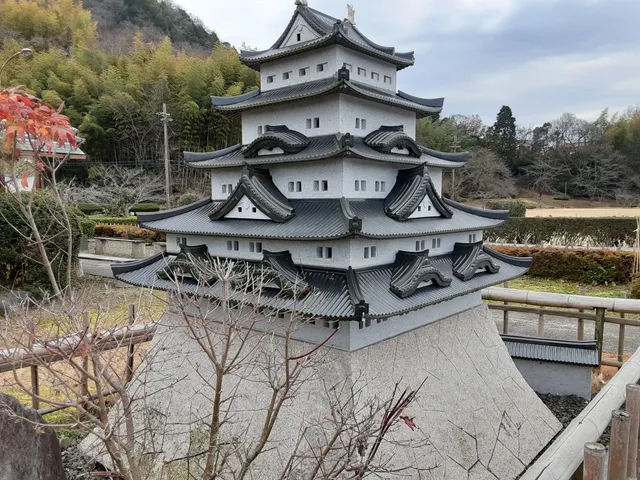
Sawayama Castle Ruins
4.1
(233)
Open until 5:00 PM
Click for details
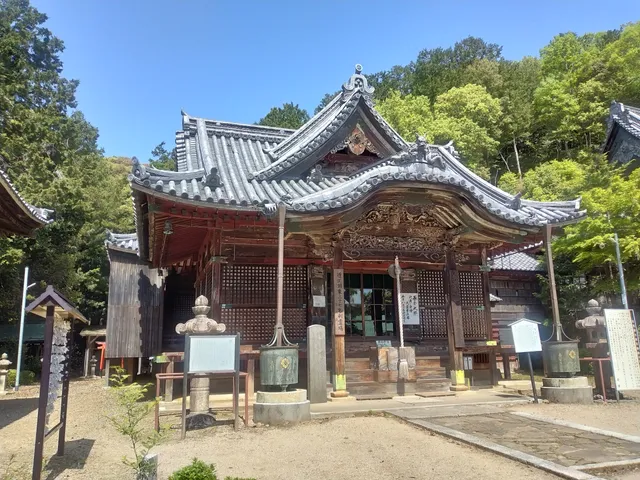
Ohara Benzaiten
4.1
(59)
Open until 5:00 PM
Click for details
Nearby restaurants of Ryotanji
Chanponteiso Shinmatsubaraten
Marugame Seimen Hikone Matsubara
Cafe de Nike
Chocolat
Umiza
しゃぶ葉 ココット彦根店
La Cuisine Enju
Poem
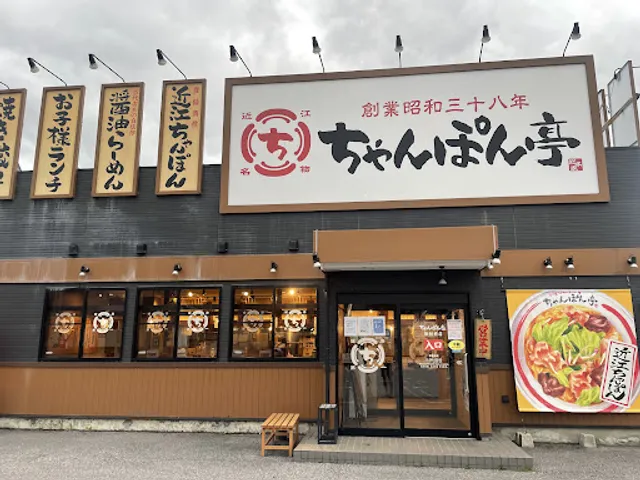
Chanponteiso Shinmatsubaraten
3.7
(193)
Closed
Click for details
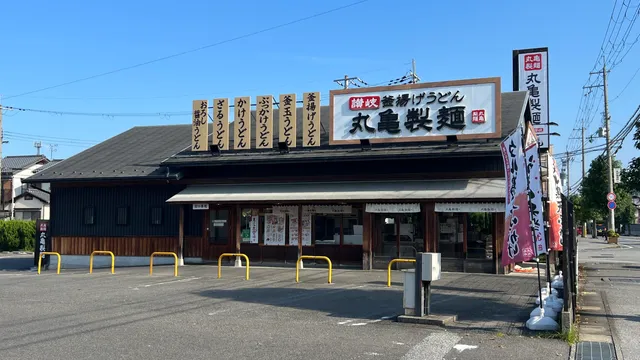
Marugame Seimen Hikone Matsubara
3.4
(297)
Closed
Click for details
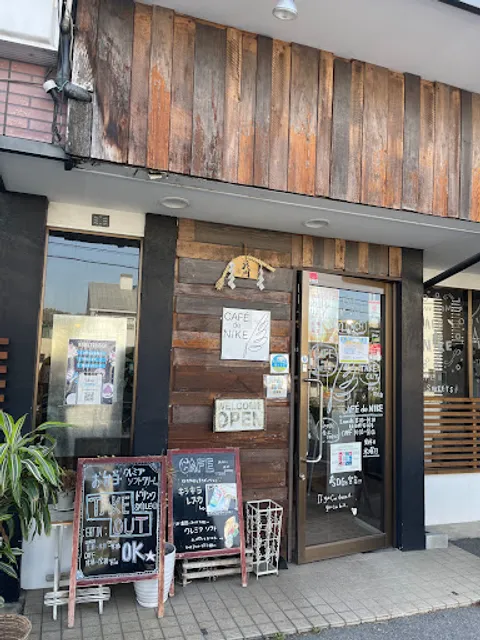
Cafe de Nike
3.9
(51)
Closed
Click for details
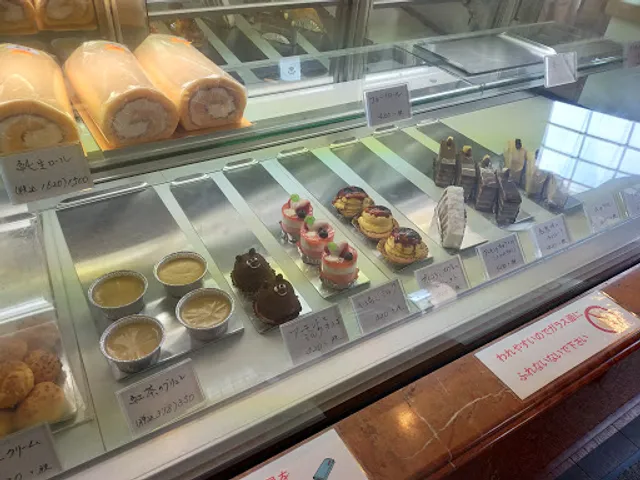
Chocolat
3.8
(32)
$$
Open until 7:00 PM
Click for details