Matsurokan Museum things to do, attractions, restaurants, events info and trip planning
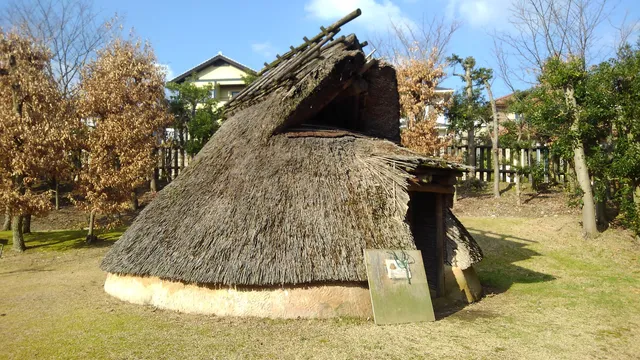
Basic Info
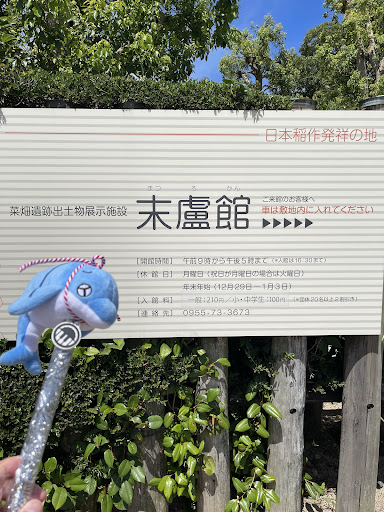
Matsurokan Museum
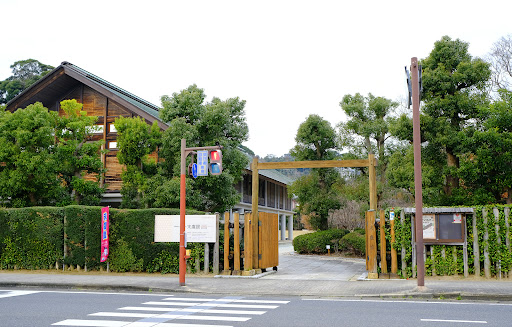
3359-2 Nabatake, Karatsu, Saga 847-0844, Japan
3.9(47)
Open until 5:00 PM
Save
spot
spot
Ratings & Description
Info
The Matsuoka Museum of Art is a private museum located in Shirokanedai, Minato, Tokyo, founded by Japanese developer Seijiro Matsuoka in November 1975.
Cultural
Accessibility
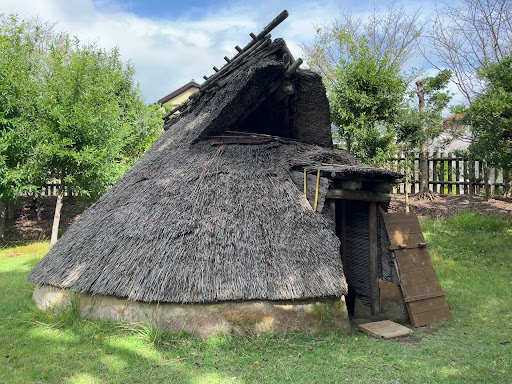
attractions: Nabatake Ruins, Jodaiji, restaurants: Muramasa, Sugiyama, ラーメン専門 竜里, Home Kitchen Higeoyaji, だし遊膳 新(ARATA), Nagaishi: Bread & Manjuu, Imamura, Muranrujukaratsuten, Hata Sushi, Coffee Lemon Tree, local businesses: Imadegawafurusato Park, Karatsu Station
 Learn more insights from Wanderboat AI.
Phone
+81 955-73-3673
Open hoursSee all hours
Wed9 AM - 5 PMOpen
Plan your stay

Pet-friendly Hotels in Karatsu
Find a cozy hotel nearby and make it a full experience.

Affordable Hotels in Karatsu
Find a cozy hotel nearby and make it a full experience.

The Coolest Hotels You Haven't Heard Of (Yet)
Find a cozy hotel nearby and make it a full experience.

Trending Stays Worth the Hype in Karatsu
Find a cozy hotel nearby and make it a full experience.
Reviews
Nearby attractions of Matsurokan Museum
Nabatake Ruins
Jodaiji
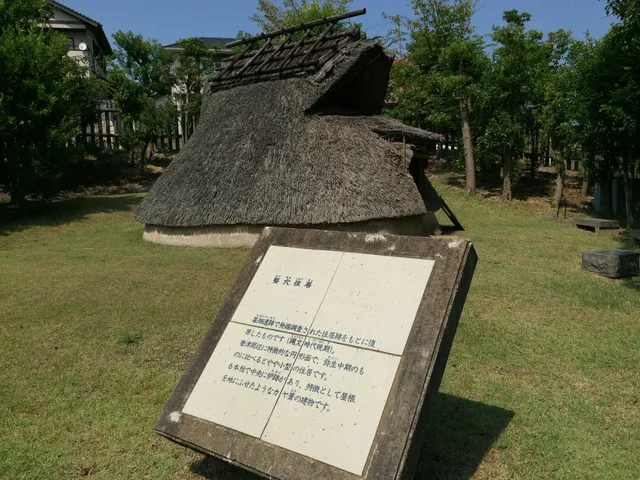
Nabatake Ruins
3.4
(23)
Open until 5:00 PM
Click for details
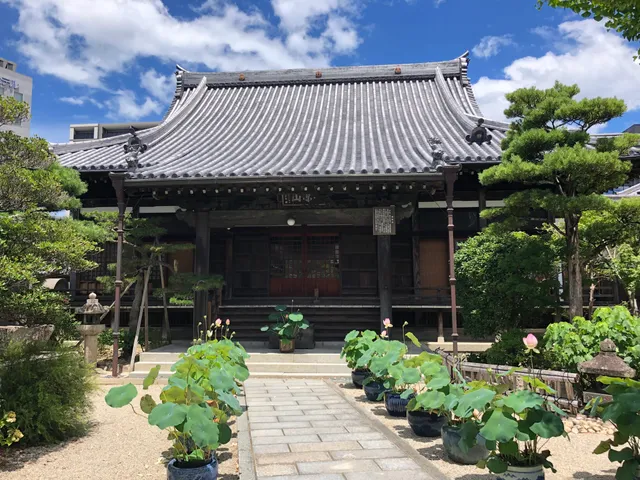
Jodaiji
4.2
(17)
Open 24 hours
Click for details
Nearby restaurants of Matsurokan Museum
Muramasa
Sugiyama
ラーメン専門 竜里
Home Kitchen Higeoyaji
だし遊膳 新(ARATA)
Nagaishi: Bread & Manjuu
Imamura
Muranrujukaratsuten
Hata Sushi
Coffee Lemon Tree
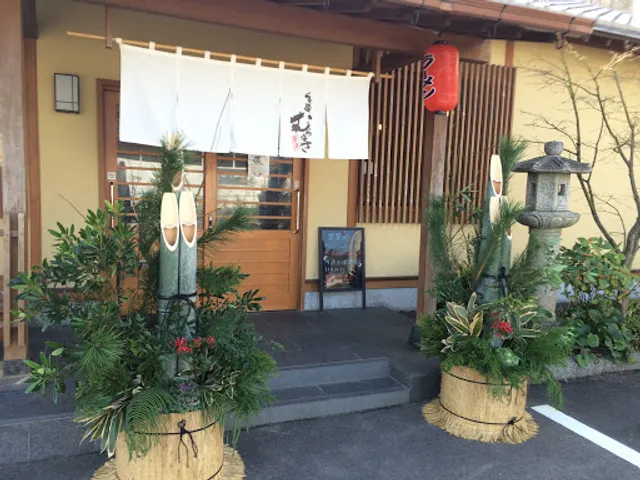
Muramasa
3.9
(317)
Closed
Click for details
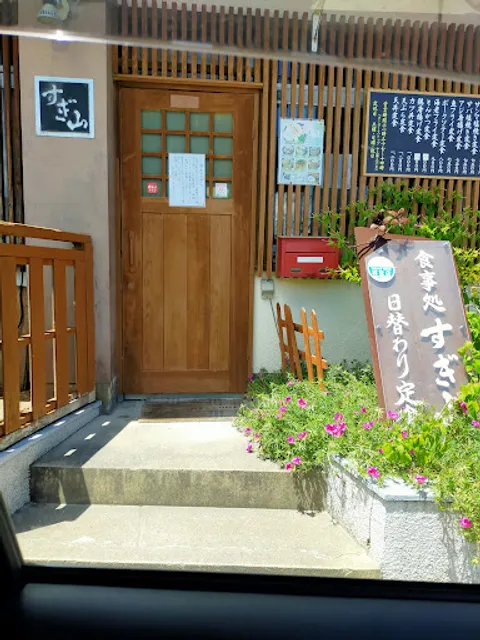
Sugiyama
4.3
(46)
Closed
Click for details
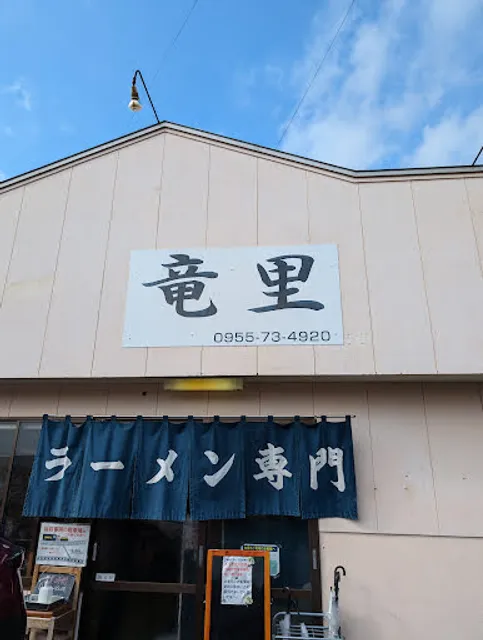
ラーメン専門 竜里
4.2
(246)
Closed
Click for details
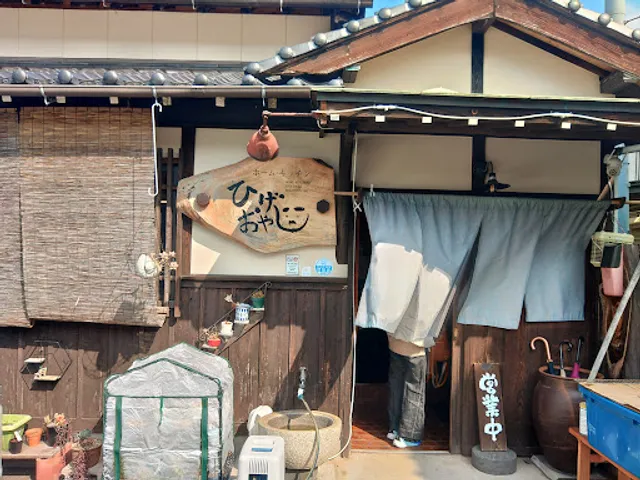
Home Kitchen Higeoyaji
3.9
(50)
Closed
Click for details
Nearby local services of Matsurokan Museum
Imadegawafurusato Park
Karatsu Station
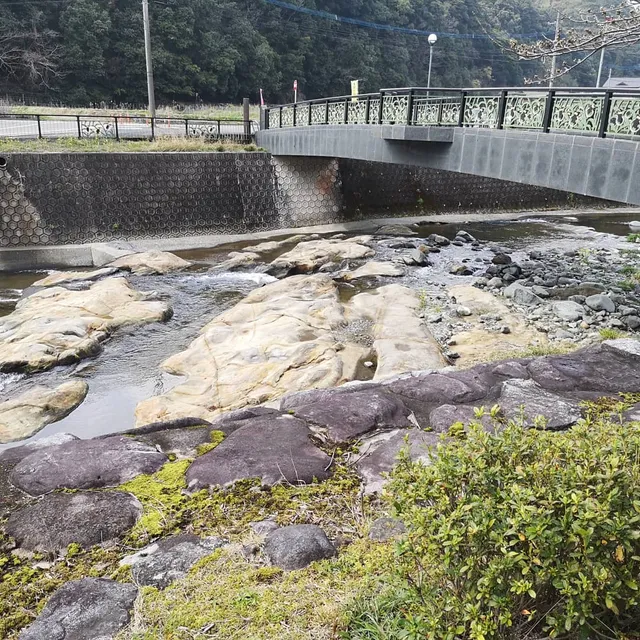
Imadegawafurusato Park
3.9
(18)
Click for details
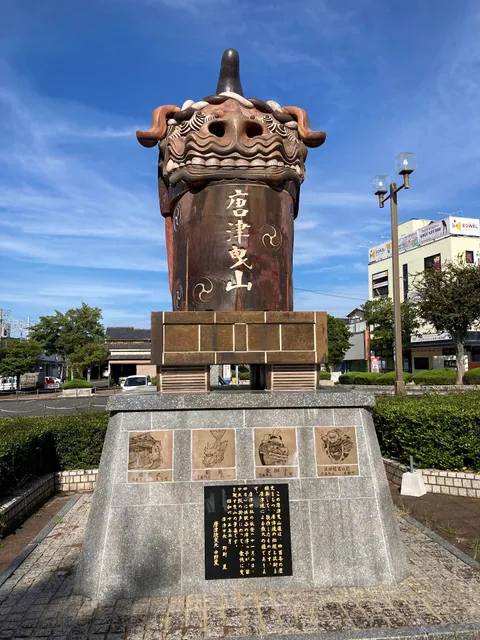
Karatsu Station
3.7
(199)
Click for details