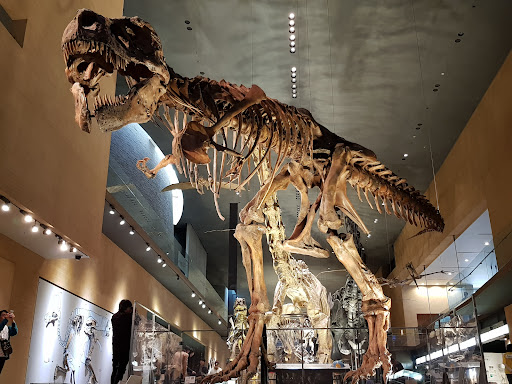
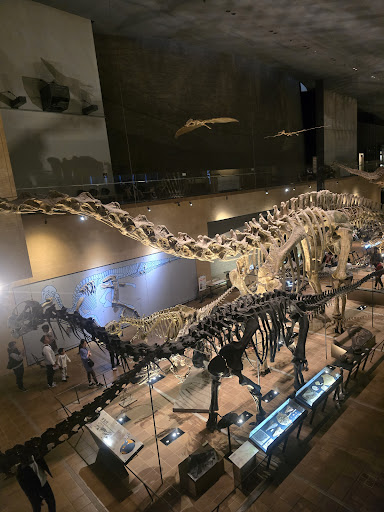
Kitakyushu Museum of Natural History & Human History things to do, attractions, restaurants, events info and trip planning
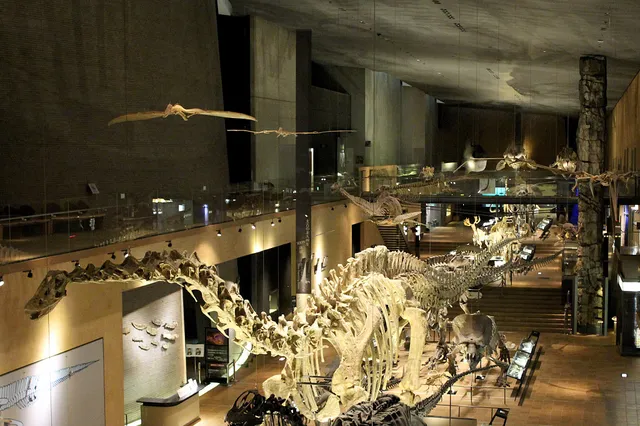
Basic Info
Kitakyushu Museum of Natural History & Human History
2 Chome-4-1 Higashida, Yahatahigashi Ward, Kitakyushu, Fukuoka 805-0071, Japan
4.5(2.1K)
Open until 5:00 PM


tickets
Save
spot
spot
Ratings & Description
Info
Kitakyushu Museum of Natural History & Human History opened in Kitakyushu, Fukuoka Prefecture, Japan, in 2002.
Cultural
Family friendly
Accessibility
attractions: Kitakyushu Environment Museum, THE OUTLETS KITAKYUSHU, ASOBLE 北九州, Korodai Park, Tokuyo-ji, 北九州市立 旧百三十銀行ギャラリー, restaurants: Sushiro, Starbucks Coffee - Aeon Mall Yahata-higashi, Longhu Dining, Washokuresutoran Shoya Ionyahatahigashiten, Shabu SAI AEON MALL YAHATA HIGASHI, Parmenara by marino, フランス菓子春のまち5丁目, Kona's Coffee @Yahata, Sengyosenmonten Toto Market, Ringer Hut, local businesses: Aeon Mall Yahatahigashi, Best Denki, Space LABO (Kitakyushu City Science Museum), Geokitakyushuyahatahigashiten, Hobby Zone, エディオン イオンモール八幡東店, Sanrio, Toys"R"Us, Godiva Chocolatier, SANKO BAZAAR OUTLET THE OUTLET KITAKYUSHU store
 Learn more insights from Wanderboat AI.
Phone
+81 93-681-1011
Website
kmnh.jp
Open hoursSee all hours
Mon9 AM - 5 PMOpen
Plan your stay

Pet-friendly Hotels in Kitakyushu
Find a cozy hotel nearby and make it a full experience.

Affordable Hotels in Kitakyushu
Find a cozy hotel nearby and make it a full experience.

The Coolest Hotels You Haven't Heard Of (Yet)
Find a cozy hotel nearby and make it a full experience.

Trending Stays Worth the Hype in Kitakyushu
Find a cozy hotel nearby and make it a full experience.
Reviews
Nearby attractions of Kitakyushu Museum of Natural History & Human History
Kitakyushu Environment Museum
THE OUTLETS KITAKYUSHU
ASOBLE 北九州
Korodai Park
Tokuyo-ji
北九州市立 旧百三十銀行ギャラリー
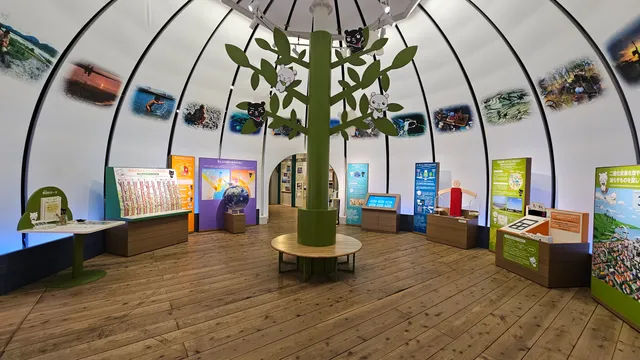
Kitakyushu Environment Museum
4.2
(120)
Open until 12:00 AM
Click for details

THE OUTLETS KITAKYUSHU
3.9
(1.7K)
Open until 8:00 PM
Click for details
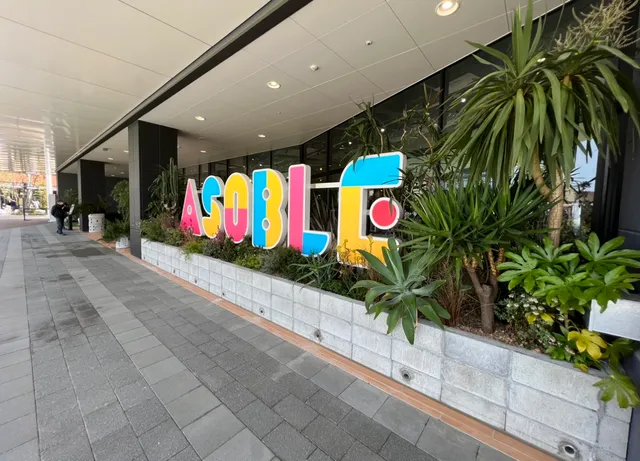
ASOBLE 北九州
3.6
(99)
Open until 9:00 PM
Click for details
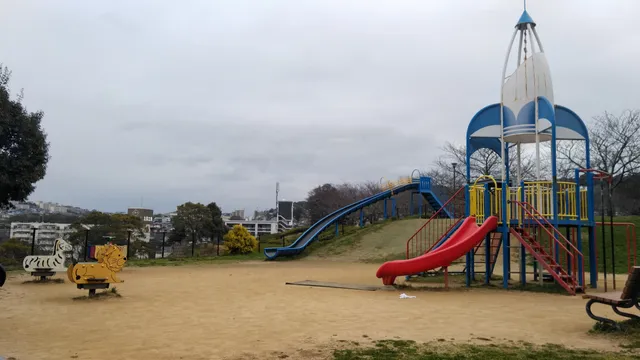
Korodai Park
3.9
(194)
Open until 12:00 AM
Click for details
Nearby restaurants of Kitakyushu Museum of Natural History & Human History
Sushiro
Starbucks Coffee - Aeon Mall Yahata-higashi
Longhu Dining
Washokuresutoran Shoya Ionyahatahigashiten
Shabu SAI AEON MALL YAHATA HIGASHI
Parmenara by marino
フランス菓子春のまち5丁目
Kona's Coffee @Yahata
Sengyosenmonten Toto Market
Ringer Hut
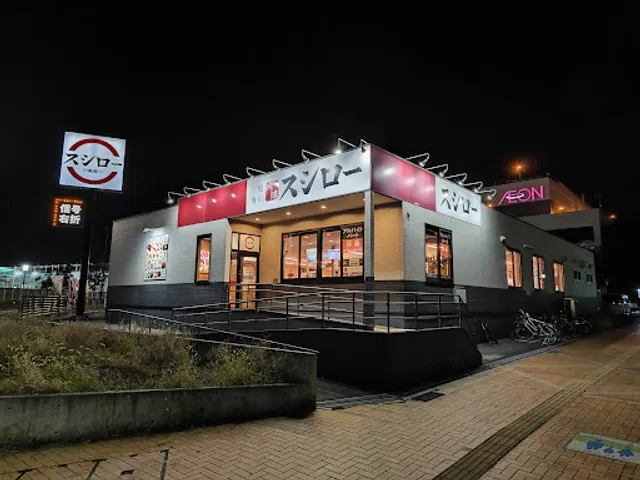
Sushiro
3.5
(595)
Open until 11:00 PM
Click for details
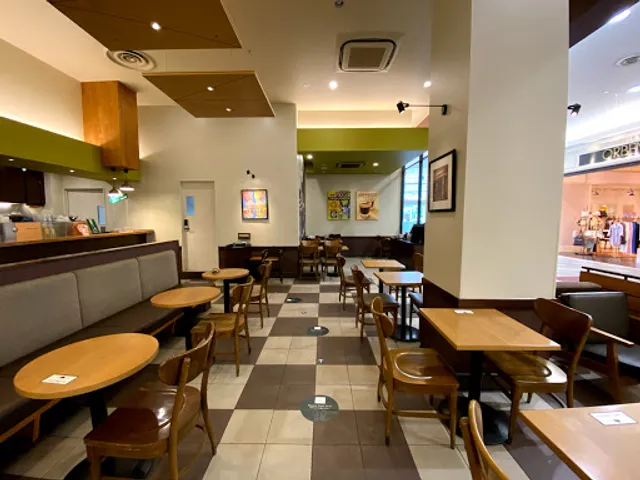
Starbucks Coffee - Aeon Mall Yahata-higashi
3.8
(205)
Open until 9:00 PM
Click for details
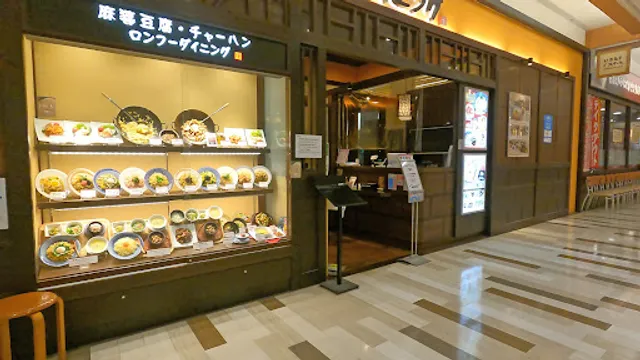
Longhu Dining
3.5
(113)
Open until 10:00 PM
Click for details
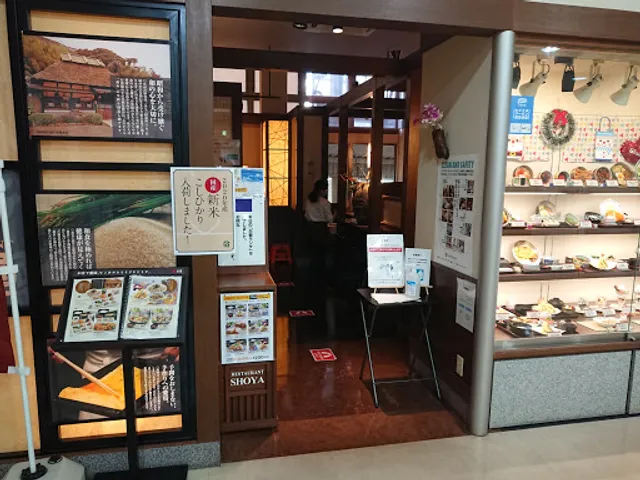
Washokuresutoran Shoya Ionyahatahigashiten
3.6
(73)
Open until 10:00 PM
Click for details
Nearby local services of Kitakyushu Museum of Natural History & Human History
Aeon Mall Yahatahigashi
Best Denki
Space LABO (Kitakyushu City Science Museum)
Geokitakyushuyahatahigashiten
Hobby Zone
エディオン イオンモール八幡東店
Sanrio
Toys"R"Us
Godiva Chocolatier
SANKO BAZAAR OUTLET THE OUTLET KITAKYUSHU store

Aeon Mall Yahatahigashi
3.9
(2.5K)
Click for details
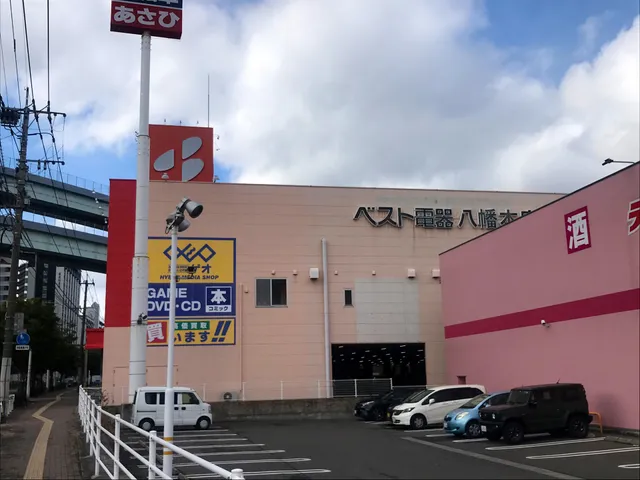
Best Denki
4.1
(214)
Click for details

Space LABO (Kitakyushu City Science Museum)
4.2
(525)
Click for details
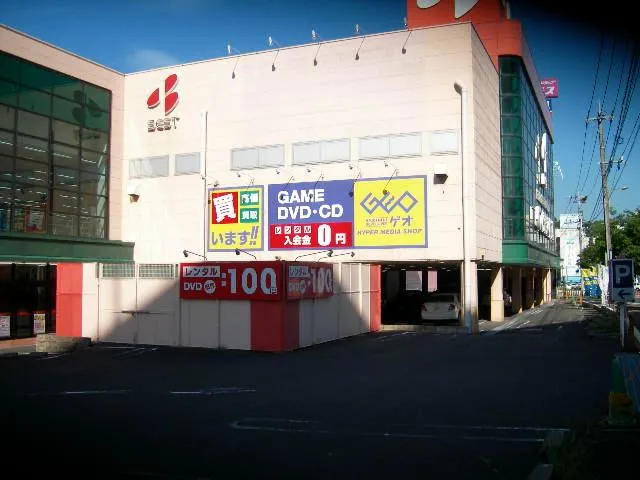
Geokitakyushuyahatahigashiten
3.2
(97)
Click for details