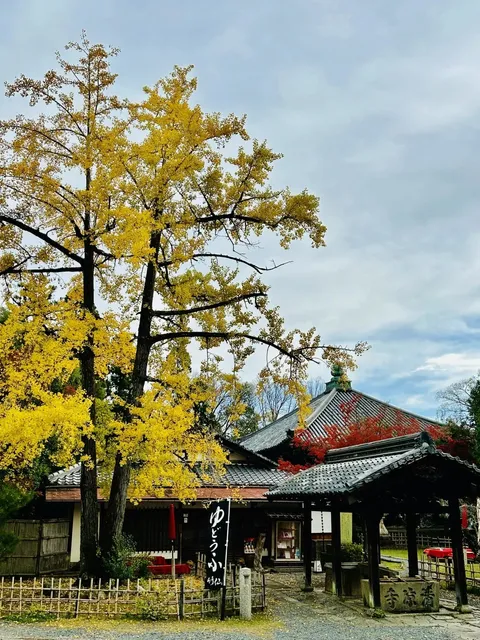
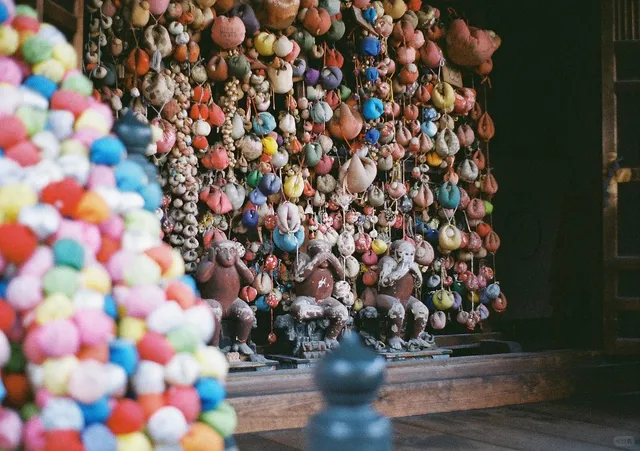
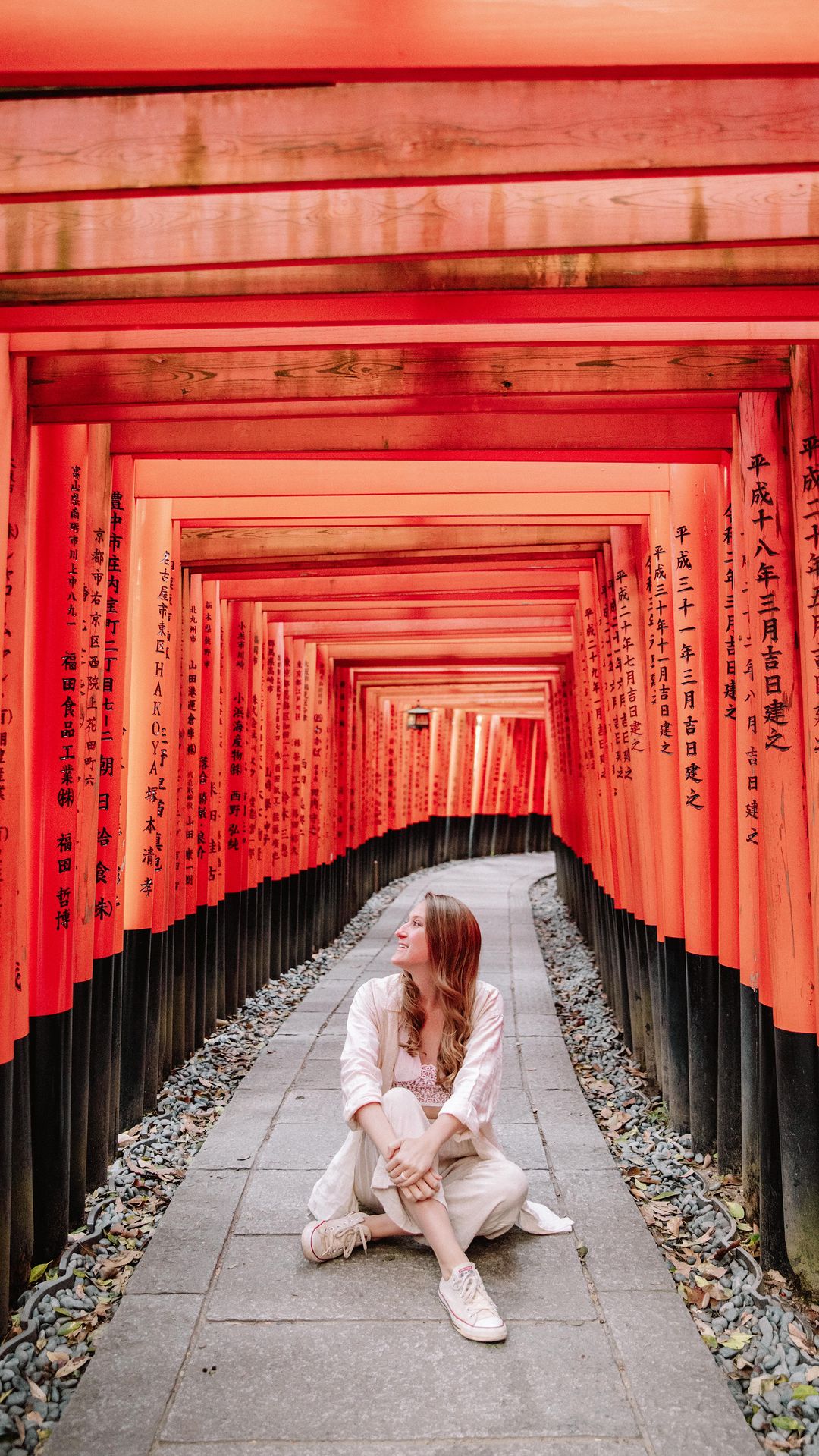
Chion-in Temple things to do, attractions, restaurants, events info and trip planning
Basic Info
Chion-in Temple
400 Rinkacho, Higashiyama Ward, Kyoto, 605-8686, Japan
4.5(3.2K)
Open until 4:00 PM

tickets
Save
spot
spot
Ratings & Description
Info
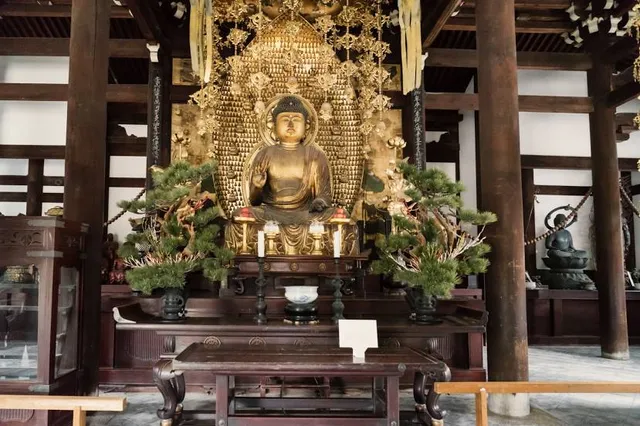
Chion-in in Higashiyama-ku, Kyoto, Japan is the headquarters of the Jōdo-shū founded by Hōnen, who proclaimed that sentient beings are reborn in Amida Buddha's Western Paradise by reciting the nembutsu, Amida Buddha's name.
Cultural
Outdoor
Family friendly
attractions: Shōrenin Temple, Maruyama Park, Yasaka Shrine, Chion-in Hojo Teien (Garden of Abbot's Quarters), Anyō-ji, Yuzenen Garden, Chōraku-ji Temple, Chionin Ohojo (Abbot’s Grand Quarters), Chion-in Seishidō, Chionin Kuromon (Black Gate), restaurants: Saami, Kyoto Charcoal Eel Suisen Gion Yasaka, Rengetsu-jaya, Sushi Sahisara, Mizai, Saka Maruyama, Kyoto Cuisine ISOBE, Imobo Hiranoya Honten, Imobou Hiranoya honke, Salon de Muge, local businesses: Chion-in Mieido (Founder’s Hall), Shoren-in Temple, Maruyama Park, Yasaka-jinja Shrine, Chionin Sanmon Gate, Chionin Daishorō (Grand Bell Tower), Chionin Amidado, Ōtani Sobyō Temple, Chionin Tahoto Pagoda, Chionin Kohōjō (Abbot's Small Quarters)
 Learn more insights from Wanderboat AI.
Phone
+81 75-531-2111
Website
chion-in.or.jp
Open hoursSee all hours
Tue9 AM - 4 PMOpen
Plan your stay

Pet-friendly Hotels in Kyoto
Find a cozy hotel nearby and make it a full experience.

Affordable Hotels in Kyoto
Find a cozy hotel nearby and make it a full experience.

The Coolest Hotels You Haven't Heard Of (Yet)
Find a cozy hotel nearby and make it a full experience.

Trending Stays Worth the Hype in Kyoto
Find a cozy hotel nearby and make it a full experience.
Reviews
Live events

Ultimate Kyoto: 10 Must-Sees & Hidden Gems 1-Day
Tue, Feb 10 • 8:45 AM
616-8373, Kyoto, Kyoto, Japan
View details
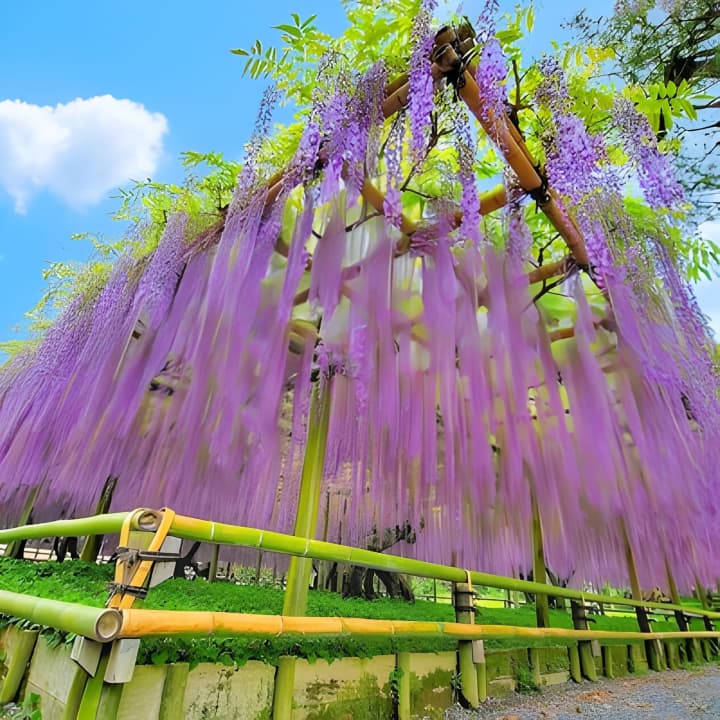
京都日帰りツアー 宇治川抹茶体験
Tue, Feb 10 • 8:00 AM
京都市南区東九条西山王町, 601-8003
View details
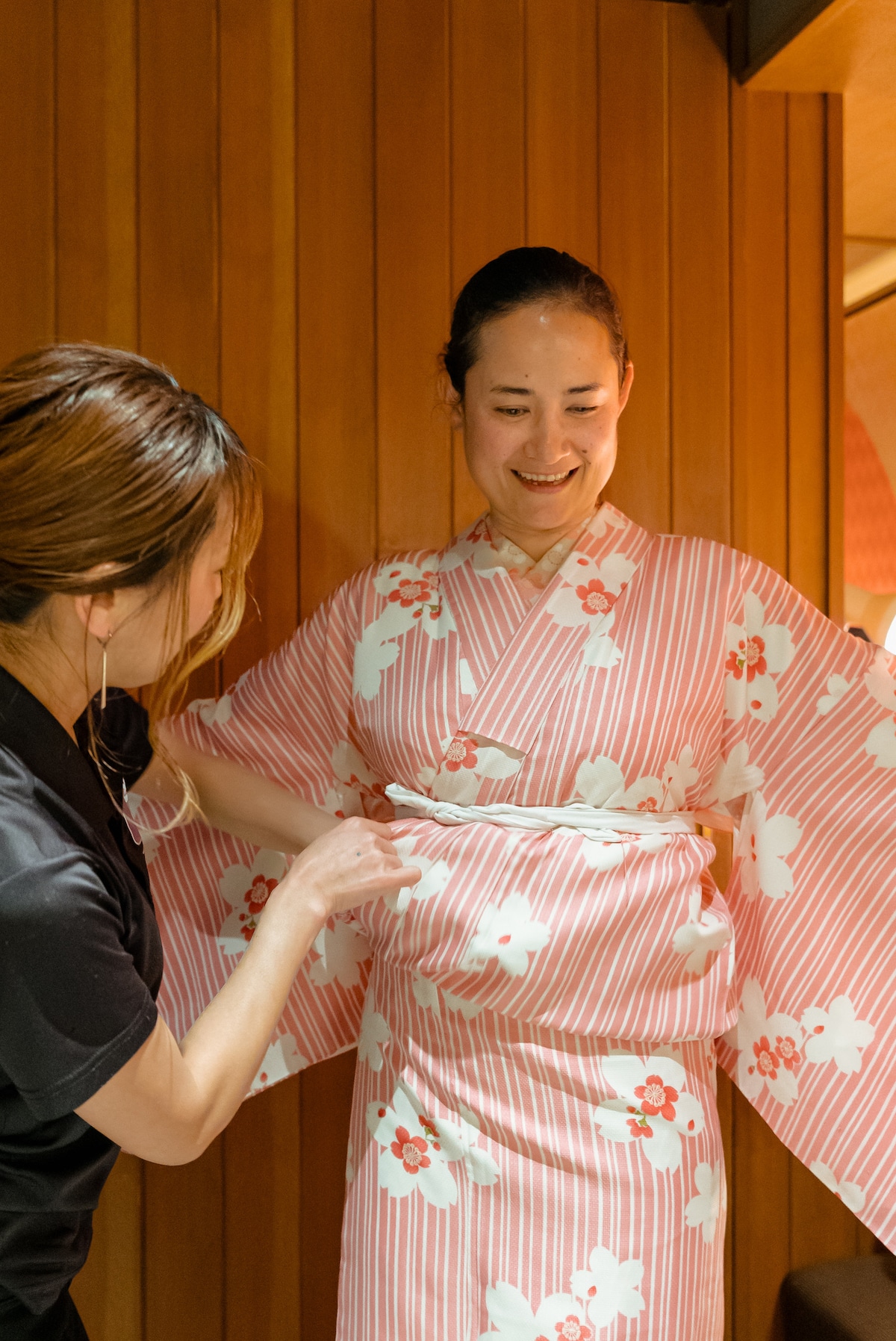
Explore Kyoto in a Kimono
Wed, Feb 11 • 9:00 AM
605-0005, Kyoto, Kyoto, Japan
View details
Nearby attractions of Chion-in Temple
Shōrenin Temple
Maruyama Park
Yasaka Shrine
Chion-in Hojo Teien (Garden of Abbot's Quarters)
Anyō-ji
Yuzenen Garden
Chōraku-ji Temple
Chionin Ohojo (Abbot’s Grand Quarters)
Chion-in Seishidō
Chionin Kuromon (Black Gate)
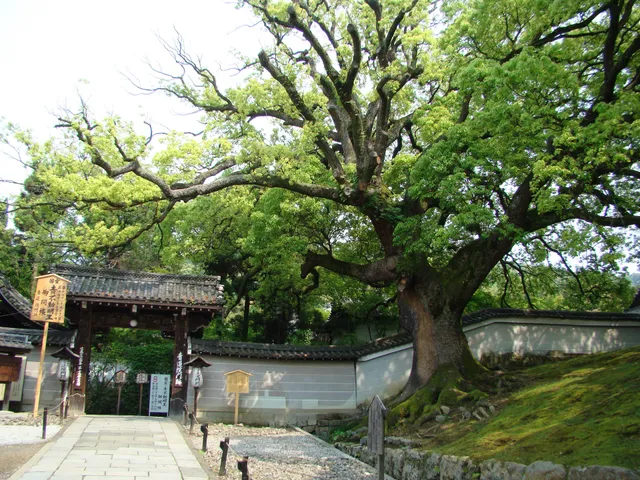
Shōrenin Temple
4.5
(1.2K)
Open until 4:30 PM
Click for details
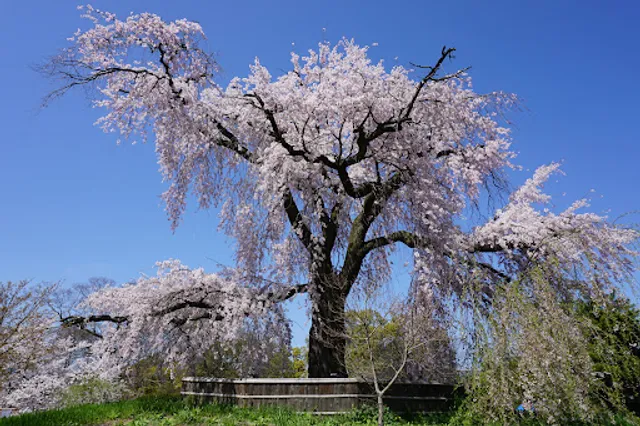
Maruyama Park
4.3
(2.9K)
Open until 12:00 AM
Click for details
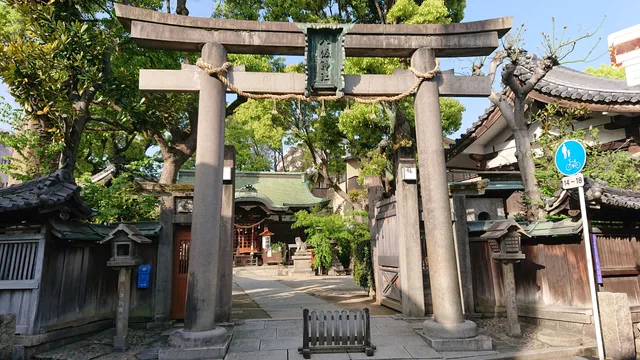
Yasaka Shrine
4.4
(12K)
Open until 12:00 AM
Click for details
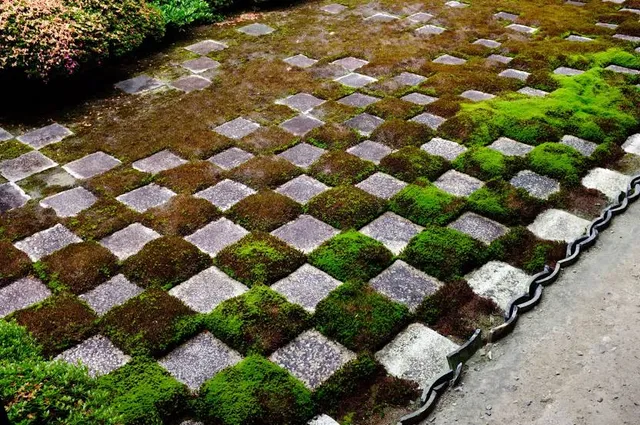
Chion-in Hojo Teien (Garden of Abbot's Quarters)
4.4
(31)
Open until 3:50 PM
Click for details
Nearby restaurants of Chion-in Temple
Saami
Kyoto Charcoal Eel Suisen Gion Yasaka
Rengetsu-jaya
Sushi Sahisara
Mizai
Saka Maruyama
Kyoto Cuisine ISOBE
Imobo Hiranoya Honten
Imobou Hiranoya honke
Salon de Muge
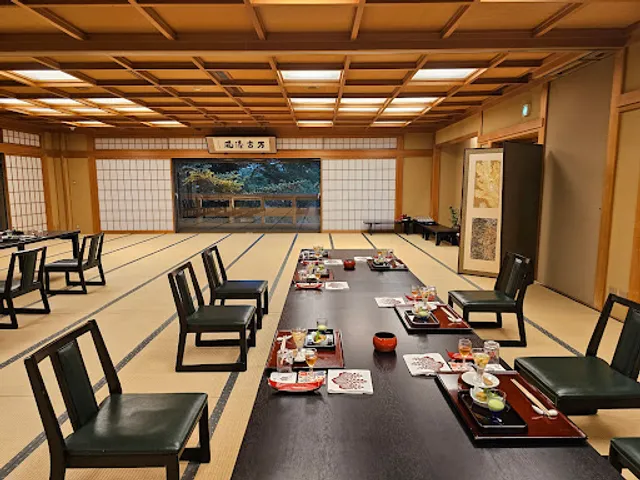
Saami
4.3
(162)
Closed
Click for details
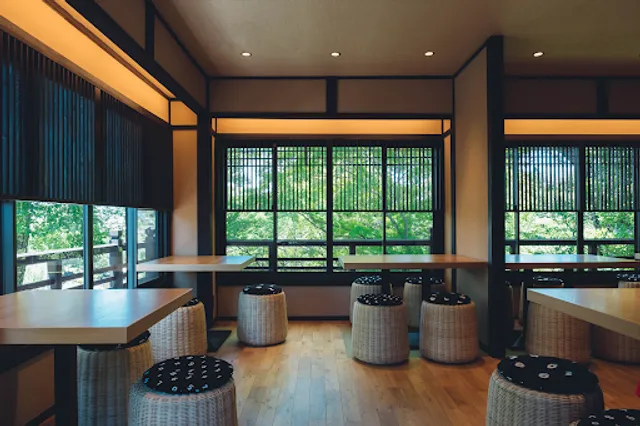
Kyoto Charcoal Eel Suisen Gion Yasaka
4.8
(938)
Closed
Click for details
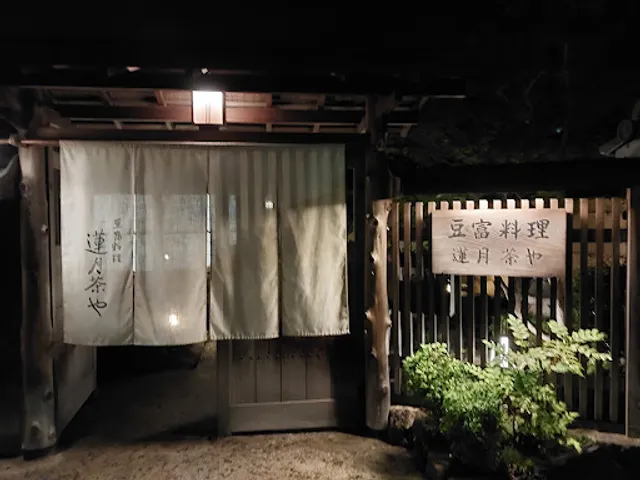
Rengetsu-jaya
4.3
(120)
Open until 12:00 AM
Click for details
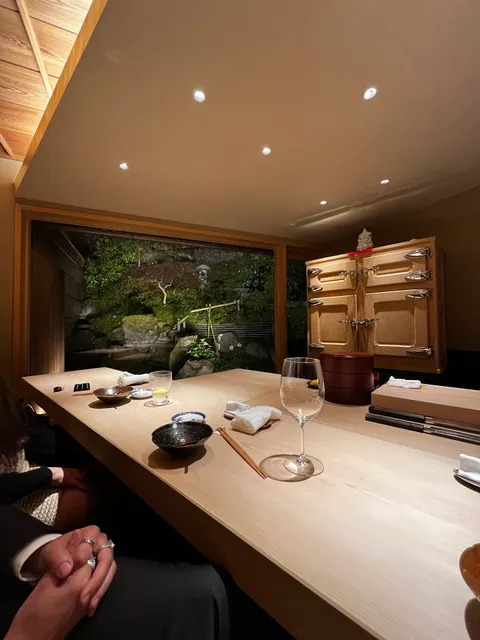
Sushi Sahisara
4.9
(55)
Click for details
Nearby local services of Chion-in Temple
Chion-in Mieido (Founder’s Hall)
Shoren-in Temple
Maruyama Park
Yasaka-jinja Shrine
Chionin Sanmon Gate
Chionin Daishorō (Grand Bell Tower)
Chionin Amidado
Ōtani Sobyō Temple
Chionin Tahoto Pagoda
Chionin Kohōjō (Abbot's Small Quarters)
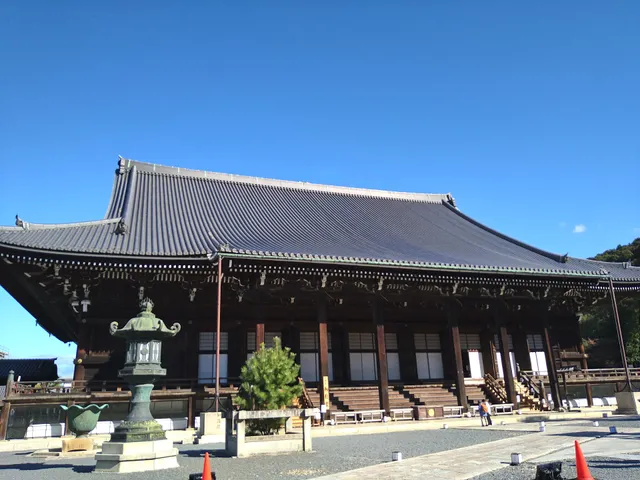
Chion-in Mieido (Founder’s Hall)
4.6
(80)
Click for details
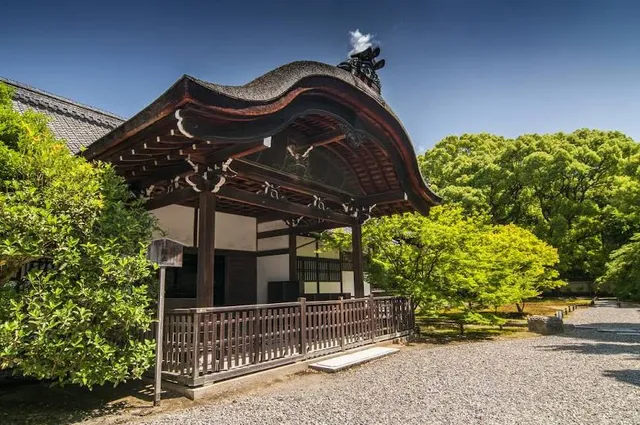
Shoren-in Temple
4.5
(1.0K)
Click for details
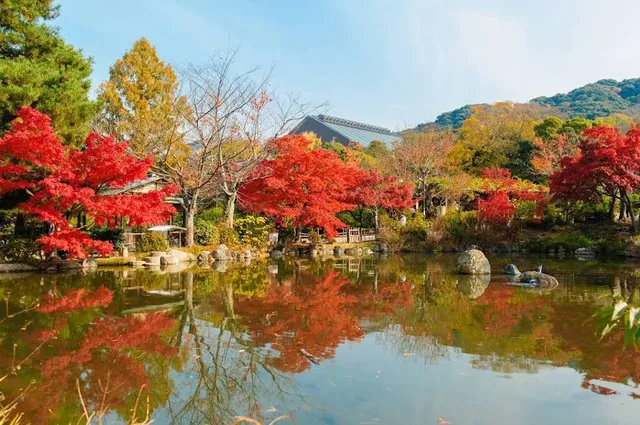
Maruyama Park
4.3
(2.4K)
Click for details
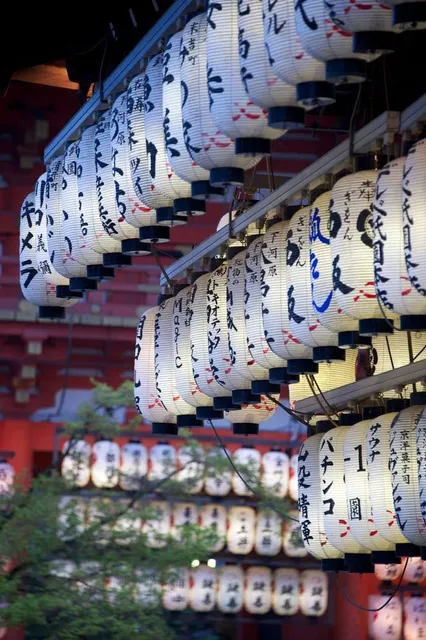
Yasaka-jinja Shrine
4.4
(9.3K)
Click for details