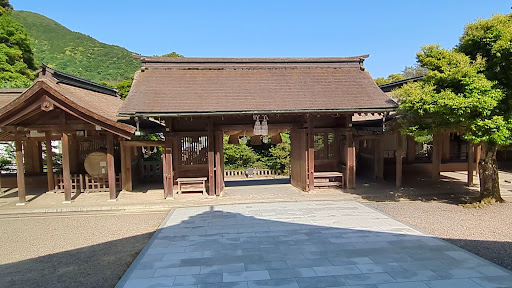
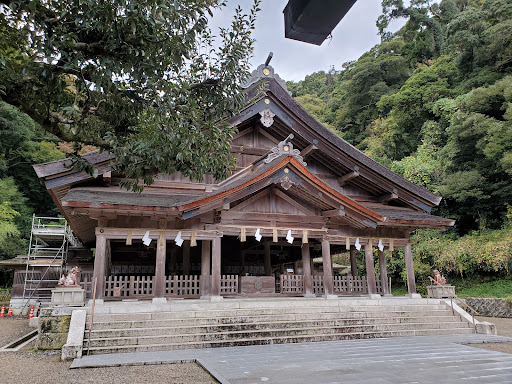
Miho Shrine things to do, attractions, restaurants, events info and trip planning
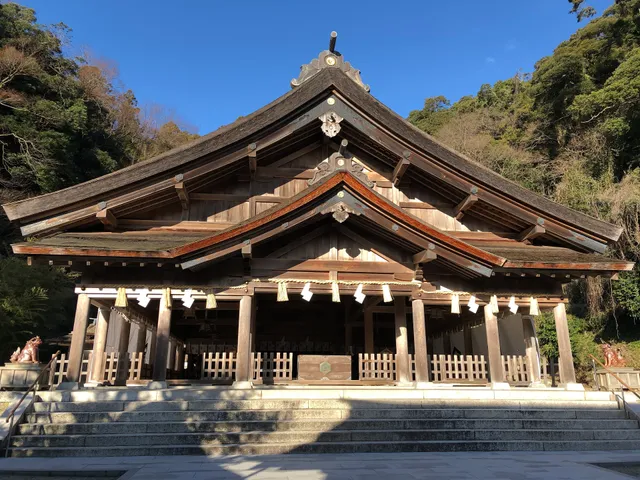
Basic Info
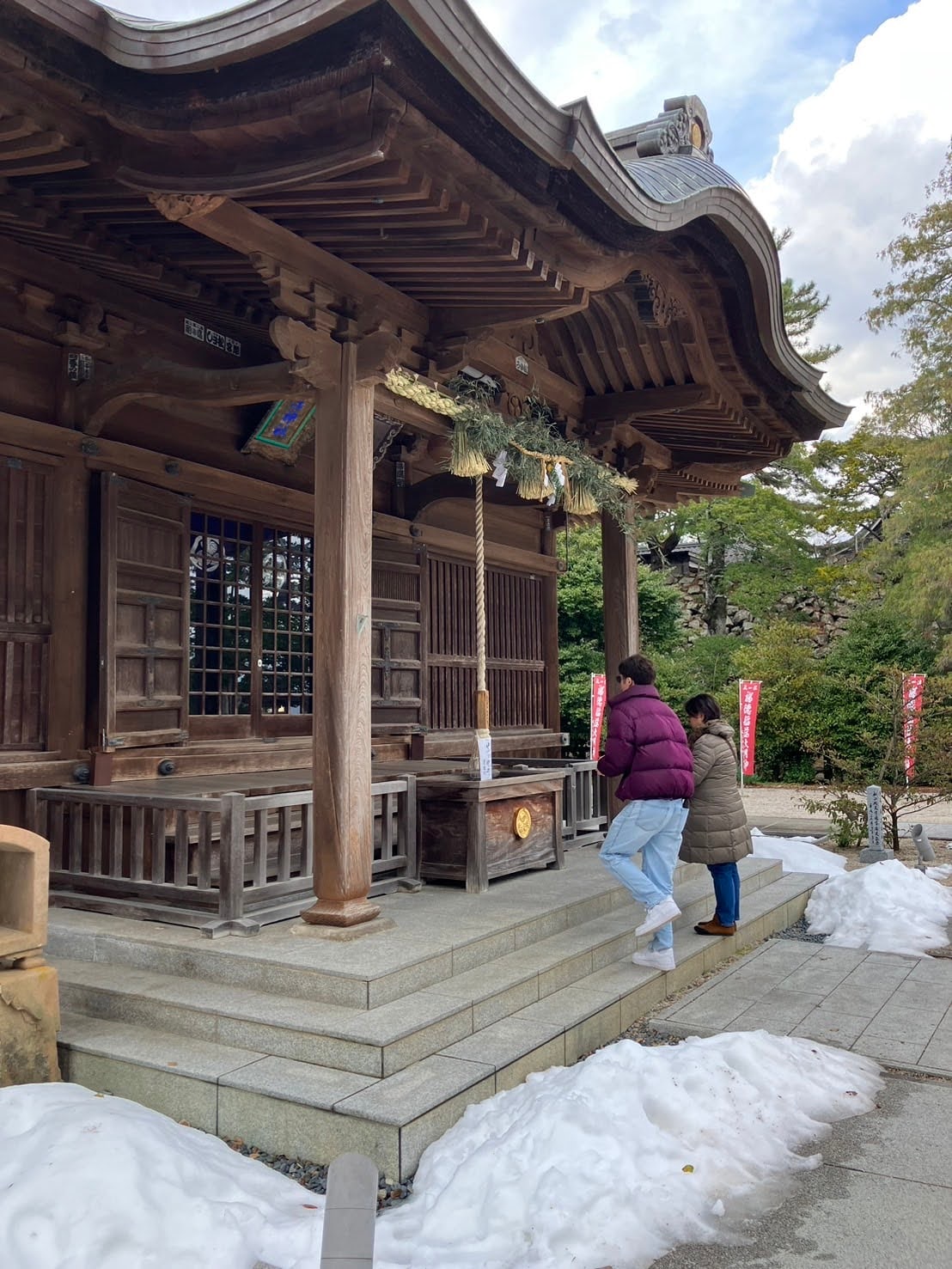
Miho Shrine
608 Mihonosekicho Mihonoseki, Matsue, Shimane 690-1501, Japan
4.5(1.8K)
Closed
Save
spot
spot
Ratings & Description
Info
attractions: Aoishidatami-dori (Blue Cobblestone Street), Bukkokuji, Gohonmatsu Park, restaurants: , local businesses: Miho Shrine, Rue Aoishi-datami, 美保館本館, 観光センター, Kugutanisha, 美保関観光無料駐車場, Vestígios de Seki-no-Gohonmatsu, Mihonoseki Fishing Port
 Learn more insights from Wanderboat AI.
Phone
+81 852-73-0506
Website
mihojinja.or.jp
Open hoursSee all hours
Tue8:30 AM - 5 PMClosed
Plan your stay

Pet-friendly Hotels in Matsue
Find a cozy hotel nearby and make it a full experience.

Affordable Hotels in Matsue
Find a cozy hotel nearby and make it a full experience.

The Coolest Hotels You Haven't Heard Of (Yet)
Find a cozy hotel nearby and make it a full experience.

Trending Stays Worth the Hype in Matsue
Find a cozy hotel nearby and make it a full experience.
Reviews
Live events
Matsue Castle Tour / Castle Tower Admission
Sat, Feb 14 • 10:00 AM
690-0887, Shimane, Matsue, Japan
View details
Nearby attractions of Miho Shrine
Aoishidatami-dori (Blue Cobblestone Street)
Bukkokuji
Gohonmatsu Park
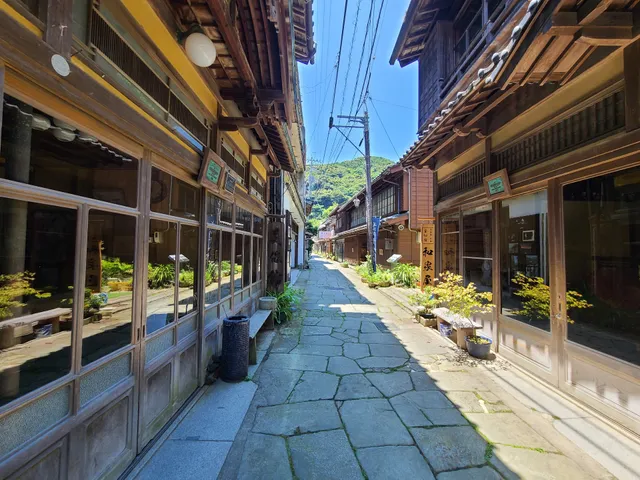
Aoishidatami-dori (Blue Cobblestone Street)
4.2
(137)
Open until 12:00 AM
Click for details
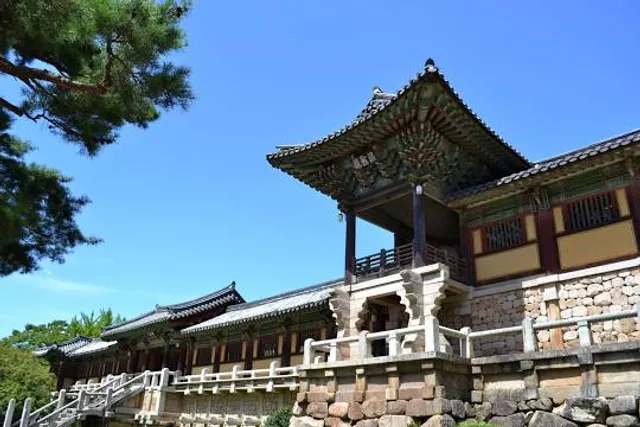
Bukkokuji
4.4
(30)
Open 24 hours
Click for details
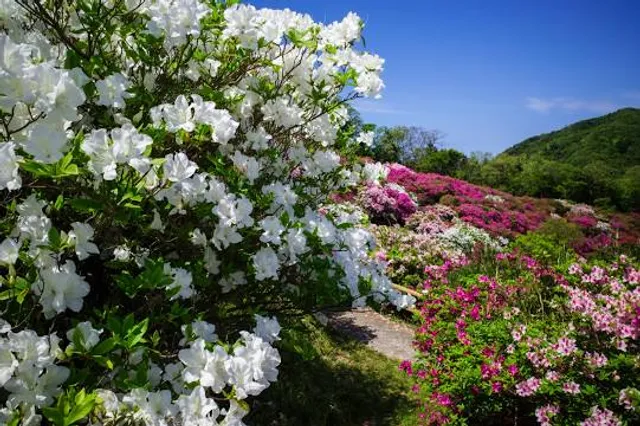
Gohonmatsu Park
4.0
(44)
Open until 12:00 AM
Click for details
Nearby local services of Miho Shrine
Miho Shrine
Rue Aoishi-datami
美保館本館
観光センター
Kugutanisha
美保関観光無料駐車場
Vestígios de Seki-no-Gohonmatsu
Mihonoseki Fishing Port
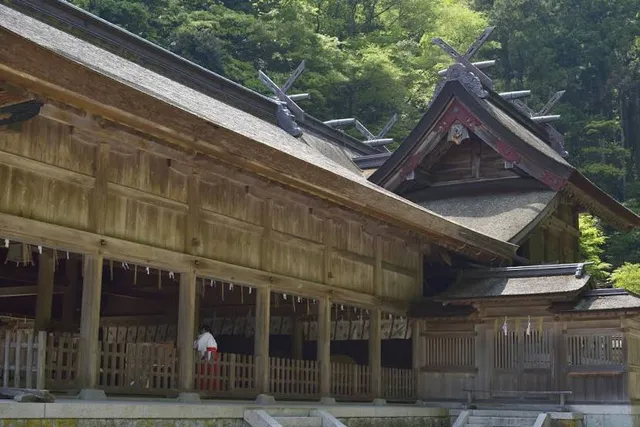
Miho Shrine
4.4
(1.3K)
Click for details
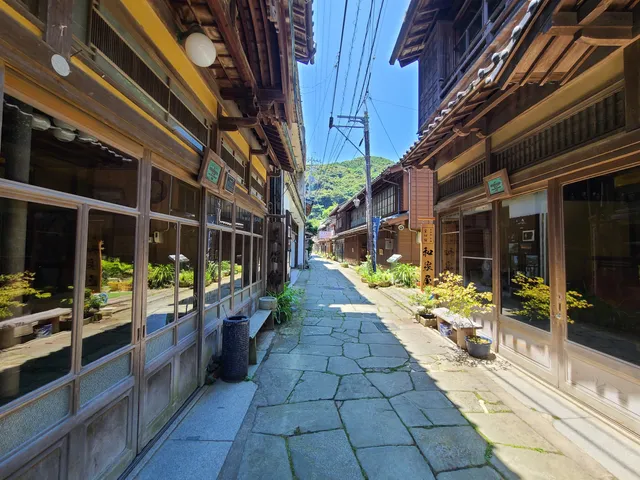
Rue Aoishi-datami
4.2
(91)
Click for details
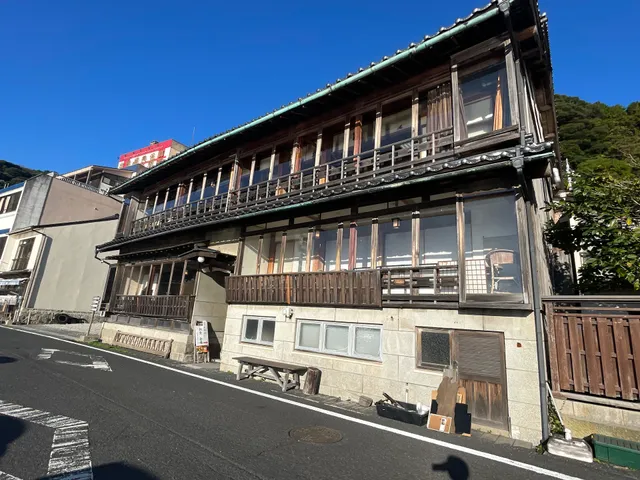
美保館本館
4.2
(19)
Click for details
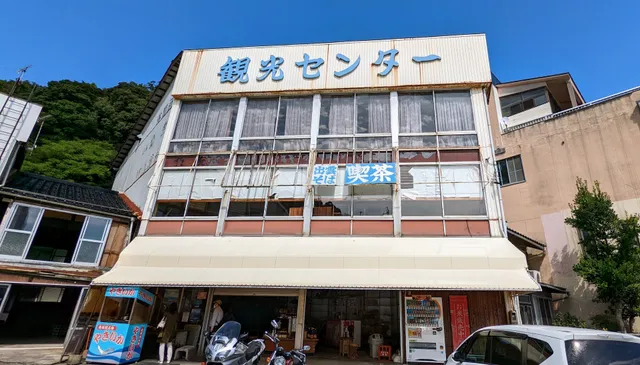
観光センター
3.8
(14)
Click for details